Skip to content
© Shutterstock

Trend Watch Sleep Tourism: A New Take on Dreamy Vacations

Experiences

More (than) sleep: curated slumbers at hotels and resorts are gaining more and more traction. But what's behind the sleep tourism trend?

219.000 Stunden oder: ein Drittel unseres Lebens. So viel Zeit verbringt der Mensch schlafend. Es sollte daher kaum verwundern, dass sich seit einiger Zeit auch der Tourismussektor immer mehr den nächtlichen Stunden widmet: Der Fokus des Sleep tourism, oder Sleep Tourism, liegt dabei nicht mehr auf den üblichen Urlaubstätigkeiten wie Sightseeing oder Spa-Aufenthalten, sondern auf Recreation.

More and more hotels are offering special packages to help their guests get a good night's rest. © Belmond

Das Ziel luxuriöser Sleep Retreats ist es, die Schlafqualität ihrer Gäste zu verbessern. Mit lärmgeschützten Hotelzimmern, beruhigenden Düften, besonderen Betten, Kissen und Stoffen soll der Anreisende tiefenentspannt werden. Aber warum ist der Trend gerade in den letzten beiden Jahren immer größer geworden? Und welche renommierten Hotels bieten bereits Sleep Retreats an?

Sleep is en vogue

The quality of our sleep seems to decline year after year. On the one hand, the digital age is indisputably to blame. Factors such as constant stress, noise and light pollution, as well as unhealthy lifestyles cause nocturnal unrest. But the pandemic has also caused a dire increase in mental health struggles. According to a study in the Journal of Clinical Sleep Medicine, our sleep (or lack thereof) has been taking the hit as a result.

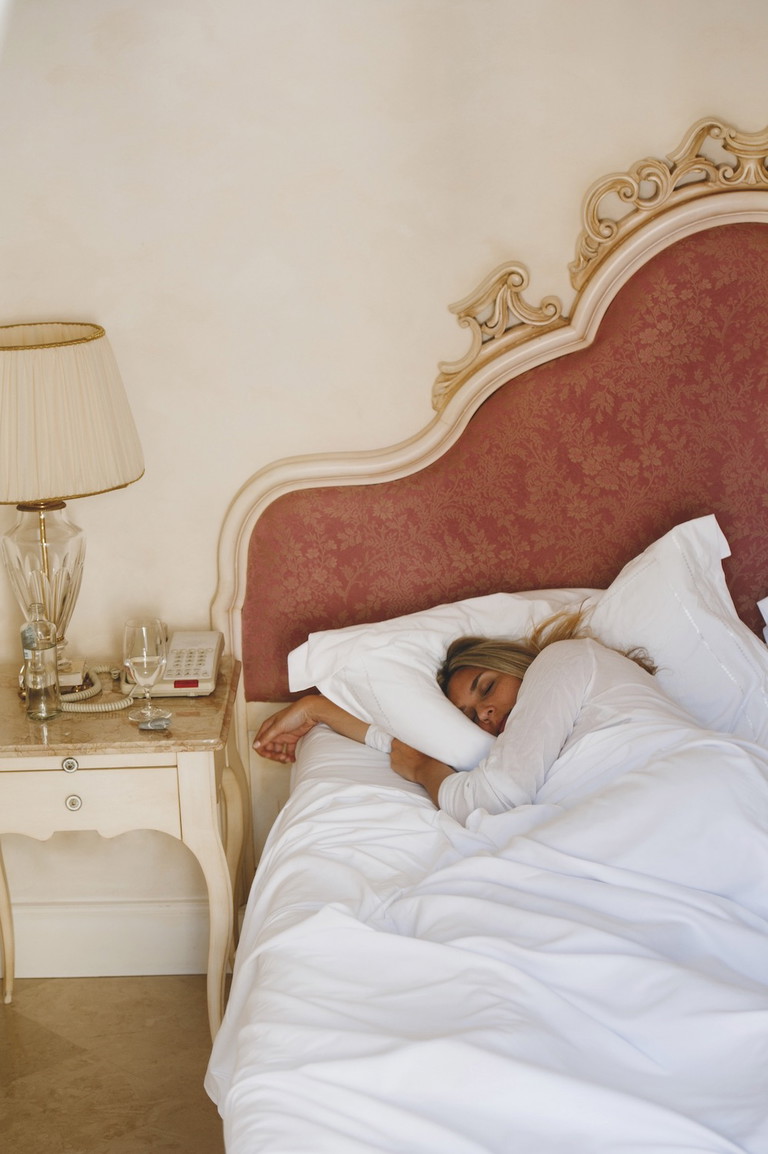
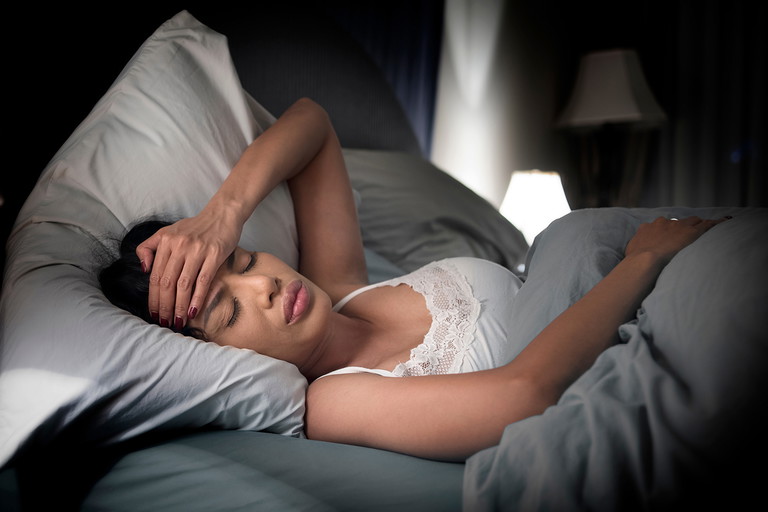
Countless people struggle with sleep in their everyday lives – sleep retreats want to change that. © Shutterstock

This increasing insomnia seems to be a worldwide phenomenon: In Germany, a full 25 % rate their sleep quality as poor to very poor, according to Statista. A study conducted at the Medical University of Vienna reports that a full eight percent of people suffer from pathological insomnia in Austria. And in the USA, 36 % complain about restless nights. And it's precisely this problem that the sleep tourism trend addresses.

Hotel sleep reimagined

Bereits seit einigen Jahren, vor allem seit Ende 2020, häufen sich schlafbezogene Angebote oder Urlaubspakete in Hotels und Resorts. Ziel des Sleep Tourism ist es, Schlaflosigkeit oder -mangel zu reduzieren. Die Qualität und Muster der nächtlich verbrachten Stunden sollen innerhalb weniger Tage oder, im Zuge eines Retreats, Wochen verbessert werden. 

At Six Senses Ibiza, guests are encouraged to sleep in – with a specially assigned Sleep Doctor making sure they do. © Six Senses

Among the addresses offering special sleep retreats is the women-only Hotel Figueroa, for example, with its "Rest & Recovery Suite," where a Pluto Pillow adapts to the body and sleep, and the Eight Sleep mattress measures patterns and temperatures. At the Six Senses in Ibiza, restless travelers are offered a new experience in the wake of the Wellness sleep program offers guests a Sleep Doctor zur Seite gestellt. Und Hästens, die Bettenmarke, hat im portugiesischen Coimbra gar ein eigenes Sleep Spa Hotel opened

Related: A Hotel Experience All About Sleeping

Rosewood goes all in on sleep

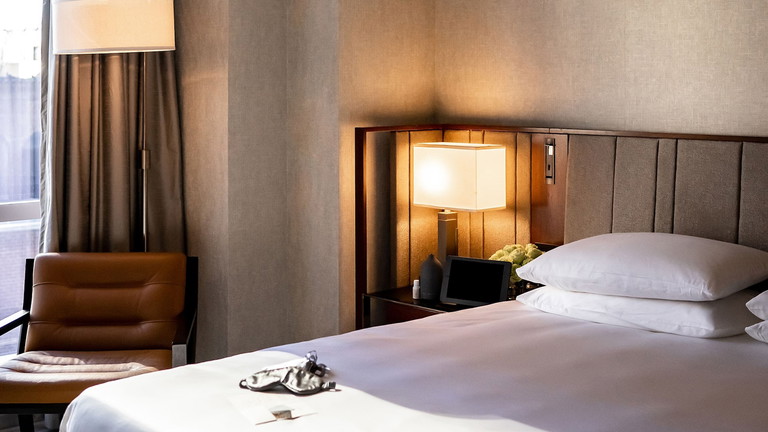
The trend hasn't passed by luxury chains like Rosewood either: as recently as 2022, the hotel chain launched its holistic retreat "Alchemy of Sleep." The program includes numerous activities, mindfulness exercises and treatments designed to promote rest and relaxation. A proprietary nutritional concept and the use of sleep-inducing products aim to further the program's results. Guests find their rooms filled with calming scents from oil diffusers, silk eye masks on the beds, and meditation apps on the in-room TV.

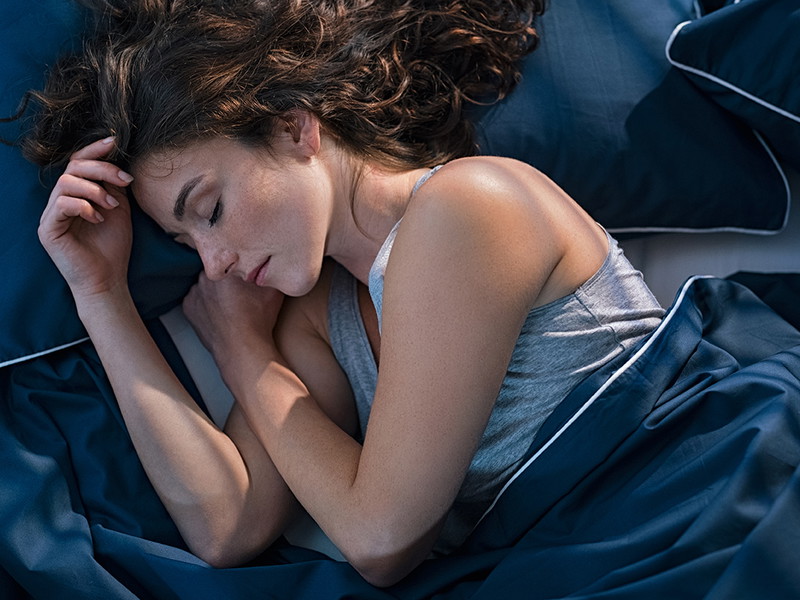
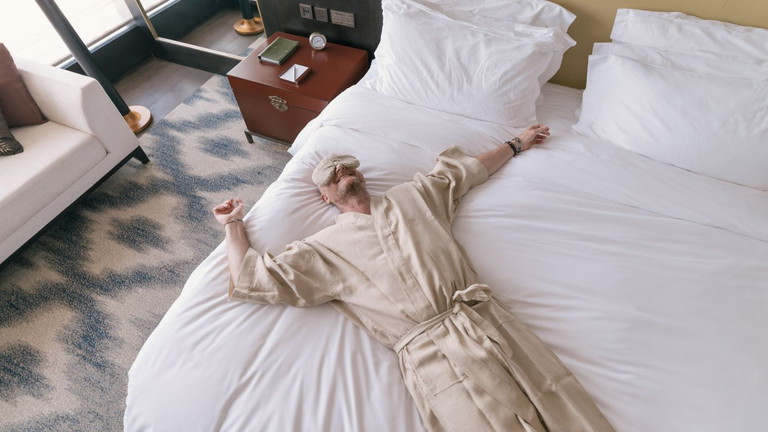
At Rosewood hotels, tired travelers can enjoy some shut eye in luxury beds. © Rosewood Hotels & Resorts

The duration of the retreat varies: starting with one night in the course of "Dreamscape" up to the five-night "Sleep Transformation." Sleep retreats are offered at Rosewood London, Hôtel de Crillon in Paris and at Rosewood Sand Hill in Menlo Park, California, among others.

A night in an AI bed

Things get really innovative at Park Hyatt New York: guests are invited to the One Bedroom Sleep Suite by Bryte, where "The Restorative Bed™" by Bryte, controlled by artificial intelligence, is supposed to help them achieve a better night's sleep. Whether it's jet lag or insomnia, the AI dynamically adjusts the pressure points and climate and can even save your own preferences. The hotel also provides a diffuser for essential oils, sleeping masks and literature.

Looks like a normal bed, but is controlled by AI: the bed in the One Bedroom Sleep Suite by Bryte. © New York Central Park Hyatt

Sleep on demand

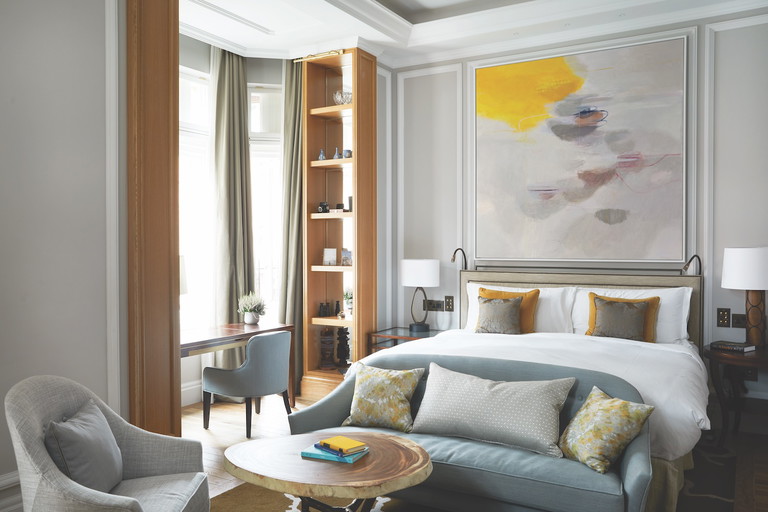
In Londons The Cadogan, einem Hotel der Luxuskette Belmond, gibt es seit Anfang letzten Jahres den „Sleep Concierge“ Service, der Meditationsaufnahmen über die Hotel-App bereitstellt. Darüber hinaus können Gäste aus dem sogenannten „Pillow Menu“ das perfekte Kissen für ihre Bedürfnisse wählen. Ein wohlduftender Kissenspray sorgt mit seiner aromatherapeutischen Wirkung ebenfalls für besseren Schlaf.

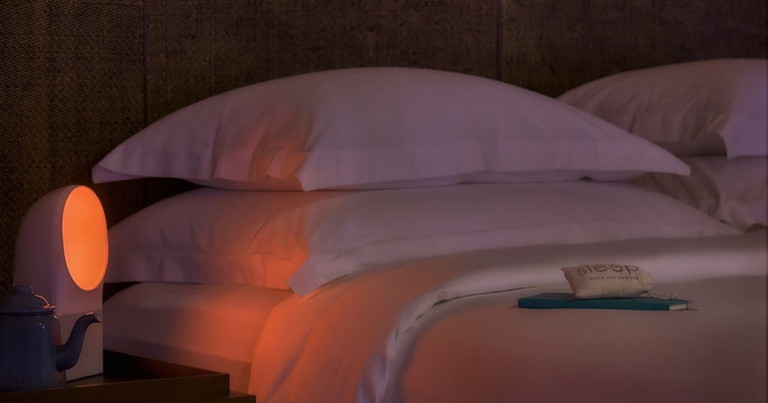
The Cadogan takes sleep very seriously. © Belmond

More (than) sleep

Wenn im Alltag alles hektischer wird, sucht man im Urlaub nach Entschleunigung: Die Trendwende vom Übermaß an Aktivitäten hin zu mehr Entspannung und Freiraum vollzieht sich bereits seit einigen Jahren und ist, bekanntermaßen, ein Zeichen unserer Zeit. So lässt sich auch das vermehrte Aufkommen der Sleep Retreats erklären: Sie sind eine weitere Antwort des Tourismus auf ein Grundbedürfnis unserer Gesellschaft – gesunden Schlaf. 

Related: The 5 Prettiest Places for a Night Under the Stars

Christina M. Horn
Author
Find out more
1 / 12