Skip to content
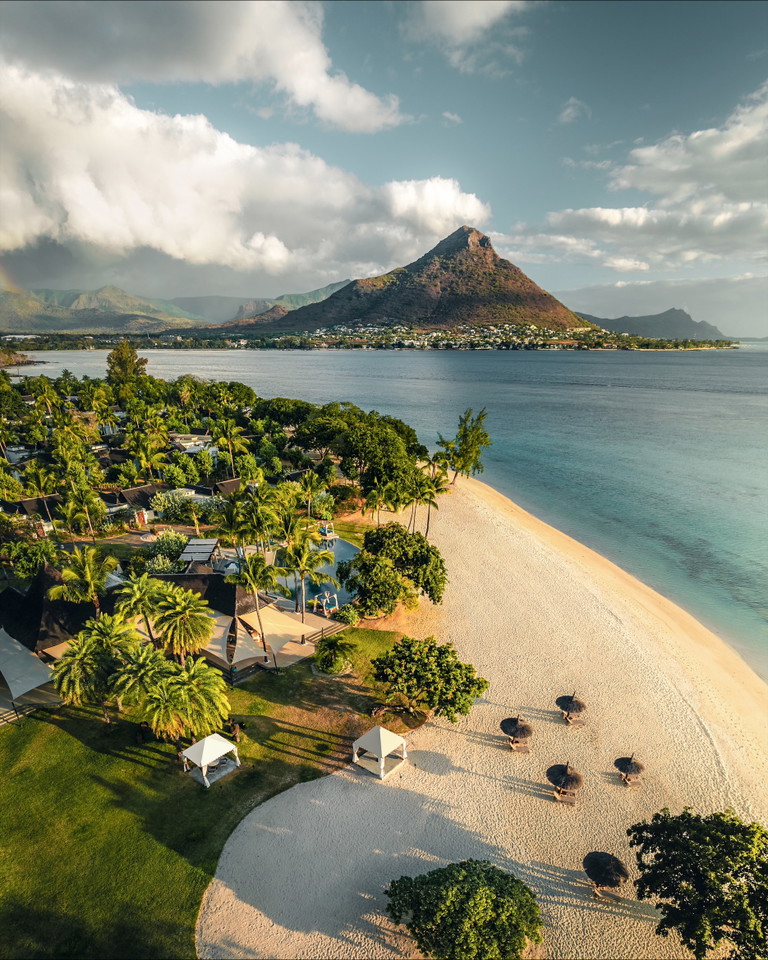
© Constance Prince Maurice Hotel, provided

Where to go in winter? Warmth awaits in these 5 places

Fernreisen
Destinations
Tourismus
Geheimtipps

When the year loses its colors, the search begins for light, sun and faraway places where warmth means more than summer temperatures - namely lightness, sensuality and the feeling of blossoming inside. You can find them at these 5 locations.

Escaping the cold is a tempting way to travel far away in winter. What sounds somewhat banal actually touches on a deep longing: warmth stands for balance - physically, emotionally and sensually. It goes beyond the mere difference in temperature and works through light, through rich and soft colors, through aesthetic and interpersonal harmony.

Destinations far away from the January gray

The tropical atmosphere of the Maldives, with its candy tones as a therapeutic agent against the January gray, the lush nature of Mauritius, the spiritual calm and balance of the Thais - all this lets us wind down pleasantly. But warmth doesn't have to be quiet and reverent, it can sweep over us loudly and impulsively - like in Mexico, full of temperament and joie de vivre. Sometimes the heat is not immediately bearable, as in the Persian Gulf; the monarchs of the Emirates have made the desert heat of the Arabian Peninsula manageable, with money, technology, ambition and a healthy dose of megalomania.

Long-distance travel is booming

After the pandemic, the need for warmth was great and long-distance travel experienced a boom. At "Alltours" it is currently the fastest growing segment, while the luxury tour operator "Airtours" counts the Maldives, Dubai and Mauritius among this winter's top destinations. "Tui" guests are mainly attracted to Asia - and especially to Thailand.

THAILAND: LAND OF SMILES

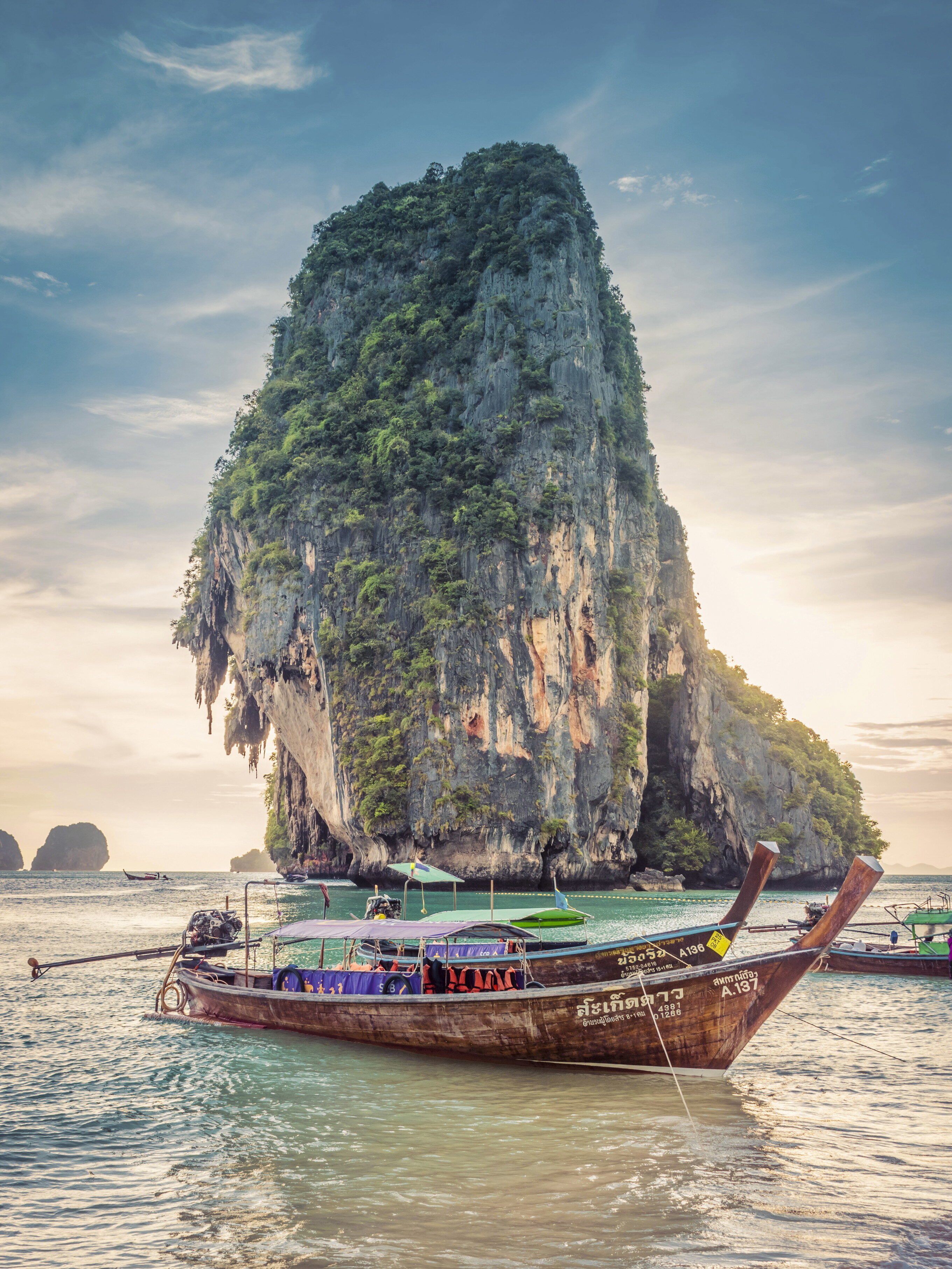
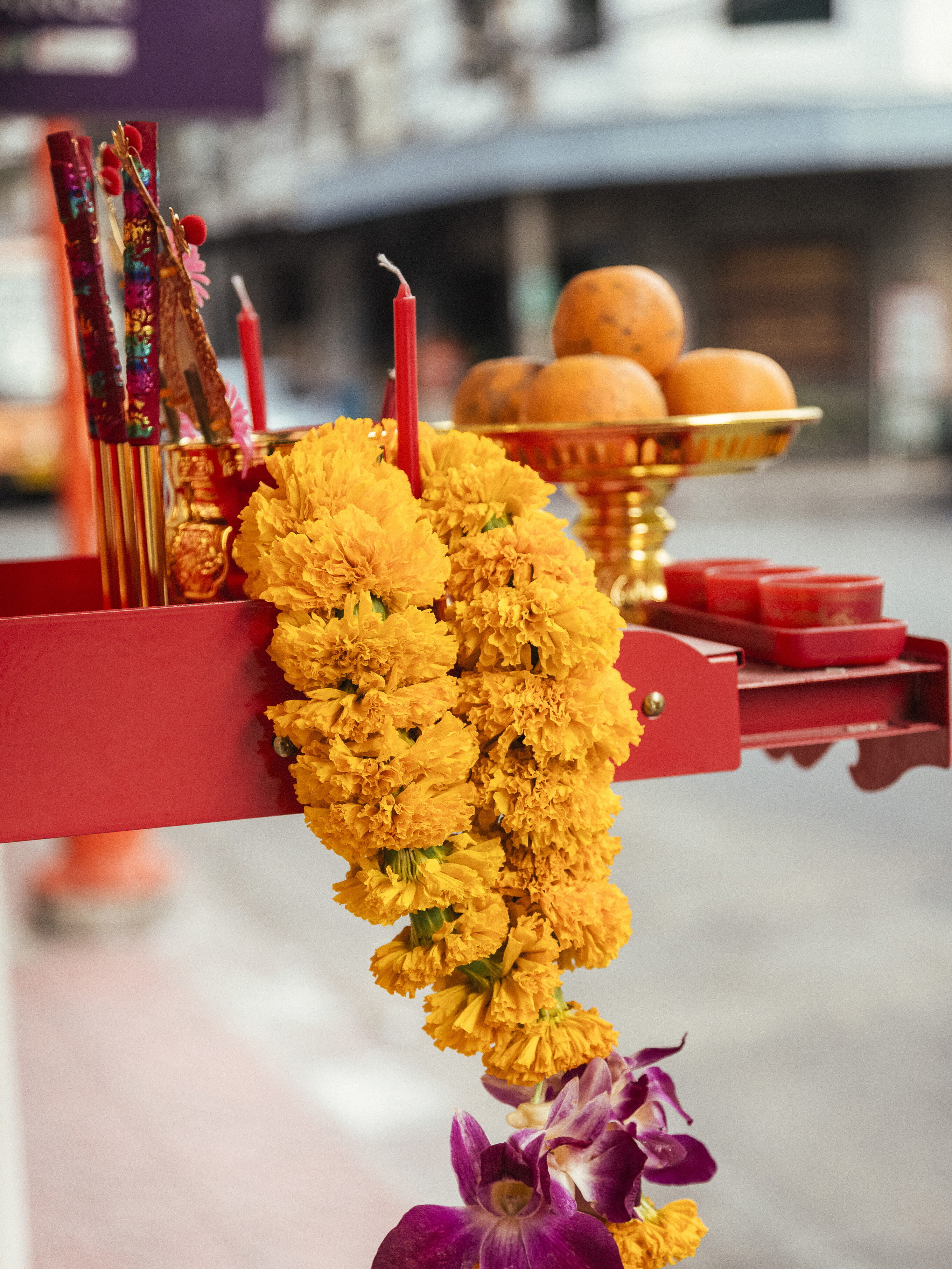
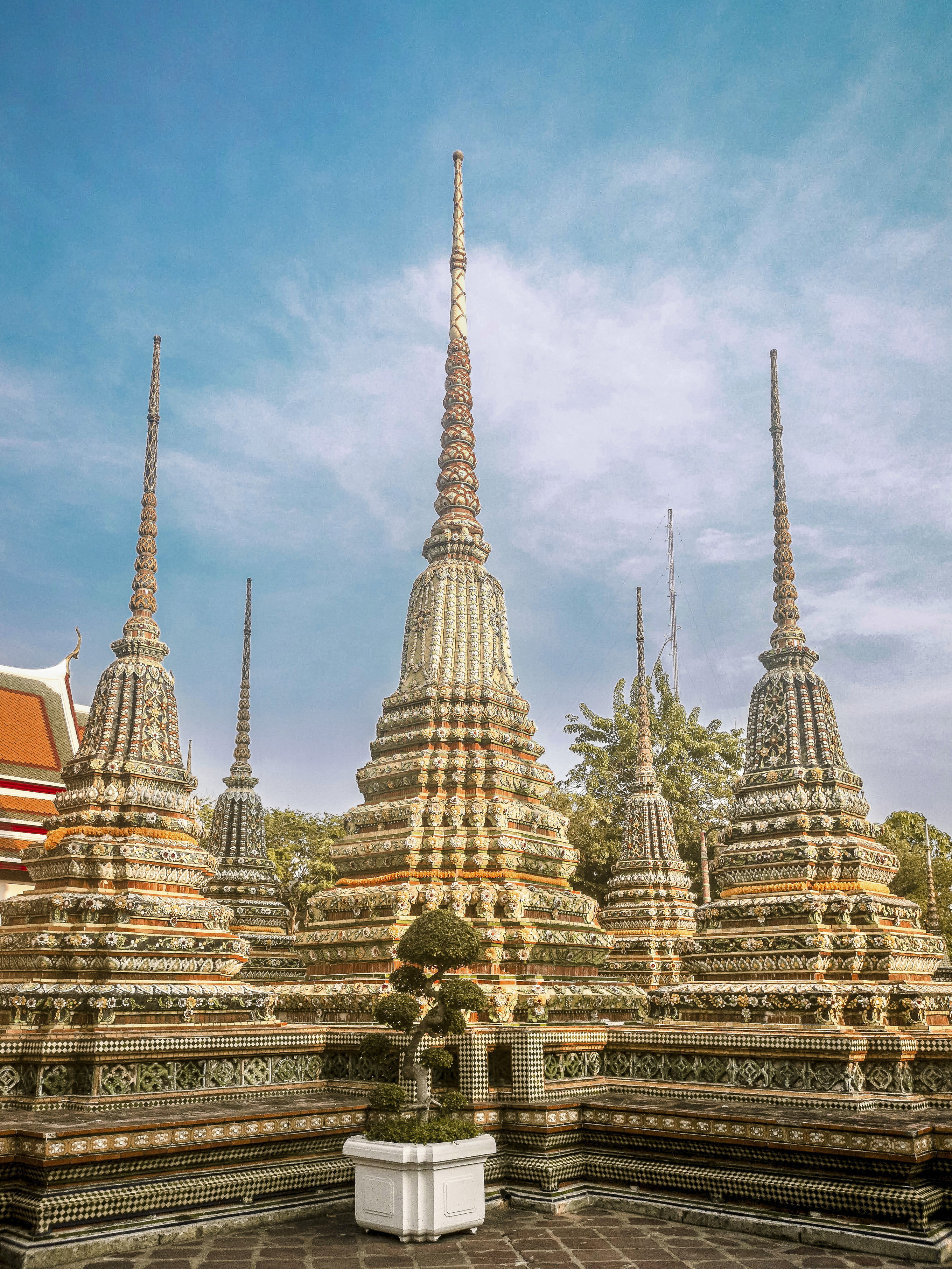
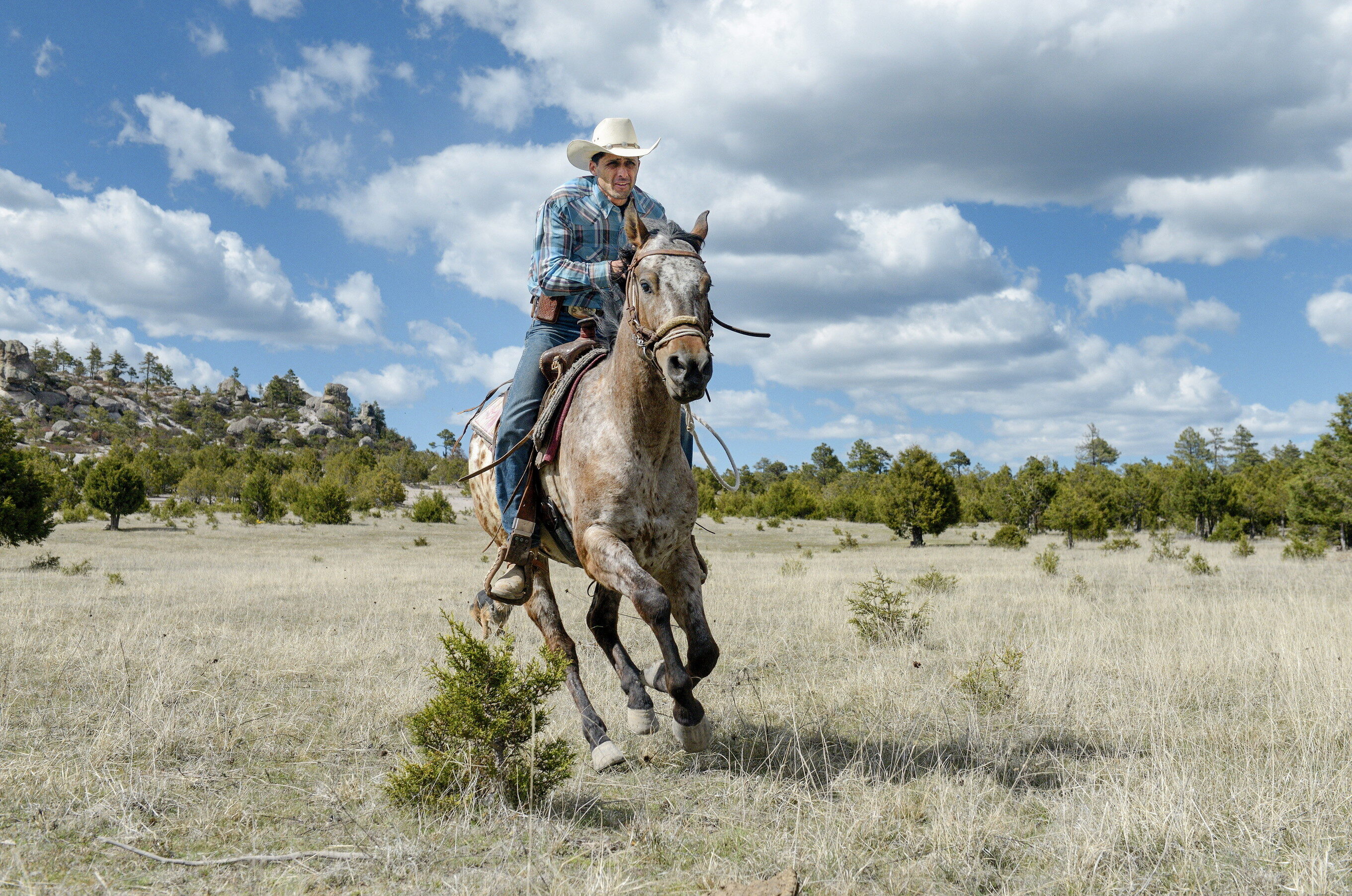
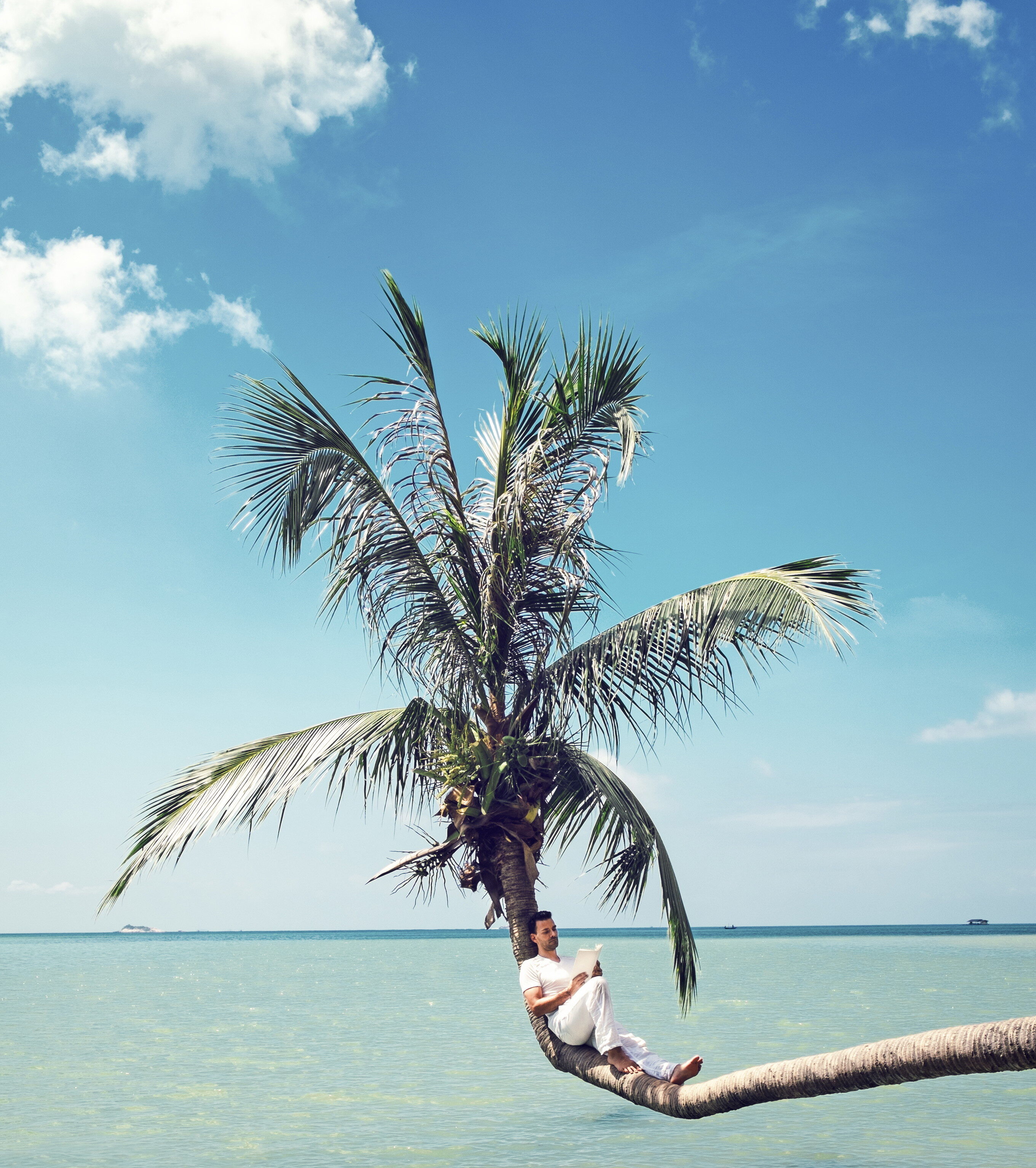
The warmth of Thailand in both senses of the word has been attracting holidaymakers, travelers and civilization-weary dropouts for decades, who enjoy the beauty of the country: the green of the north, the blue of the Andaman Sea, the ruins of ancient royal cities and dramatic limestone cliffs such as in the emerald green bay of Phang Nga. Of course, Thailand is also changing rapidly, and not always gently - new projects such as the Khao Yai Art Forest, opening in February 2025, give hope that the change will remain reasonably harmonious. At the open-air art area near Khao Yai National Park, international artists stage their sculptures and installations in the open landscape. Motto: "Art as therapy".

MEXICO: PURE JOIE DE VIVRE

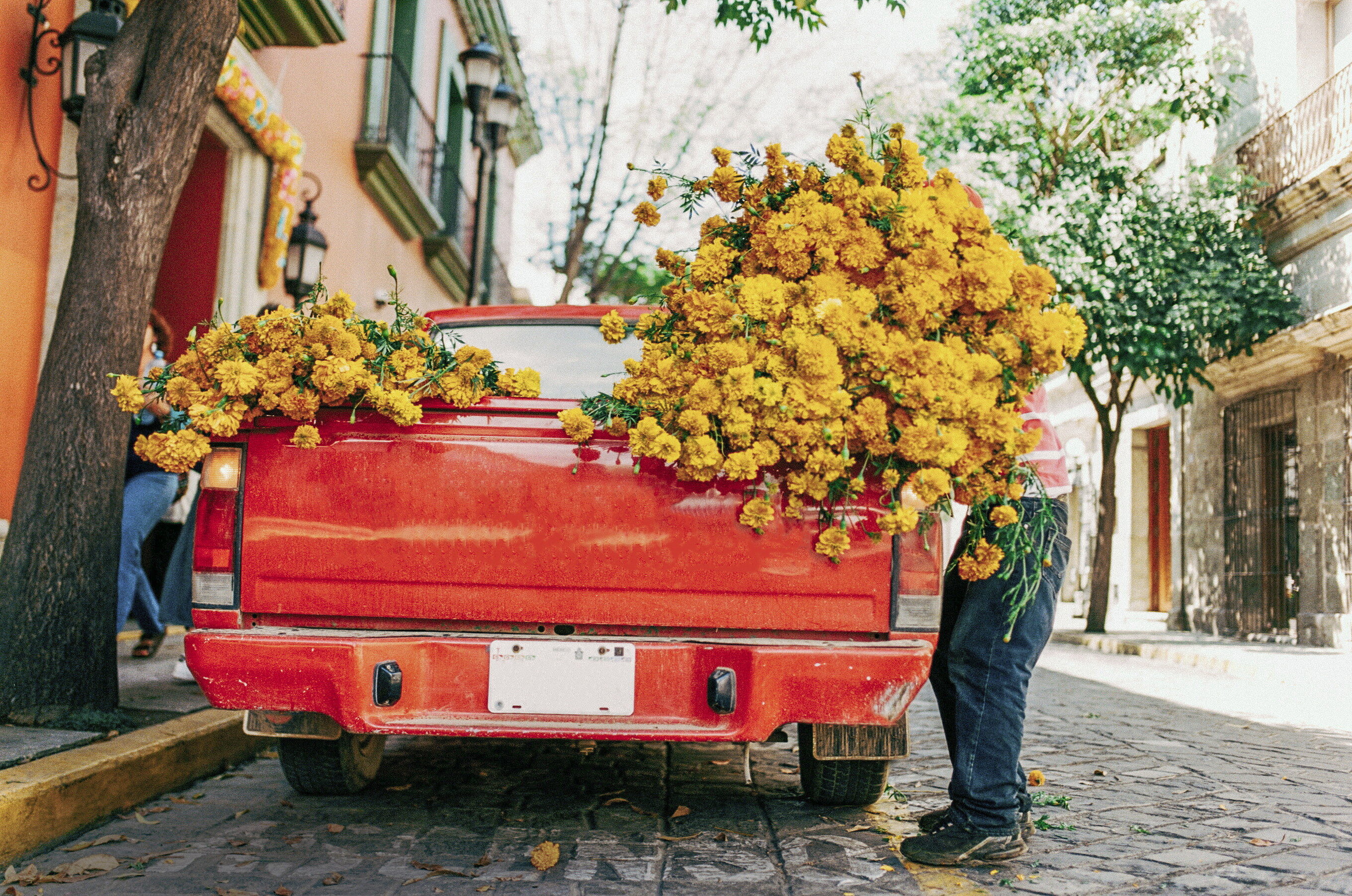
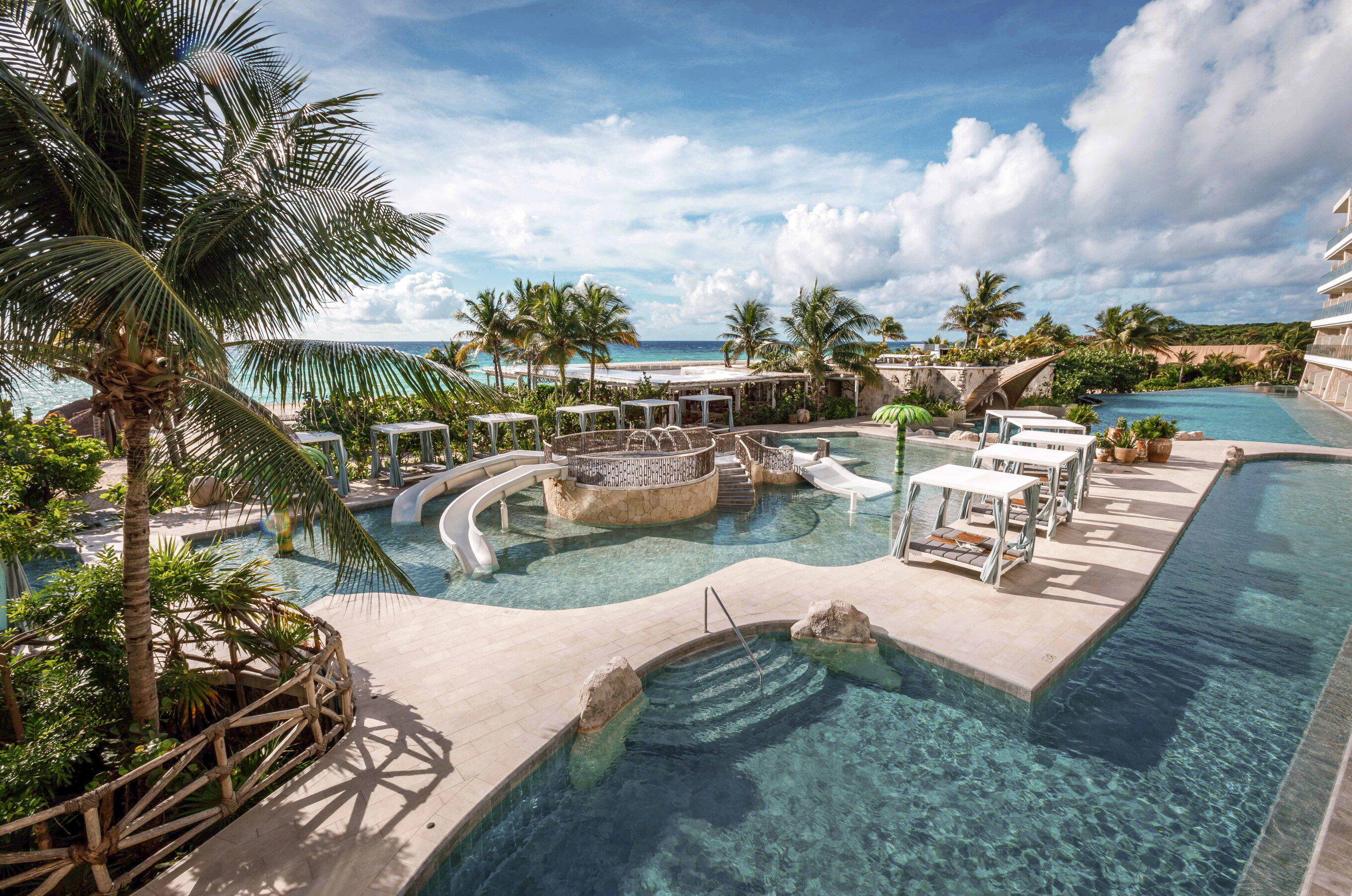
Warmth is expressed here less in thoughtfulness than in energy. Life pulsates exuberantly - in the tourist enclaves between Cancún and Tulum anyway, then authentically in the markets of Oaxaca, the squares of Mérida and in the streets of Guadalajara, where the music of the mariachis can be heard in the evenings. Caribbean vibes, world-famous Mayan ruins such as Chichén Itzá, colonial splendor, natural spectacles such as the cenotes of the Yucatán and a culinary scene with excellent street food - this special combination makes Mexico an incredibly versatile travel destination.

Mexico City is not a juggernaut, but the cultural center of the continent and not for nothing a refuge for remote workers who want to escape the North American cold. In the Roma and Condesa districts, the metropolis often looks like a single urban garden, with restored mansions, Art Deco residential towers and heavy wooden doors leading into galleries, concept stores and cafés with expensive Milanese espresso machines.

MAURITIUS: GREEN VOLCANIC ISLAND

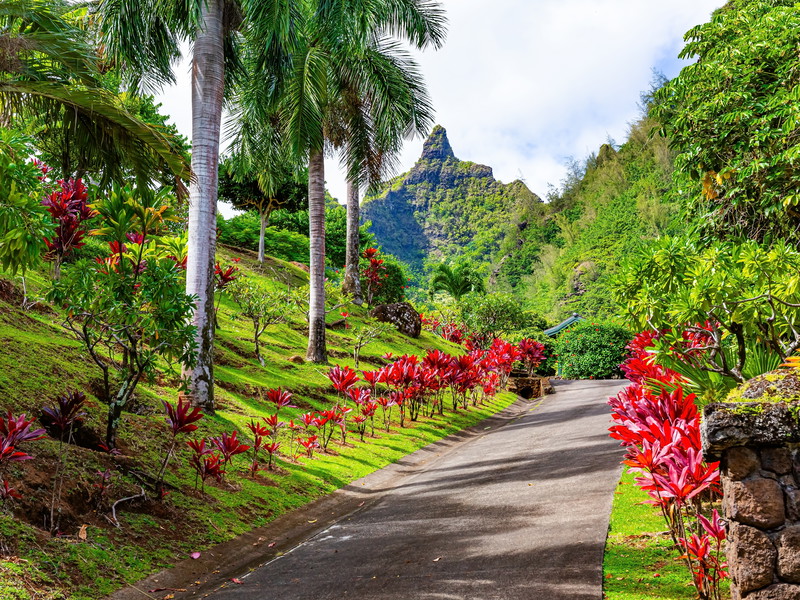
The island of Mauritius in the Indian Ocean strives to preserve its natural beauty. The country wants to be a pioneer in sustainable tourism and become a "green destination" by 2030; this includes nature conservation, the promotion of local communities and the preservation of the culture, which is an interesting melting pot of European, African, Chinese and Indian influences. The abundance of the island and the warmth are mutually dependent: the tropical climate allows everything to grow, proliferate, smell and blossom - creating the vibrancy that characterizes Mauritius. Humid air creeps out of sugar cane fields, bougainvilleas climb over walls, mango trees hang heavy with fruit; and at the south-western tip towers Le Morne Brabant, a steep basalt rock that seems to rise directly from the sea. The island offers a nice mix for varied days: beaches, lagoons, canyons, waterfalls, volcanic craters, colorful markets, water sports and golf.

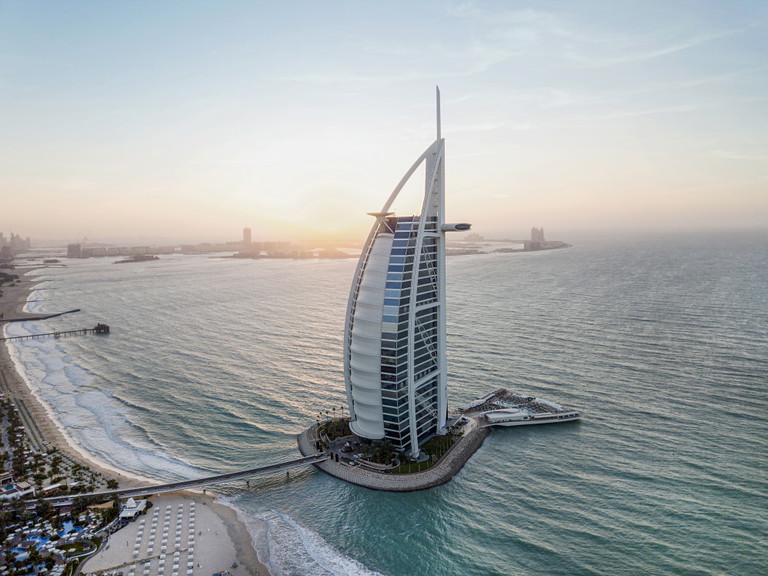
© Burj Al Arab Jumeirah, beigestellt

DUBAI: CITY OF THE FUTURE

Dubai did not grow out of abundance, but out of its opposite: emptiness, lack, desert. Wooden abras still ply the waters of Dubai Creek, a narrow bay that stretches a few kilometers inland and separates Bur Dubai from Deira. The ferries take locals and tourists to the other shore for one dirham, passing moored dhows, the traditional sailing ships of Arab traders who used them to transport fabrics and spices. On the west bank of the Creek lies the Al-Fahidi district: narrow alleyways, galleries, historic wind towers called "Barjeel", a cultural heritage of the city. Right next to it is the textile souk, opposite the gold and spice souk.

On the promenade, cardamom mingles with diesel, men drink sweet tea from paper cups. In the evening, the minarets are reflected in the water, which then looks pitch black. The scenery is vaguely reminiscent of the trading village that Dubai once was - before the oil.

It's hard to imagine - it was the energy that came out of the ground that made this urban madness possible. In just a few decades, Dubai has grown into a global city of steel and glass with iconic buildings and artificial islands: "Burj Al Arab" and Burj Khalifa, Palm Jumeirah, Museum of the Future, Dubai Mall, Dubai Frame. In Expo City, on the site of the World Expo, a new district is still being developed. The city sees itself as a laboratory of the future. Dubai has not endured the hot climate, but conquered it - heat here is energy brought into form.

MALDIVES: MANTA RAYS AND CORALS

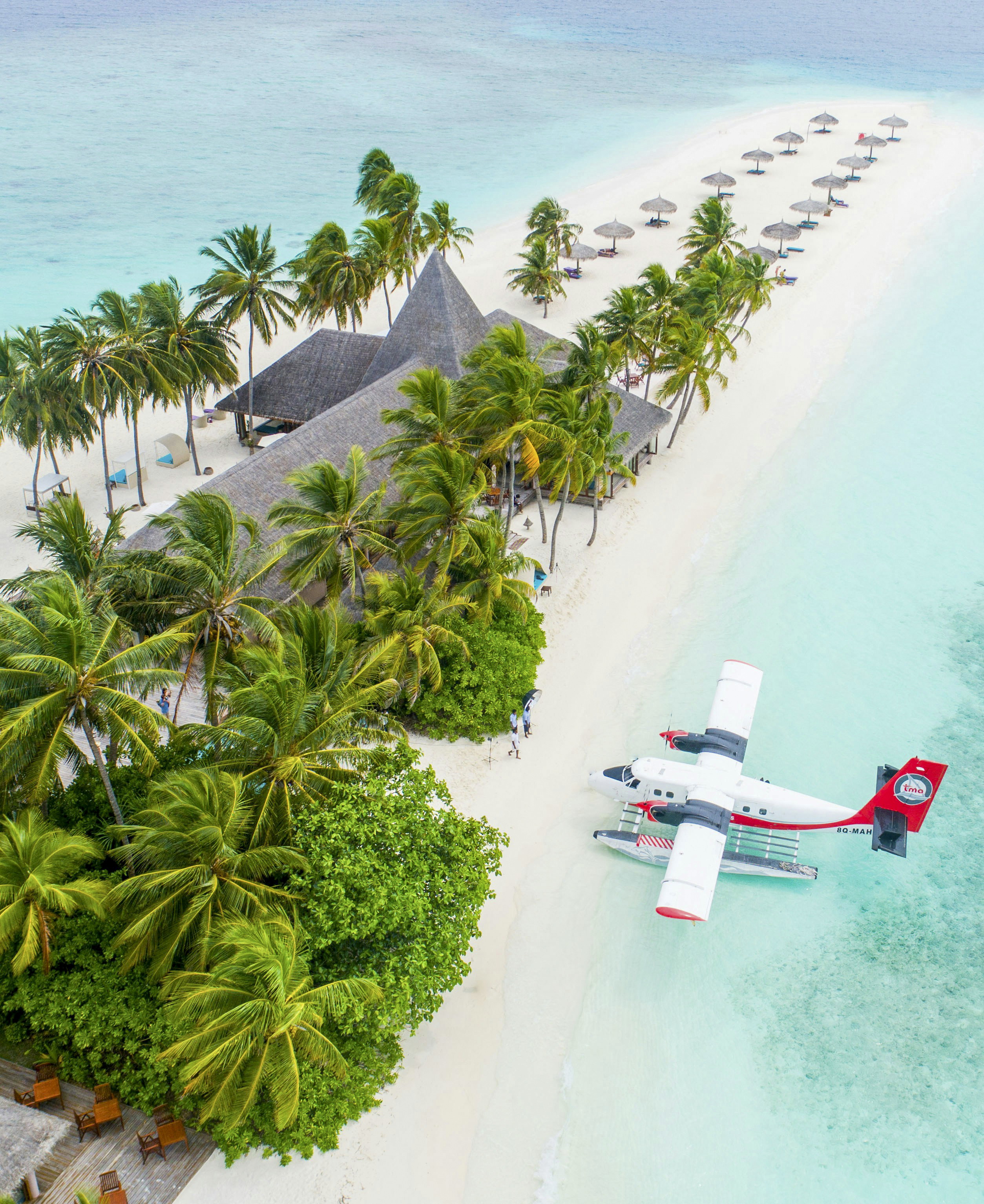
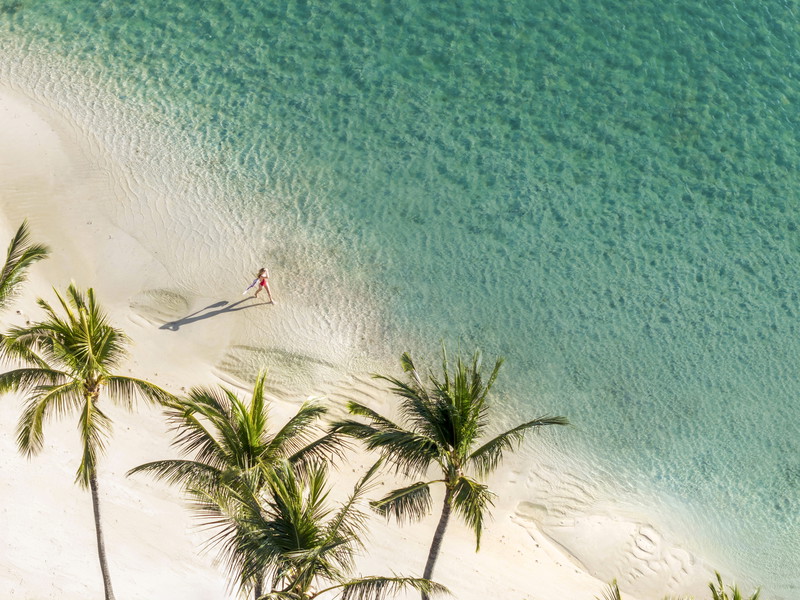
If you don't want to counter the monotonous winter with a sensory overload, a break in the Indian Ocean is the right choice. The atolls of the Maldives correspond pretty much exactly to the ideal of a tropical postcard idyll; the islands are all about tranquillity and retreat in an exclusive ambience. The feeling of warmth is created here by the light that colors the scenery: the lagoons and the sea from turquoise to aquamarine to cobalt blue, the sand almost white under the high sun, lush green palm trees and sunsets in orange and salmon pink.

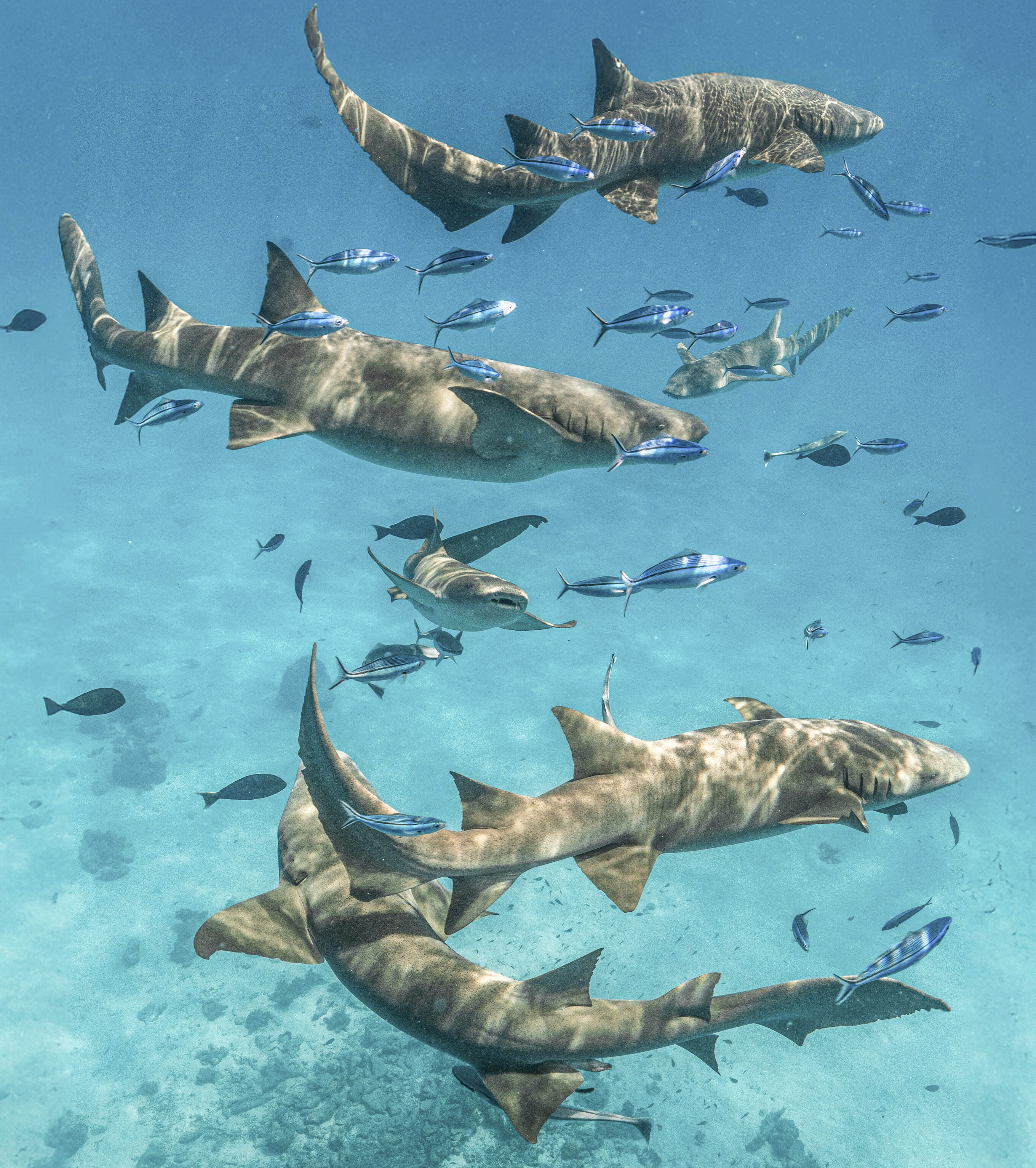
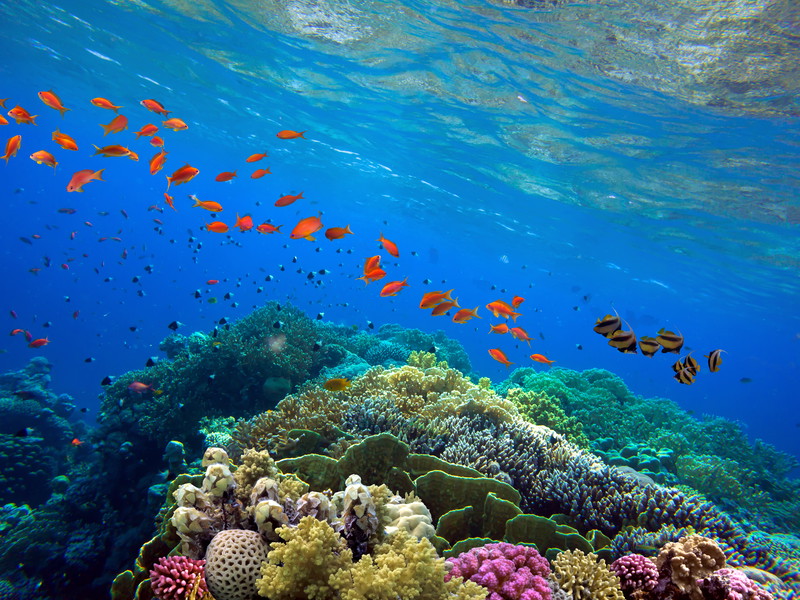
The colorfulness continues underwater, although coral bleaching has already led to a considerable loss, due to rising sea temperatures. But the species-rich underwater world is still fascinating - in the South Ari Atoll divers glide down to whale sharks, elsewhere manta rays drift through the water. Picnics are held on sandbanks - nothing but a table in the wind and the smell of salt and coconut in your nose. If you want, you can take a boat out until the reef beneath you merges into the midnight-blue depths of the ocean.


Philipp Laage
Author
Find out more
1 / 12