Skip to content

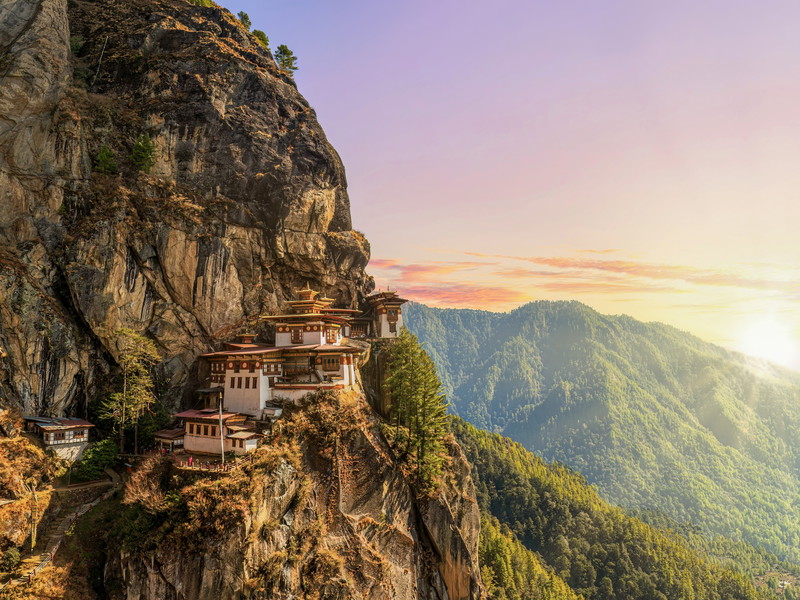
Paro Taktsang Monastery

Paro Taktsang Monastery
© Shutterstock

Power Place: Bhutan, the kingdom of mindfulness

Fernreisen
Asien
Culture

A true place of power in the midst of imposing mountain landscapes. In Bhutan, rituals and silence structure life - and the state measures prosperity not only in economic terms, but also in terms of the happiness of its people.

We have always been fascinated by the monuments of great cultures. Sacred sites of past civilizations carry a tangible power - like an echo from history that still resonates today. Bhutan, the kingdom of mindfulness, is one such place: mysterious, spiritual and full of living tradition.

Every step is breath and rhythm; spectacularly built against a vertical rock face, you reach the famous Paro Taktsang monastery, better known as Tiger's Nest, in a climb lasting several hours. Surrounded by rugged Himalayan peaks, dense forests and deeply carved valleys, the monastery seems to float above the Paro Valley. The path is part of the experience. Conscious deceleration is not only part of Bhutan's basic philosophy, but is also a government goal and guiding principle. Prayer wheels turn in the wind, monks murmur mantras.

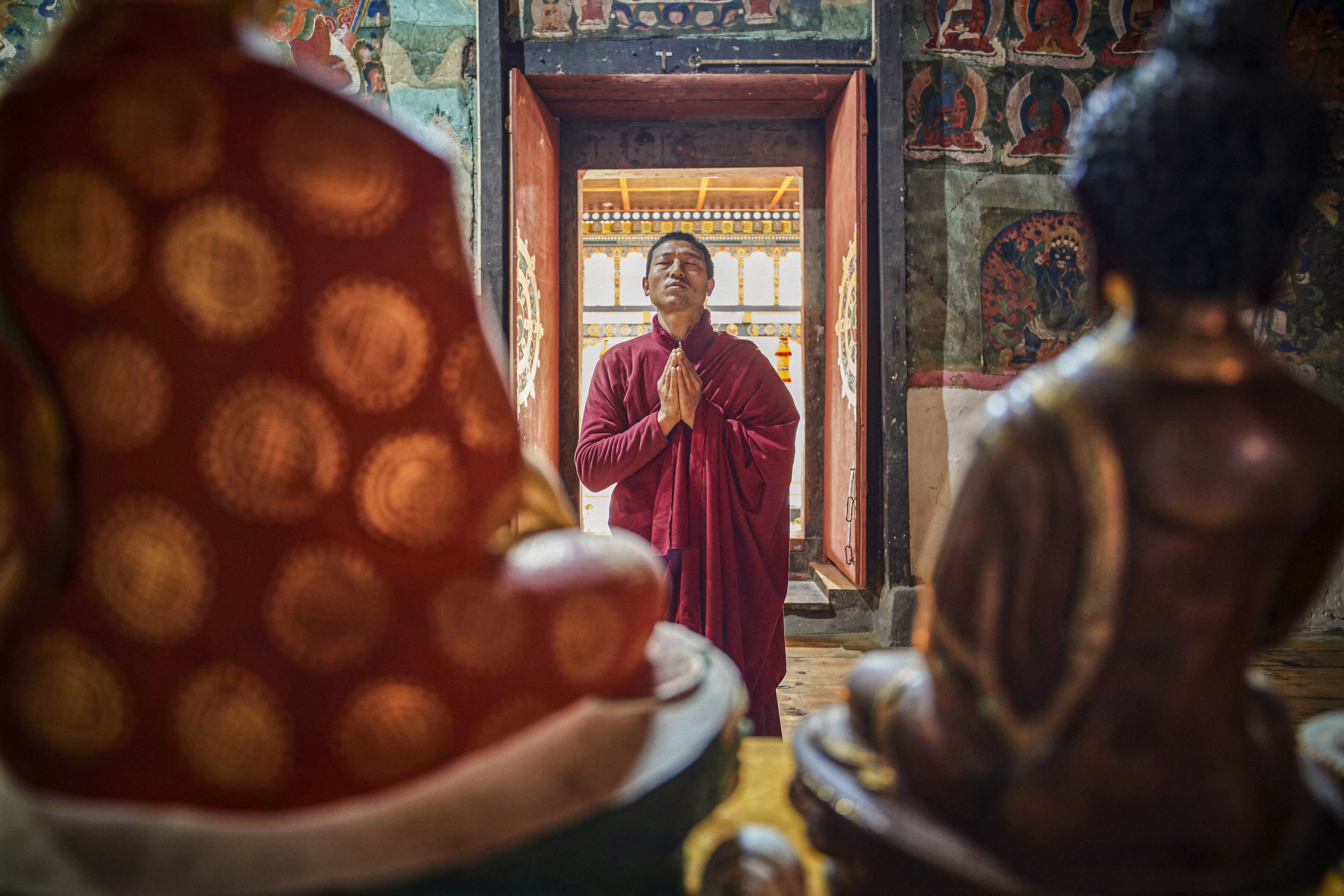
In Bhutan, spirituality is part of everyday life

Tantric Buddhism shapes architecture, landscape and social life in equal measure. It is no coincidence that Bhutan has preserved this form of mindfulness. For decades, the country has relied on the concept of Gross National Happiness, which places spiritual well-being, cultural identity and the protection of nature above economic growth.

Temples, dzongs and monasteries are not just religious buildings, but places of power that create identity and whose preservation is protected by the state. Deceleration is not a trend here, but a political goal.

On hidden paths

Away from the icons, Bhutan's spiritual depth is revealed in quieter places. Like Paro Taktsang, Thujidrag is located high up at around 3,900 meters above sea level, built against a rock face. However, things are much quieter here than in the popular Tiger's Nest. Those who take on the climb can stay overnight in the guest house and experience the monks' everyday life up close. In Kurjey Lhakhang in the Bumthang Valley, one of the most sacred but less visited temples in the country, Guru Rinpoche is said to have meditated in a cave in the 8th century, leaving an imprint of his body in the rock. The name literally means "body print". Many visitors report an atmosphere of deep inner concentration and healing that defies rational explanation.

Spiritual pilgrimage sites

The area of Singye Dzong in eastern Bhutan is considered particularly mysterious. It comprises eight rock fortresses and numerous meditation caves, which extend over several altitude levels up to over 4,600 meters. The place, which can only be reached via a trek lasting several days, is one of the most important spiritual pilgrimage sites in the country, where the boundary between the physical and spiritual worlds is particularly permeable.

© Amankora
Best of Hotels
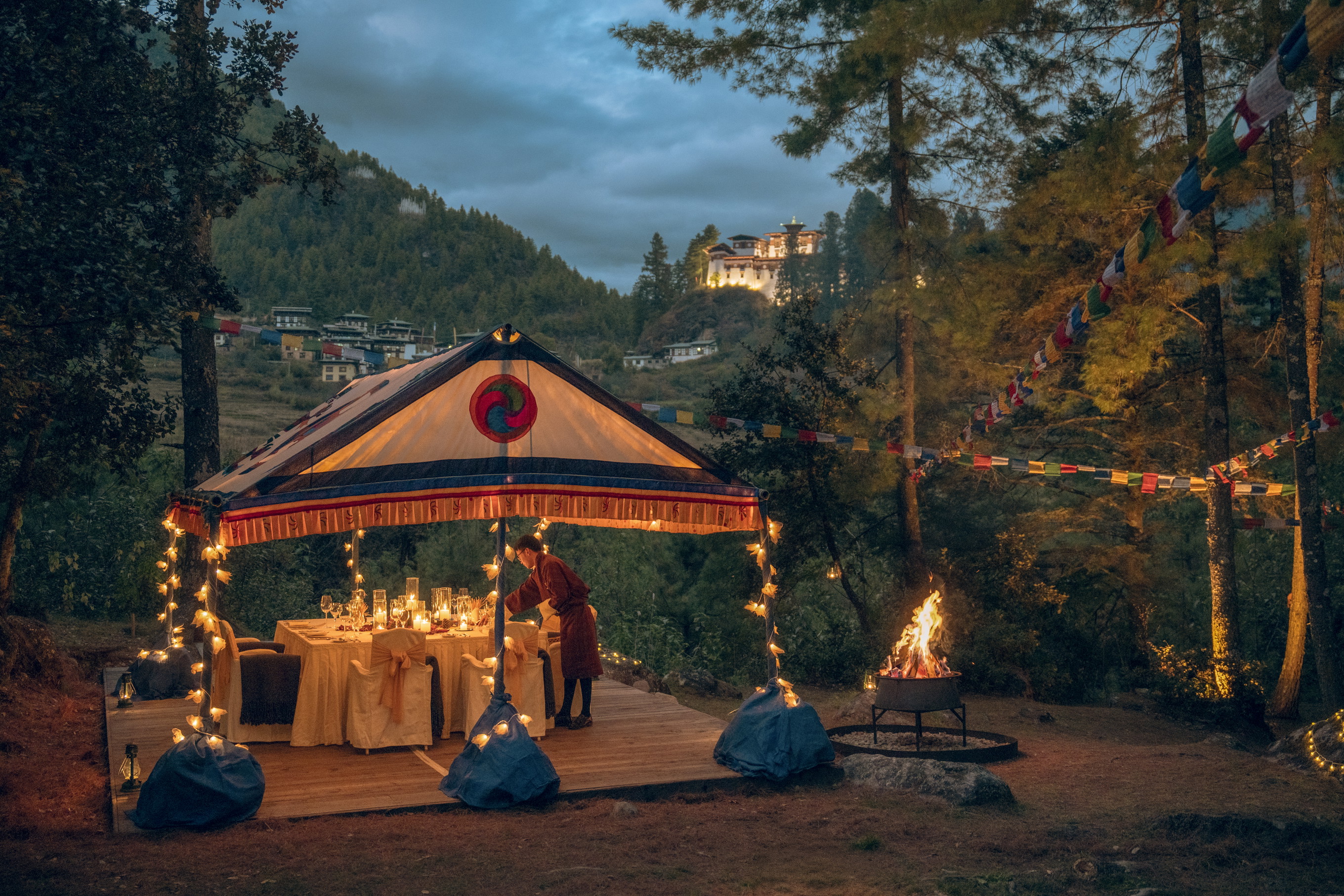
andBeyond Punakha River Lodge Punakha Valley luxury between the river and rice terraces: stylish tents and villas, fine cuisine and pure nature. andbeyond.com
Taj Tashi, Thimphu Bhutan's first genuine five-star hotel is centrally located in the capital - traditional architecture meets international comfort here. tajhotels.com
Bhutan Spirit Sanctuary Paro Stylish boutique wellness retreat in the Neyphu Valley: the perfect retreat for body and mind with yoga, spa and soothing tranquillity. bhutanspiritsanctuary.com
Willing Resort, Trongsa Living with spectacular views: architecturally exceptional suites with views of the Trongsa Dzong and the Mangdi River in the spiritual east of Bhutan. willingbhutan.com
Best of Restaurants
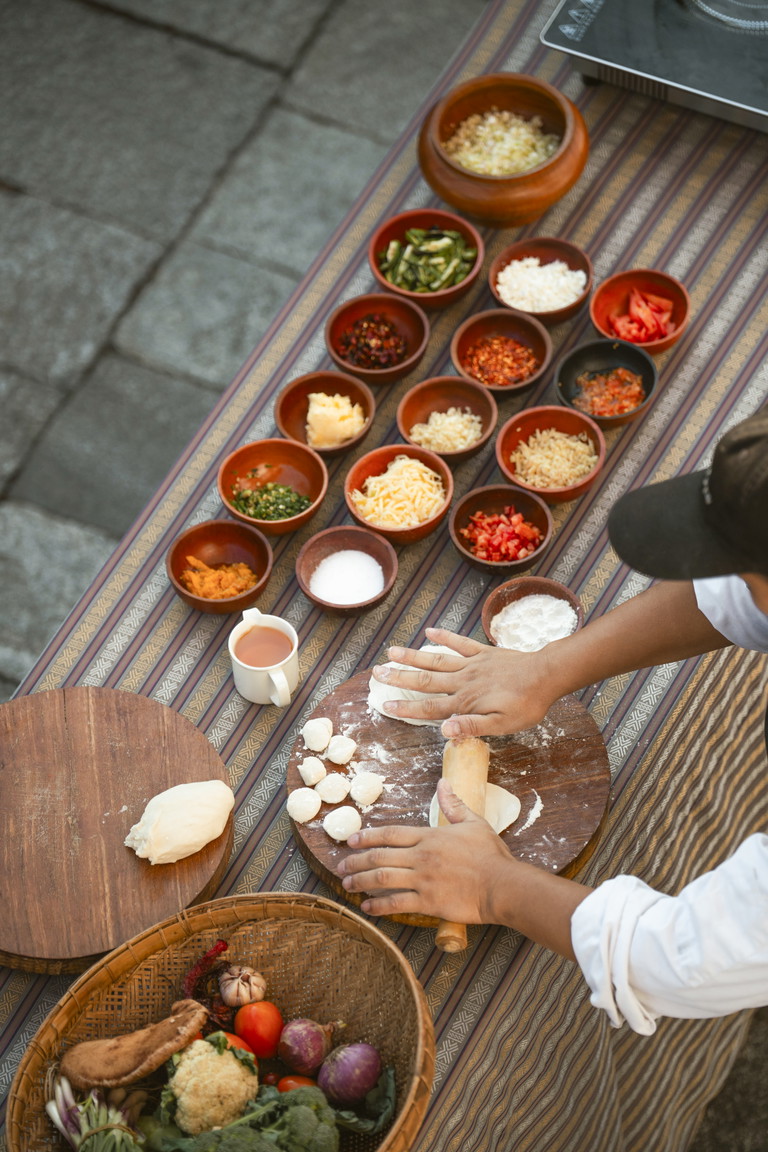
Bukhari at COMO Uma, Paro The address for fine dining in Bhutan; while traditional cuisine is all about simplicity, the Bukhari sets surprising culinary accents. comohotels.com

Claudia Hilmbauer
Author
Anja Woertge
Author
Find out more
1 / 12