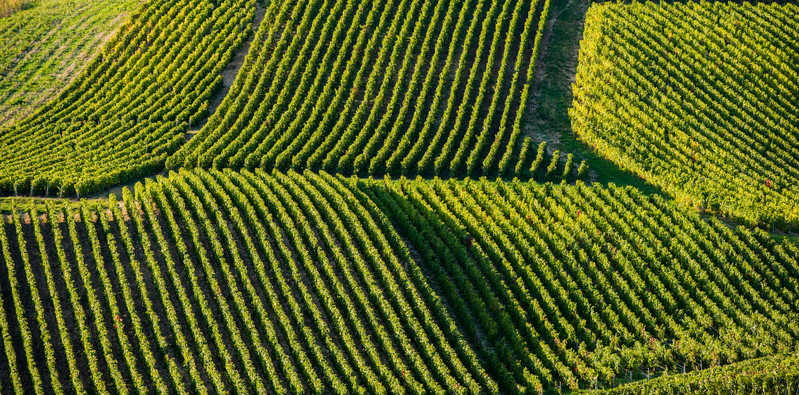
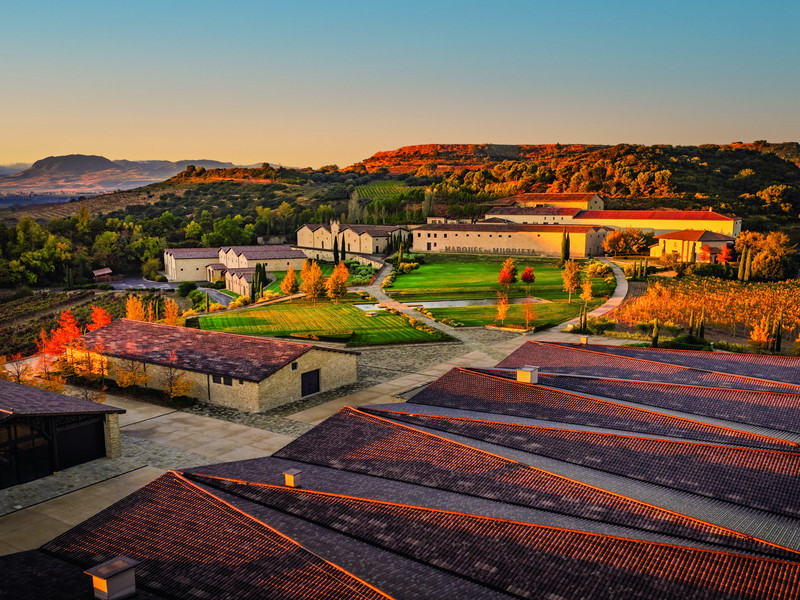
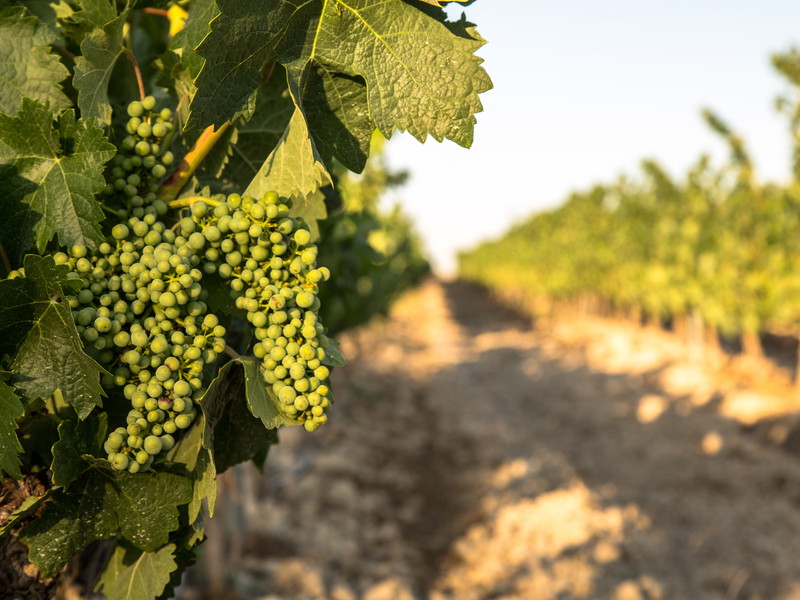
The Altesse is one of the most important, perhaps even the most important, white wine variety in the Savoy region in eastern France. It is also one of the long-established varieties, as it was mentioned as early as 1774. At that time it was believed that it had been imported from Cyprus to Savoy by a prince. This is also suggested by the name, which means something like “highly located” or “height”. In fact, research has shown that it is an indigenous grape variety to the Savoy region. The Altesse ripens medium to late and develops a reddish color in the berry skins when fully ripe. This has also earned it the synonym Rousette in the region. It is susceptible to both powdery mildew and downy mildew as well as putrefactive diseases such as black rot or sour rot. In the Savoy region, the grape variety is often still trained in the traditional bush wine manner, but in newly planted vineyards it is trained as a single-branched cordon or in Guyot. The Altesse is often made as a pure variety and also develops good potential for further maturation in the bottle. But it is also often blended with varieties such as Chardonnay, Jacquère or the Aligoté variety known from Burgundy. In a cuvée with Chasselas and Molette, sparkling wine from the Altesse is also produced in the Syssel region. Just under 400 hectares are under vines in Savoy, and there are also a few hectares in Var and Vaucluse in southern France and Switzerland.
This grape variety is also known by the name of:
Arin, Fusette, Altesse Verte, Altesse Blanche, Fusette d'Amberieu, Fusette de Montagnieu, Petit Maconnais, Ignam, Ignan Blanc, Prin Blanc, Roussette, Roussette de Montagnieu, Roussette Basse, Roussette Grosse, Roussette Haute, Roussette Petite, Serene Blanche, Rousette Haute