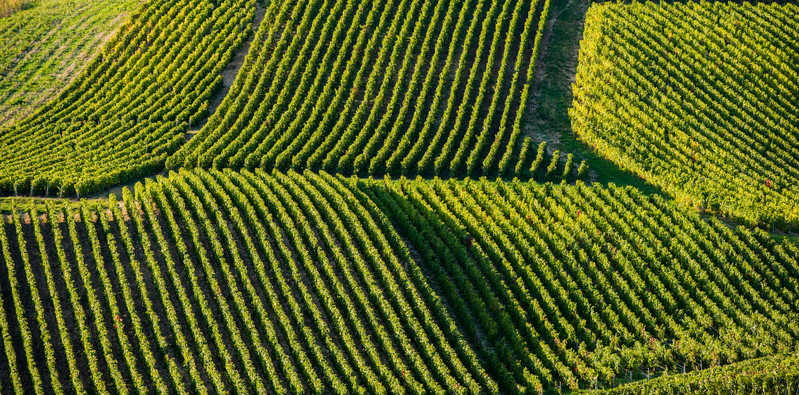
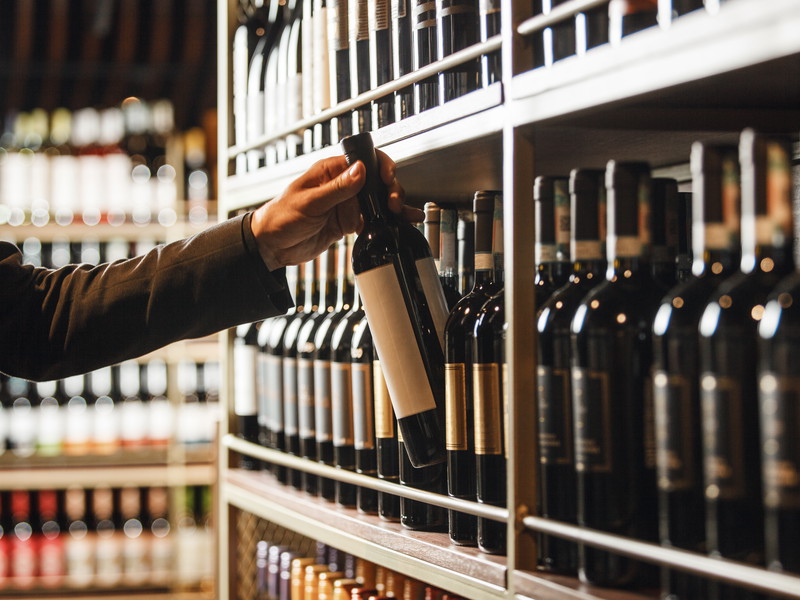
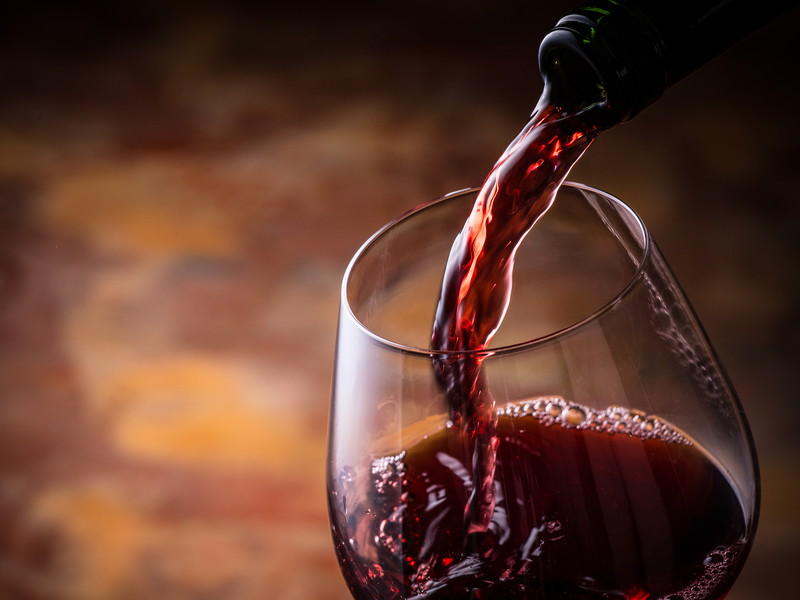
Ruby Cabernet is one of the few crosses outside of Europe that has endured. In 1936 at the University of St. Davis in California, the parents were Carignan and of course Cabernet Sauvignon itself. It is quite resistant, especially against rot, and also tolerates the Californian heat inland very well. The late-sprouting and also rather late-ripening variety is fertile, productive and therefore tends to produce high yields, which should therefore be rigorously controlled. The name alludes to the deep ruby red color of the wine, which is rather simple and rustic and therefore hardly matches the qualities of a Cabernet Sauvignon. The harvest from the approximately 2,500 hectares of vineyards in California is bottled to make inexpensive, pure red wines, but is often blended with simple Cabernet Sauvignon to make simple branded wines. South Africa also has almost the same amount of vineyards, where Ruby Cabernet is usually processed into bulk wine. A good 1,000 hectares are also available in the Australian Riverlands, where it is also used in the blend for inexpensive branded wines.
This grape variety is also known by the name of:
Rubi kaberne, Roubi cabernet