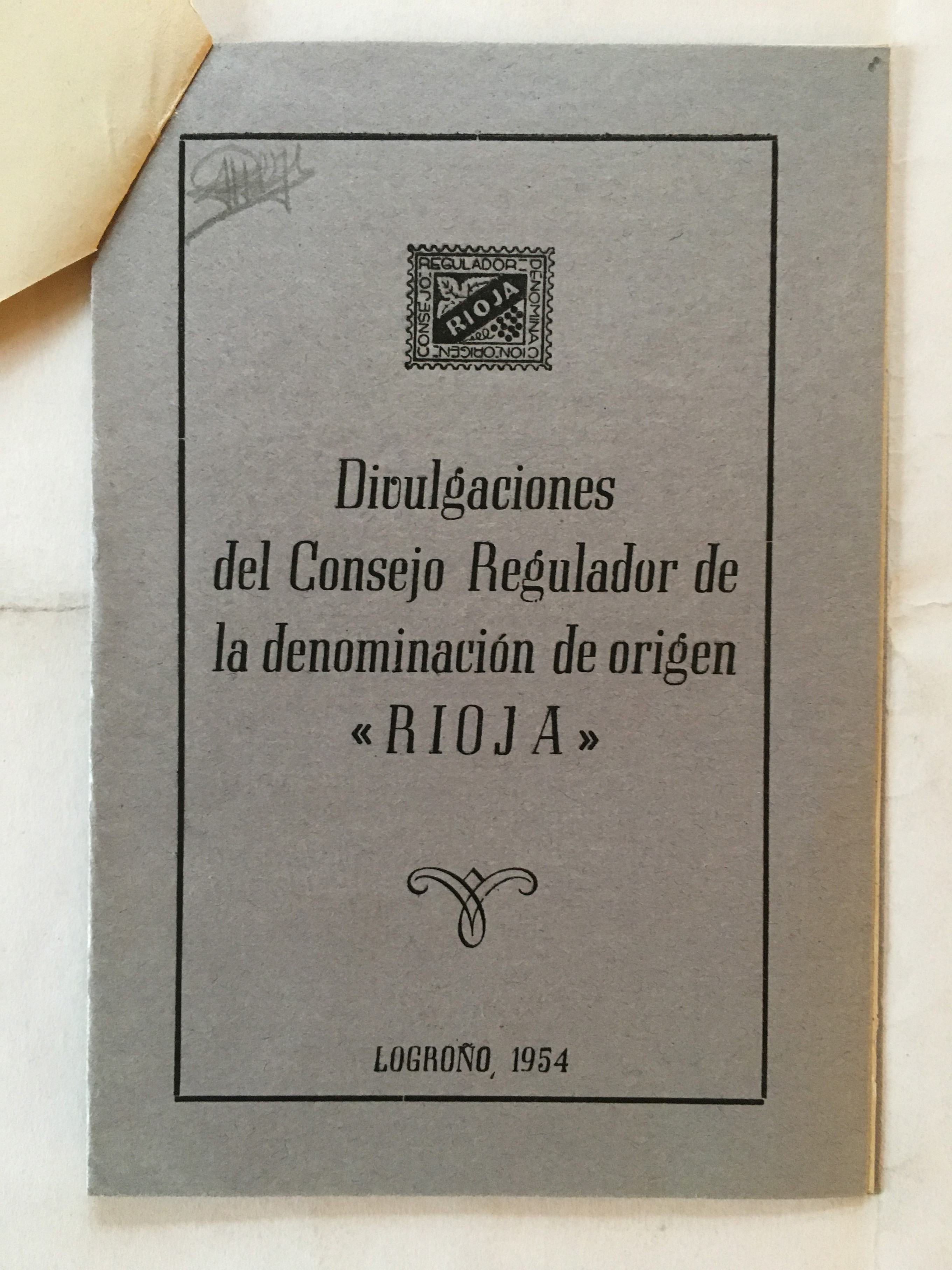
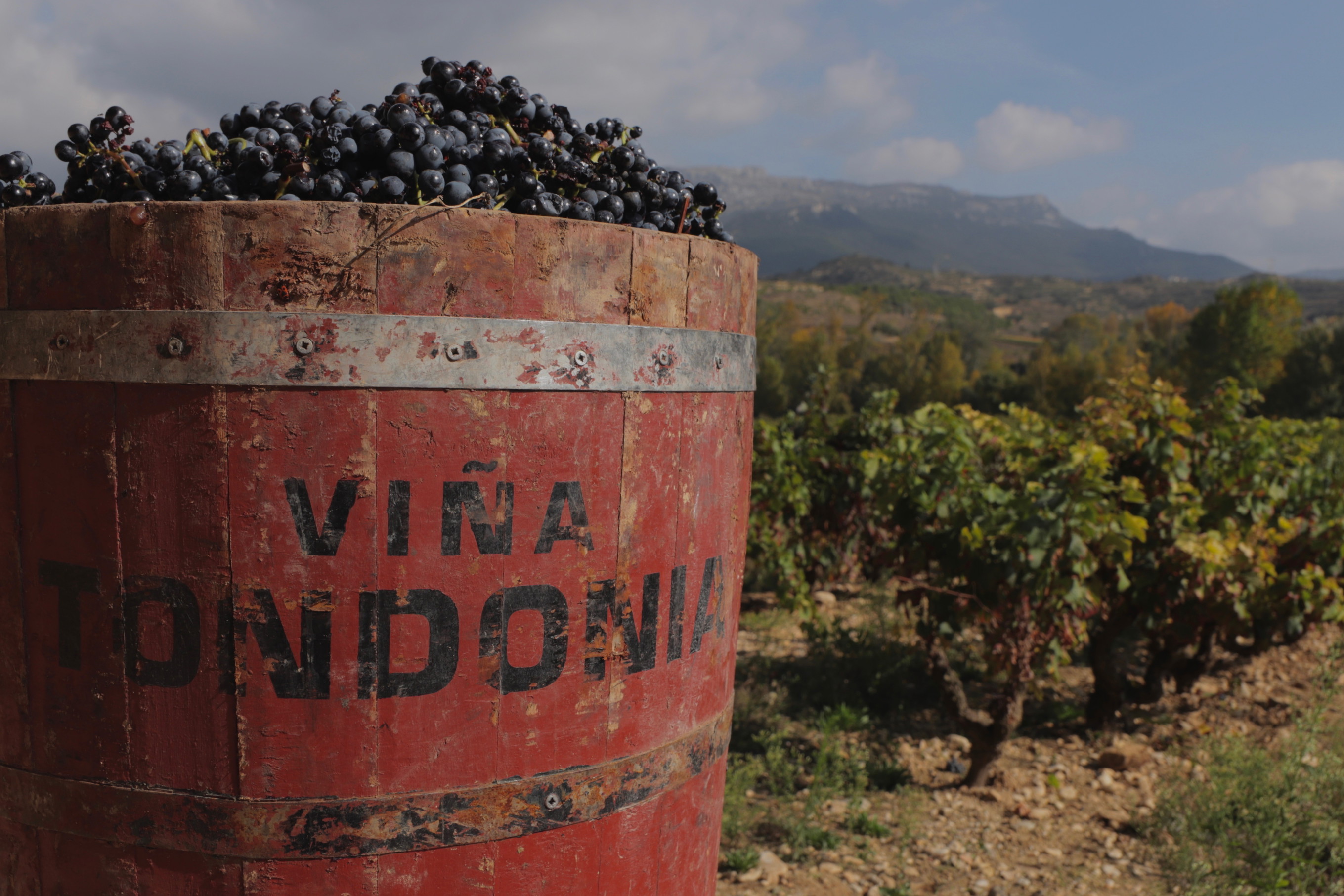
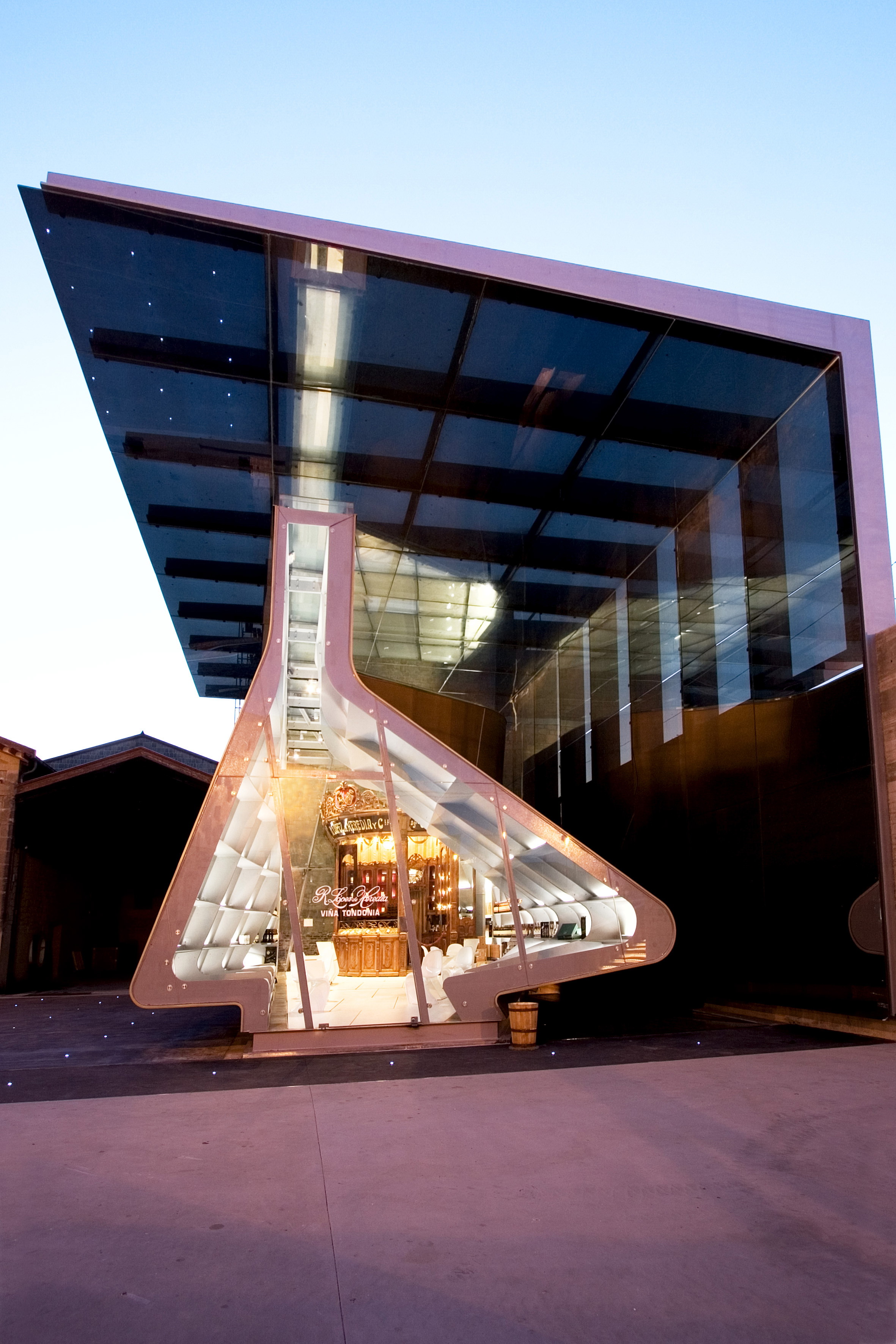
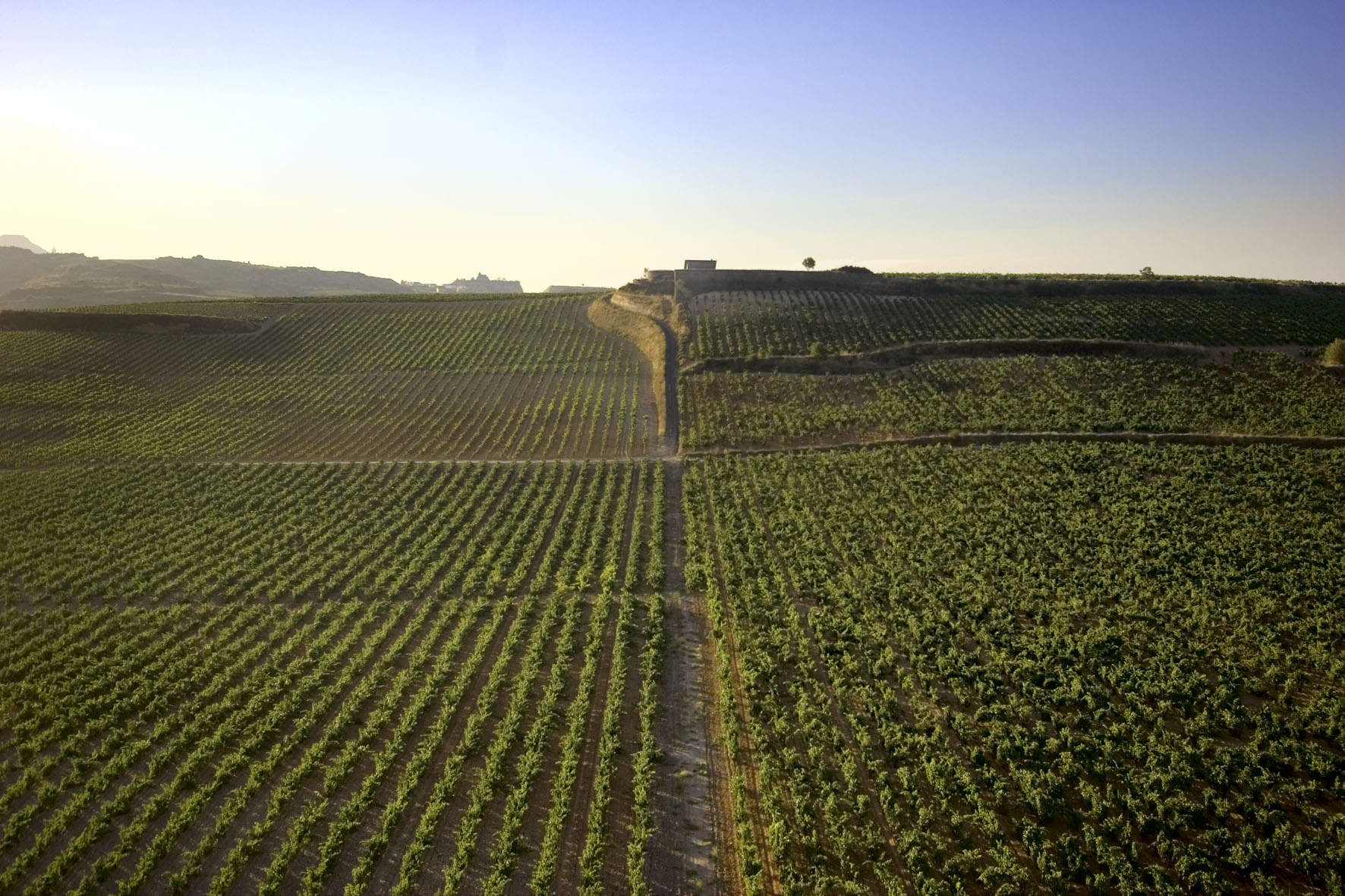
Up in the northwest corner of the Iberian peninsula, Rioja is Spain's most famous and renowned wine-growing region, home to the nations most elegant wines. In 2025, the Rioja DOCa is celebrating a hundred years under its own protected designation of origin: Denominación de Origen Calificada – or DOCa for short. In the Ebro Valley, around 14,000 vintners working 66,797 hectares of vineyards for 600 wineries produce wines of exceptional quality under this label.
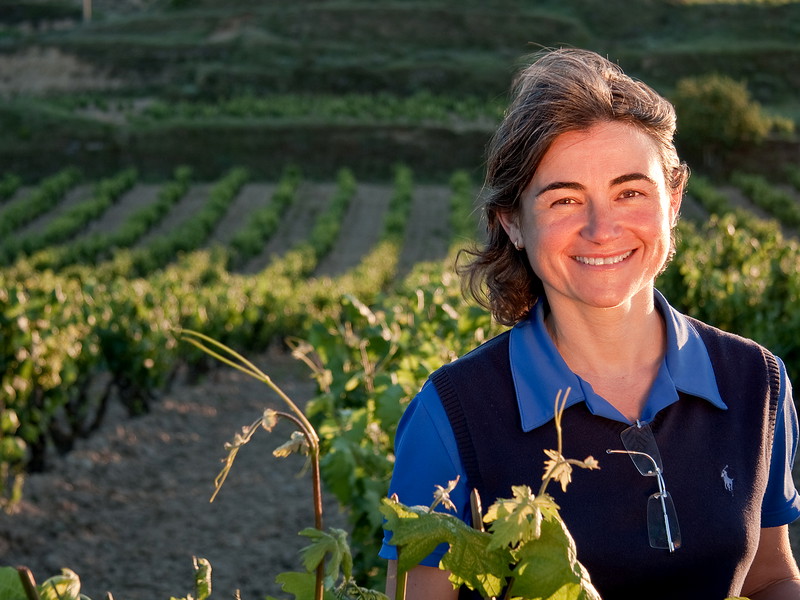
Falstaff: María José López de Heredia, what does the DOCa anniversary mean for you personally and for the legendary winery Viña Tondonia?
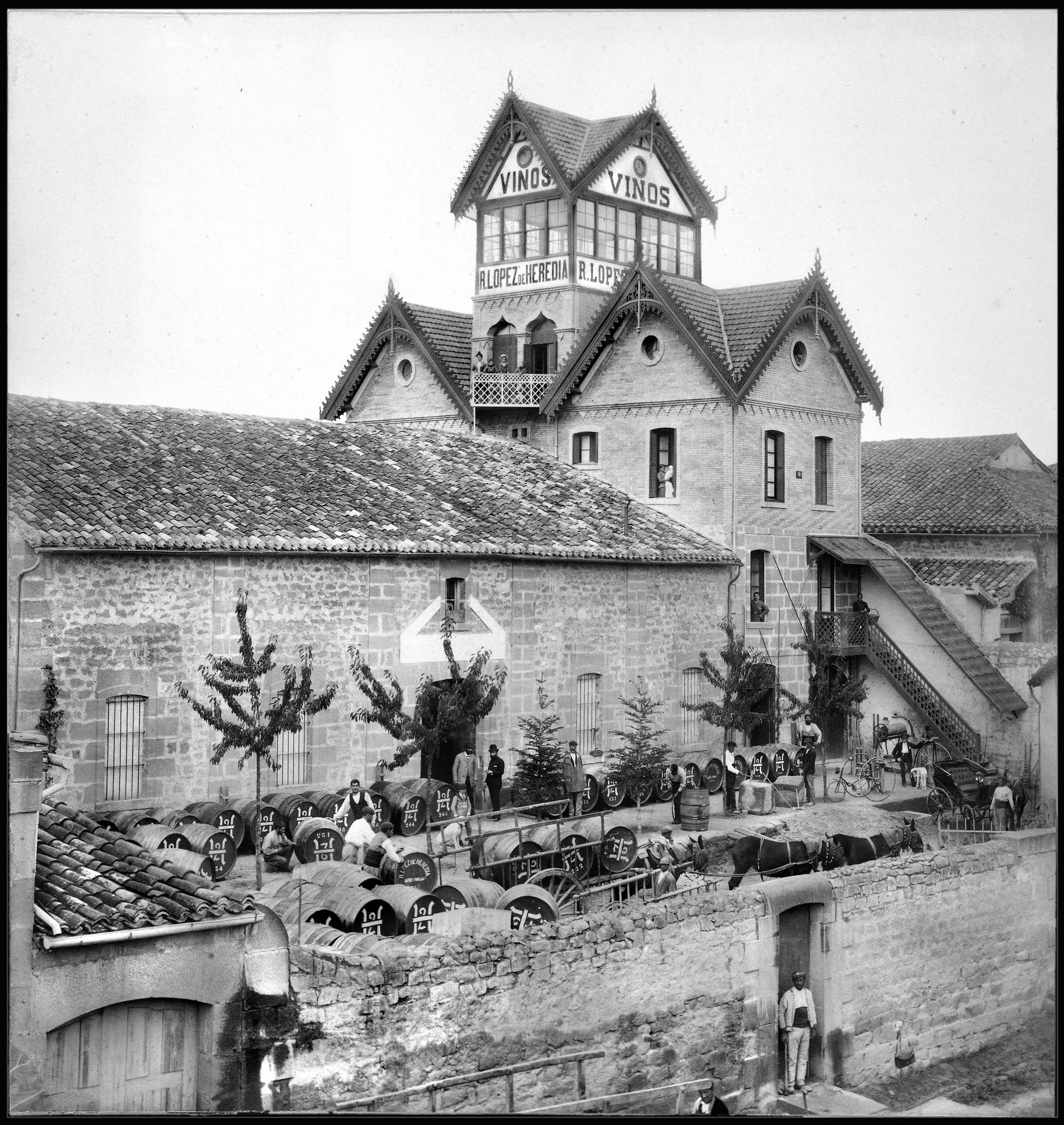
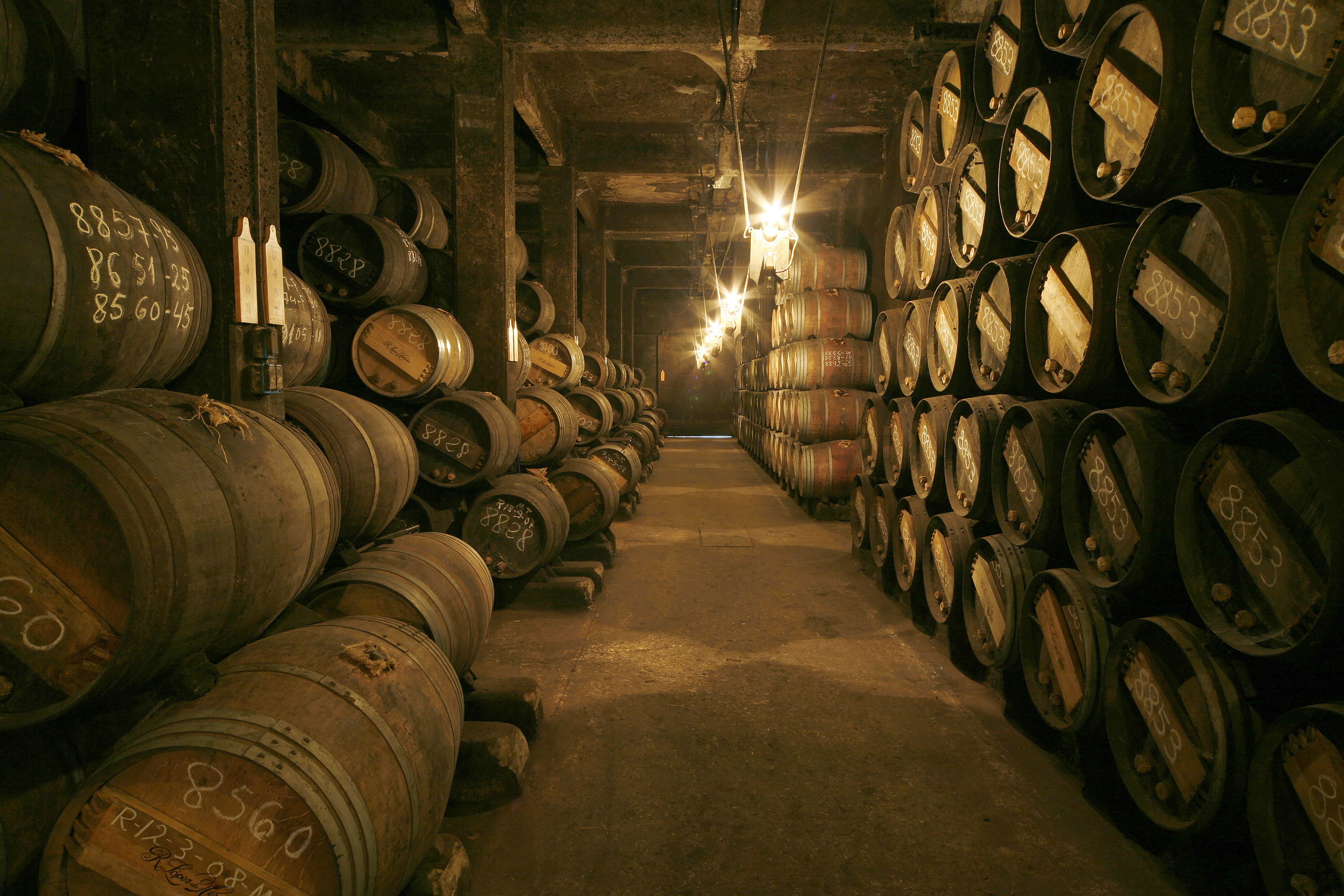
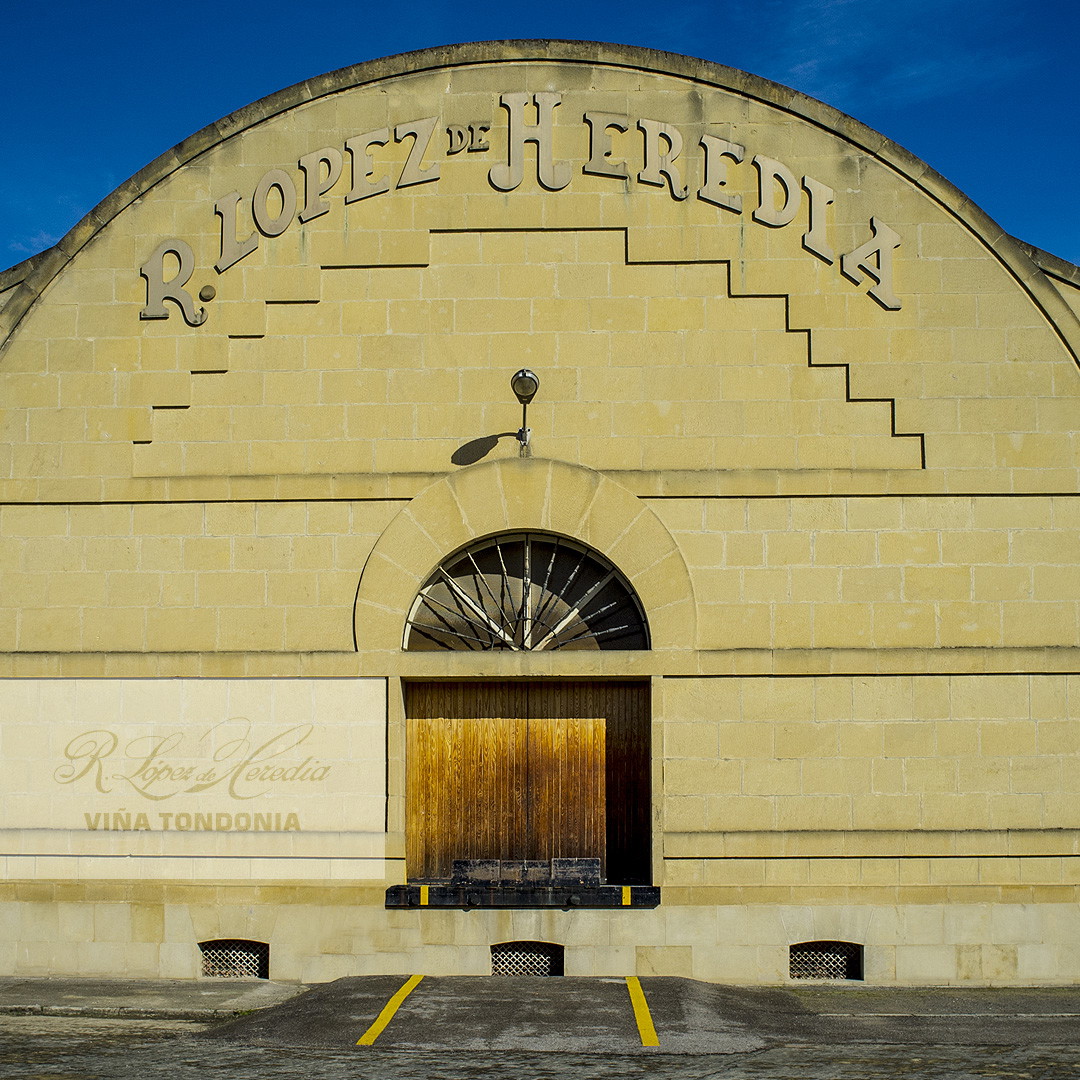
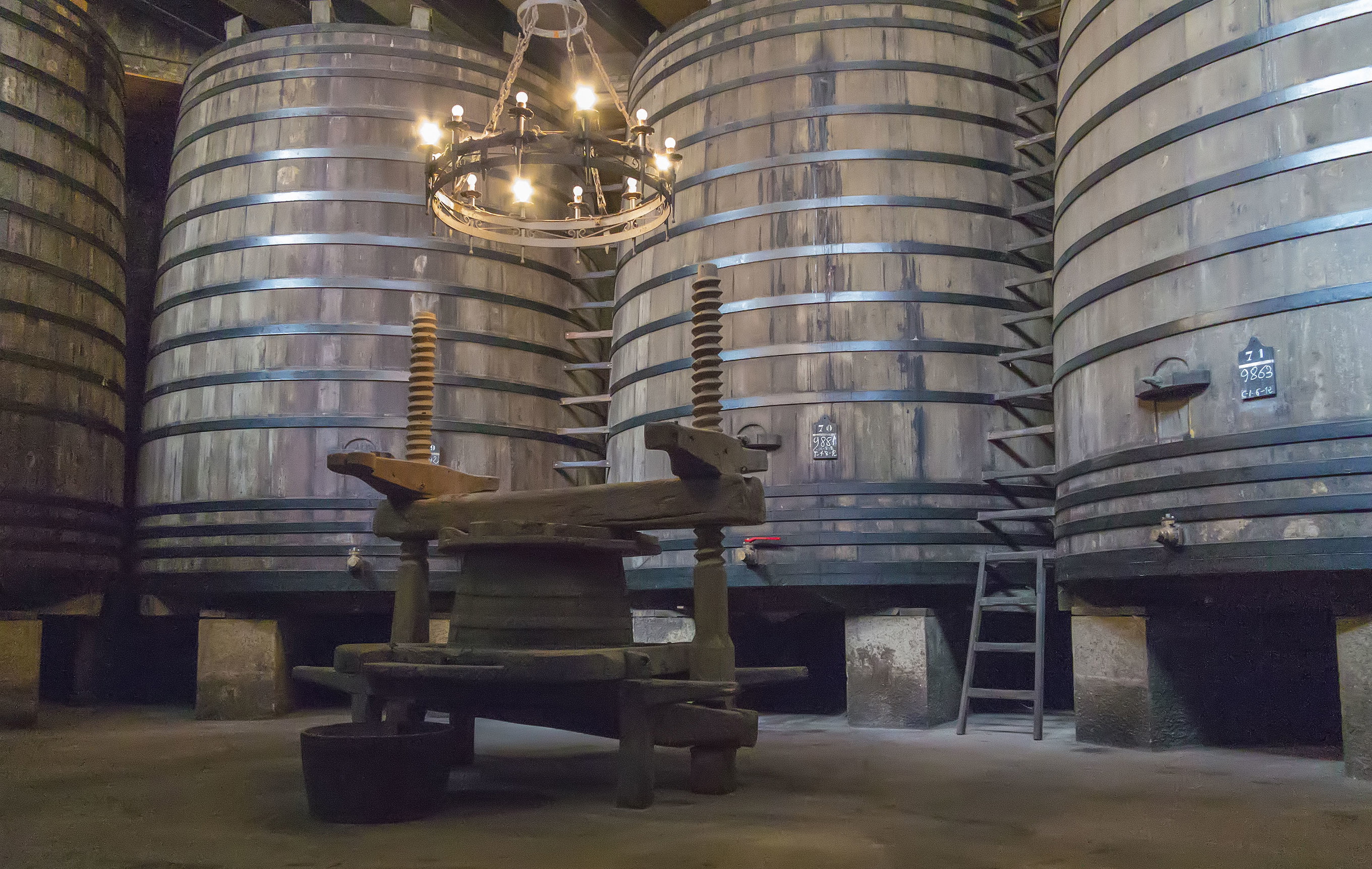
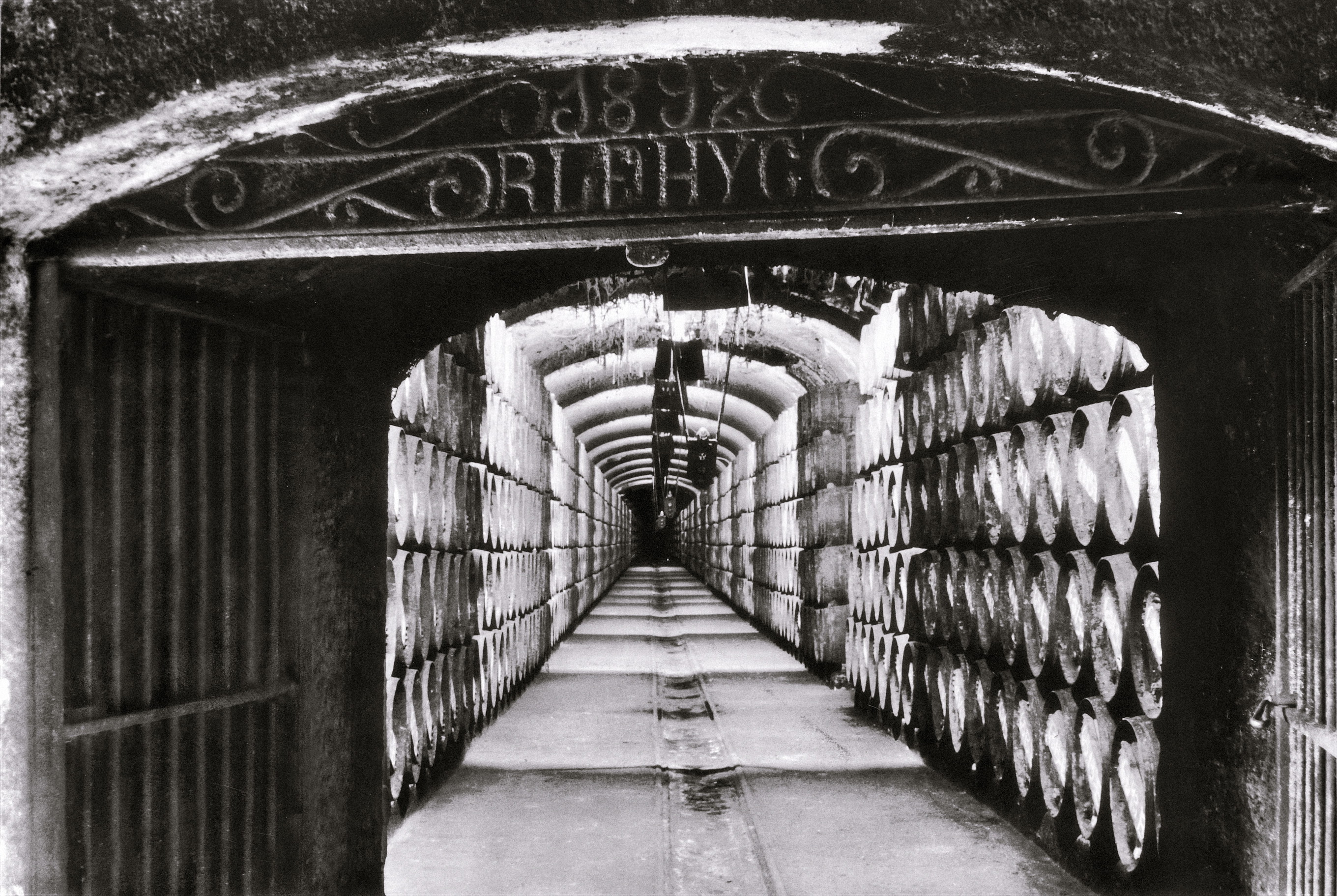
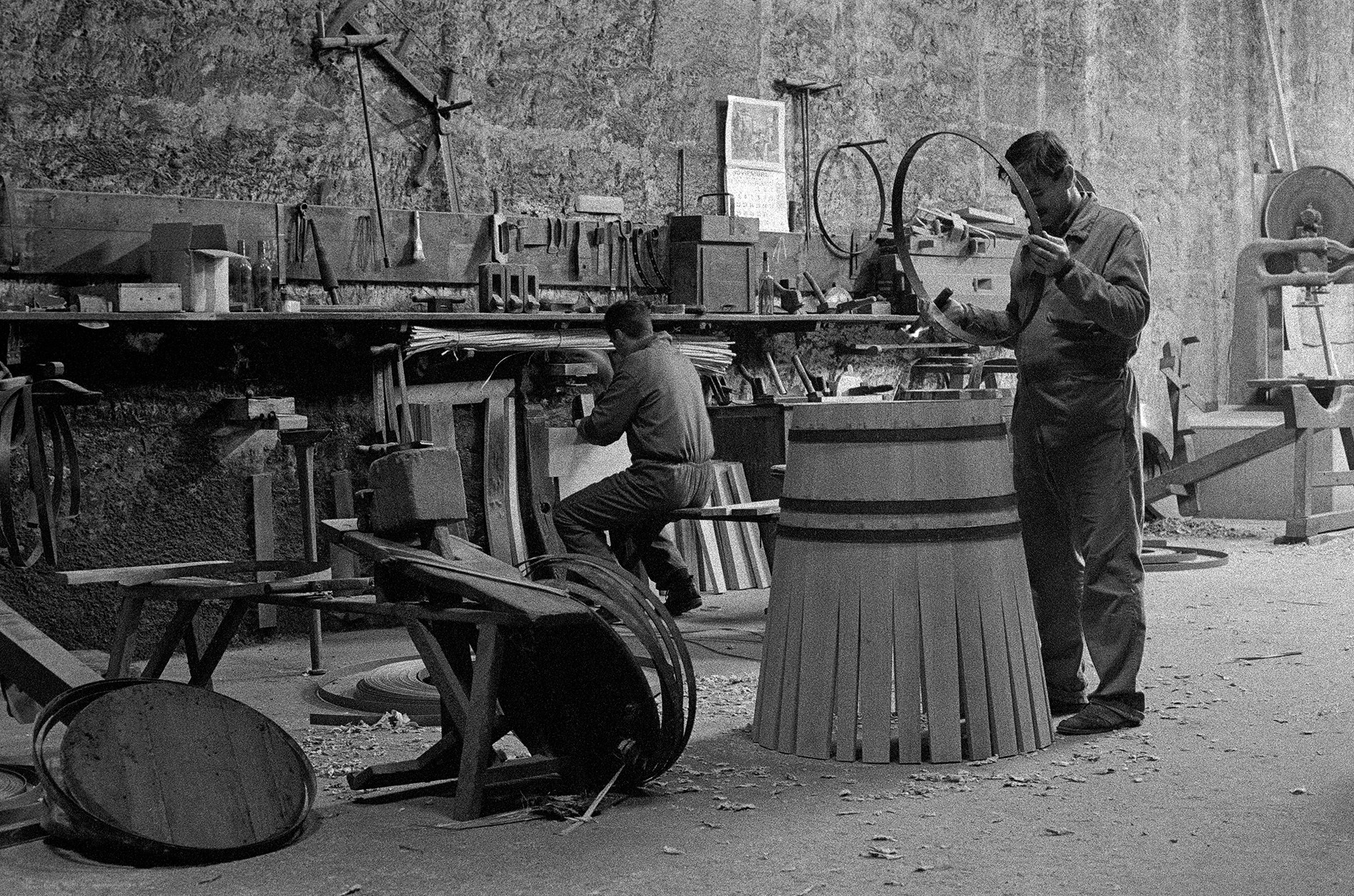
Maria José López de Heredia: Considering that we've been here for 148 years, we've certainly played a part in the last century of excellence. Three generations of my family have been very active in the “Consejo regulador” over the years (NB: The Consejo Regulador is the supervisory and regulatory body of the Rioja region. It ensures that that quality and production standards are met among wines with a designation of origin): my great-grandfather, grandfather and father. We are proud of what we have all achieved. At the same time, we continue to endeavor to improve ourselves and the appellation.
What do you think has changed in Rioja over the last 100 years?
Of course, many things have changed, but many others have not. I remember that even my grandfather, who passed away in September 1985 at the age of almost 96, said that his wines were different from ours. When I studied viticulture, we were all concerned about the loss of acidity in Rioja and not so much about climate change – unlike today. But the fact that Rioja is a wine region capable of producing some of the best and finest wines in the world has not changed at all. The will to strive for this special quality is still very much alive.