Copenhagen’s Top 10 Swimming Spots
Copenhagen has become one of Europe’s most exciting urban swimming destinations. Thanks to the...
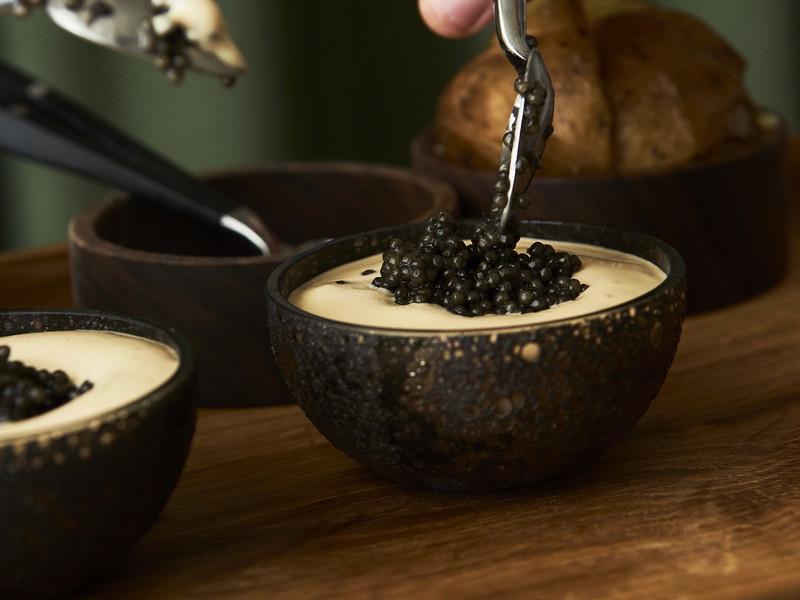
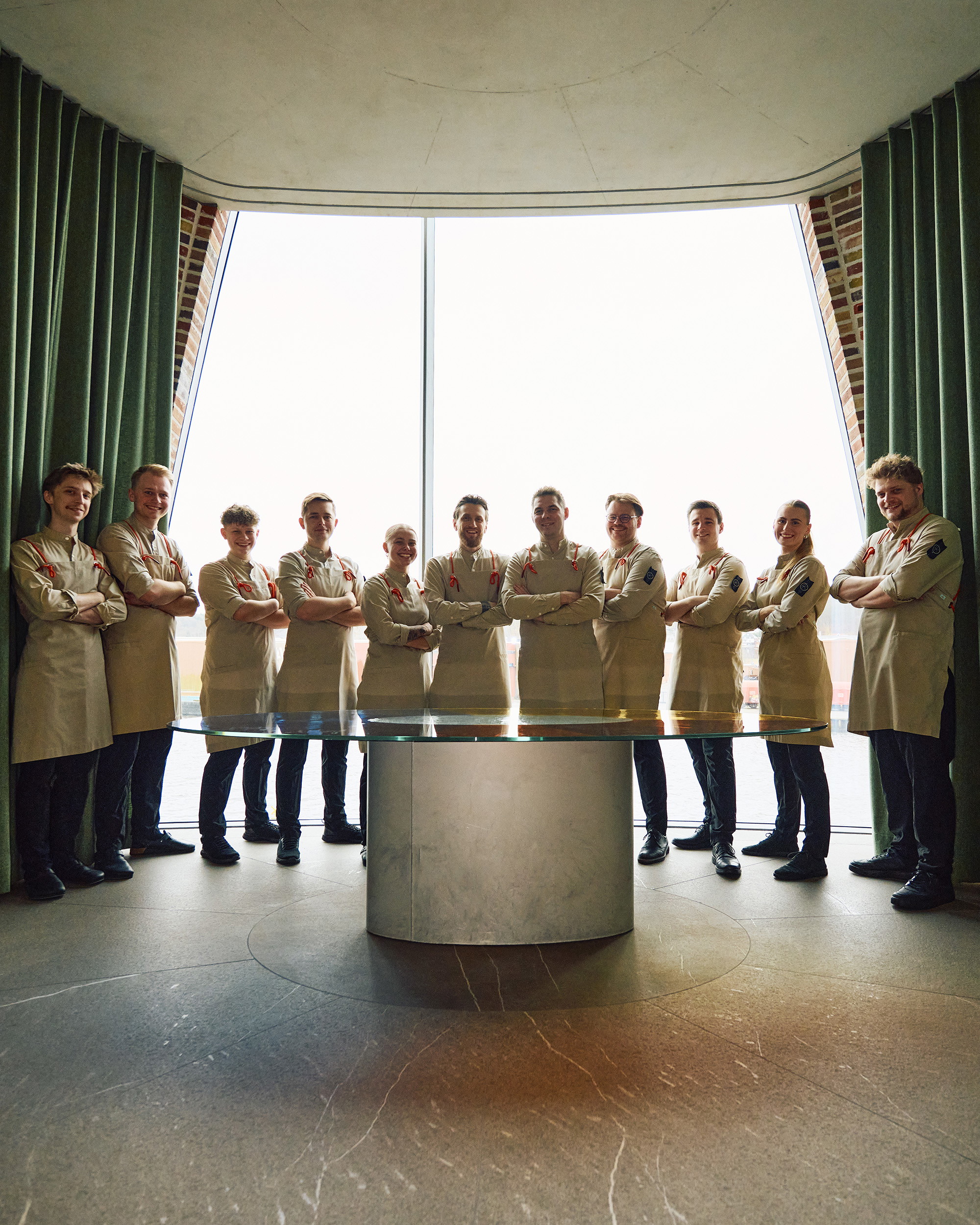
In Vejle, where brick cylinders rise majestically directly from the fjord, Restaurant Lyst does not begin with a menu, but with an immersion that combines weather, nature, art, senses, local flavours and craftmanship.
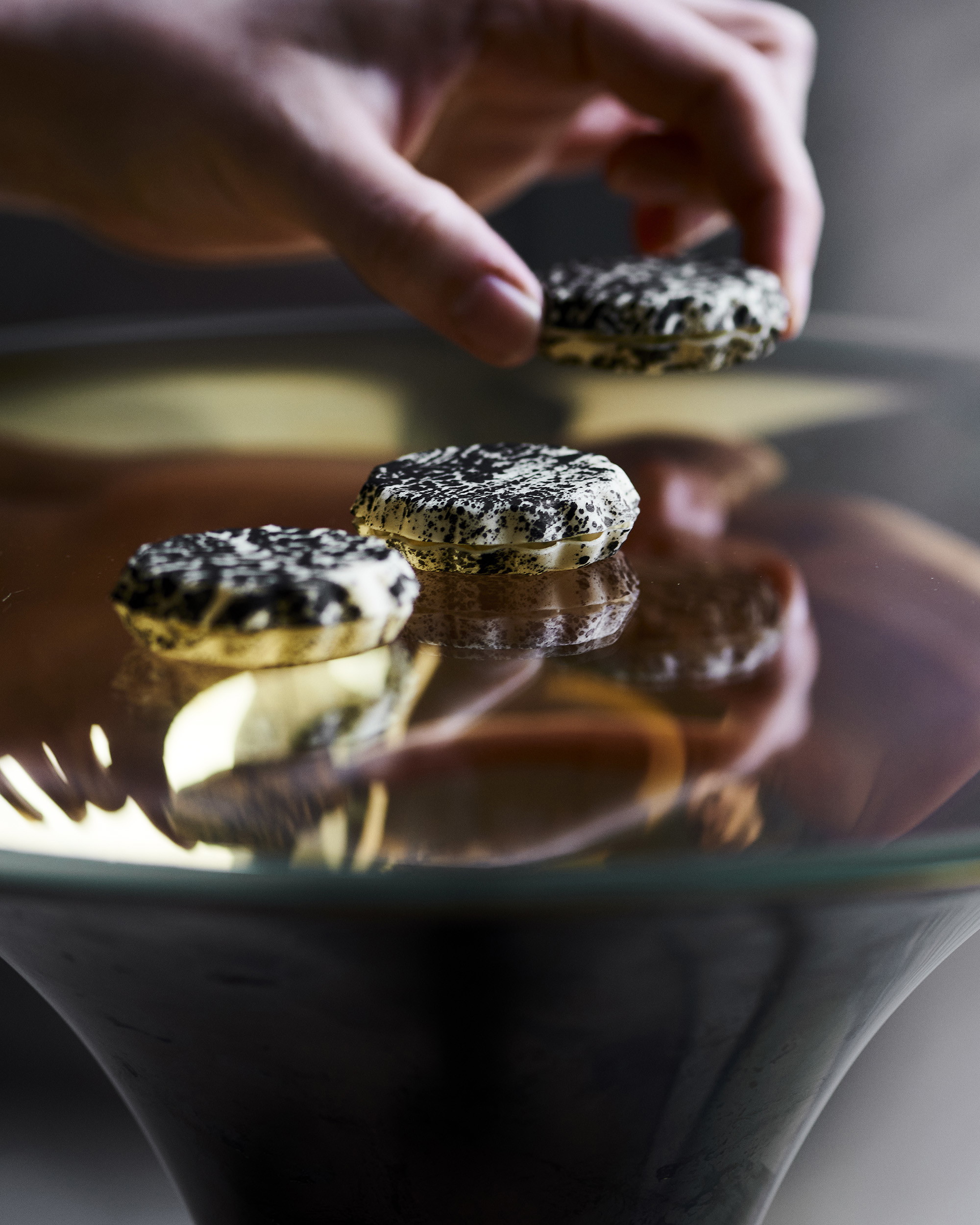
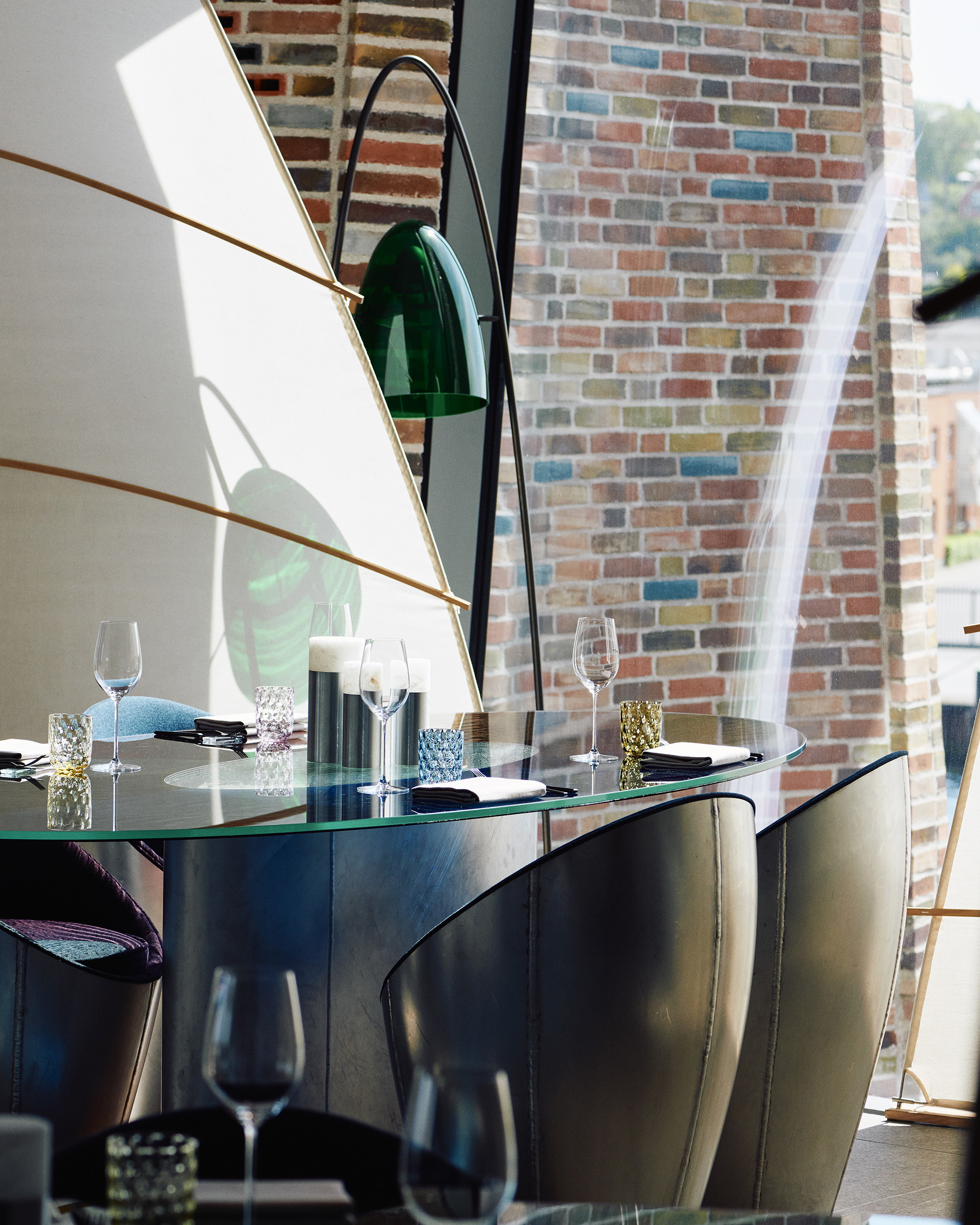
Inside Fjordenhus—Olafur Eliasson’s immersive architectural landmark—everything is in motion: light shifts across hand-cast glass tables, the soundscape evolves throughout the evening, and in the kitchen, nothing is fixed. There is no printed sequence of dishes. Instead, guests are presented with a “barometer,” a daily interpretation of earth, air, fire, and water—a system that translates weather, season, and sensation into food.
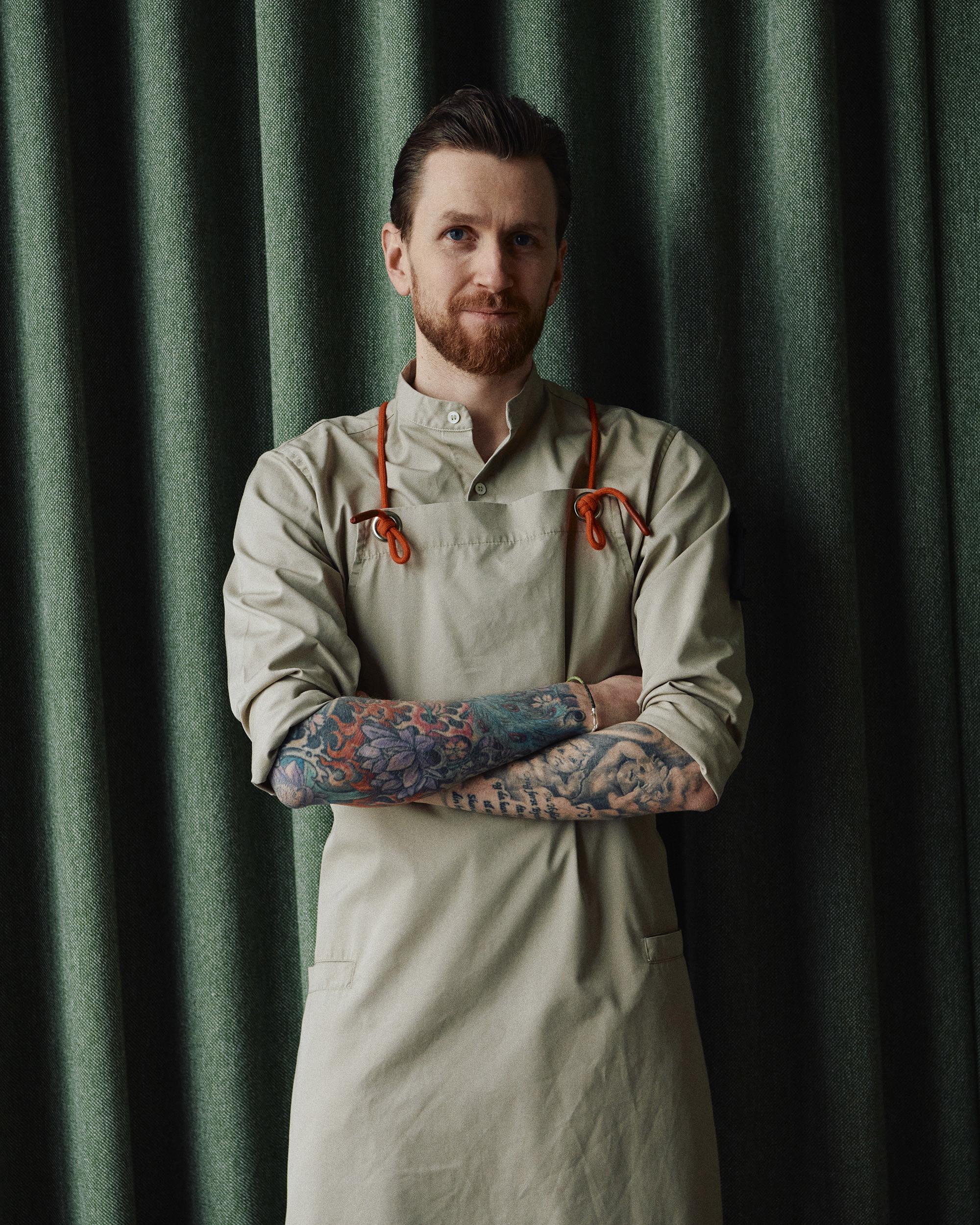
“It feels less like a restaurant and more like something that reacts in real time,” says executive head chef Daniel McBurnie. “The no-menu approach keeps you sharp on a daily basis.”
Daniel McBurnie has previously worked at Restaurant AOC, which received its second Michelin-star at that time. His next step was working at D’angleterre as sous chef, before moving to Jutland to work at Lyst.
At Lyst, his ooking is less about executing a plan, answering to a fixed set up, but instead about responding to the surroundings.
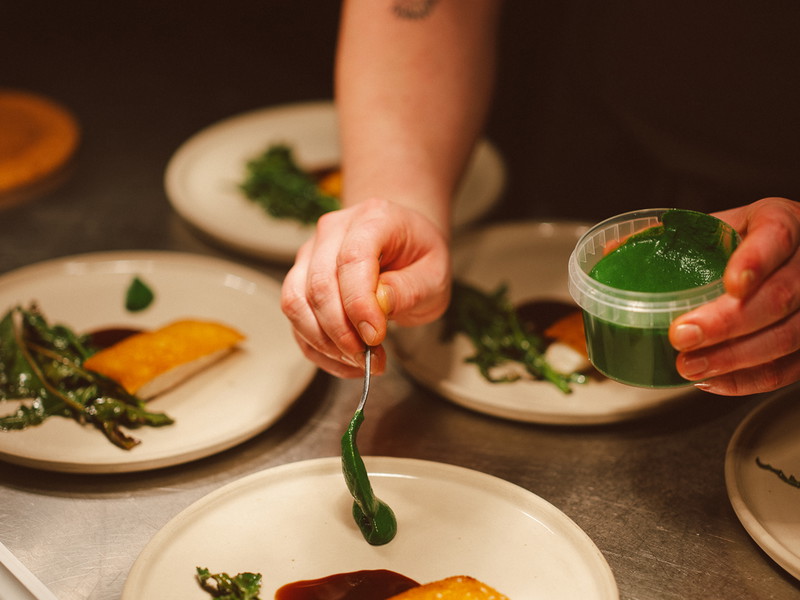
The absence of a fixed menu is not a stylistic gesture—it fundamentally reshapes the creative process. Where most kitchens begin with an idea and refine it into a dish, Lyst reverses the direction.
“It shifts the process from planning to sensing,” McBurnie explains. “Instead of starting with a finished idea, you start with what’s available.”
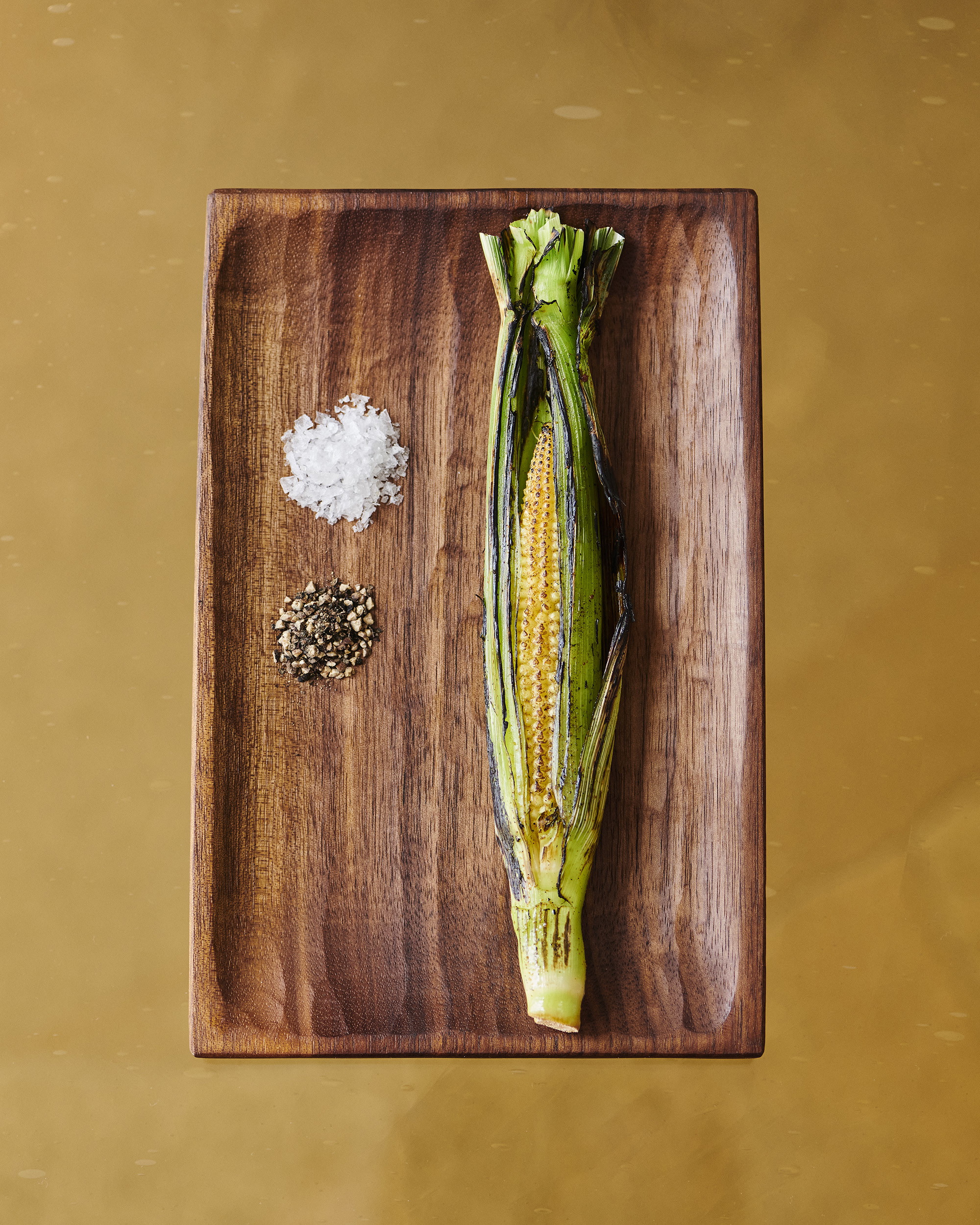
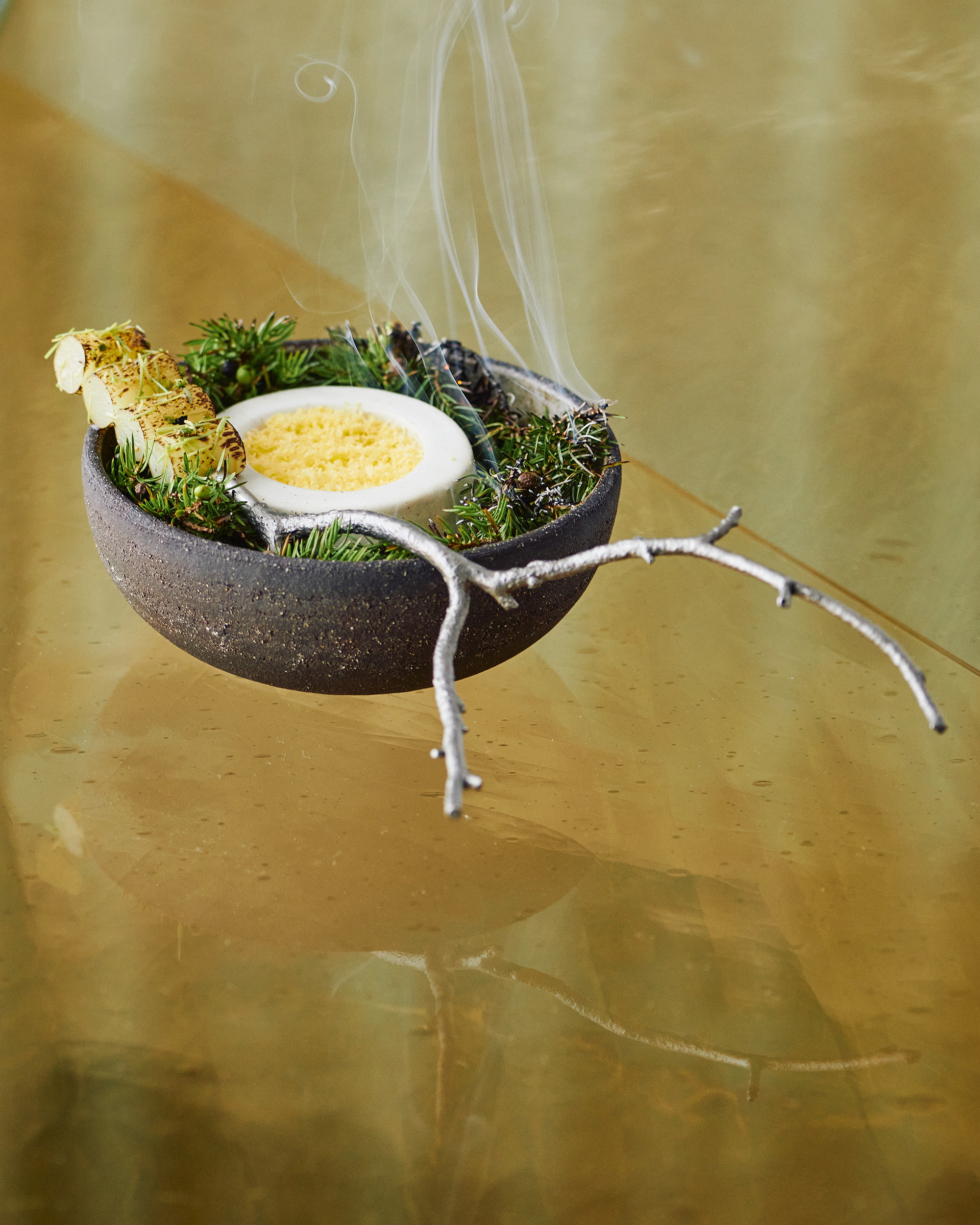
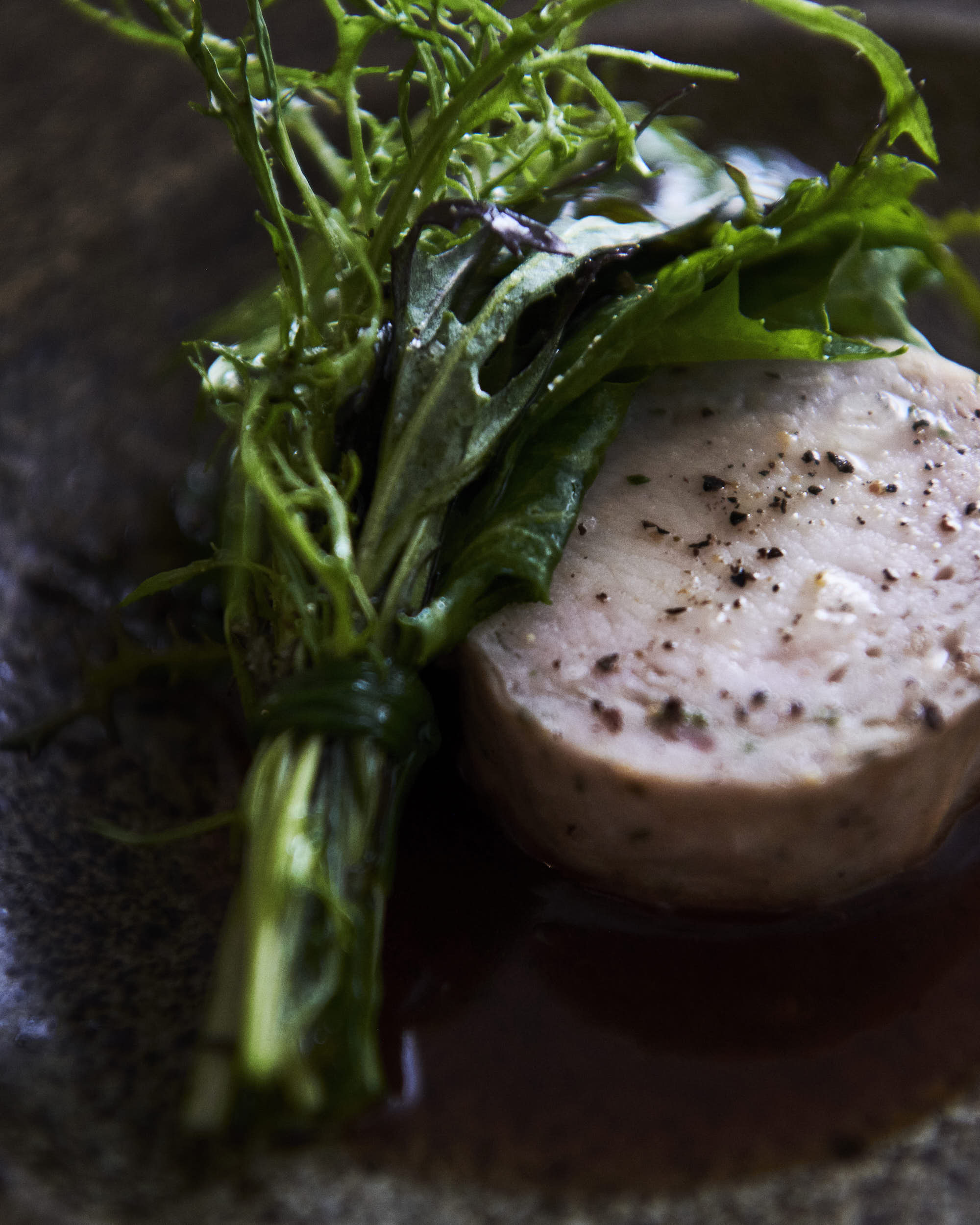
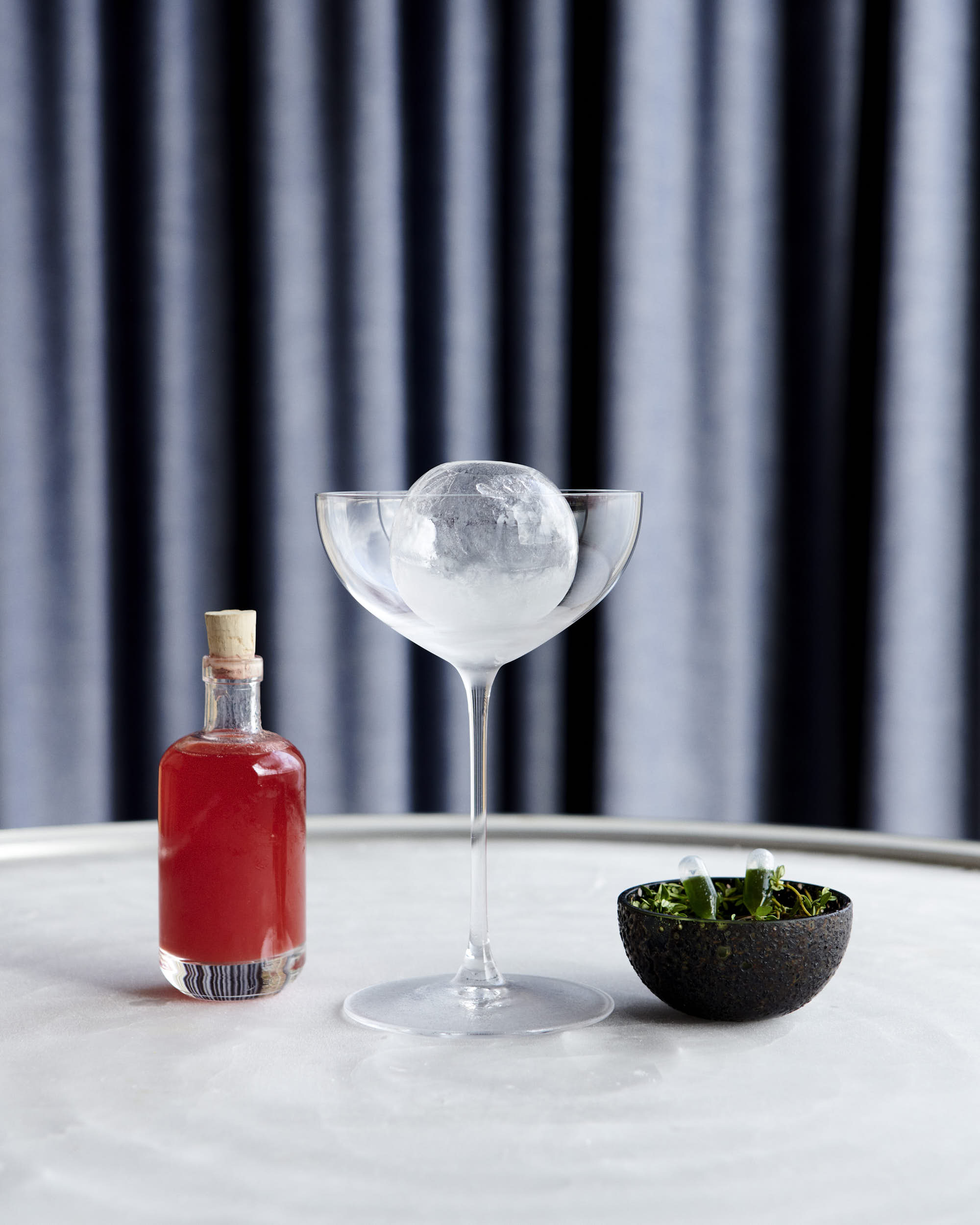
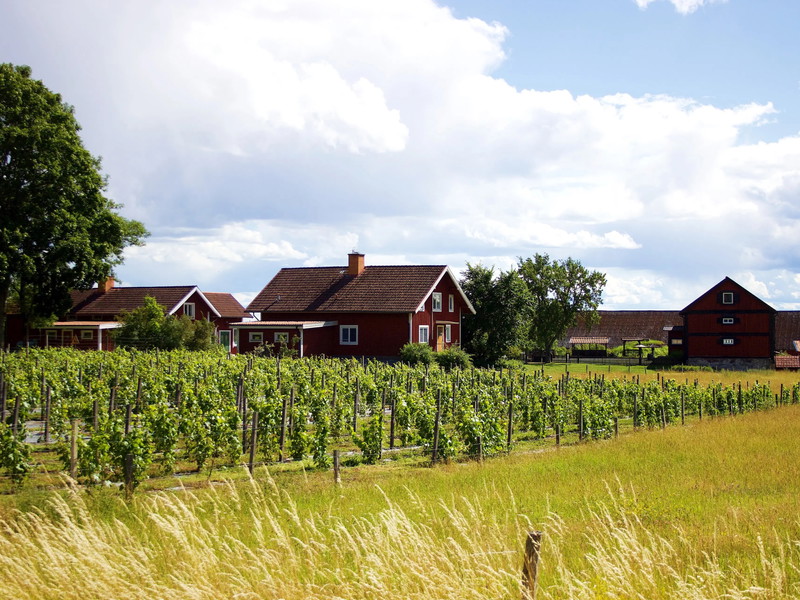
That availability is strictly defined. The kitchen sources nearly everything within a 160-kilometer radius—fields, forests, fjord, and coastline forming both a philosophy and a constraint.
At times, particularly during the Nordic winter, that limitation can feel restrictive. But it is precisely here that Lyst finds its edge.
“That’s usually where the interesting ideas come from,” McBurnie says. “You build strong relationships with producers, and you learn to work deeply with what’s there.”
The result is a cuisine that is not just seasonal, but situational—one that responds to wind, temperature, and light as much as to harvest cycles.
The four elements—earth, air, fire, and water—are often described as the conceptual backbone of Lyst. But in practice, they function as something more immediate.
“Both,” McBurnie says when asked whether they are conceptual or practical. “The four elements provide a framework for storytelling, but they also guide decisions like temperature and cooking methods.”
Fire may dictate the use of the grill that day. Air might influence texture and lightness. Water—unsurprisingly, given the restaurant’s position in the fjord—is ever-present.
Yet the narrative is rarely the starting point.
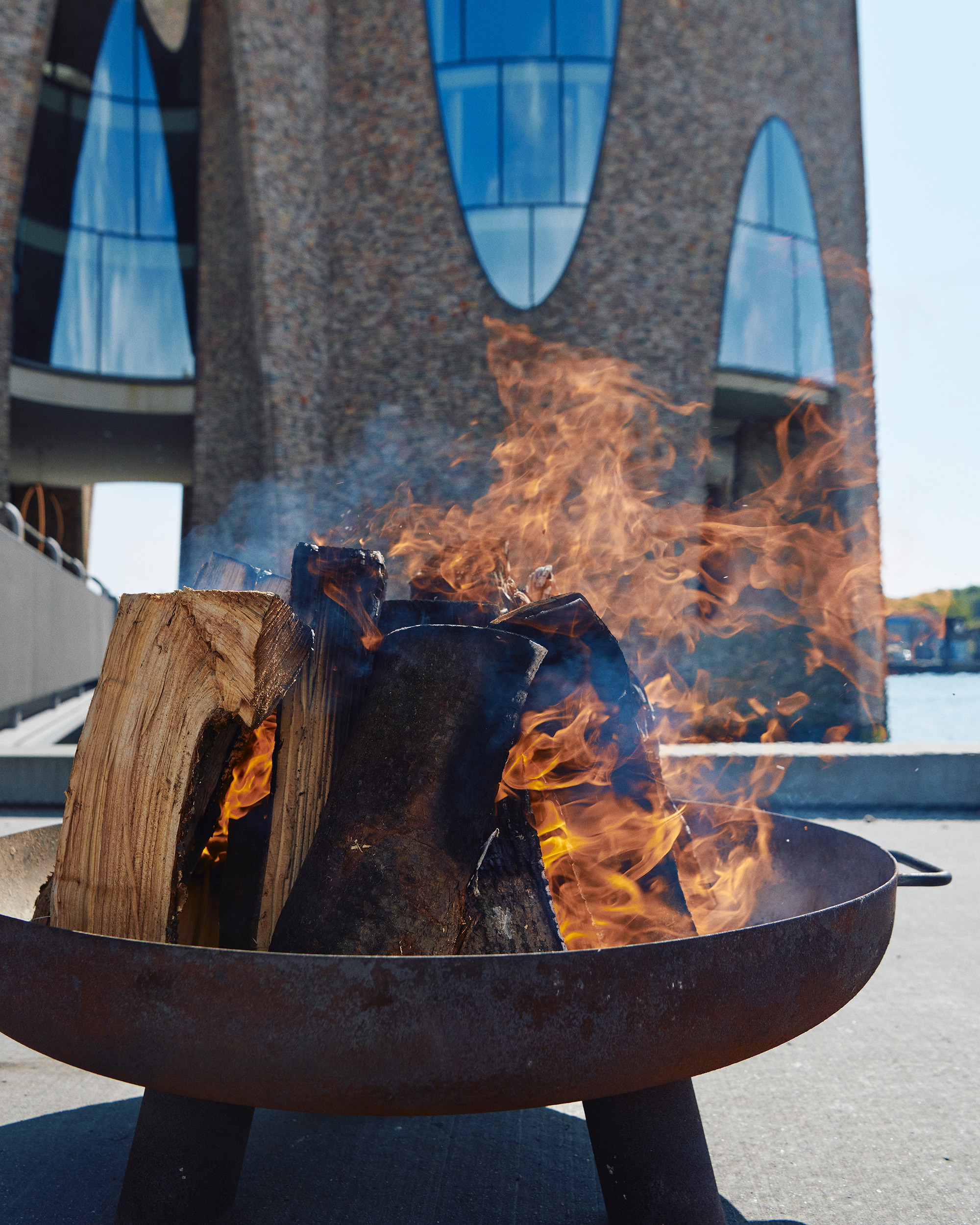
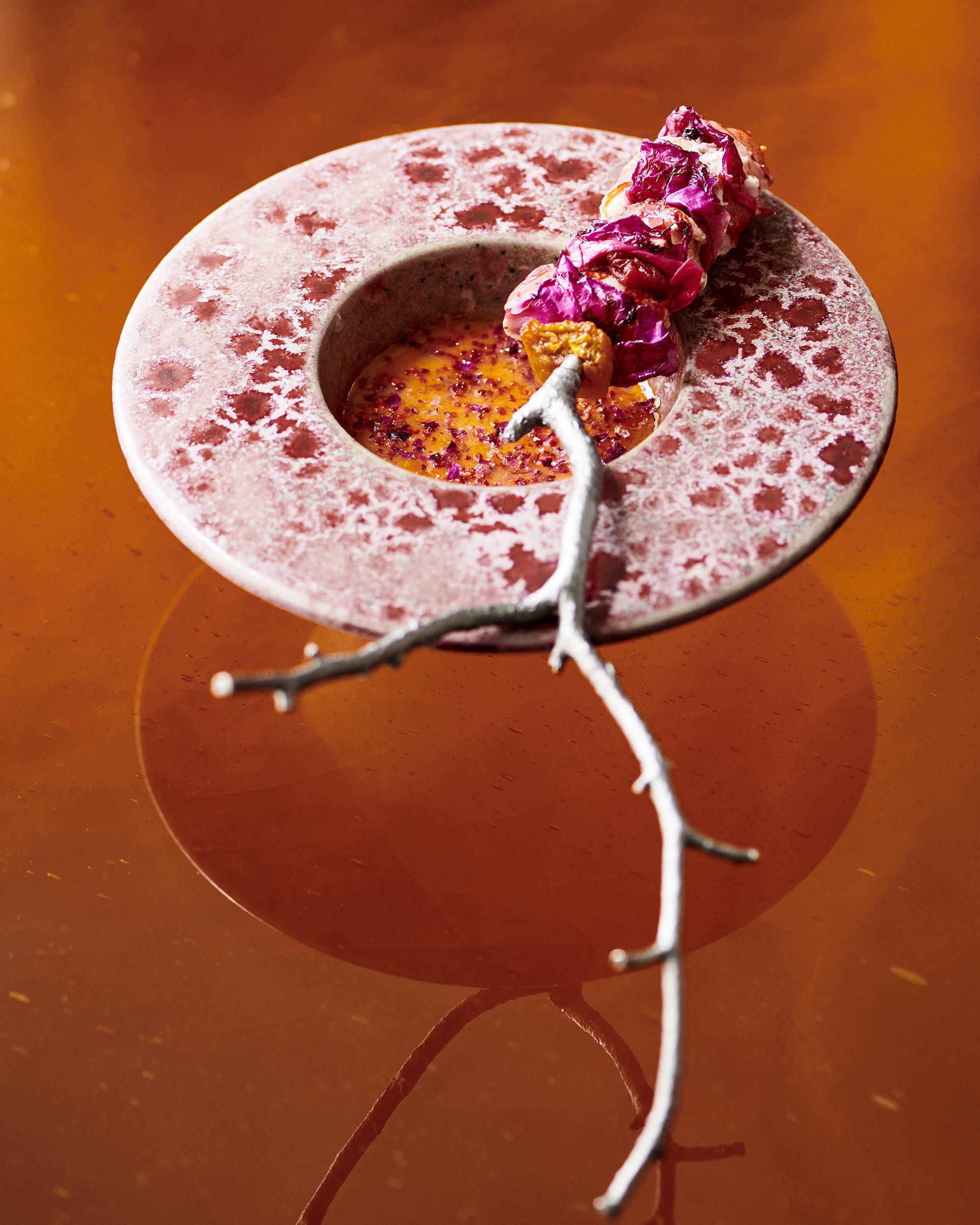
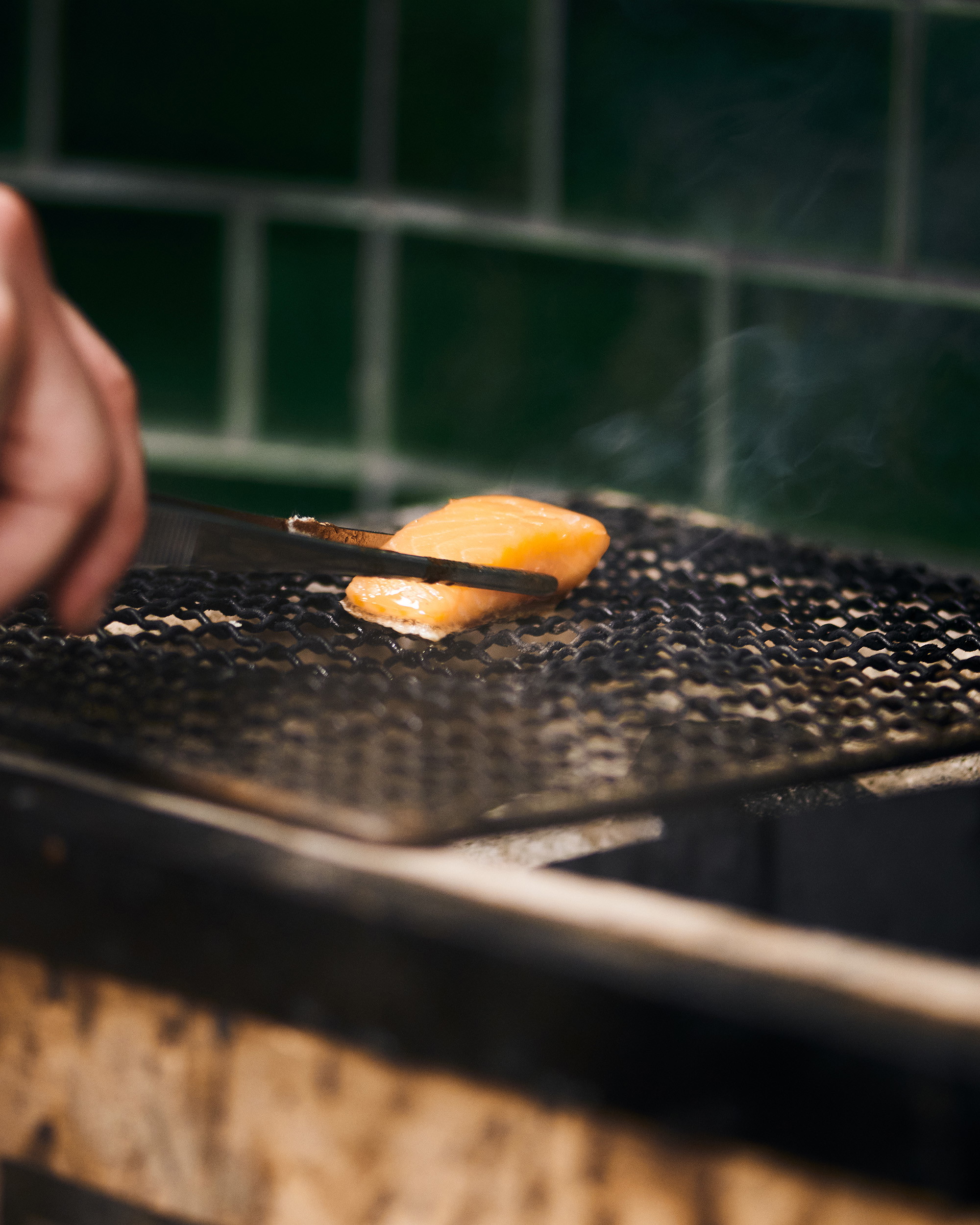
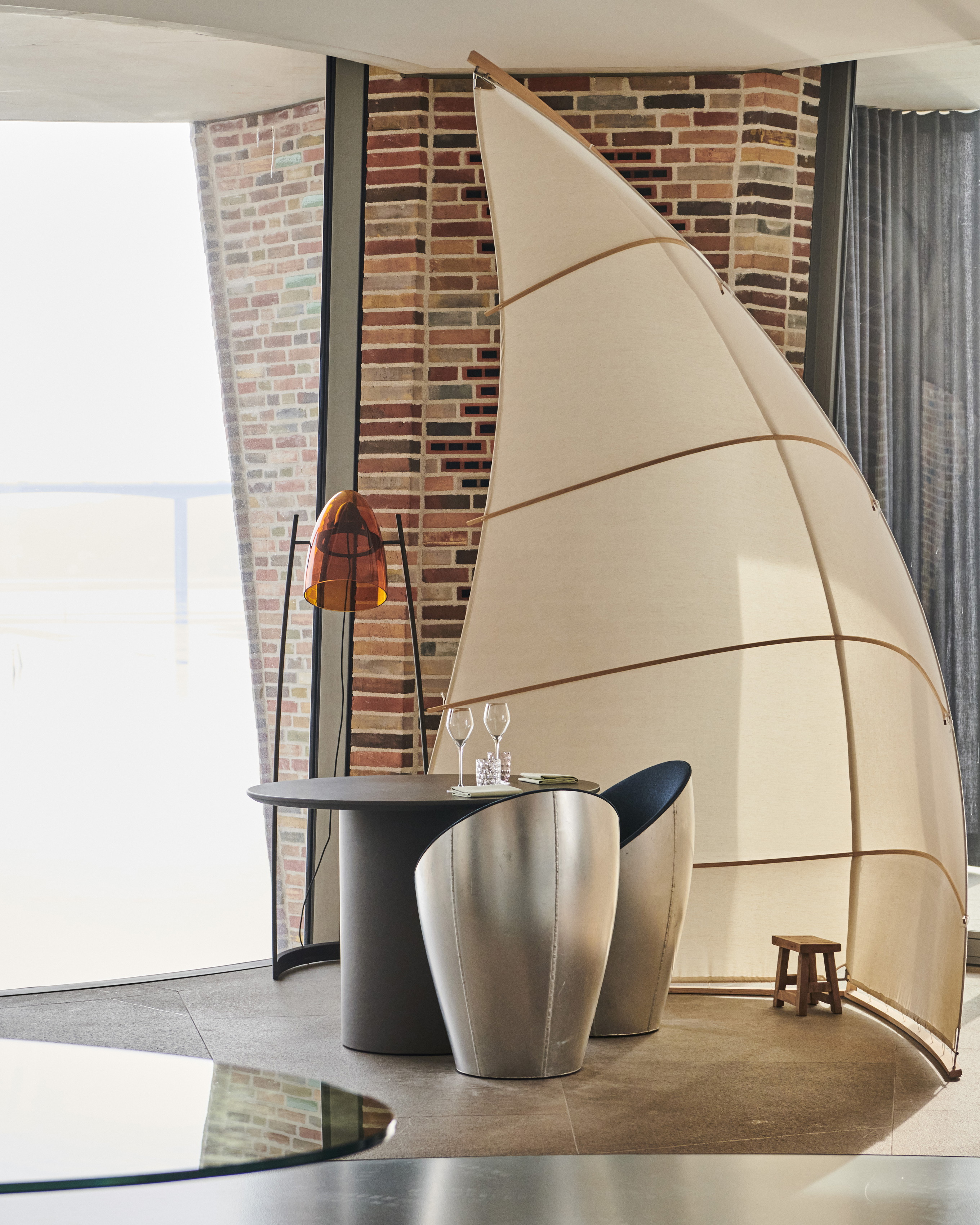
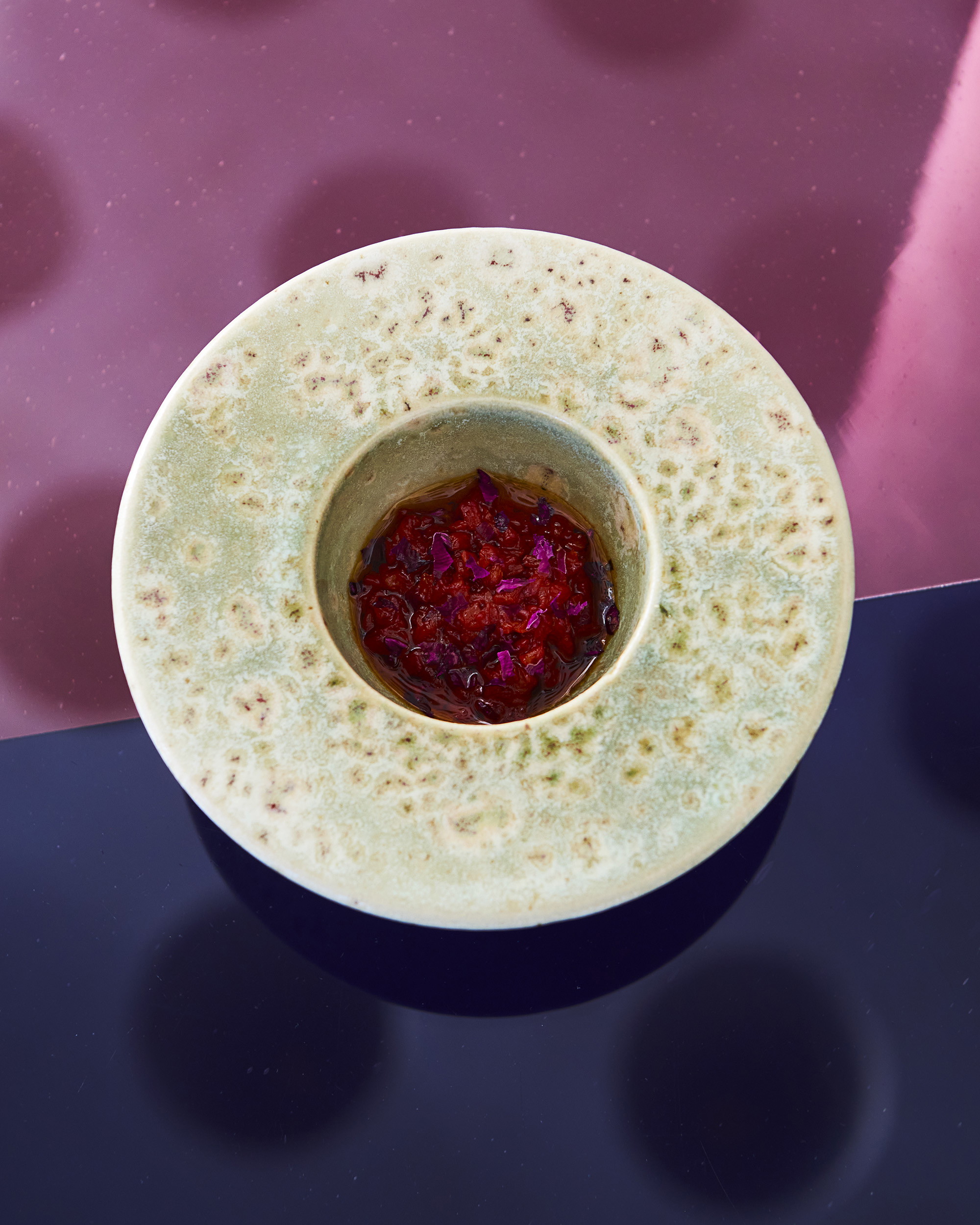
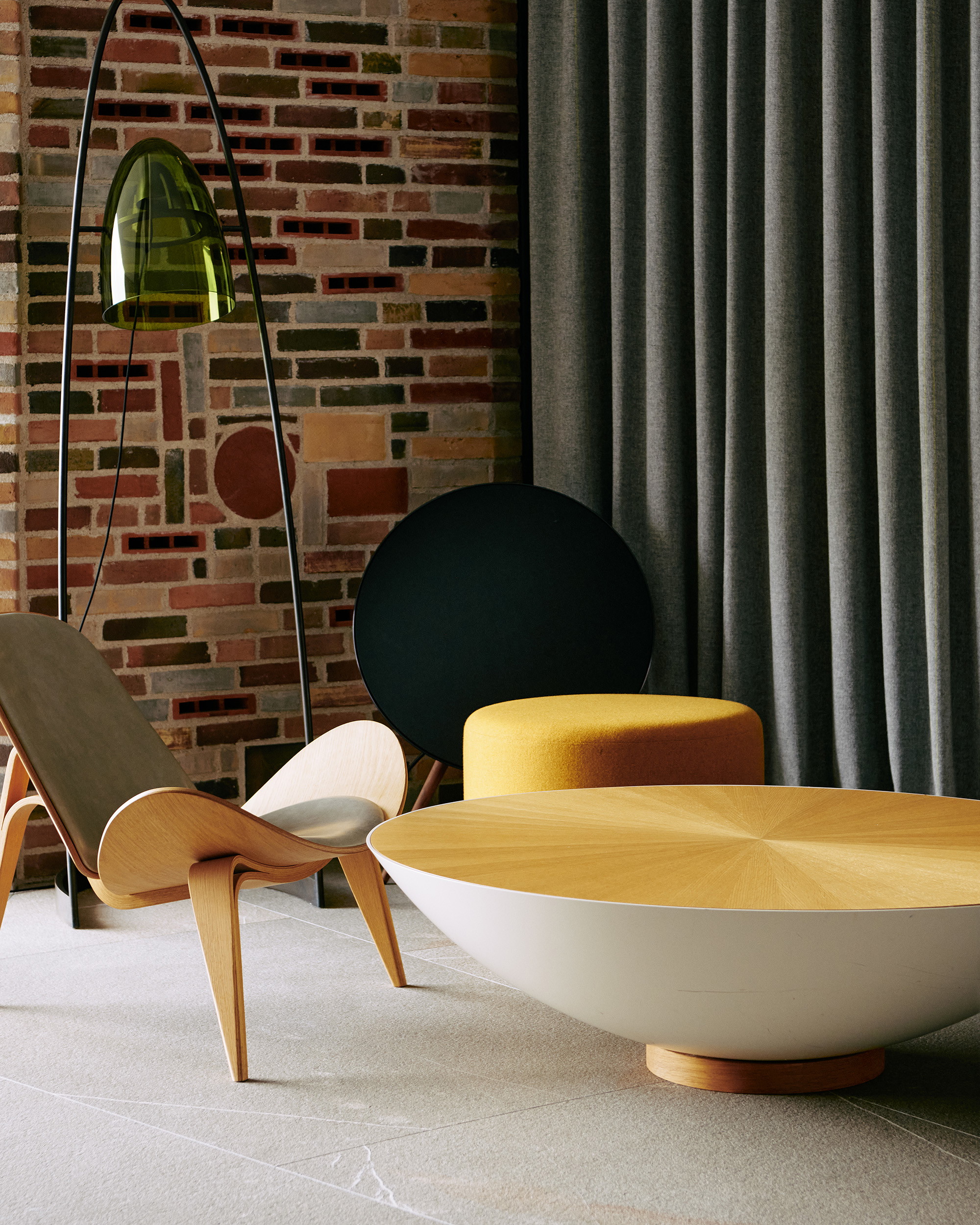
“Most of the time it begins simply—with a product or an element,” he explains. “The story usually comes after.” It is a subtle but important distinction. At Lyst, meaning is not imposed on a dish, but it emerges from it.
And the moment when an idea becomes real is equally intuitive: “When it stops being an idea and you can actually taste or feel it,” explains McBurnie.
Lyst is often described as an “immersive experience,” a term that risks sounding overused—until you sit through the four-hour progression of a lunch or dining experience at the restaurant.
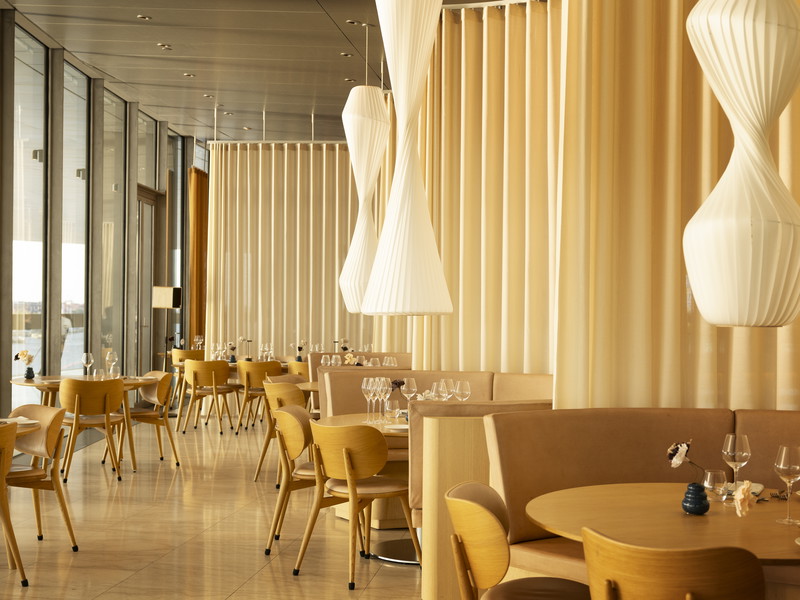
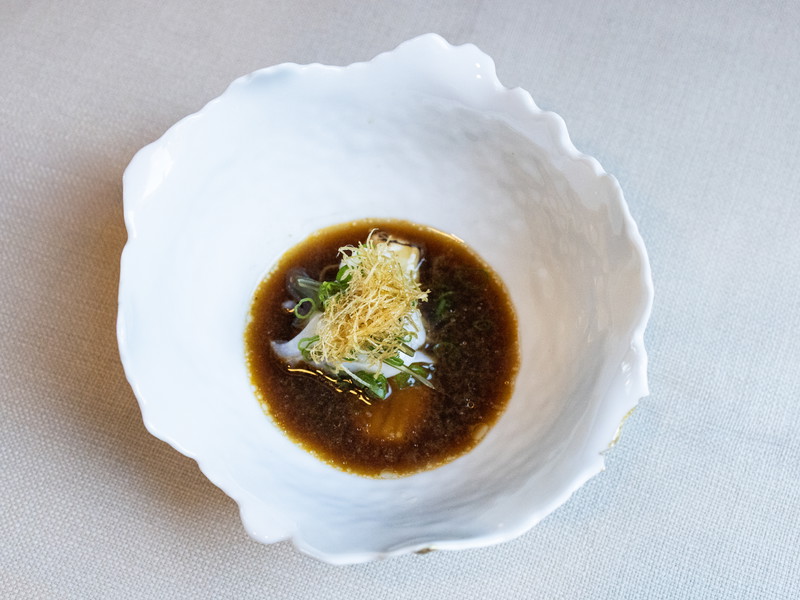
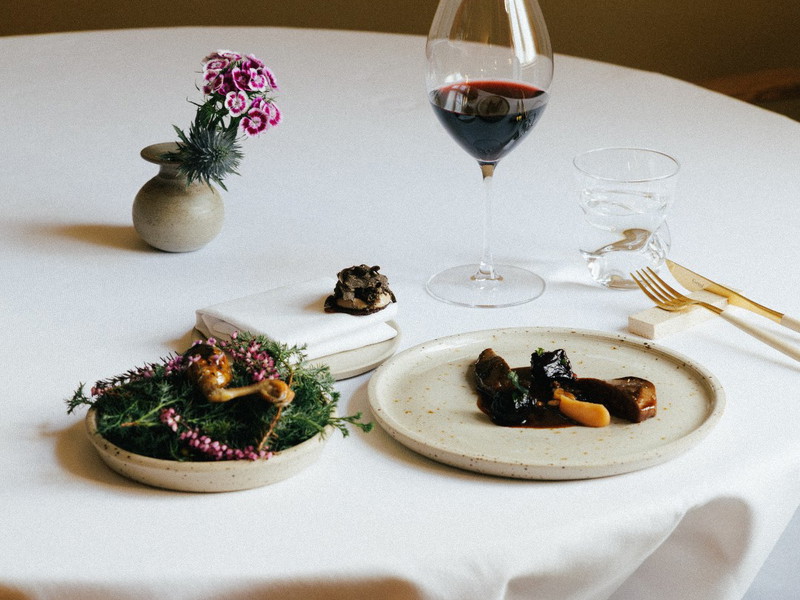
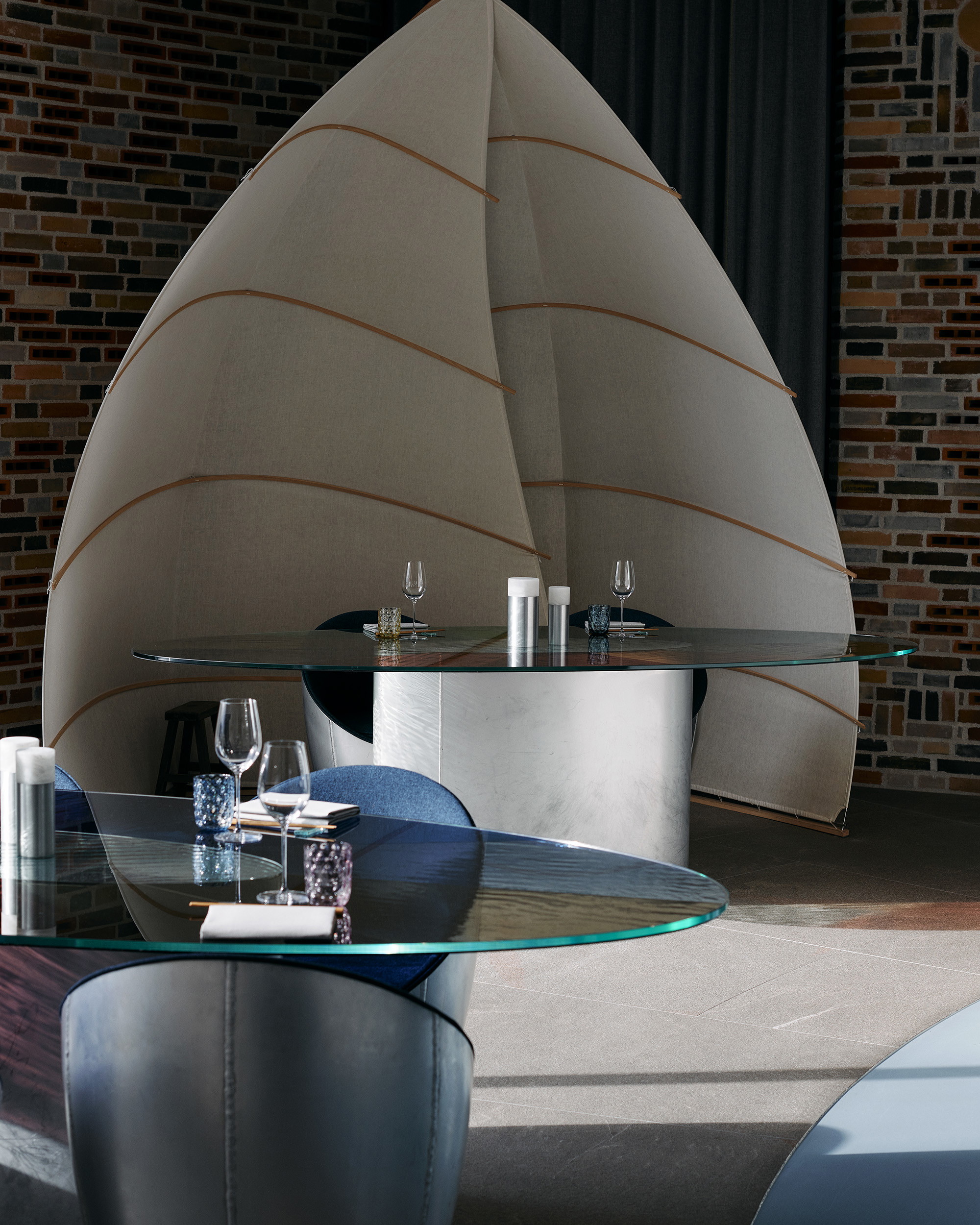
The meal unfolds like a performance. Lighting, sound, service, and architecture move in quiet coordination. Plates arrive not as isolated courses, but as part of a continuous rhythm, where every element plays a vital role in the dining experience. Alone the views, overlooking the fjord, creates a unique setting.
“If guests only understand the experience, I think we’ve failed a bit,” McBurnie says. “They should feel it first—then they can think about it after.”
It is an approach closer to theater than traditional dining, where emotional response precedes intellectual decoding, and guests are left with a feeling of sensing that every tiny little detail has ben thought of.
Precision meets flexibility
Despite its fluidity in terms of letting elements of the day set the tone for the dining experience, Lyst is not improvisational in the casual sense. The discipline behind it is rooted in McBurnie’s background in Michelin-starred kitchens across Denmark.
“That’s where I learned precision, discipline, and attention to detail,” he says.
But leadership—and the ability to run a kitchen built on constant change—has been shaped over time within Lyst itself.

“It’s very different to lead in a place where nothing is static,” he adds.
That extends to the team structure. Hierarchies are deliberately softened; chefs and front-of-house staff move fluidly between roles when needed.
“The team balance is something we prioritize,” McBurnie explains. “Both in terms of work hours and flexibility.”
In an industry often defined by intensity and burnout, this focus on work-life balance is not incidental—it is part of what allows the concept to function long-term and with a deep care for the team in mind.
McBurnie’s perspective is shaped by a dual identity: British-trained, with a Danish mother and deep ties to Nordic culture. To him and Lyst, that position—both insider and outsider—becomes a creative advantage.
“I like bringing the depth and flavor from British cuisine into the more delicate Nordic style,” he says.
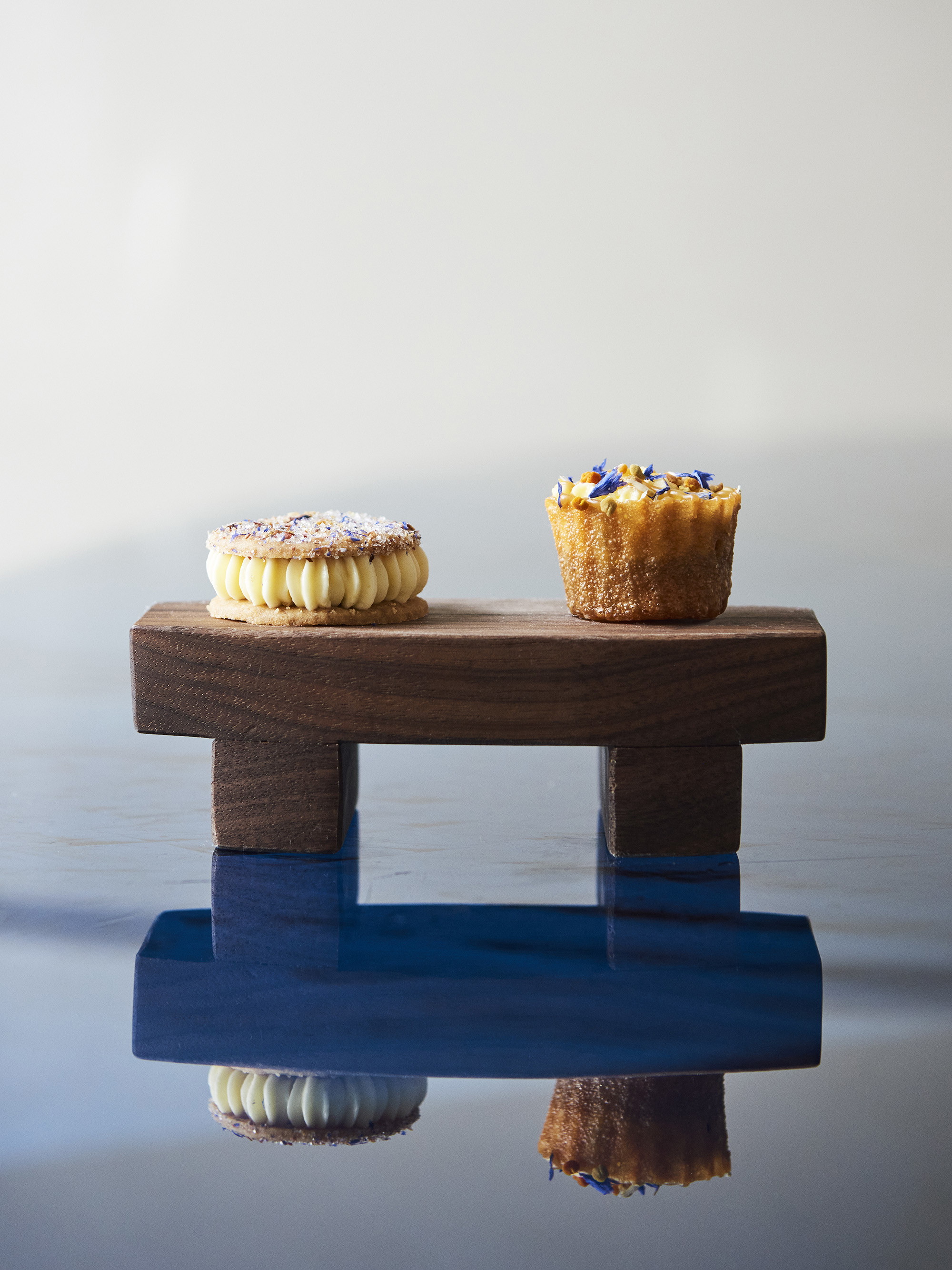
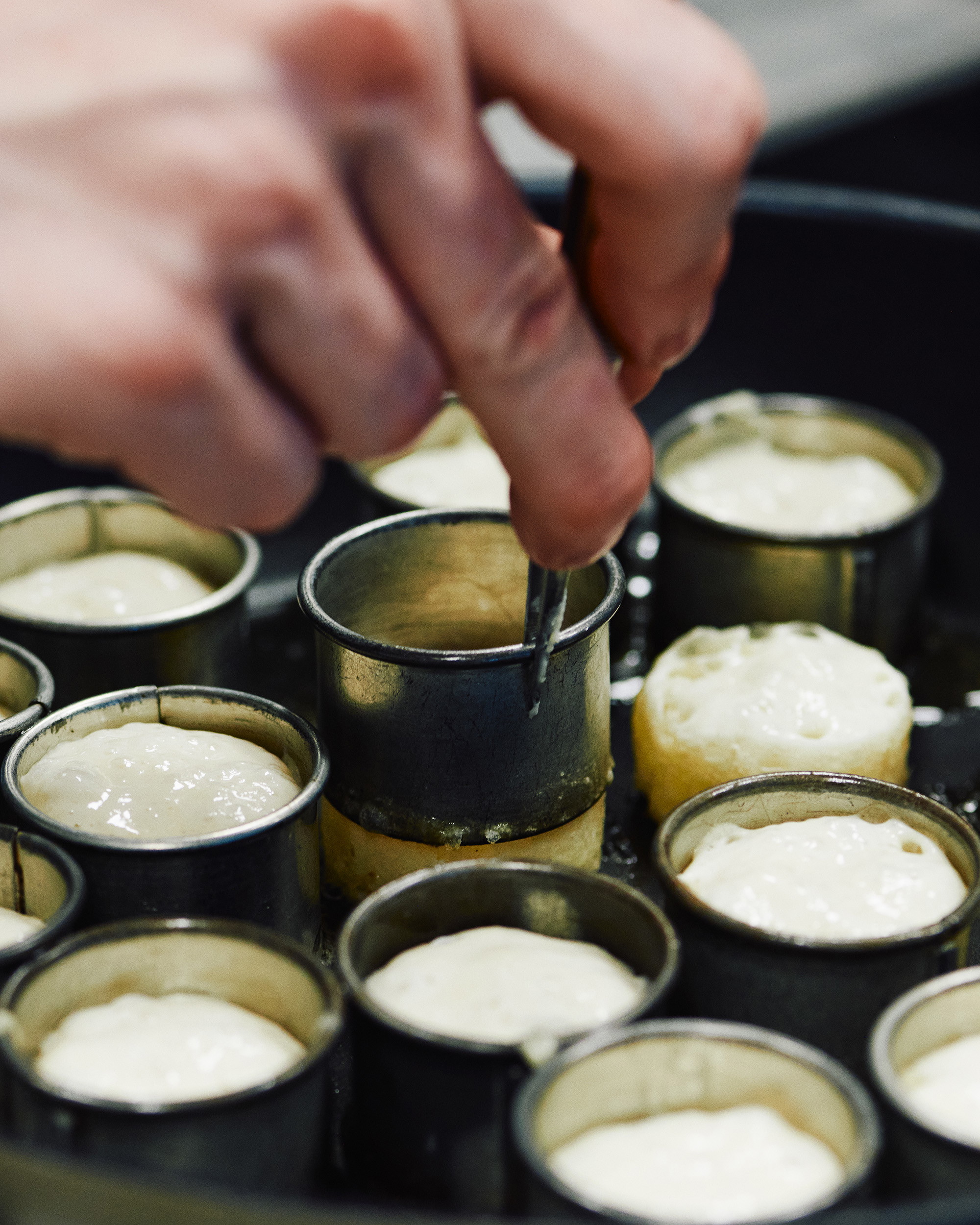
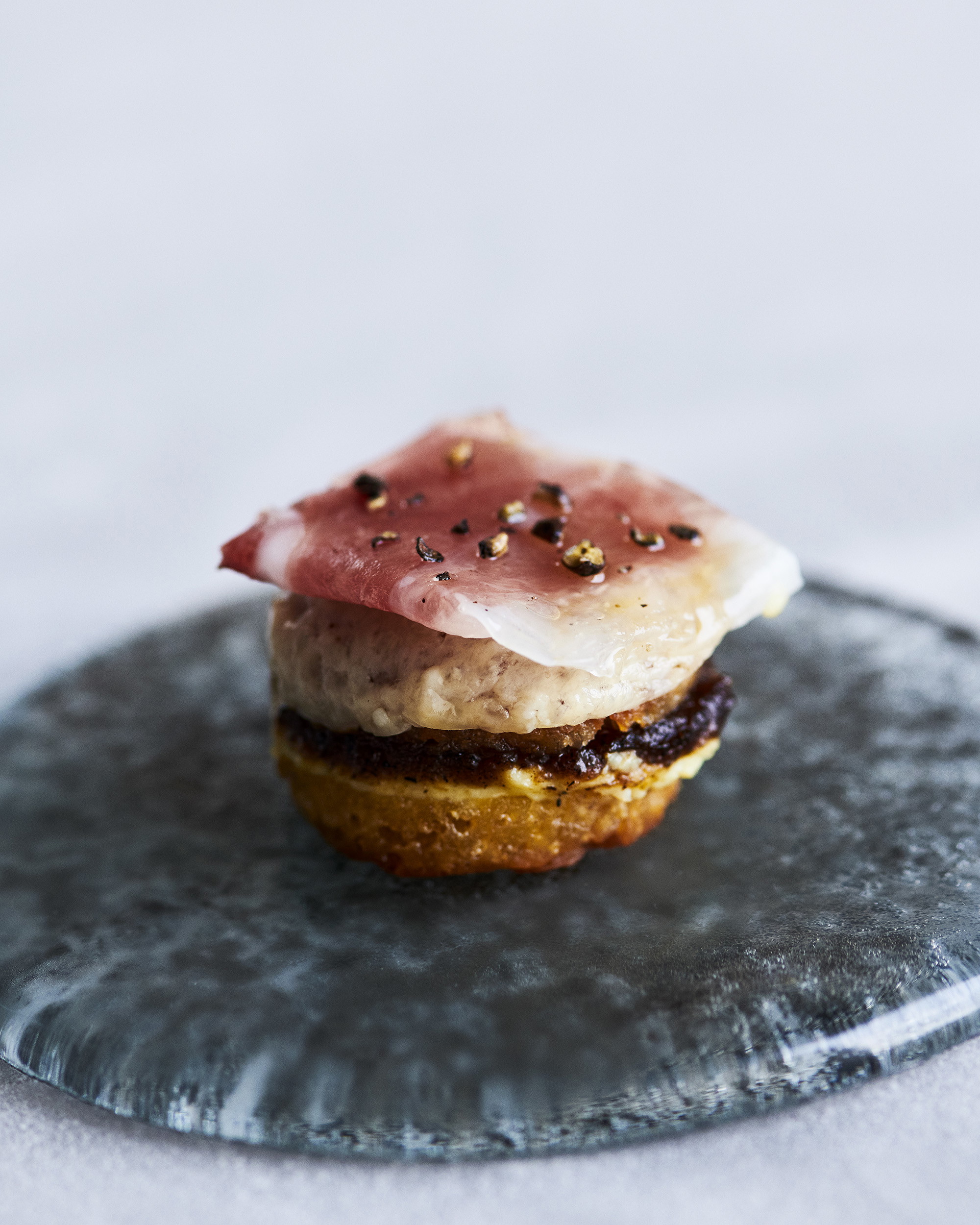
The influence appears subtly, often through memory. Childhood references—eel with parsley sauce, fish and chips, even crumpets—find their way into the experience, not as direct recreations but as emotional anchors.
“There’s always something personal in there,” he explains. “Something the guest can connect to, maybe even smile at.”
The art of holding attention
A four-hour dining experience demands more than technical excellence. It requires pacing, variation, and a careful understanding of human attention.
“I think keeping guests curious and involved is key,” McBurnie says. “We want to guide them through the journey without them feeling tired or bored.”
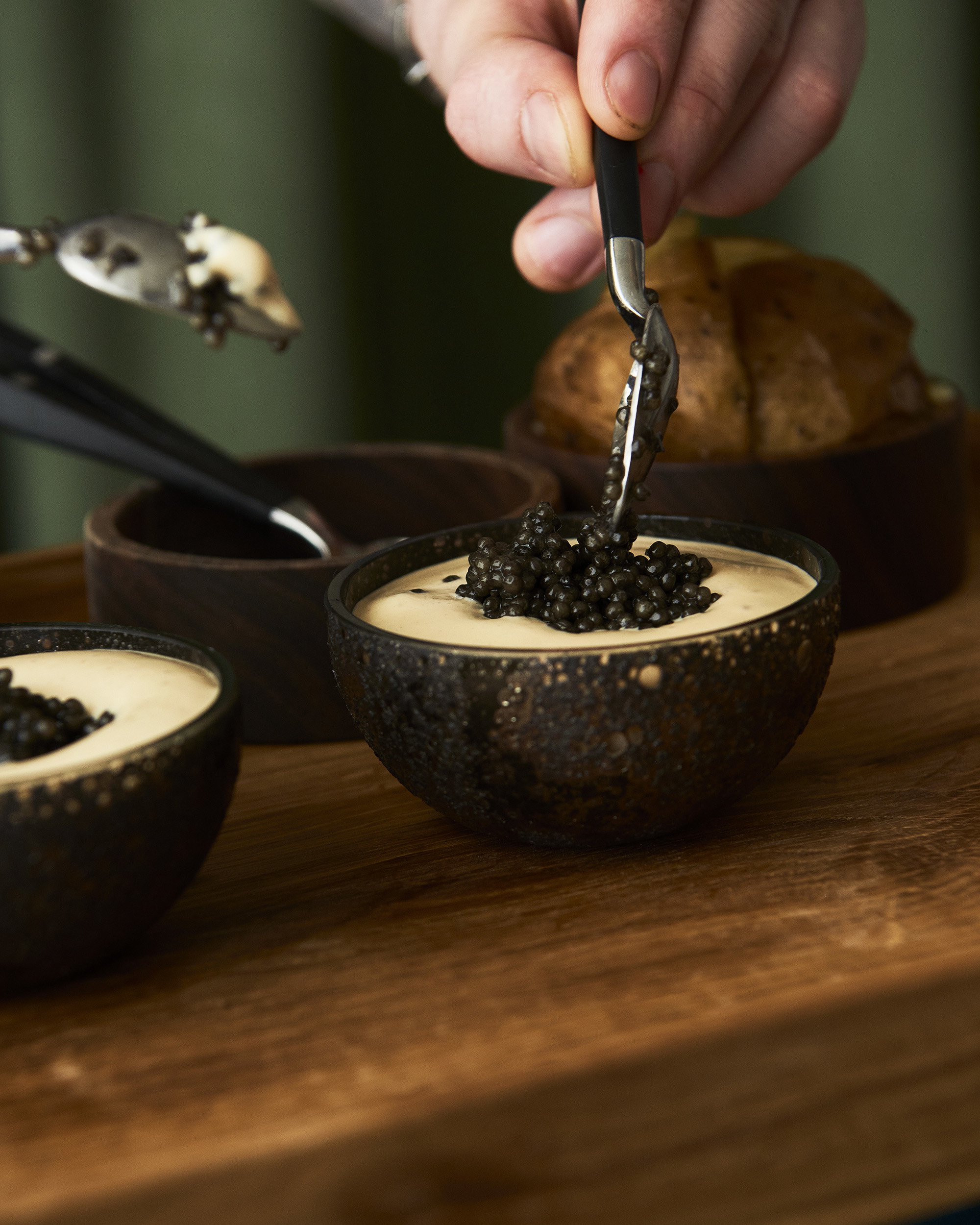
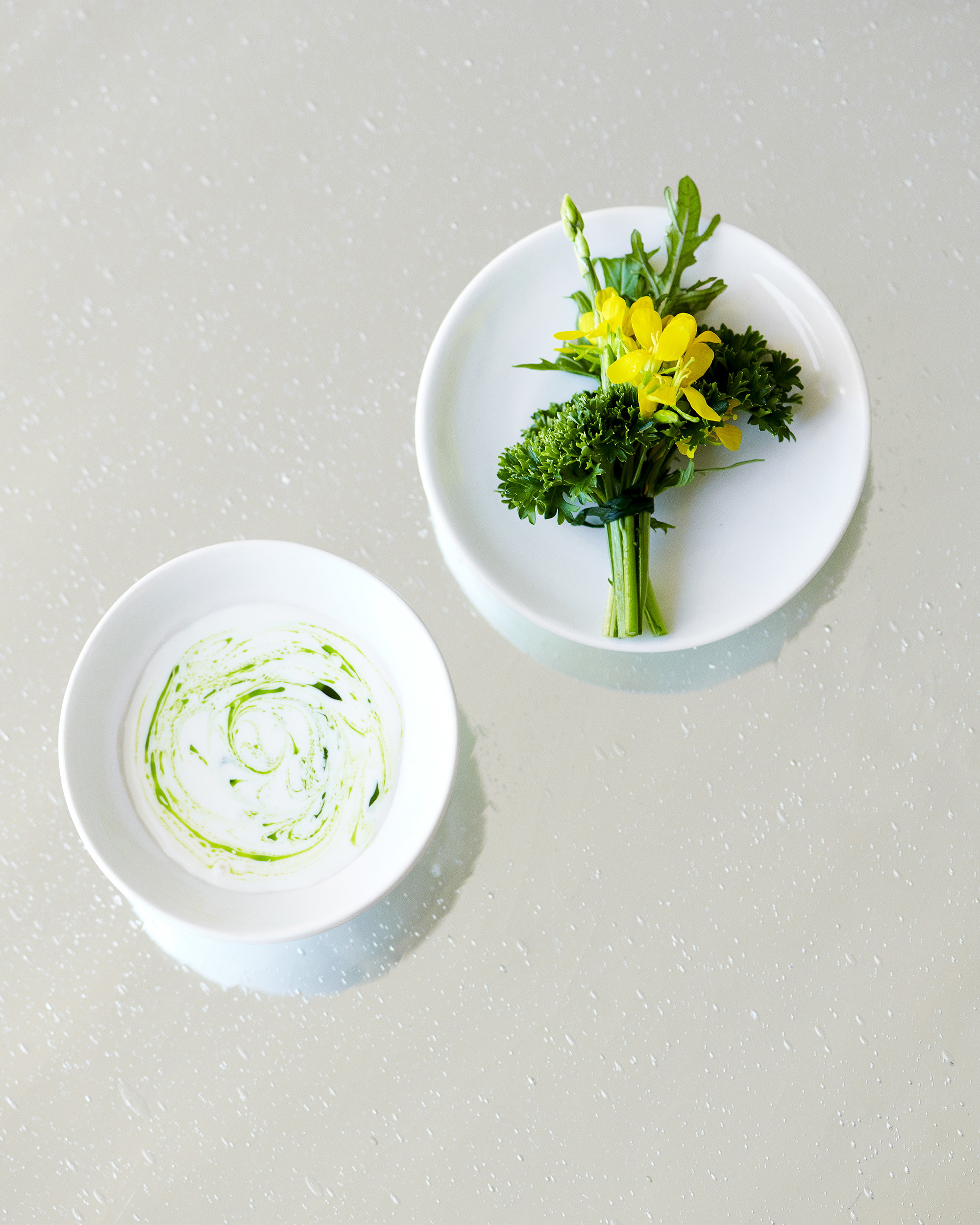
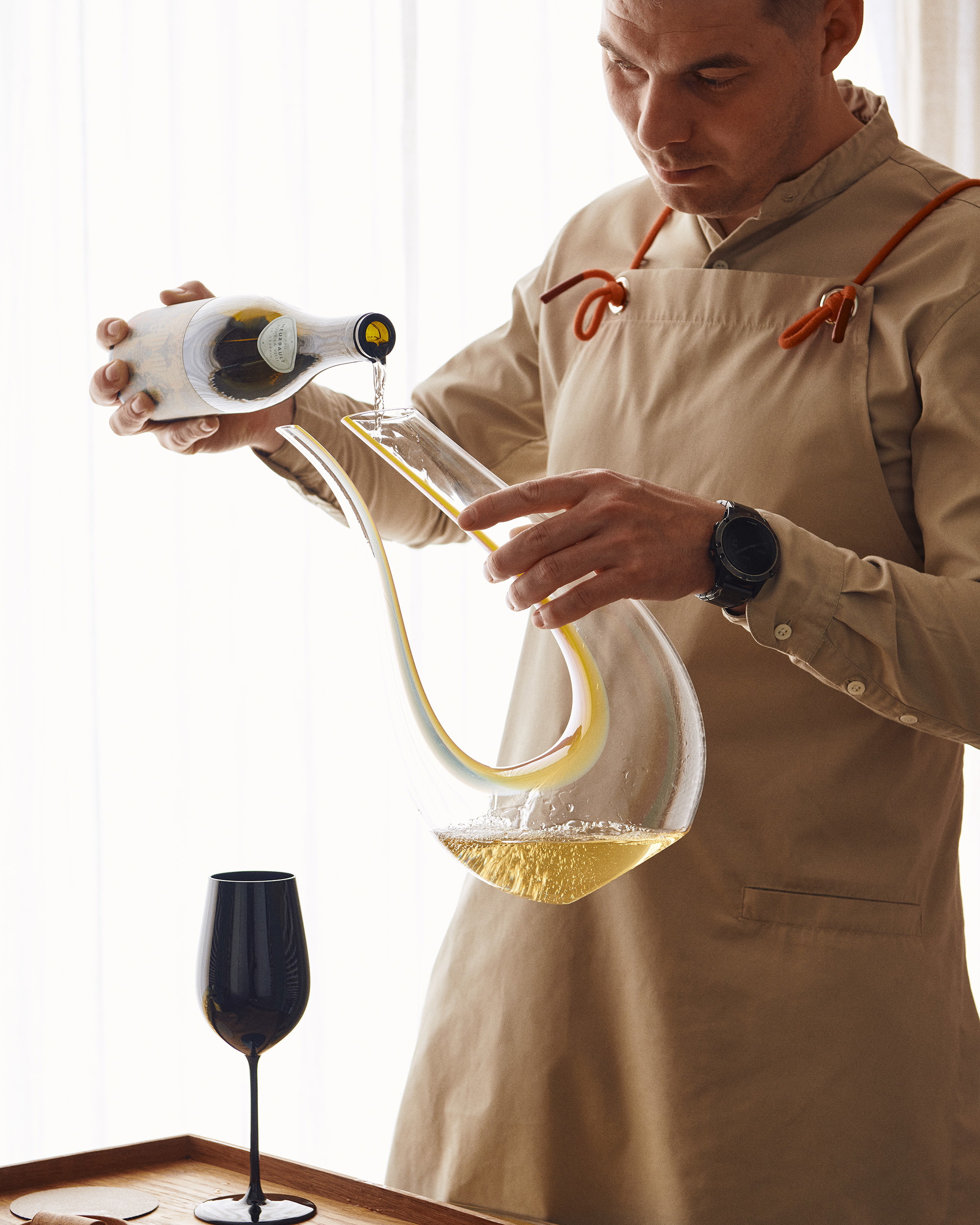
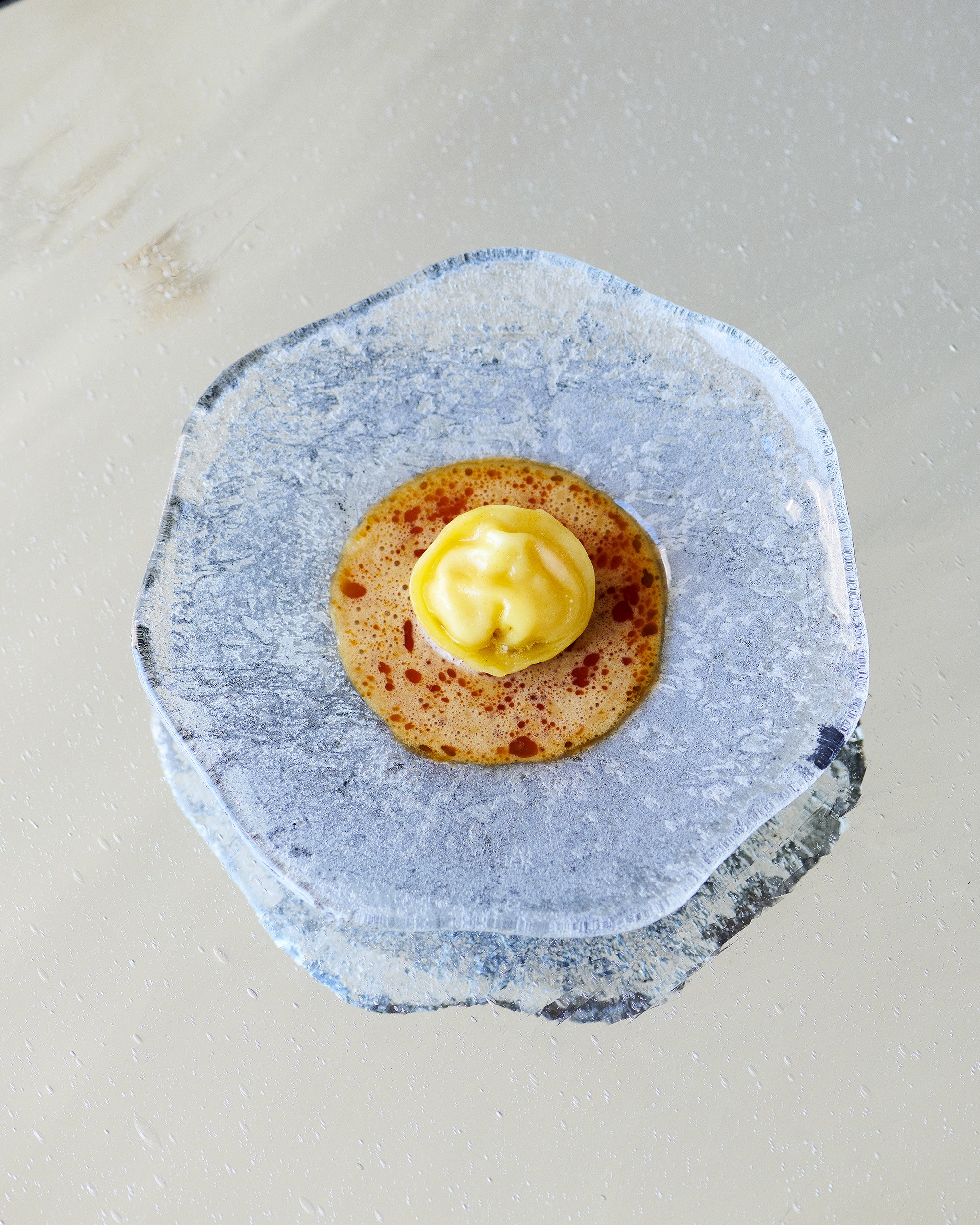
That sense of guidance—never rigid, never overly controlled—is central to Lyst’s identity. It reflects the broader philosophy described in the restaurant’s conception: a space where gastronomy, art, and architecture converge into a single, evolving experience.
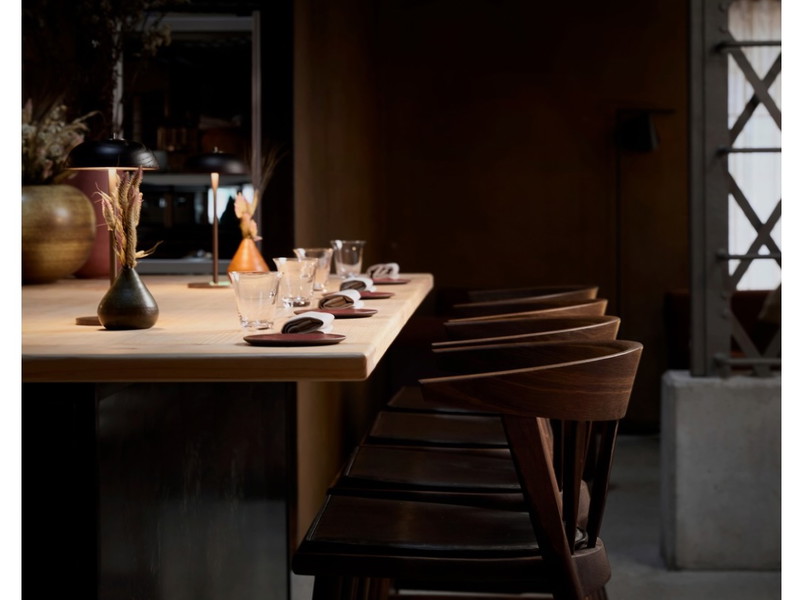
In practice, Lyst sustains attention by moving guests through a series of physical settings. A course might be served standing at the entrance, another at the bar, one by the fire outdoors, before the experience settles in the dining room—beneath sail-like structures echoing the surrounding fjord.
In the end, what Lyst offers is not a fine dining experience in a traditional sense, but a memory that resists easy explanation by including natural elements and theatric settings.
“We want to share with guests something that stays with them,” McBurnie says. “Even if they can’t fully explain it.”