Dream Vacations: Sleep Tourism Revolutionizes the Travel Industry
Good sleep is a luxury—especially in a world that rarely slows down. A new travel trend is tapping into our deep craving for restful nights: sleep tourism.
Europeans spend an average of around 3,000 hours a year sleeping, according to data from Germany’s Federal Statistical Office. During that time, a cascade of chemical processes takes place in the body—processes that play a crucial role in determining how fit, healthy, and resilient we remain over the long term. When sleep is disrupted—when we lie awake at night—the consequences for both mind and body can be serious. Everyone knows the feeling after a sleepless night: you’re drained, irritable, and completely worn out. The immune system can also be significantly weakened, and in the worst cases, serious health issues may arise. All of this points to just how essential restful sleep really is. And that’s exactly where a new travel trend comes in: Sleep Tourism.
New concepts
Luxury hotels around the world have long realized that true recovery is more than just a fleeting moment of relaxation. Initially, they expanded their offerings to include stress management techniques, mental health retreats, and holistic wellness concepts. Soon after came mindfulness activities like yoga and Pilates—gentle movements to soothe the often restless mind. But because physical exhaustion often runs much deeper, a new focus is emerging on something that had long been overlooked: the quality and duration of sleep. It’s a true paradigm shift—after all, sleep was once considered the most boring thing you could do while away from home. Today, it’s become a luxury in itself: intentional, deeply restorative nights that help regenerate both body and mind.
The COVID-19 pandemic, which has had a lasting impact on many people’s mental well-being—and, by extension, their sleep quality—has only amplified this trend. A study by the Medical University of Vienna found that in 2021, around eight percent of Austrians suffered from chronic insomnia; in Germany, the number of affected individuals had risen to over 43 percent just two years later. These alarming figures make one thing clear: sleep tourism is more than just a trend—it’s a response to an urgent societal issue.
Spoilt for choice in the pillow menu
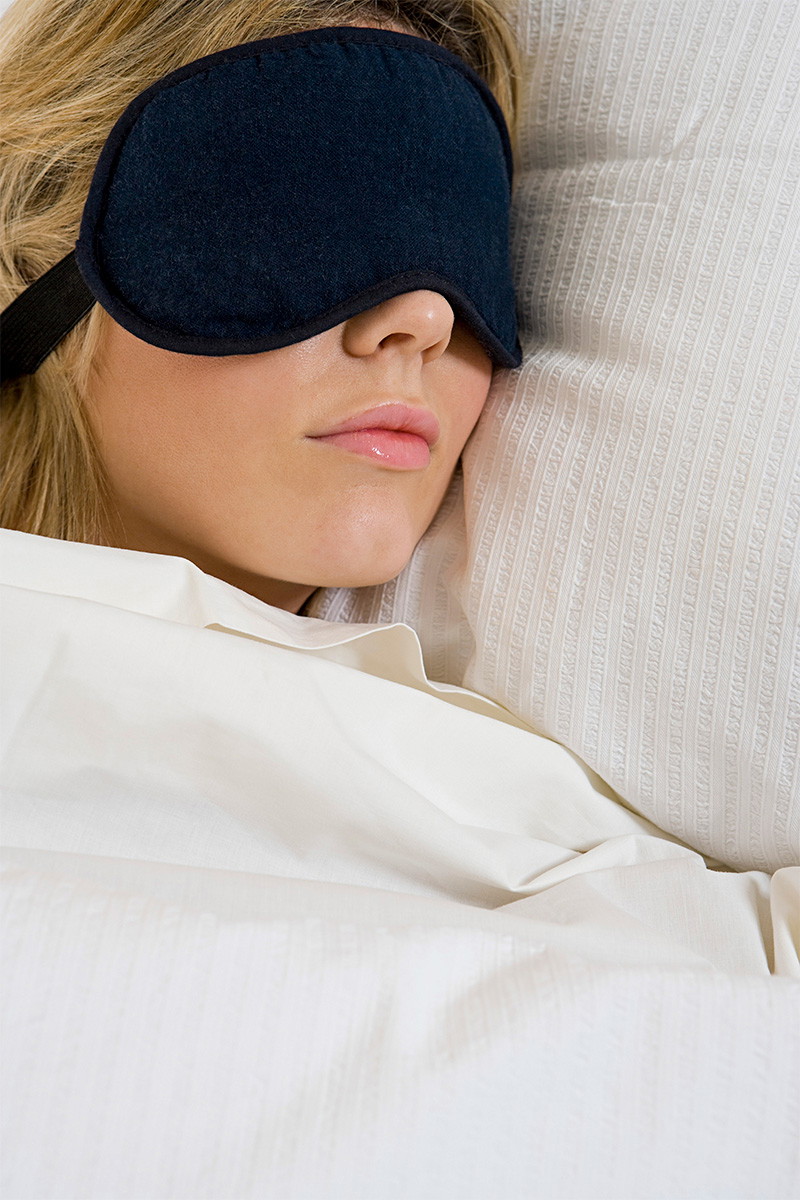
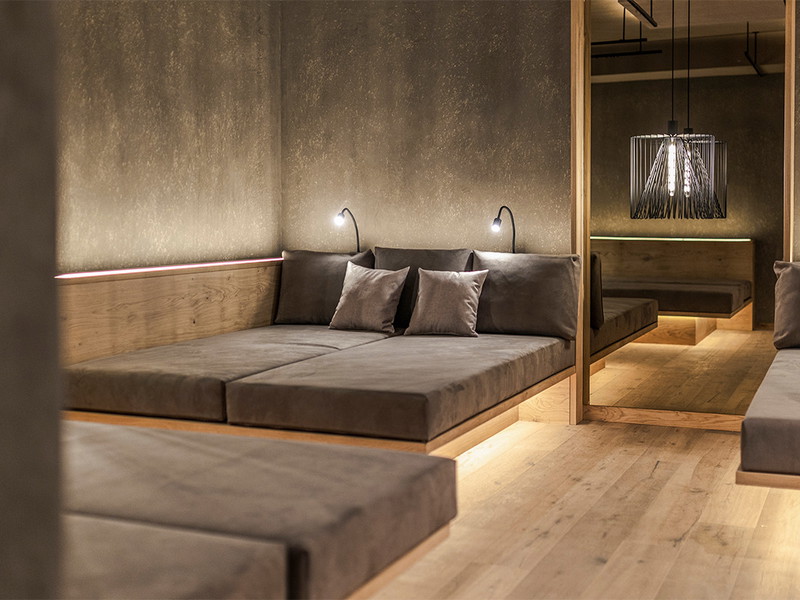
But what exactly does it take to get a good night’s sleep while traveling—earplugs, a sleep mask, your favorite pillow? The list could go on and on. Soundproof rooms have become standard in upscale hotels, and the most luxurious properties now also offer special aromatherapy sprays designed to stimulate melatonin production and promote drowsiness, along with humidifiers to create the ideal sleep environment.
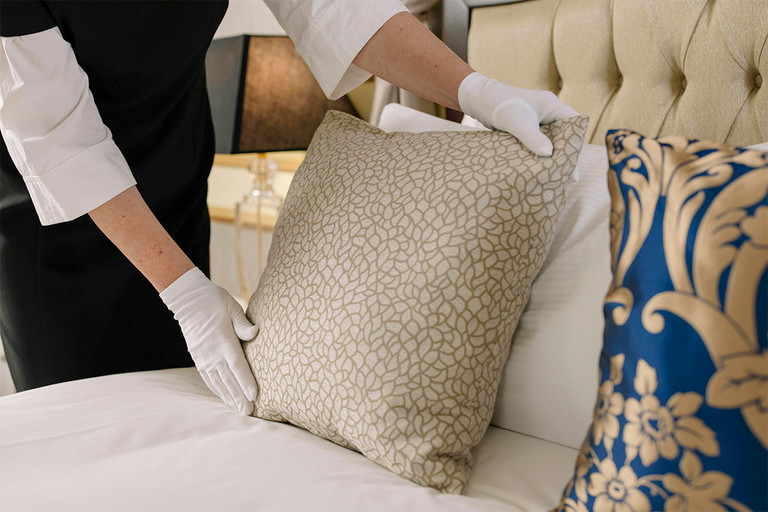
At the luxurious Calista Resort in Antalya, the pillow menu has proven its worth: Guests can choose between goose feather, buckwheat-filled or orthopaedic pillows in three different sizes. At "The Westin Grand" in Frankfurt, special anti-snoring pillows ensure peaceful nights. For people who perspire heavily at night, pillows with antibacterial bamboo filling are recommended; the unique pillow-top design also promises first-class support.
The women-only hotel Figueroa in Los Angeles has also recognized the power of a sensible bed: In the Rest & Recovery Suite, there are customized Pluto Pillow pillows that are designed to provide unparalleled comfort. Everything else is under control here too, from lighting such as the sunrise lamp to the evening nightcap and special earplugs. The highlight: Sleep Sticks have a positive influence on the circadian rhythm. Even the Eight Sleep mattress can be adjusted to provide guests with the perfect sleeping temperature. So that guests can focus entirely on rest and switch off more easily, Zedwell Hotel in London does away with distractions - no TV, no telephone, just lots of peace and quiet.
High-tech for sweet dreams
Anyone who doesn't offer a multifunctional mattress is lagging far behind. The exclusive Hästens bed brand is considered an absolute expert in making good beds - so what could be more obvious than developing a sleep spa hotel for restless travelers? The first of its kind was opened in Coimbra, Portugal, in 2020. Those who check in here can see for themselves the comfortable textiles and the sleep-promoting environment.
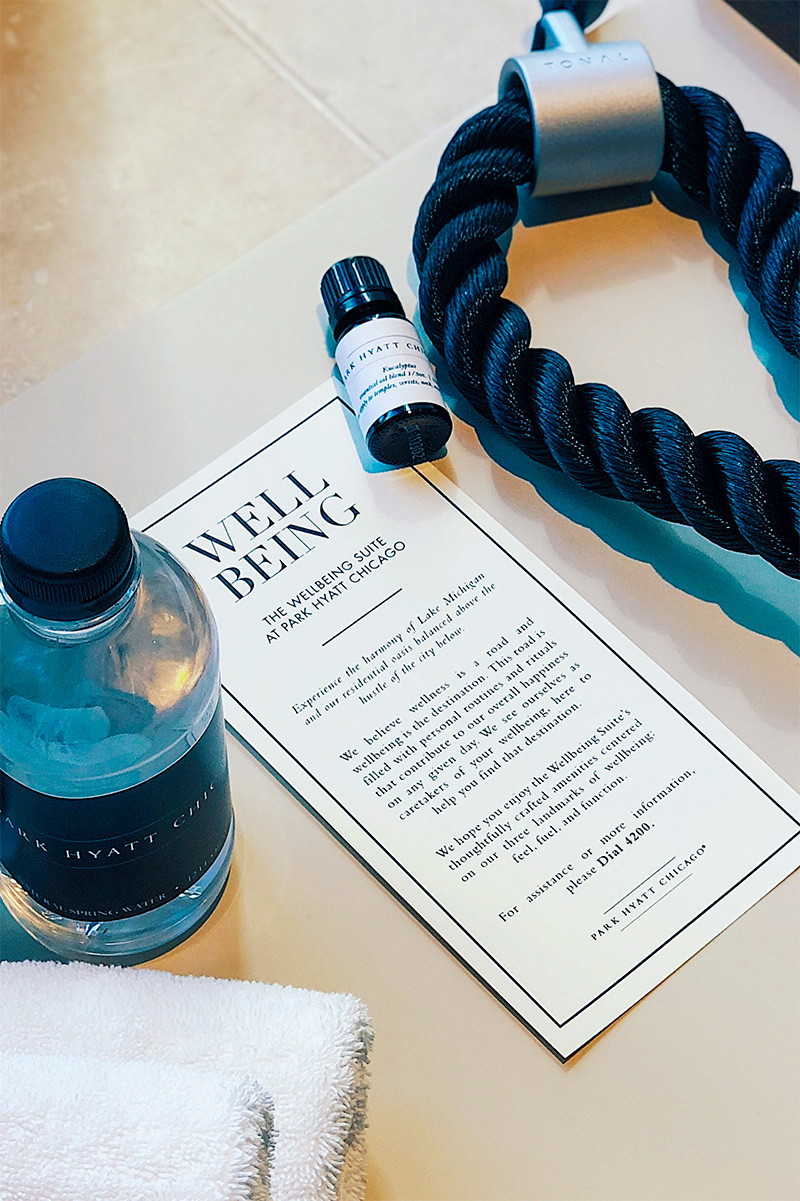
The Park Hyatt hotels in New York and Chicago are pioneers in the use of innovative technologies and rely on artificial intelligence: The Bryte Sleep Suites have been equipped with smart beds that recognize the body's pressure points and cushion accordingly for the ultimate comfort factor. No more shrill alarm clock sounds - a built-in technology ensures that you are gently rocked to sleep and wake up in the morning to gentle rhythmic movements. And the AI can do even more: it provides information on various sleep insights such as sleep duration and depth.
Mental Wellbeing
However, external conditions are not always the only cause of sleep deprivation. If your nerves are overstimulated or you get lost in a recurring spiral of thoughts, it can be helpful to get in-depth help to finally switch your head off again.
Some luxury chains, such as Rosewood, focus on holistic retreats that include mindfulness exercises and sleep-inducing treatments. As part of the Alchemy of Sleep, even the diet is being tweaked - after all, it has long been known that certain foods such as dairy products, nuts or bananas can stimulate melatonin production and have a sleep-inducing effect.
To make it easier to cope with jet lag and sleep better in the long term, guests at Anantara hotels, for example in Phuket or the Maldives, are assigned a sleep guru. The trained spa therapist relieves muscle tension with acupressure, breathing and massage techniques and prepares your body for a restful night's sleep with gentle sounds and fragrances. The best thing is that the treatment takes place in your own suite, so you can put on the cooling gel eye mask straight after a sleep-inducing herbal tea and fall into your freshly prepared bed.
You couldn't possibly do more - except in the "Six Senses" on Ibiza, where you can book entire sleep programs of three to seven nights. With the help of a Sleep Doctor, you can work at full speed on a sustainable sleep pattern and an energetic lifestyle. Even the power nap has made it into luxury vacations: at the Four Seasons Resort Bali, the sacred nap is an integral part of various meditation programs.
Paradigm shift
"The previous paradigm was that sleeping is the most boring thing you can do on vacation," Kaushik Vardharajan, a professor at the Boston University School of Hospitality Administration, explained in a recent New York Times report. Today we are smarter: people are longing for rest and relaxation, and as all the progressive measures and programs show, sleeping like on clouds is no longer a dream. Sleep Tourism is the answer to stressful everyday life - and restful sleep is probably one of the most precious gifts you can give yourself when traveling.