No Signal, No Noise: The World’s Most Beautiful Places to Switch Off
Digital detox travel is on the rise: more and more people are deliberately choosing destinations with little or no mobile reception. Falstaff TRAVEL reveals where slowing down meets breathtaking nature.
Travelling offline is on the rise: more and more people are deliberately seeking out destinations without mobile reception, as an analysis by travel eSIM app Saily shows. Remote regions with limited connectivity often rank among the most spectacular landscapes in the world. Falstaff TRAVEL presents the most beautiful places to go offline.
Travelling without a signal is no longer a niche trend. Around one in four adults has already taken a digital detox trip, while one in five actively looks for destinations with little or no connectivity. The reward: extraordinary landscapes, silence, and a rare sense of escape.
Kamikochi Valley, Japan
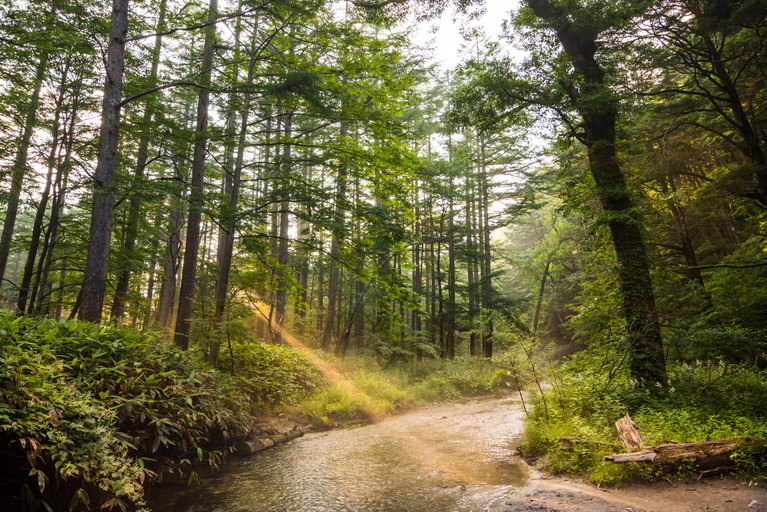
Nestled in the Northern Japanese Alps, Kamikochi is a haven for nature lovers and hikers. From gentle walks along the crystal-clear Azusa River to demanding alpine treks, the valley offers a range of experiences. Highlights include the iconic Kappabashi Bridge with views of the Hotaka mountain range and the Myojin Pond. For true tranquillity, follow the quieter riverside trails away from the main paths.
Banff National Park, Canada
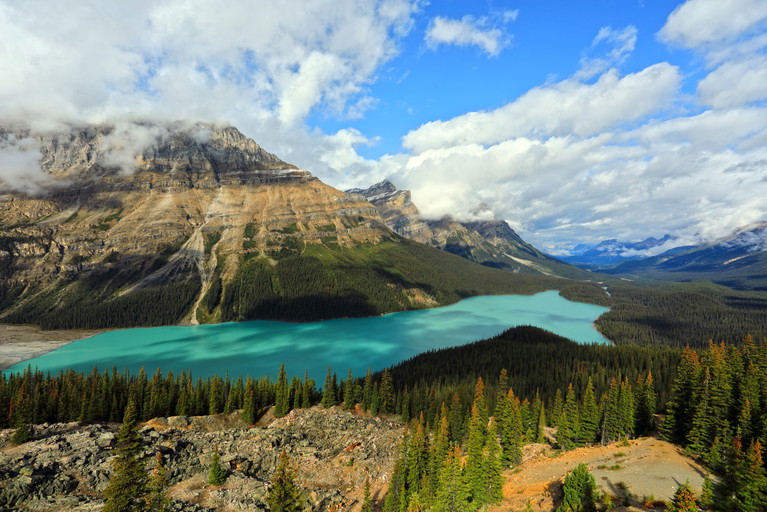
Canada’s oldest national park captivates with turquoise lakes and the dramatic scenery of the Rocky Mountains. While Banff offers a wide range of outdoor activities – from hiking and mountain biking to climbing and horseback riding – those seeking a digital detox should head for the park’s lesser-travelled trails, far from the more frequented areas.
Bakir Köylar, Türkiye
Located along the Black Sea coast in northeastern Türkiye, Bakir Köylar is an idyllic retreat far from mass tourism. Rolling green mountains, dense forests, and traditional villages define the landscape. Here, life follows a slower rhythm, offering visitors an authentic glimpse into local culture and a deep connection to nature.
Death Valley National Park, USA
The driest and lowest national park in the United States, Death Valley is a place of vast silence and striking desert landscapes. As a certified International Dark Sky Park, it is ideal for stargazing, particularly in spring when the Milky Way is clearly visible. Remote dunes, salt flats, and mountain viewpoints provide the perfect setting to truly switch off.
Erawan National Park, Thailand
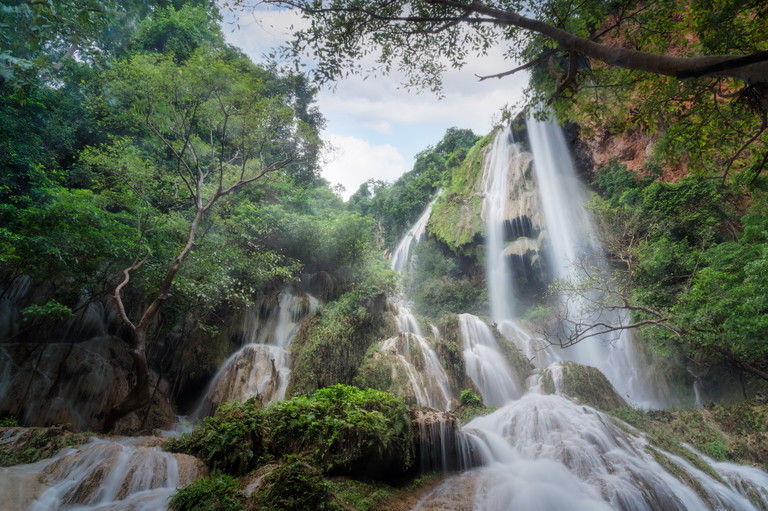
Located northwest of Bangkok, Erawan National Park is famed for its seven-tiered waterfall, whose emerald pools invite a refreshing swim. Beyond the waterfalls, visitors can explore caves adorned with stalactites and ancient rock paintings. The park is also home to diverse wildlife, including elephants, making it a rewarding destination for both hikers and nature enthusiasts.
Daintree Rainforest, Australia
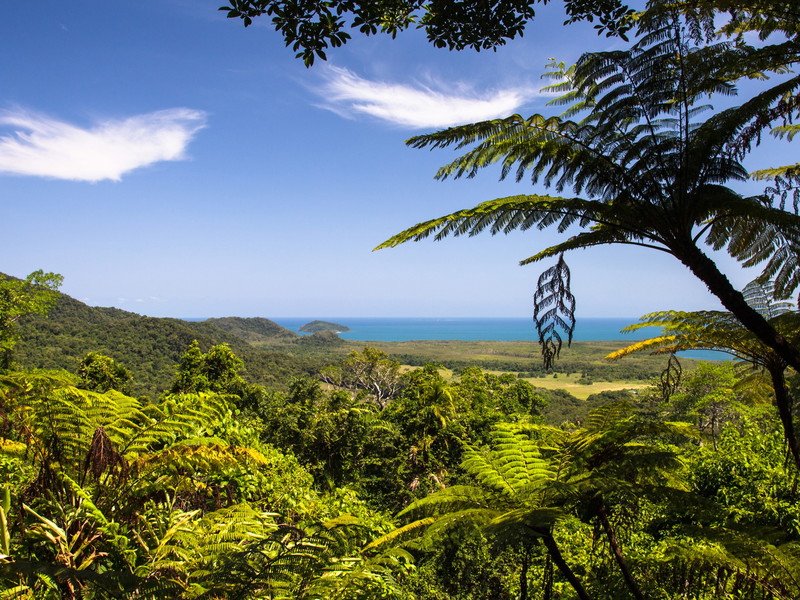
So extraordinary that Sir David Attenborough once called it “the most remarkable place on Earth,” the Daintree Rainforest is the oldest rainforest in the world, dating back over 180 million years. Its rich biodiversity and ancient atmosphere are palpable at every step. Experiences range from crocodile spotting to encounters with the Kuku Yalanji people, who share their deep-rooted knowledge of the land.
Grand Canyon National Park, USA
At first glance, the Grand Canyon may seem like “just” a vast geological formation – but standing at its edge tells a different story. Carved over millions of years, it inspires awe with its immense scale and layered rock formations. Home to thousands of plant and animal species and sacred to several Indigenous communities, it is a place of both natural and cultural significance. For a deeper experience, venture beyond the main viewpoints and descend into the canyon along quieter trails such as the South Kaibab Trail.