Skip to content
© Adobe Stock / rh2010

City Trips for Foodies

Nordics
Travel
Lifestyle

An evening in Krakow in Poland’s first and only two‑star restaurant? A pintxos spree in San Sebastián? Or simply taking a bold bite into Copenhagen’s best smørrebrød? When it comes to culinary city trips, Europe offers an abundance of choice. Falstaff therefore presents the ten most exciting foodie hotspots of 2026.

Bologna – Tradition and Perfected Simplicity

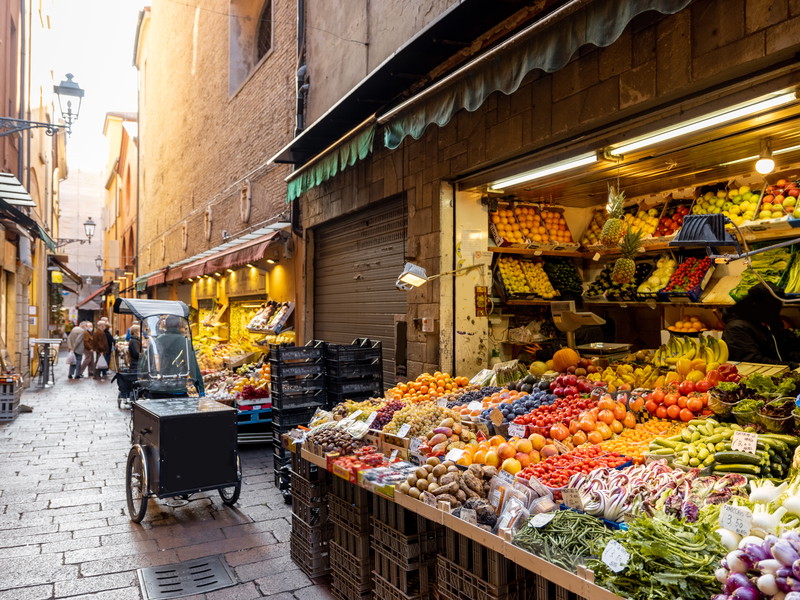
La Grassa! “The Fat One!” Bologna’s nickname may sound somewhat unflattering, yet it is both affectionate and full of promise. After all, it refers to the opulence with which the northern Italian city draws from its culinary abundance. In Bologna and the surrounding region of Emilia‑Romagna, producers create world‑famous products. Delicate Parma ham comes from here, as does the hard cheese Parmigiano Reggiano and, of course, Mortadella di Bologna. In the Quadrilatero district, a historic labyrinth overflowing with delicatessen shops, markets, and restaurants, one finds all these delicacies and much more.

In countless restaurants, visitors can also indulge in iconic dishes that originated here. Exquisite tagliatelle al ragù are served at “Taverna Di Roberto.” “Trattoria Da Me” tempts diners with tortellini in brodo. And the lasagna at “Osteria Dell’Orsa”? Delicious! A classic trattoria such as “Da Cesari” likewise reflects the essence of Bologna with its dishes: an honest cuisine deeply rooted in tradition, characterized by breathtakingly perfected simplicity.

Yet no matter which restaurant one ultimately ends up in, an aperitivo beforehand is naturally part of the experience. In this case, perhaps a spritz with the Bologna liqueur Sarti. Salute!

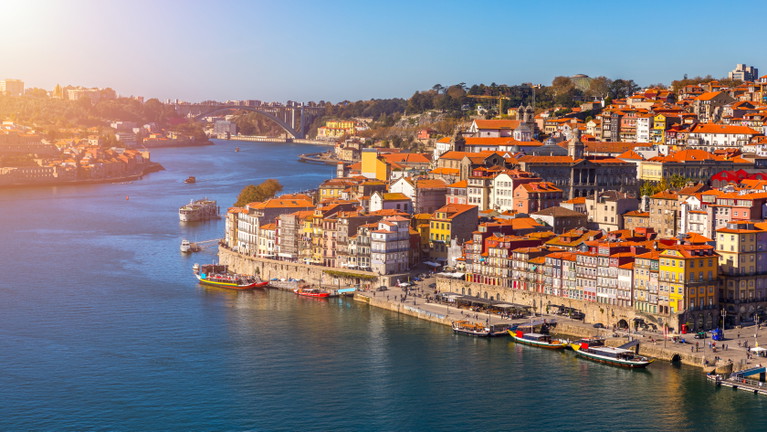
Porto – Authentic and Innovative in Northern Portugal

Not quite daring enough to try the tripe dish Tripas à moda? No worries. In the streets of Porto there are many other ways to discover the authentic cuisine of the city on the Douro River – from the cabbage‑and‑potato soup Caldo Verde to a wide variety of bacalhau dishes.

Looking for refined places to dine? For example, “Cozinha do Manel” or “Flor dos Congregados.” In the two‑star restaurants “Casa de Chá da Boa Nova” and “Antiqvvm,” by contrast, exquisite Portuguese products and aromas merge with innovative ideas.

And every now and then Porto becomes delightfully sweet. At the “Confeitaria do Bolhão,” one quickly succumbs to cakes and Portuguese pastries, just as easily as to the pastéis de nata at “Manteigaria.” Last but not least, one should retreat for a glass or two of Ruby or Tawny in one of the port wine cellars in Vila Nova de Gaia. After all, the Douro Valley wine region is not far away.

In the port city on the Douro River, sardines and bacalhau are simply unavoidable.
(c) Adobe Stock / daliu
In the port city on the Douro River, sardines and bacalhau are simply unavoidable.

Stockholm – Much More Than Meatballs and Cinnamon Buns

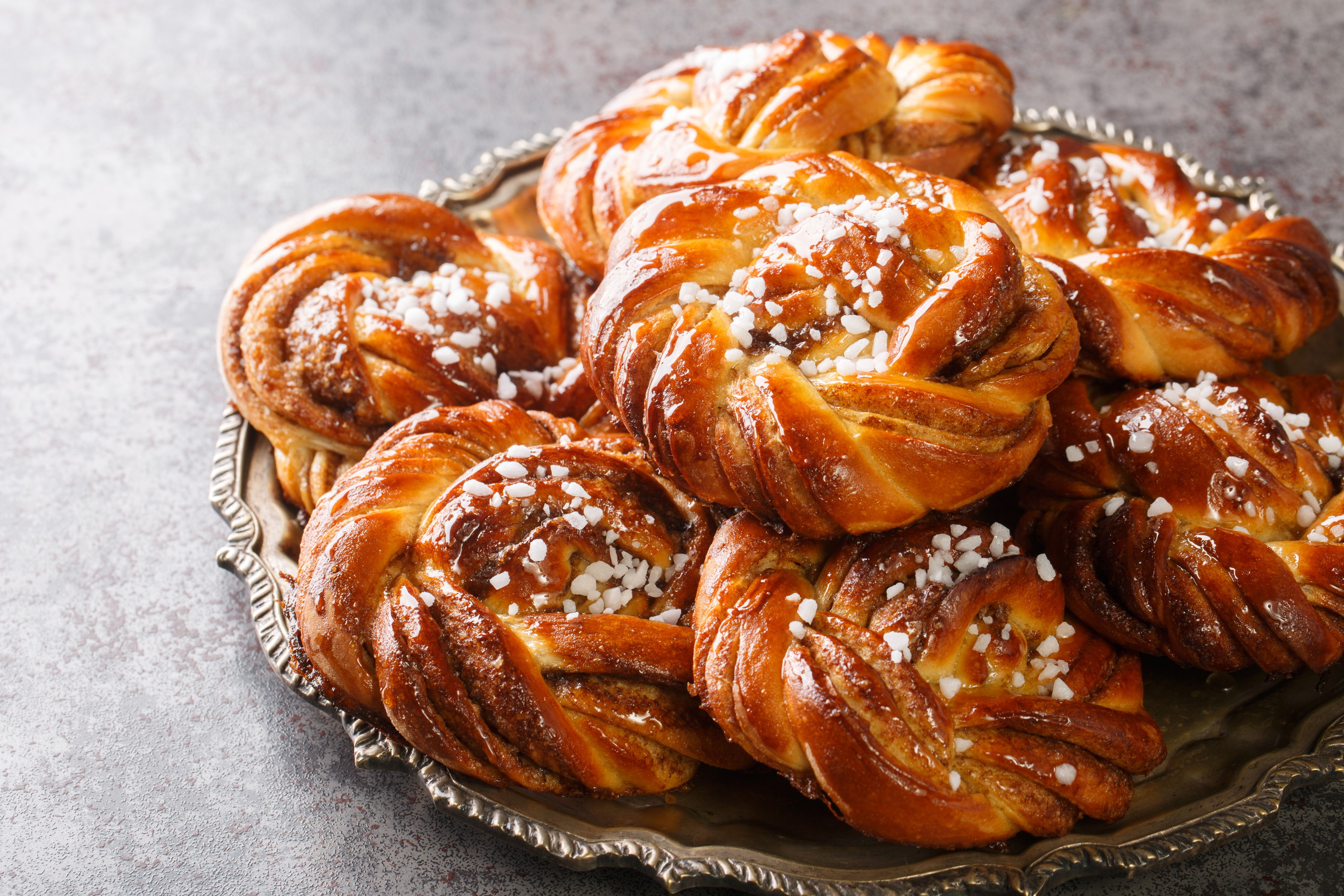
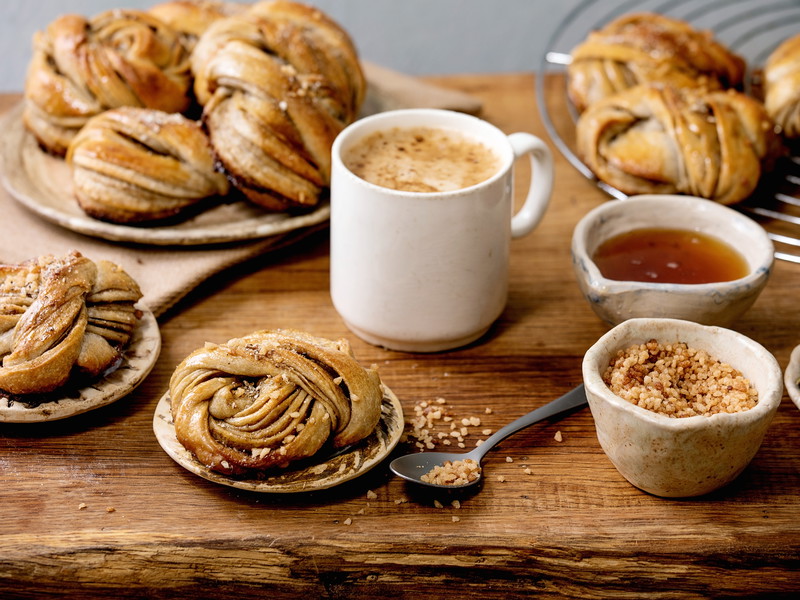
Where can the best cinnamon bun be found? At “Lillebrors Bakeri”? At “Valhallabageriet”? Or perhaps somewhere else entirely? In any case, these kanelbullar will be delicious and an irresistible accompaniment to fika, that coffee break which is actually far more than that and a genuine Swedish cultural tradition.

Yet beyond this pastry classic, Stockholm wins the hearts of food lovers with its relaxed atmosphere and Nordic style. Whether one is drawn to stylish bistros or one of the city’s 18 Michelin‑starred restaurants, whether wandering through the streets of the old town Gamla Stan or exploring other districts such as the trendy Södermalm.

Regionality and sustainability have meanwhile become standard in many restaurants. Traditional specialties remain essential: from gravlax and herring to Toast Skagen with shrimp and roe, and of course the famous meatballs, köttbullar.

Classics are often reinterpreted in fresh ways, as at “Restaurang Hantverket.” At “Frantzén,” the New Nordic Cuisine reimagines Nordic ingredients with global ideas and techniques at the level of three Michelin stars.

San Sebastián – A Star‑Studded City with a Pintxos Obsession

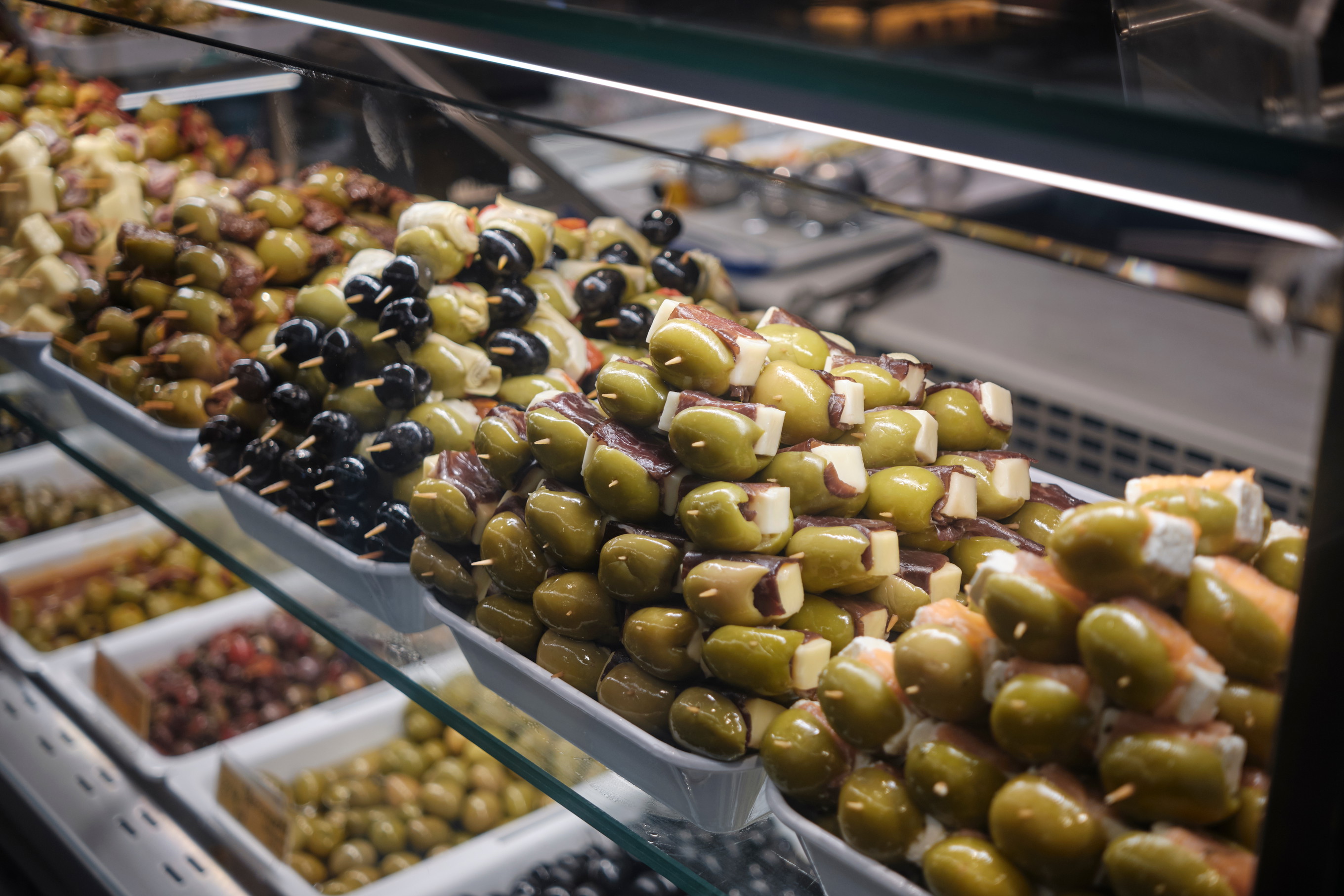
First a pintxo with grilled octopus, then one with butter‑tender beef cheek – and yet that is only the beginning. In the medieval old town streets of San Sebastián, one wanders with delight between counters and bars, confronted by an almost endless parade of pintxos competing for attention in establishments ranging from “Zeruko” to “La Cuchara de San Telmo.”

Yet as enchanting as these skewered tapas delicacies may be, they are only the first foretaste of the culinary world of the capital of Spain’s Basque Country.

Even during a leisurely gourmet stroll through the “Mercado San Martín,” the variety of Basque specialties presents visitors with a difficult choice. Should one try Idiazabal cheese? Enjoy a slice of pastel vasco – Basque cheesecake? Or perhaps savor freshly caught seafood from the Bay of Biscay with a glass of lively Txakoli wine?

The evening then belongs to restaurants of world‑class caliber. In proportion to its population of 190,000 inhabitants, San Sebastián still possesses one of the highest densities of Michelin stars of any city in 2026. Among the 13 awarded restaurants are three that hold three Michelin stars – such as “Arzak.” Avant‑garde, Basque, and exciting.

Madrid – Tapas, Churros, and Innovative Gourmet Cuisine

Culinary pleasures are omnipresent in Madrid. Not only when sitting in “Casa Alberto” or other traditional establishments enjoying the stew cocido madrileño or the tripe dish callos. Or when one is left breathless by highly creative gourmet cuisine such as that at “DiverXO,” with its three Michelin stars.

During appetizing strolls through the Spanish capital, there is always time for churros con chocolate at the “Chocolatería San Ginés” or for a bocadillo de calamares – a sandwich filled with fried squid rings – at “Bar La Campana.”

The metropolis entices visitors everywhere with historic pastry shops, dimly lit bodegas, neighborhood markets, and outstanding gourmet restaurants – and, of course, tapas bars. Simply order patatas bravas, garlic shrimp, or a few croquetas, accompany them with a beer, and then absorb the vibrancy and sociability that surround you.

Copenhagen – Smørrebrød and Haute Cuisine in the North

The revolutionary restaurant “Noma” may now only exist as a pop‑up restaurant and visionary food laboratory. Yet the innovative, sustainable, and clear spirit of New Nordic Cuisine, with which it once turned the local gastronomy scene upside down, has spread widely throughout Copenhagen.

With 20 restaurants holding one or more Michelin stars, as well as 23 Bib Gourmand recommendations, the Danish capital remains an absolute paradise for food lovers. Leading positions are now held by “Geranium” and “Jordnær,” each with three Michelin stars.

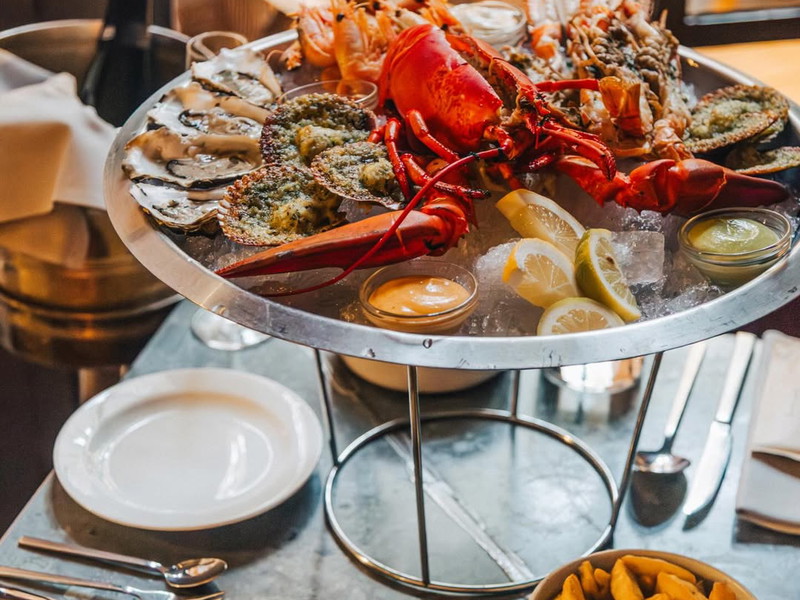
Elsewhere, too, the vibrant gastronomic scene is delicious, stylish, and cosmopolitan. One can order oysters at “Kødbyens Fiskebar” in the former meatpacking district, enjoy Mexican street food from former Noma chef Rosio Sanchez at “Hija de Sanchez,” or take a bite of an Argentine Black Angus sandwich with chimichurri at the trendy “Reffen Street Food Market.”

Another must in Copenhagen is traditional smørrebrød, the open‑faced rye bread sandwich, served generously topped at places such as “Aamanns” or “Selma.” Yet there should always remain room for an irresistible cinnamon bun at “Hart Bageri.”

Berlin – A Foodie World Tour

Standing in line is part of the experience. Whether one chooses the famous currywurst at “Curry 36” or the döner kebab across the street at “Mustafas Gemüse Kebab.” Germany’s capital still stands for these snack classics, yet it has long since earned the reputation of being one of Europe’s hottest culinary destinations.

From Kantstraße with its abundance of Asian restaurants to the elegant addresses in Mitte and the trendy district of Friedrichshain: Berlin is surprising, dynamic, and extremely global.

At “Rutz” (three stars) as well as at “Tim Raue” and “Horváth” (each with two stars), Michelin‑awarded haute cuisine is created. Yet even without stars, one encounters world cuisine at a high level.

Krakow – Hearty and Modern in Southern Poland

Pierogi, filled dumplings, are as essential to a trip to Krakow as strolling through the picturesque old town or the cool Jewish quarter of Kazimierz with its many restaurants, bars, and cafés.

As rich in history as this southern Polish city may be, its local cuisine is equally hearty and rustic – from the robust stew bigos to the sour rye soup żurek.

In contemporary restaurants, however, these dishes are now interpreted in modern ways, for example at “Karakter,” “Szara Gęś w Kuchni,” or above all “Bottiglieria 1881,” the first restaurant in Poland to receive two Michelin stars.

Lyon – A Hearty Gourmet Metropolis

At the entrance to the market halls “Les Halles de Lyon Paul Bocuse,” visitors are greeted by a gigantic mural of the legendary chef Paul Bocuse.

The city on the Rhône is considered one of the great gourmet capitals of France. Here one can sample delicacies, wines, and regional specialties.

Among the great gourmet institutions is “Mère Brazier,” opened in 1921, where Eugénie Brazier became the first woman to earn three Michelin stars in 1933.

Lyon is also famous for its bouchons – traditional eateries such as “La Meunière” or “Le Musée.” There, hearty classics such as andouillette sausage or pike dumplings (quenelles) are served.

The city on the Rhône is considered one of the great gourmet capitals of France.

Lyon, France

Lyon, France

Tirana – Uncharted Territory

For many food lovers, Tirana remains a blank spot on the culinary map. Unjustly so. Albania’s dynamic capital contains numerous culinary discoveries.

In the local cuisine, Balkan and Oriental influences meet Mediterranean lightness and hearty home cooking. The national dish is tavë kosi – lamb in a yogurt and egg sauce.

In restaurants such as “Mullixhiu,” chef Bledar Kola reinterprets traditional dishes in creative and sustainable ways.

Yet sometimes a simple street‑food classic such as a crispy byrek or a Turkish coffee at a corner café is enough to discover the local culinary culture.

Find out more
1 / 12