Beyond the Grill: Shichirin and the Culture of Shared Dining
At Shichirin, dining begins not with a dish, but with fire. Built around the rituals of Japanese grilling, the restaurant invites guests to cook, share and slow down together — turning a meal into a collective experience shaped as much by interaction as by flavour.
When Shichirin first opened its doors, it introduced something still rare in the Baltic dining landscape: a restaurant built not just around Japanese cuisine, but around the rituals that define it. At its centre is fire—literal and symbolic—bringing people together around the table in a way that feels both ancient and immediate.
The concept, created by Artūrs Artjoms Ļašenko, extends a journey that began with Shoyu Ramen, his Michelin-recognised ramen bar. With Shichirin, the focus shifts from individual bowls to shared experience: grilling, cooking, and eating as something collective. “The communal dining experience is what shapes the overall feeling of togetherness,” he explains. “When you’re surrounded by friends, family or even business partners, the food becomes better. And when you’re involved in making it—even a little—it becomes something else entirely.”
The Ritual of Eating Together
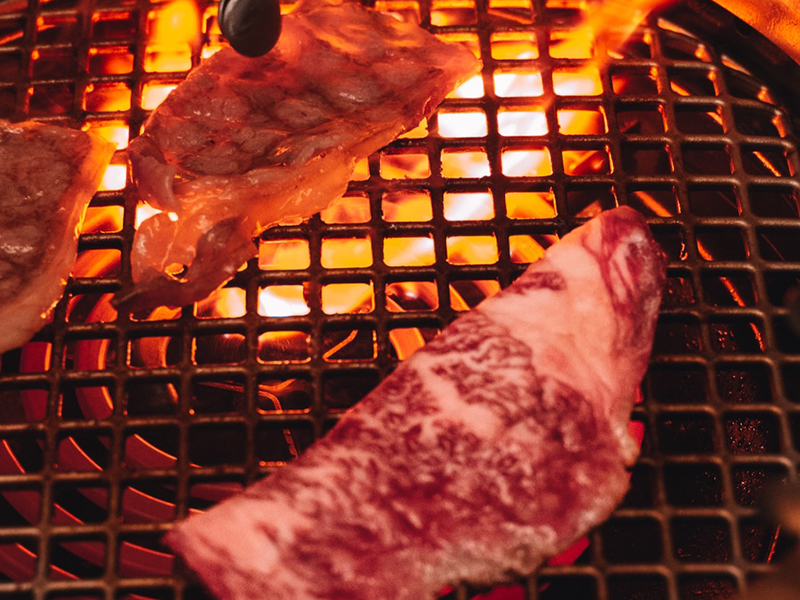
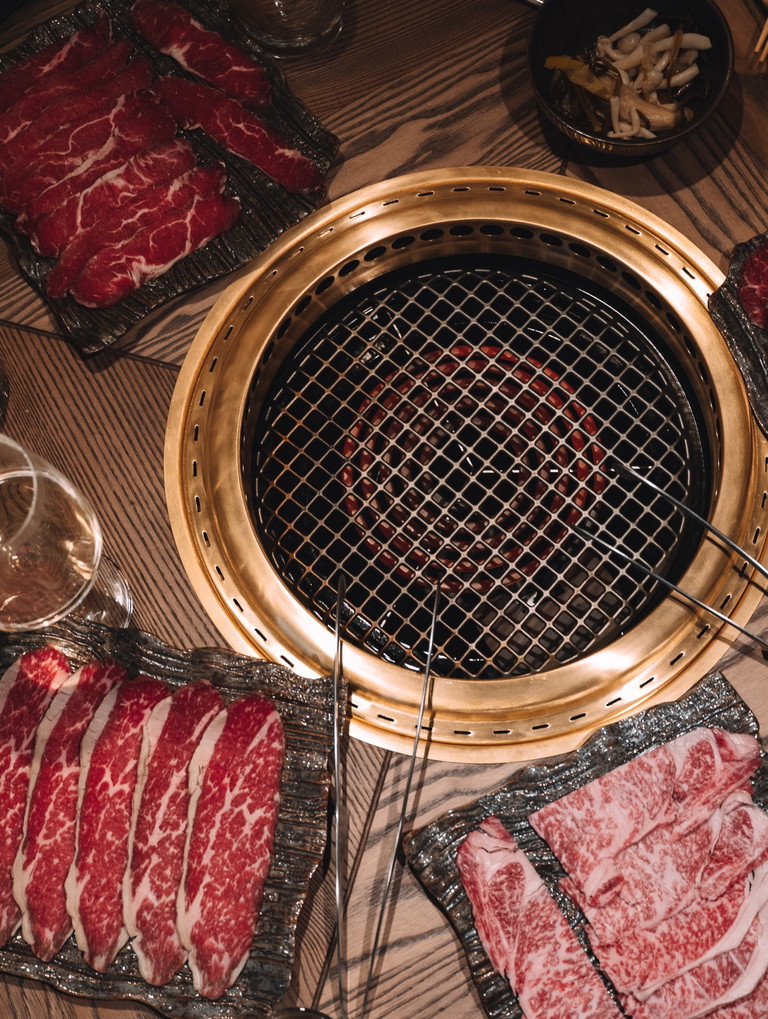
This idea of participation runs through the entire restaurant. Each table is equipped with a traditional Japanese grill, where guests cook their own selection of meats and vegetables. It is a format rooted in yakiniku, but here it becomes something broader—a way of slowing down, engaging, and reconnecting with the act of eating. “Psychologically, people connect more with something they are part of,” Ļašenko says. “It’s like making an apple pie at home—it will always taste better than one bought in a shop.”
Fire, then, is not simply a cooking method. It is a cultural anchor. “Human culture has always revolved around cooking with fire,” he reflects. “It’s our heritage. And here, it also gives control—everyone can decide how they want their meat, from rare to well done. That’s part of the experience.”
Translating Japan
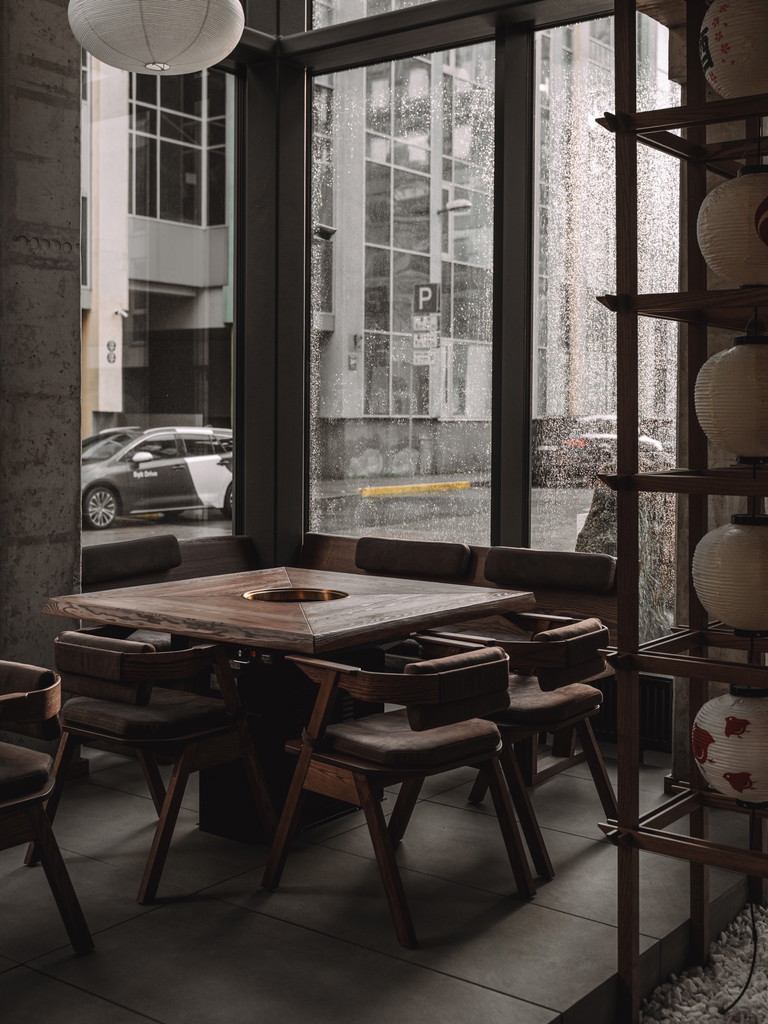
The restaurant itself carefully balances authenticity with context. While deeply rooted in Japanese tradition, it avoids superficial interpretation. Instead, the details are deliberate: grills imported from Japan, interiors crafted locally, and decorative elements—lanterns, sake barrels, historical objects—that evoke a quiet sense of place. “We try not to create unnecessary fusions,” Ļašenko notes. “All of the interior is handmade by a local woodworking craftsman. I have brought paper lanterns, stone lanterns that were created in the Meiji period, sake barrels on the bar and many more design items that make a huge impact on our guests - leaving them speechless that they are truly in “a small Kyoto” at the moment. We try our best not to make any unnecessary fusions that could lead to the concept moving even slightly out of Japanese trail.”
On the plate, this philosophy becomes tangible. Yakiniku remains the central pillar, but it is joined by other formats that emphasise shared dining. Sukiyaki, prepared in the Kanto style, arrives as a complete composition—meat, vegetables, tofu, and sweet soy broth simmering together. Shabu-shabu offers a lighter, more delicate counterpart, inviting guests to cook thin slices in hot broth at their own pace.
Yet for Ļašenko, these dishes are less about category and more about meaning. “Yakiniku, sukiyaki, shabu-shabu—they are all about comfort. About being together. It’s not just food. It’s a ritual. A moment of solidarity.”

You don’t start from zero. You build on what you already have.
Artūrs Artjoms Ļašenko
Rituals, Etiquette and the Beauty of Detail
Even within this informality, there are layers of etiquette—subtle rules that shape the experience. Some are practical, like avoiding wooden chopsticks when turning meat on the grill. Others reflect deeper cultural codes. “There’s the idea of senpai and kohai,” he explains. “You serve others at the table—especially those older or of higher status. You pour their drinks, you take care of them. And there is one rule you should always follow: grilled meat goes on rice. Always.”
Attention to detail extends beyond the visible. In the kitchen, small elements carry significant weight. The tare sauce, for example—a cornerstone of Japanese grilling—is treated as a living ingredient. “It evolves over time,” Ļašenko says. “You don’t start from zero. You build on what you already have.” Comparing a freshly made tare to one aged over years, he draws parallels with fine spirits: depth, complexity, and identity shaped through time. “For me, it’s as important as the ingredients themselves.”
That same precision defines the sourcing process. Finding the right balance between quality and accessibility was, by his own admission, one of the most challenging aspects. “We tested nearly a hundred different cuts—different countries, feeding methods, breeds,” he says. The result is a menu that goes beyond luxury signifiers like Wagyu, offering alternatives such as American chuck roll or Canadian bison—cuts chosen for flavour rather than prestige. “You don’t need the most expensive meat for a great experience.”
After the Table Clears
There is also a quiet ambition behind the concept. While the restaurant already operates as a complete experience, future plans include a more intimate omakase-style space—though even here, adaptation plays a role. “Classic kaiseki would be too much for the Baltic palate,” Ļašenko admits. “We’ll keep it authentic, but adjust the balance. Less dashi, perhaps.”
Ultimately, Shichirin is not about instruction, but about feeling. The layers of tradition, technique, and storytelling are there for those who wish to explore them—but they are never imposed. “I want guests to learn and feel at the same time,” he says. “The design, the story of the concept and our hospitality—all of it will make them learn Japanese culture and simultaneously feel the experience. Maybe some of them will even buy a ticket to Japan”.
What he hopes they take away is something simpler. “A warm feeling,” he pauses. “Something hearty. Because everything here comes from what I experienced in Japan. And I think people can sense that.”
In a dining scene that often moves quickly, Shichirin offers a different tempo—one shaped by fire, shared space, and the quiet rituals of eating together.