Skip to content
© Natasha Breen

Fika: The Swedish Ritual That Redefines the Coffee Break

Nordics
Sweden
Coffee
tradition

Coffee is a daily ritual around the world, but in Sweden it is something more. Known as Fika, the simple act of pausing for coffee and something sweet has become a defining element of everyday life.

In much of the world, coffee is a habit—consumed quickly, often on the move. In Sweden, it follows a different rhythm. Known as Fika, the daily coffee break is less about caffeine than it is about pause, a moment deliberately set aside and repeated with quiet consistency.

A Pause Built Into the Day

Fika is so deeply embedded in Swedish life that it exists as both a noun and a verb. One can take a fika or simply fika—and the meaning is immediately understood: coffee, something sweet, and time shared with others.

The term itself is believed to derive from an inversion of the old Swedish word for coffee, kaffi. Introduced in the 18th century, coffee was initially the focus. Over time, however, the ritual expanded. Pastries—known collectively as fikabröd—and conversation became just as central as the drink itself.

Today, fika is not confined to cafés. It takes place in offices, homes, and public spaces, often twice a day. Work is set aside, and attention shifts—to conversation, to stillness, or simply to the act of pausing.

More Than Coffee

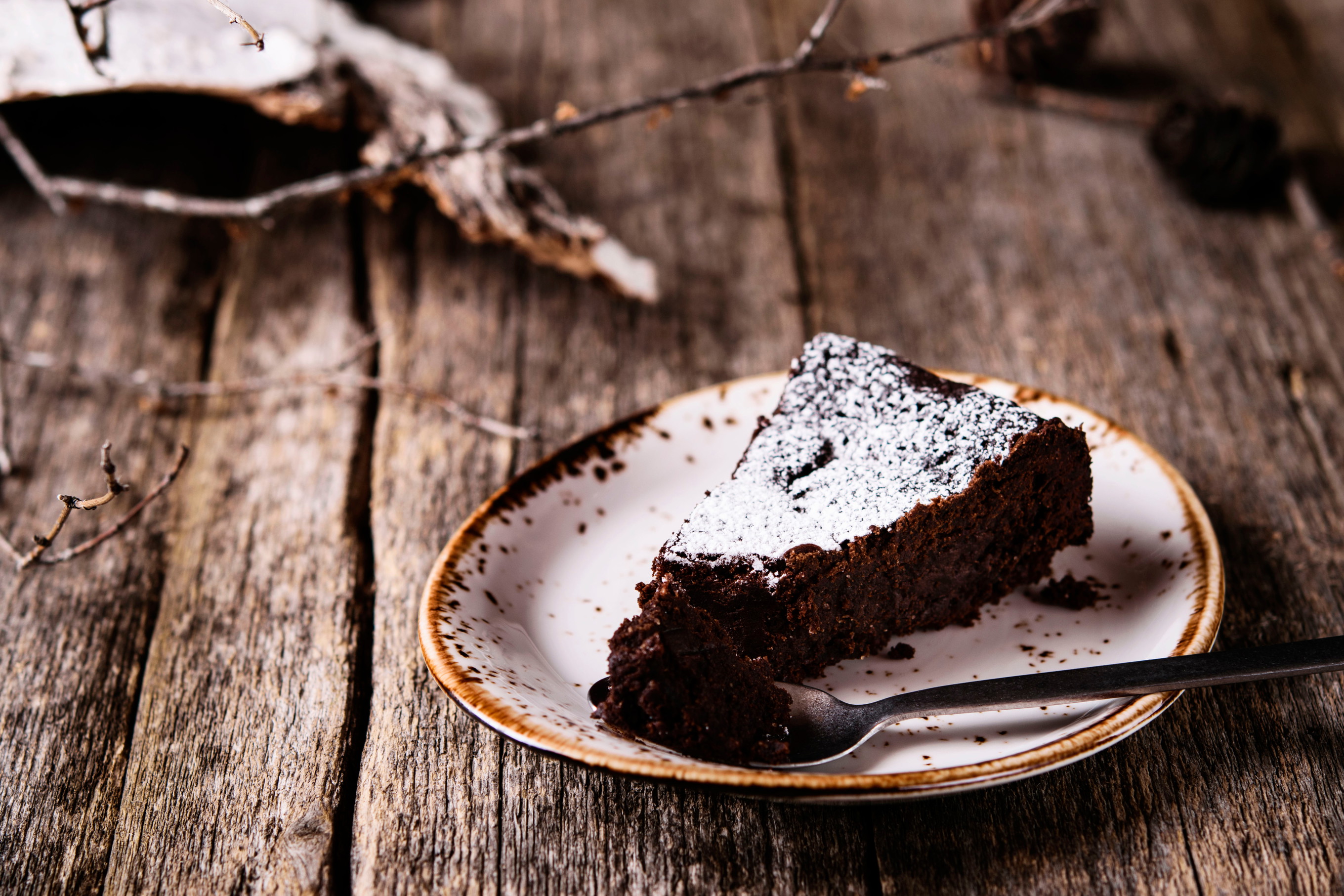
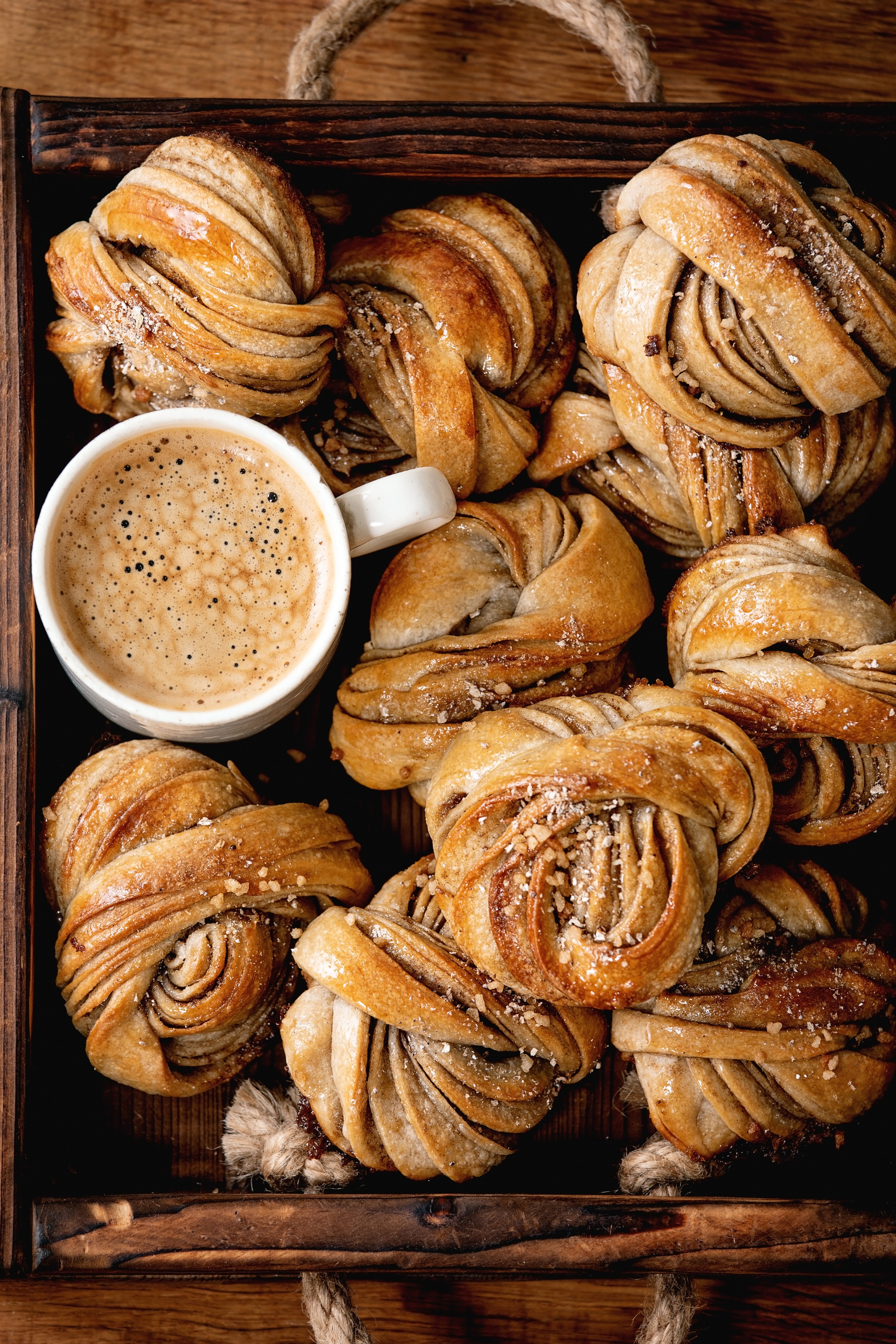
While coffee remains essential, it is rarely taken alone. Fika is typically accompanied by something sweet—a cinnamon bun (kanelbulle) or a soft chocolate cake (kladdkaka), among other simple pastries. The pairing is modest but consistent, shaping expectation over time.

What defines fika is not indulgence, but intention. It is a moment to slow down, to be present, and to connect. Even in professional settings, it is understood as a real pause rather than a brief interruption.
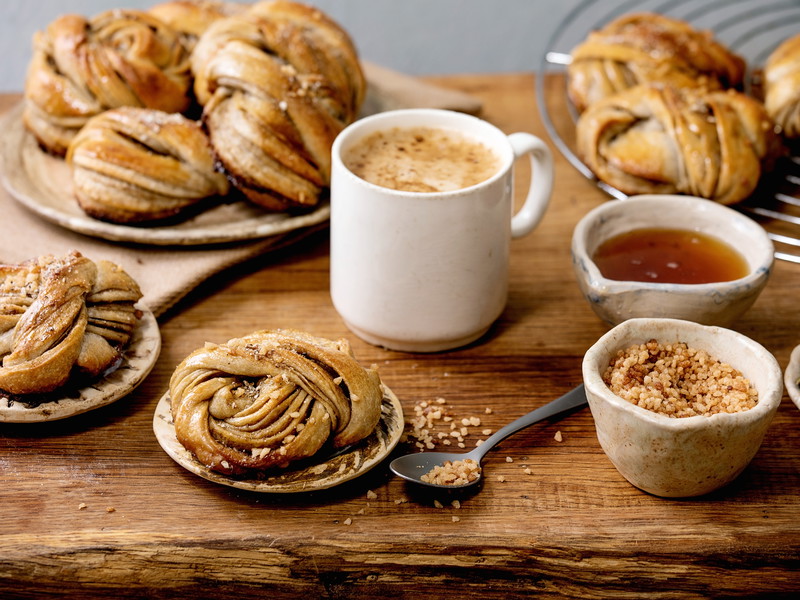
Sweden ranks among the highest coffee-consuming countries in the world, yet coffee is seldom taken to go. It is poured, sat with, and returned to.

Despite the pace of modern life, fika has remained remarkably intact. In many workplaces, it still structures the day, often observed in both the morning and afternoon. In private life, it marks moments of transition—between tasks, between meetings, or simply between hours.

Its endurance may lie in its simplicity. It requires little—just time, coffee, and the willingness to pause. Yet within that simplicity lies a broader idea: that productivity and rest are not opposites, and that small rituals can shape the rhythm of everyday life.

Beyond Sweden

While fika is most closely associated with Sweden, similar habits exist across the Nordic region. In Denmark and Norway, coffee breaks carry a comparable sense of pause, though less formally defined.

In Finland, where coffee consumption ranks among the highest in the world, daily coffee moments follow a similarly unhurried rhythm. Known as kahvitauko, this pause is less ceremonial than the Swedish fika, but equally essential—a moment of routine, conversation, and quiet reset.

Outside the Nordics, fika is often translated simply as “coffee break.” In practice, it is something quieter and more deliberate—a shared understanding that the act of stopping, even briefly, holds value in itself.

The Editors
Find out more
1 / 12