Jet lag is an unavoidable side effect of intercontinental travel. Those who cross many time zones often pay the price with sleepless nights, daytime tiredness and a body that is still running to the wrong beat days later. However, a large-scale experiment has been conducted by the Australian airline Qantas as part of its "Project Sunrise", together with an interdisciplinary research team from the University of Sydney.
The project was accompanied by sleep physician Peter Cistulli, Professor of Sleep Medicine. On board an almost 20-hour non-stop test flight from New York to Sydney, 23 volunteer passengers were scientifically monitored. They wore biometric measuring devices that recorded sleep duration, activity phases, light exposure and physiological parameters. In addition, they kept a log of their subjective well-being - one week before the flight, during the flight and up to two weeks after arrival. The aim was to obtain reliable data on how extreme long-haul flights affect the circadian rhythm - and how to counteract this.
Influence of nutrition
The key finding: jet lag is not an inevitable fate. If sleep, light, exercise and meals are consistently adapted to the time zone of the destination, the symptoms are significantly reduced. The participants reported better sleep quality during the flight, less daytime tiredness after landing and higher cognitive performance in the first two days on site.
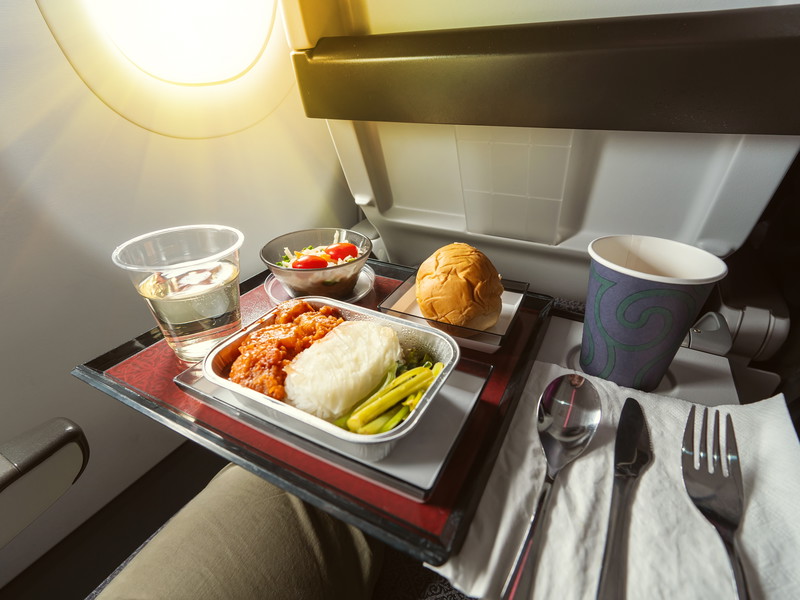
The influence of nutrition was particularly exciting. The focus was on the amino acid tryptophan, which is found in fish, poultry and dairy products and is involved in the production of serotonin and melatonin - two hormones that regulate the sleep-wake cycle. When combined with carbohydrates, tryptophan reaches the brain more quickly, which can make it easier to fall asleep. Accordingly, light protein-rich meals with suitable carbohydrates were served at the "evening times" of the target time zone, supplemented by soups and dairy-based desserts.
Much to consider
For the planned waking phases, however, the team relied on activating components. Spicy food with chili stimulates the circulation, small amounts of chocolate should - depending on the timing - have a stimulating effect. The decisive factor was not so much the individual product as the exact timing: food was not eaten according to the place of departure, but according to the clock at the destination.
At the same time, light played a central role. The intensity and color temperature of the cabin lighting was programmed to simulate sunrises and sunsets. Bright, cool light signaled "morning" and suppressed melatonin production, while warm, dimmed light prepared us for "evening". The measurement data showed that the circadian rhythm of the test subjects shifted faster than on conventional long-haul flights without targeted light control.
The concept was supplemented by guided stretching and movement exercises as well as conscious hydration. Even short periods of activity during the flight reduced the feeling of physical inertia and supported the waking phases.
Reach your destination faster
The study was part of the preparation for future ultra-long-haul flights of up to 22 hours, which Qantas is planning under the name Project Sunrise. The aircraft intended for this purpose, of the type Airbus A350-1000ULR aircraft are to be delivered from the end of 2026, while the commercial launch of the new routes is currently scheduled for 2027 at the earliest.
Regardless of the airline, however, the insight remains of a fundamental nature: jet lag can be measurably reduced if diet, light and exercise are systematically adapted to the destination time. So if you eat according to your destination's clock during the flight, consciously use light and plan activity, you will not only arrive faster geographically, but also biologically.