Enjoy a long weekend in Palermo: tips and addresses for foodies
Rich history, a wide range of cultural influences, and a still slightly notorious reputation make Palermo, the capital of Sicily, a fascinating travel destination—especially when it comes to food. The city’s street food is legendary.
When you visit Palermo, you'll find out that the city is not about noble establishments, but all about street food. Visitors to the capital of Sicily can drift through winding markets and narrow alleyways, always with their finger on the pulse of everyday life. Here, the food is rustic, authentic and intense, with lots of fish, fried delicacies and sweet temptations.
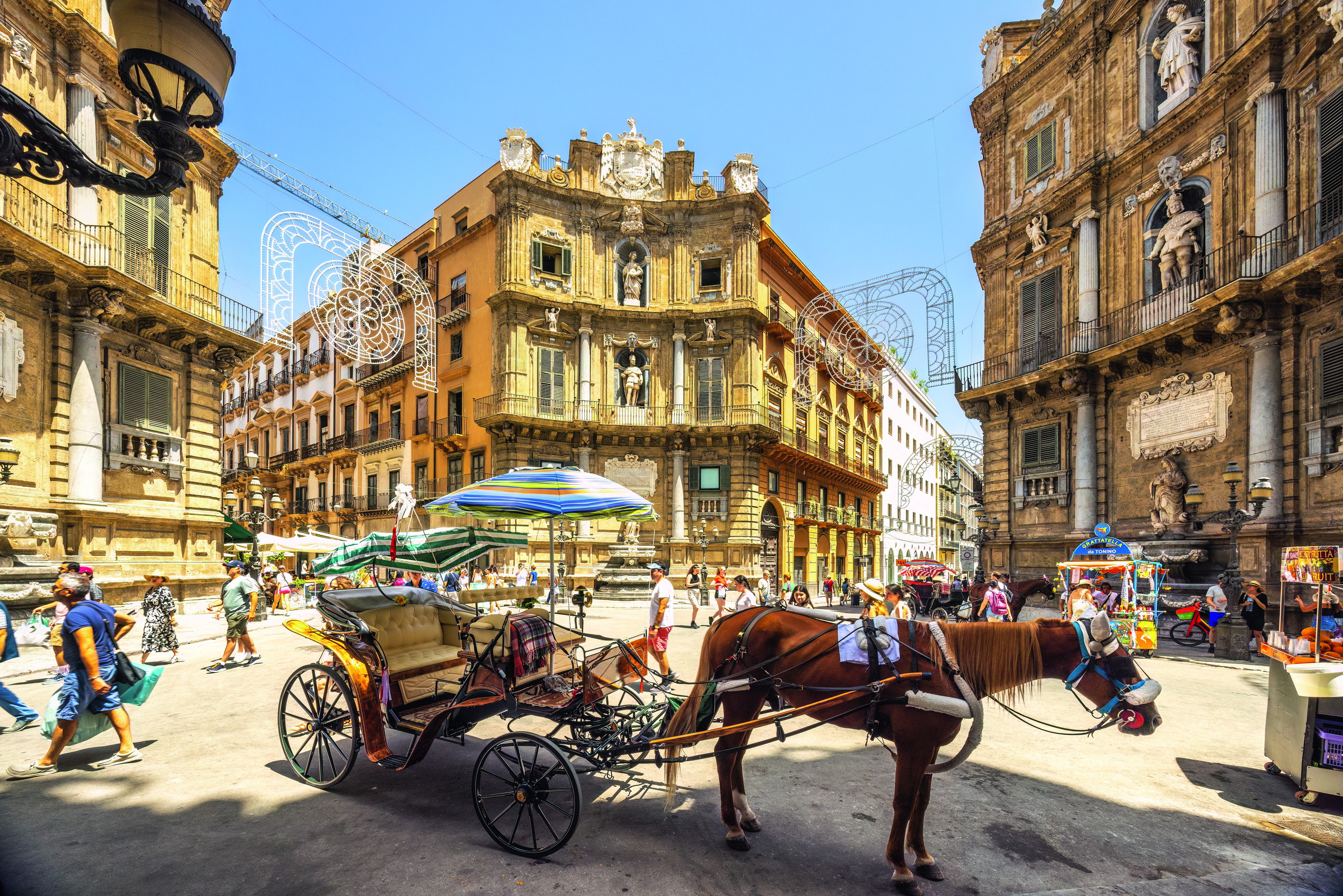
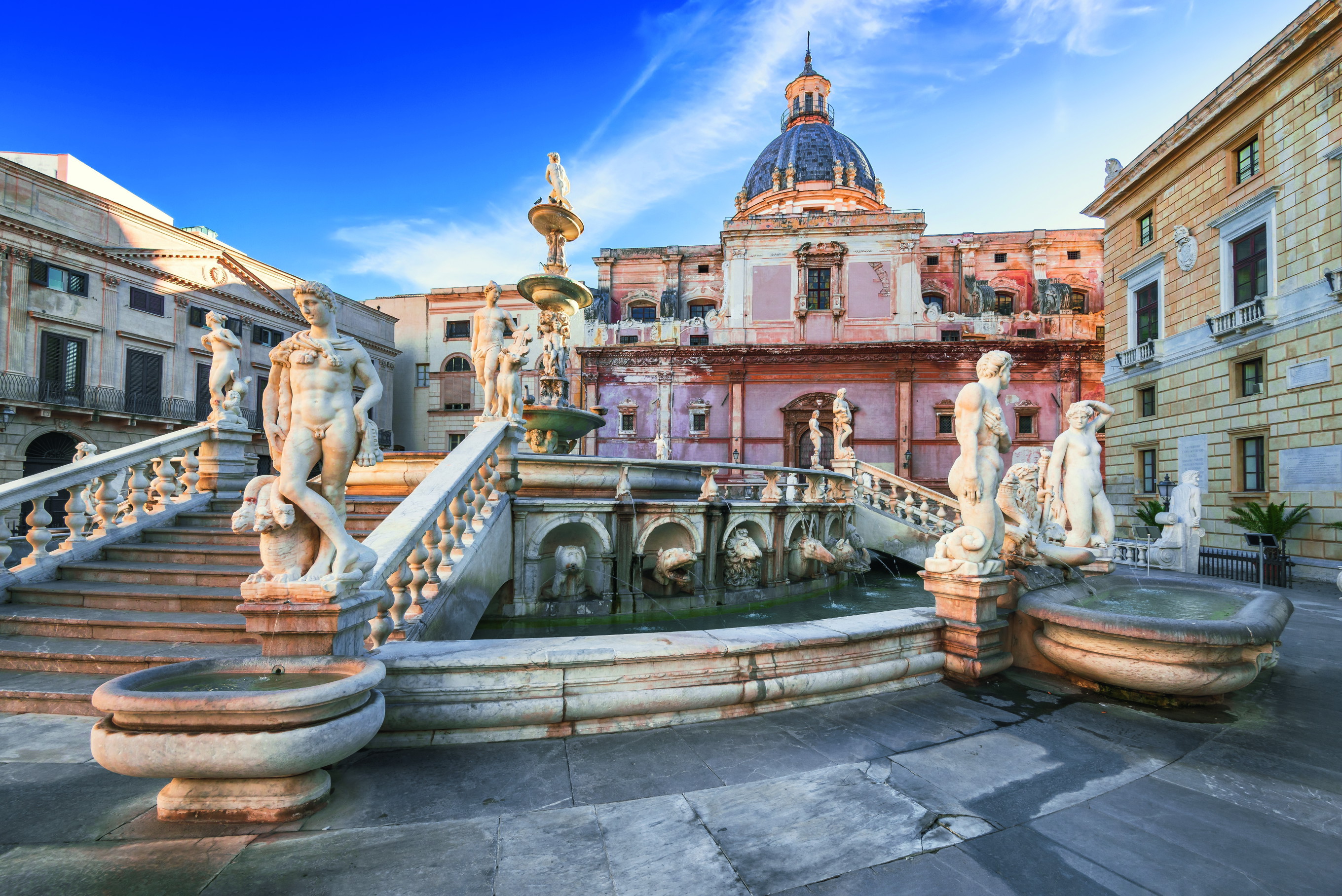
The most famous crossroads in Palermo is Quattro Canti with its four baroque palaces. Each façade symbolizes a season, a Spanish king and a patron saint of a historic district. The old town can be explored from here. The Fontana Pretoria with its naked marble figures was considered a “fountain of shame” in the 16th century. Today, it reflects Palermo's old splendor as a harmless photo motif.
Right next door, behind the town hall on Piazza Bellini, you'll find the Santa Caterina Convent pastry shop. The nuns of the Dominican order may have moved out in 2014, but their sweet recipes preserve the cultural heritage. It's clear that you can't go to Palermo without cannoli, the deep-fried dough rolls with ricotta filling. For a hearty start to the day, try arancini, deep-fried rice balls filled with ragù (alla carna) or ham (alla burro). Good to know: In Palermo it's called Arancina, not Arancino as in the rest of Sicily! One relevant address for this is Ke Palle. You should also try panelle, deep-fried chickpeas in bread, and the hearty crocchè, or croquettes.
At lunchtime, we walk through the Mercato Ballarò, which is reminiscent of an Arab souk in its noisy bustle. Traders shout in Sicilian in the island's peculiar dialect and offer delicacies. A Palermitan specialty is Pani câ Meusa, boiled veal spleen fried in lard in a roll. The street food classic goes back to Jewish butchers.
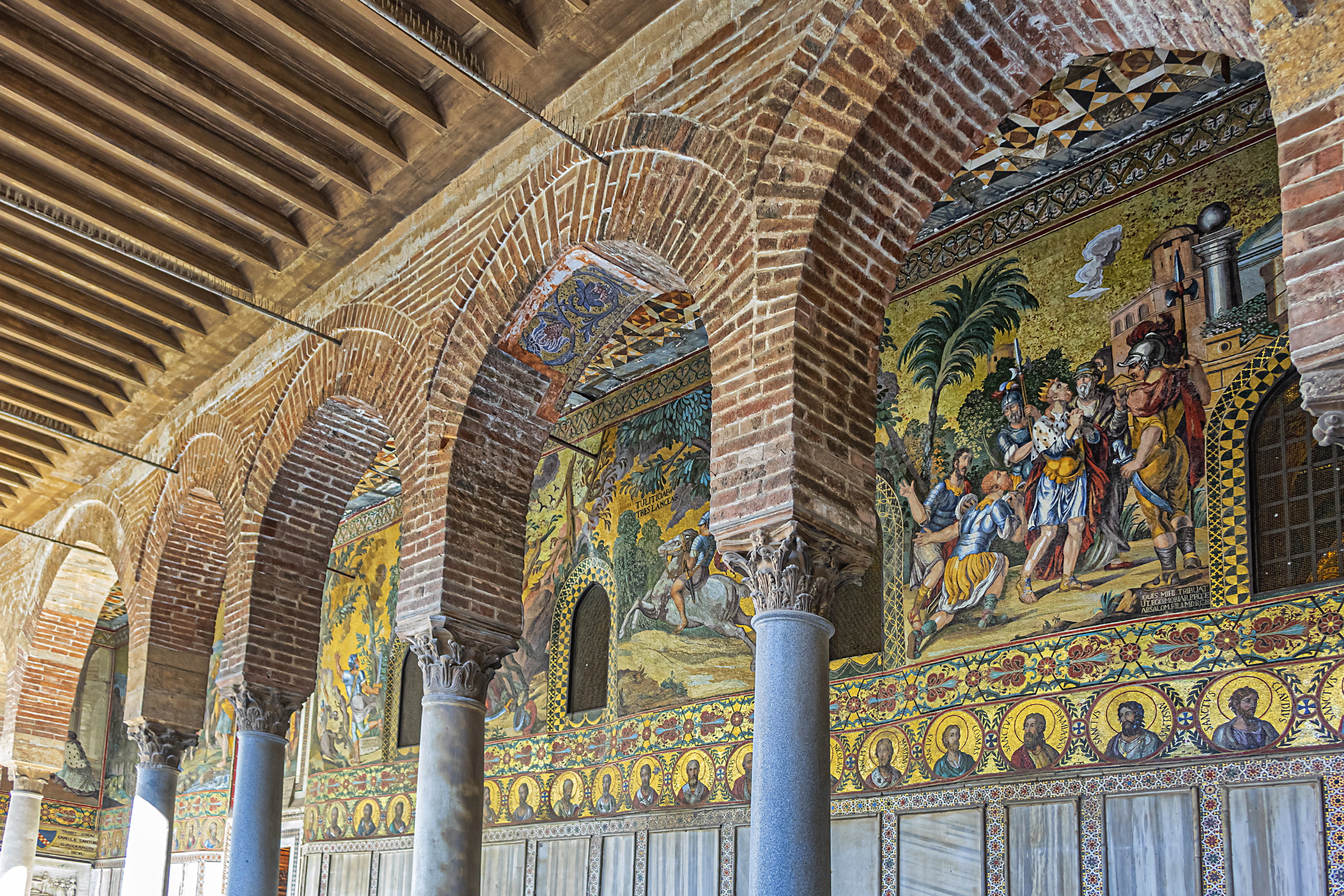
The distances in the center of Palermo, a city that has been conquered so often in its history, are pleasantly short. An impressive testimony to its multicultural history is the Norman Palace with its chapel, a Byzantine mosaic wonder with a carved wooden ceiling in Arabic style and Christian iconography.
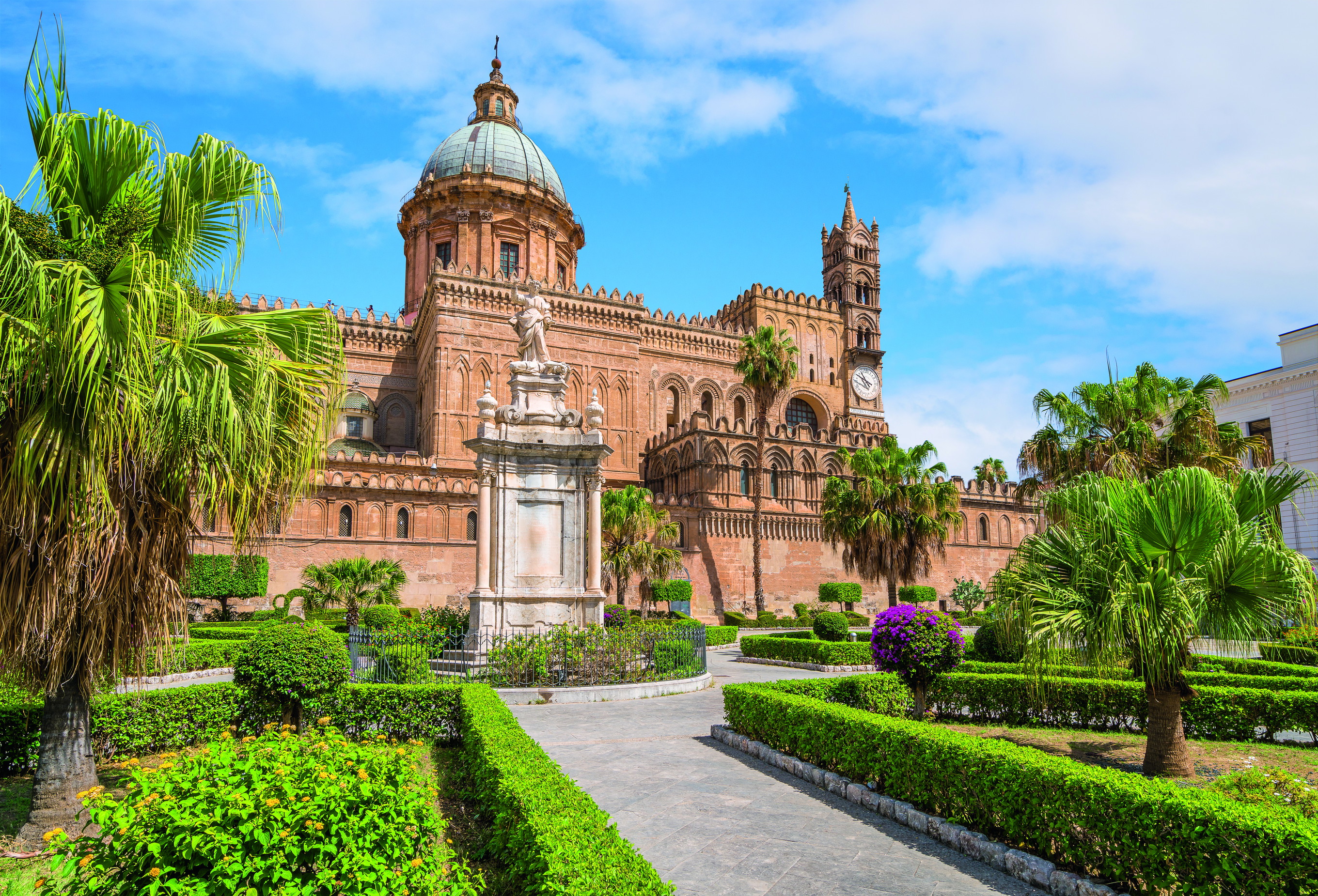
For dinner, we recommend the Michelin-starred restaurant Mec in a 16th century palazzo diagonally opposite the imposing cathedral. Head chef Carmelo Trentacosti convincingly demonstrates that Sicilian cuisine does not have to be overbearing and not only his caponata is a poem.
What an unusual start to the day: the Capuchin Crypt with one of the largest mummy collections in the world is not for the faint-hearted. Nobles, monks, wealthy citizens and even children like the two-year-old girl Rosalia Lombardo in the catacombs. The morbid, theatrical approach to death seems to be deeply rooted in Palermo's soul.
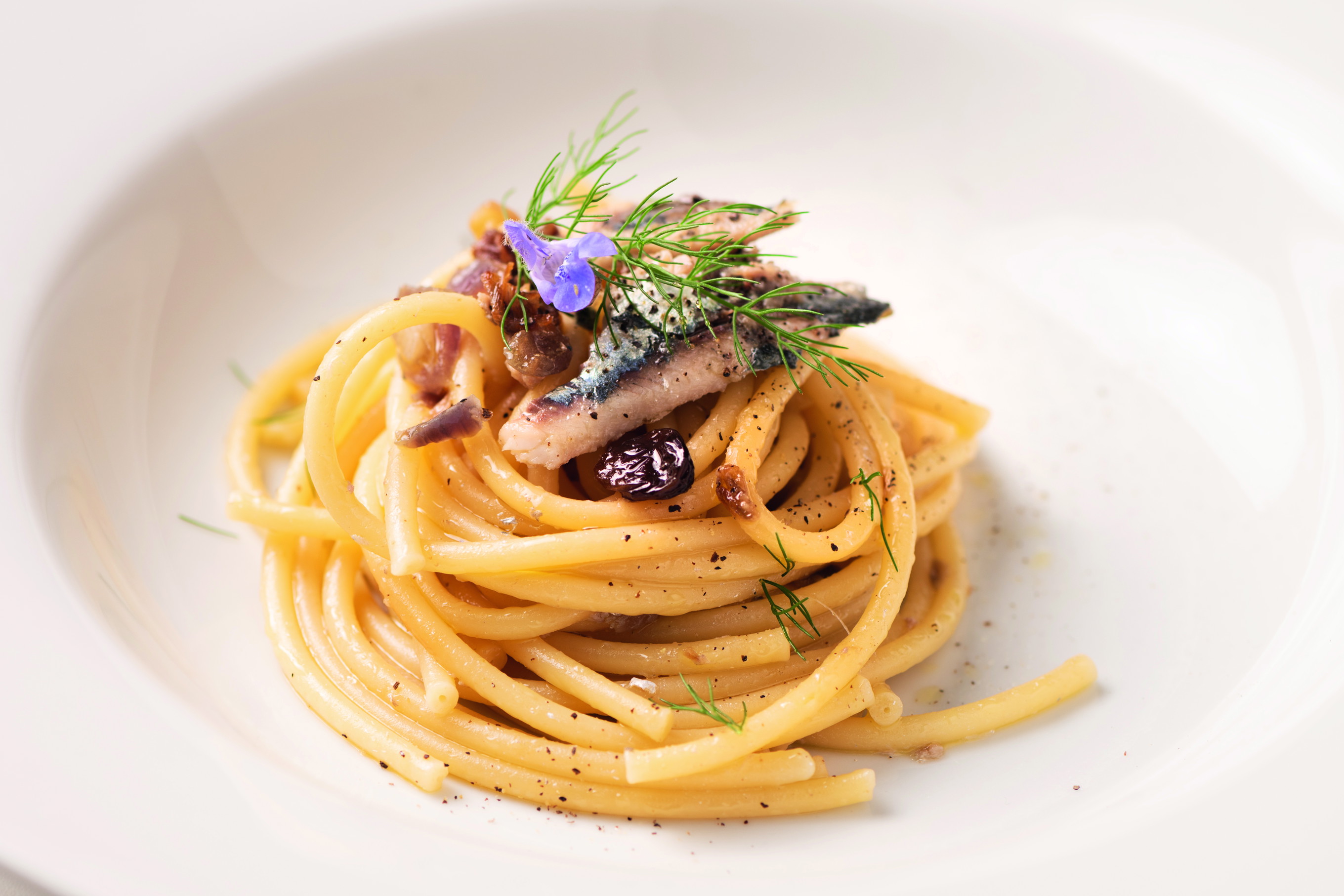
At lunchtime it should be pasta. Palermo is famous for anelletti al forno, ring-shaped pasta with ragu. Or you can choose pasta con le sarde with sardines, grapes and saffron, for example in the cozy restaurant La Galleria. Sarde a beccafico, on the other hand, are stuffed sardines that you can buy at the Mercato del Capo, for example. There, we go past Dolce Capo, where heavenly gelato comes in a brioche. Pistachio ice cream in Palermo is the ultimate indulgent experience. If you like it fruity, refresh yourself with granita, preferably the classic al limone.
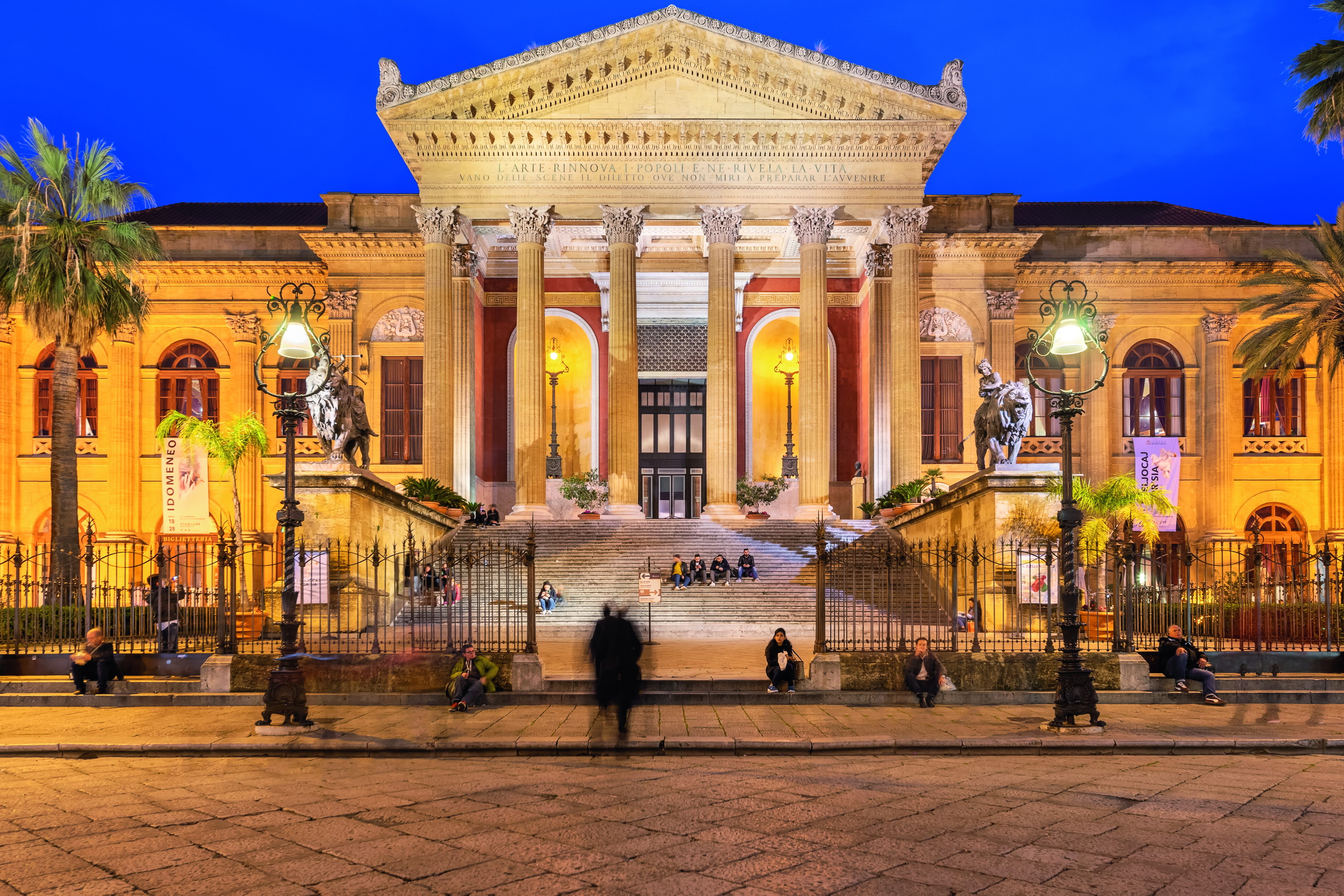
The Teatro Massimo, Italy's largest opera house, is definitely worth a visit. The final scene of The Godfather III was filmed outside on the steps. The nearby museum in the Palace of Justice, which commemorates the judges Paolo Borsellino and Giovanni Falcone, who became symbolic figures in the fight against organized crime in Sicily after their murder, counteracts the glorification of the Mafia.
Palermo is dolce vita and grandeur, but also outdated splendor, living off the land - and of course the Mafia. The Cosa Nostra ruled Palermo for a long time. Does she still do this, but more discreetly than back then? Well, it depends on who you ask. The days of mafia wars, when there was a dead body in the streets every few days, are certainly over. A lot goes on behind the scenes. A few years ago, there was resistance to the pizzo, the protection money. Restaurateurs and other tradespeople refused to pay, which turned into a movement: Addiopizzo. If you have the logo in your shop window, you're showing it: I say no, I won't pay. Visitors can use these as a guide, and there are special city maps.
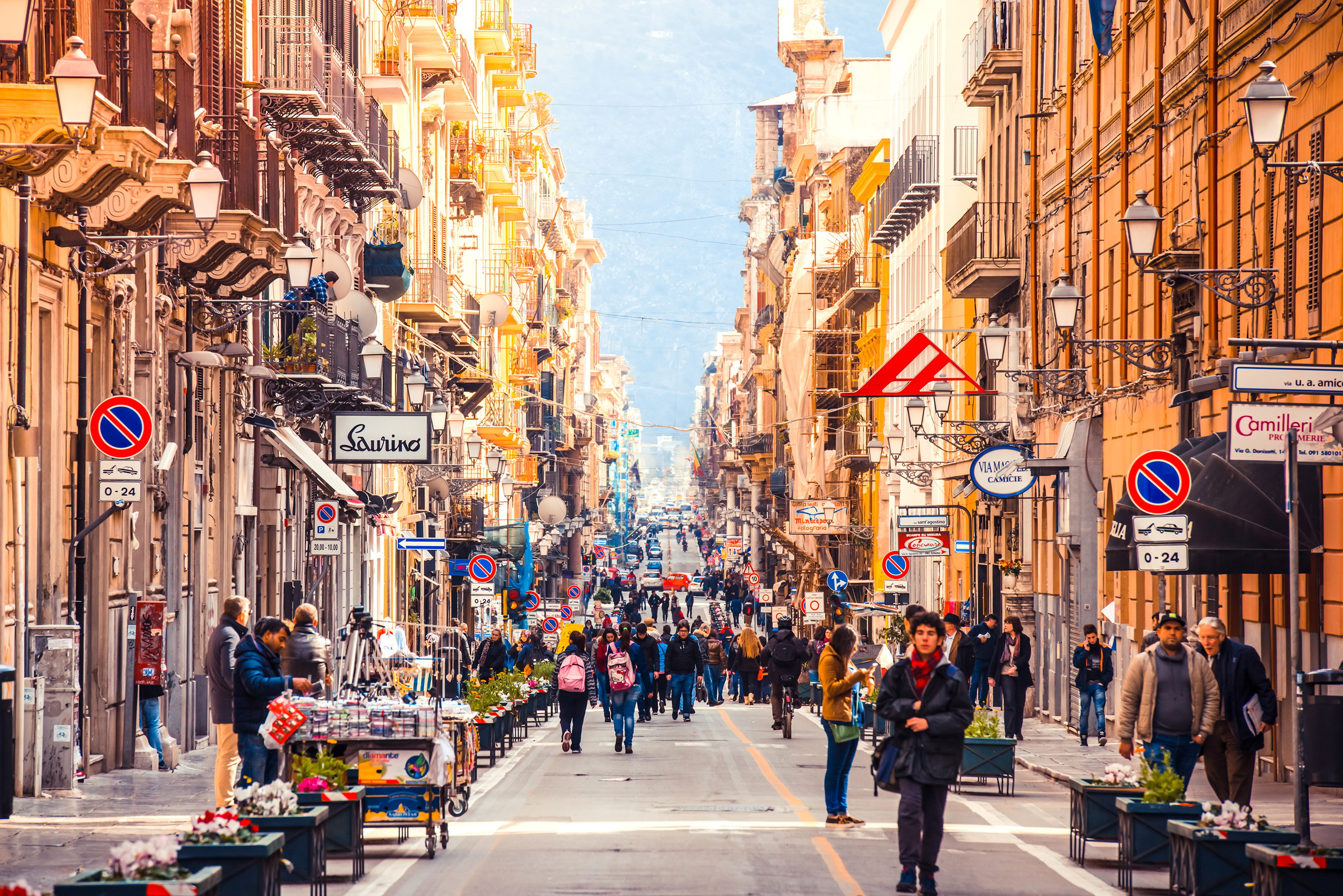
Let's go back along the Via Maqueda promenade, into the heart of the city. And then, as the day draws to a close, to the Vucciria market, which lives by its glorious name. In fact, there's a wild nightlife on the streets. Good bars can be found on the other side of Corso Vittorio Emanuele in the alternative Kalsa district: student flair and competent drinks. Or you can walk from Vucciria towards the water - for a dinner at L'ottava nota, where the focus is on fish.
Perhaps you want to go the beach in the morning? Not that easy. Palermo is not a classic port city like Genoa or Naples, which open out onto the water. For centuries, it stood with its back to the sea for fear of pirate attacks. You can still see that in the city today. A sea breeze rarely blows through the alleyways. At the Foro Italico, a small green area, we can then look out over the sea, while a morning walk takes us to the university's botanical gardens. A dignified place to come to rest and sort out your impressions.
Afterwards, a snack in your hand is a must, for example sfincione. The thick, soft bread with a tomato and onion sauce is neither pizza nor focaccia, but a unique Sicilian delicacy that fortifies you for further sightseeing. The choice of churches and palazzi is huge. Not far from the water is the Palazzo Chiaramonte with its magnificent porticoes, wooden coffered ceilings and eventful history - this is where the Spanish Inquisition once sat in Sicily.
But the area surrounding Palermo also has a lot to offer. Culture-conscious travelers drive up to the small town of Monreale for a must-see visit to the mighty cathedral, which is a UNESCO World Heritage Site along with the Arab-Norman Palermo and the cathedral of Cefalù. The impressive church proves once again that Sicily is a unique melting pot of cultures.
We decide to satisfy our longing for the sea. So let's head to the suburb of Mondello, the sophisticated Belle Époque seaside resort of the wealthy Palermitans who built their villas here at the beginning of the 20th century. Hardly surprising given the picturesque sandy beach and crystal-clear water. It's packed at the weekend, especially in summer. We recommend making a reservation in advance at a private lido with sun loungers and parasols.
The worthy finale is an evening in the gourmet restaurant Palazzo Branciforte, which is housed in the 16th century city palace and cultural center of the same name, extensively restored by the famous architect Gae Aulenti. There's also a museum and a library in the building. Foodies are interested in the culinary art that chef Gaetano Belleci brings to the plates. The passion for high-quality ingredients begins with sourdough bread. To top it all off, the restaurant has its own patisserie. Fantastico!
Tips and addresses
HOTELS
Grand Hotel et Des Palmes: Five-star hotel institution in a historic building that was built by an English family as a private residence. Remodeled several times, Richard Wagner was one of the famous guests.
Via Roma, 398, 90139 Palermo
T: +39 091 8048800
grandhotel-et-des-palmes.com
Grand Hotel Piazza Borsa: Centrally located four-star hotel with inner courtyard and cloister as well as spa and wellness center.
Via dei Cartari, 18, 90133 Palermo
T: +39 091 320075
piazzaborsa.it
Grand Hotel Wagner: Elegant hotel in the heart of Palermo that wonderfully conveys the luxurious splendor of times gone by.
Via Riccardo Wagner, 2, 90139 Palermo
T: +39 091 336572
grandhotelwagner.it
Villa Igea: The five-star hotel in a neo-Gothic palazzo is located north of the city center directly on the Gulf of Palermo.
Via Belmonte, 43, 90142 Palermo
T: +39 091 6312111
roccofortehotels.com
RESTAURANTS
A'Cuncuma: Chef Gianfilippo Gatto interprets the classics of Sicilian cuisine in a contemporary, surprising way. The wine list focuses exclusively on products from the island.
Via Judica, 21, 90134 Palermo
T: +39 392 4893054
acuncumarestaurant.com/it
Charleston: Purist cuisine that makes do with few ingredients. There's a café and a bistro on the first floor of the gourmet restaurant and you get a great view from the summer terrace.
Piazzetta Salvatore Fausto Flaccovio, 26, 90141 Palermo
T: +39 091 6613413
casacharleston.net
Enosteria Sicula: A mixture of enoteca and osteria - authentic ambience, innovative dishes, good wine selection
Via Torrearsa, 3, 90139 Palermo
T: +39 339 4531471
enosteriasicula.it
La Galleria: Somewhat hidden in an alley behind Palermo Cathedral, this rustic trattoria serves fresh pasta with influences from Arabic cuisine.
Salita Ramirez, 2, 90134 Palermo
T: +39 091 2515037
L'Ottava Nota: Chic, pared-down restaurant whose menu offers a straightforward insight into modern Sicilian cuisine.
Via Butera, 55, 90133 Palermo
T: +39 091 9768817
ristoranteottavanota.it
MEC: In this one-star restaurant, you dine under frescoed ceilings like a wealthy Sicilian merchant of days gone by. It's one of the best addresses in the city.
Via Vittorio Emanuele, 452, 90134 Palermo
T: +39 347 7532005
mecpalermo.it
Moltivolti: The café-restaurant has made a name for itself by employing refugees who came across the sea from Libya. The cuisine is a mix of African, Arabic and Sicilian.
Via Giuseppe Mario Puglia, 21, 90134 Palermo
T: +39 091 2710285
moltivolti.org
Ristorante Palazzo Branciforte: Gourmet restaurant in the time-honored ambience of a 16th century palazzo. Here, you can dine where a noble family once resided.
Via Bara All'Olivella, 2/Piano Terra, 90133 Palermo
T: +39 366 8096244
ristorantepalazzobranciforte.it
SNACKS & DRINKS
Dolce Capo: Inconspicuous gelateria where you can get perhaps the best ice cream in town - preferably in an already sweet brioche.
Via dei Candelai, 95/97, 90134 Palermo
T: +39 091 9768817
Ke Palle: The store is known for its excellent arancini, which are available in dozens of varieties. Street food delicacies.
Via Maqueda, 270, 90133 Palermo
T: +39 091 6112009
kepalle.it
La Dolceria di Santa Caterina: The cake bakery of the Santa Caterina monastery is an ideal place to sample Palermo's sweet delicacies.
Piazza Bellini, 90133 Palermo
T: +39 327 5882302
monasterosantacaterina.com/dolceria
OJDÅ: This restaurant in the Kalsa nightlife district is a canteen, bar and boutique under one roof - a good place to go for an uncomplicated lunch or an aperitif.
Piazza Aragona, 1, 90133 Palermo
T: +39 329 6766070
Terzo Tempo Cocktail Lab: The relaxed bar not far from the Teatro Massimo is recommended for a well-balanced drink.
Via Orologio, 1, 90133 Palermo
T: +39 347 8329381