The Importance of a Daily Ritual
Italy’s UNESCO nomination focused not on individual dishes, but on a cultural model—one built on seasonality, conviviality, time‑honored gestures, and a deep connection to the land’s biodiversity.
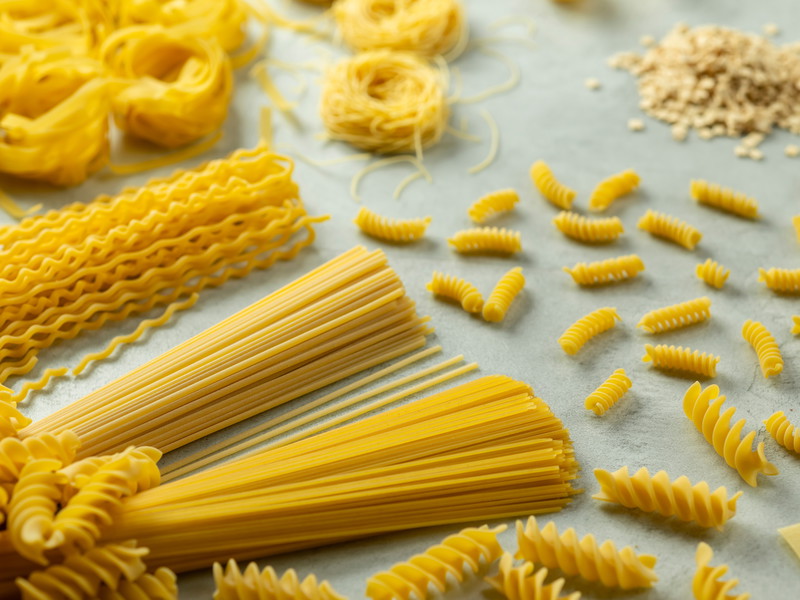
From homemade pasta and long‑fermented sourdough to bustling local markets and the art of food‑and‑wine pairing, every element forms part of a gastronomic system that tells the story of Italy in all its rich diversity.
Preserving the Future
The UNESCO recognition opens new avenues for preservation and progress—from sustainable agricultural practices to homegrown culinary knowledge—all with the goal of safeguarding a living, evolving tradition.
For the world of gastronomy and hospitality, it represents fresh momentum toward quality, responsibility, and meaningful storytelling.
With its inclusion on the list of Intangible Cultural Heritage, Italian cuisine reaffirms itself as one of the country’s universal languages—a way to connect with the world through the simple, yet profoundly powerful, act of sharing a meal.


 Route
Route