Seafood Paradise Ireland
When you think of Ireland and fish, first and foremost salmon comes to mind - but the Emerald Isle...
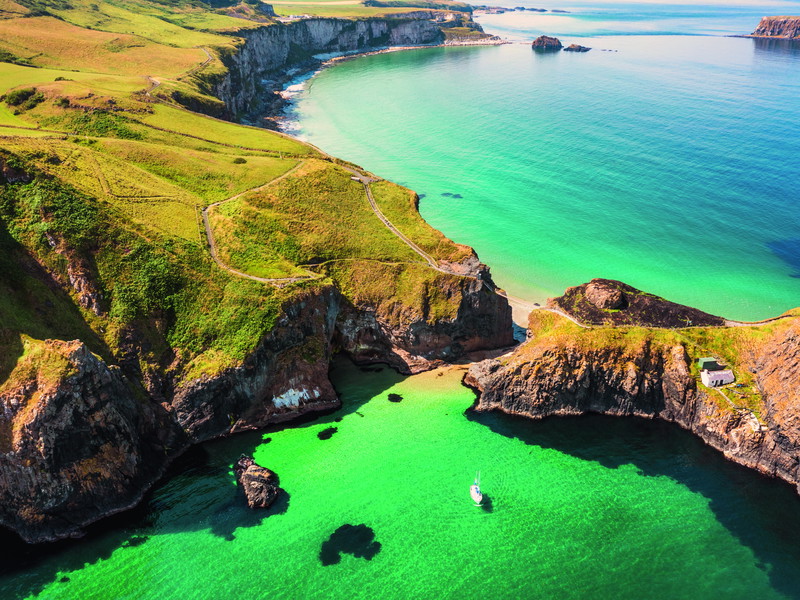
Just a few decades ago, Ireland was seen as a culinary no-man’s land – today, it draws gourmets from around the world with seafood of the finest quality. How did the Irish achieve this transformation?
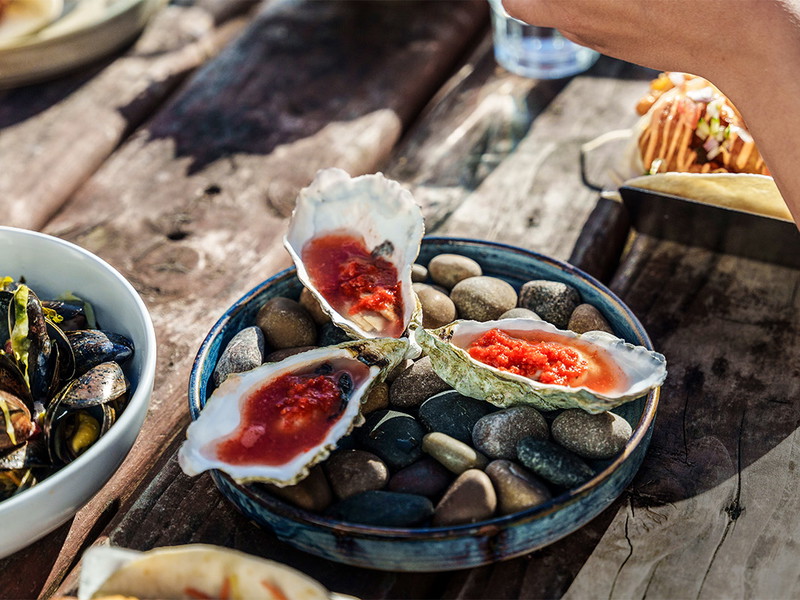
My epiphany was served to me on an enormous plate in a small Irish harbor town. As I looked down at it, I suddenly realized just how much my homeland had changed. It was a summer evening in 2008 in Dingle, a fishing village in County Kerry on the southwestern tip of the island. Eight years after trading my hometown of Dublin for Berlin, I was back in Ireland, sitting with friends at a seafood restaurant along the harbor promenade. We ordered the largest seafood platter on the menu. I gazed in amazement at the spread before us: fresh scallops, succulent lobster – all caught just beyond the pier. Heavens, I thought. I didn’t even know we had lobster in Ireland!
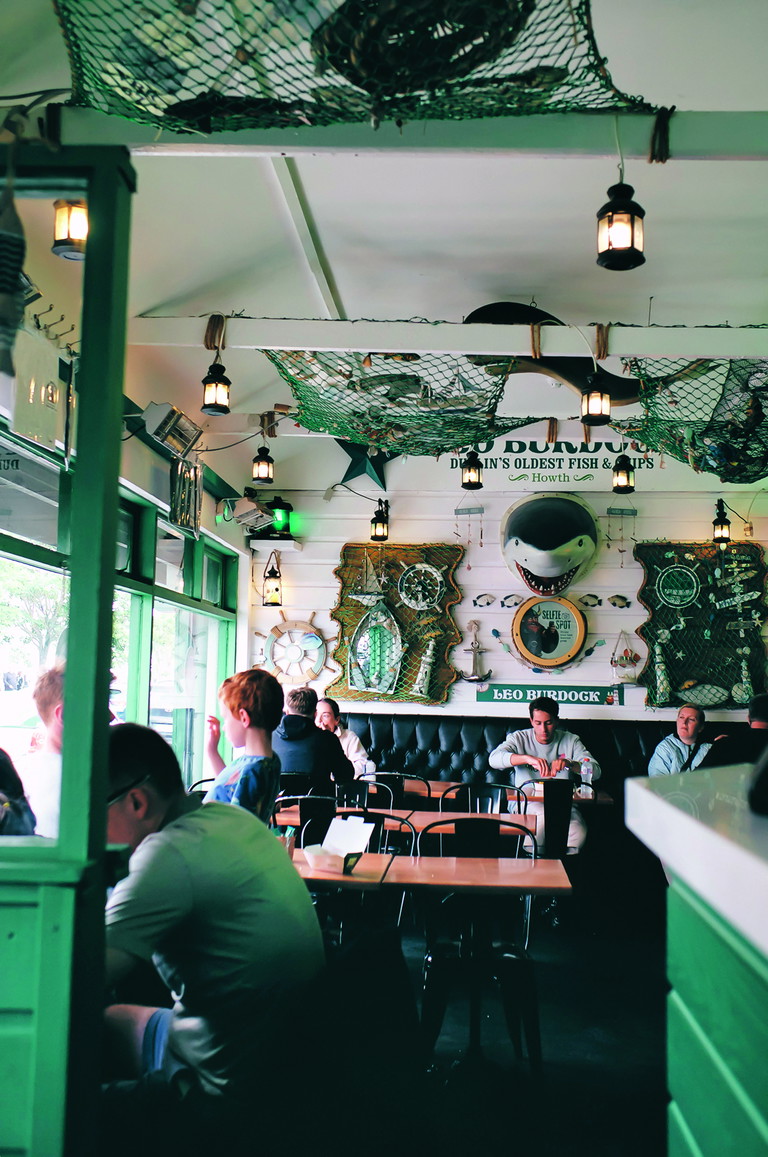
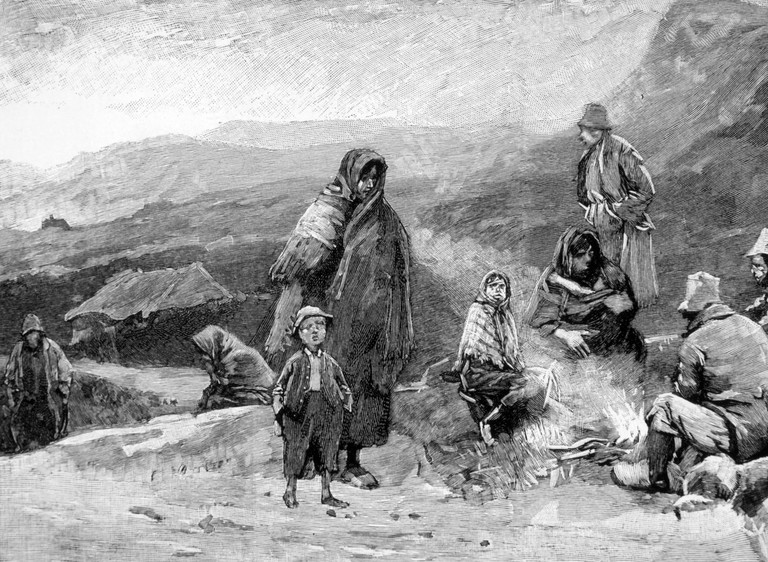
For years, no one in Ireland cared for this kind of catch, a fisherman told us. Plaice and cod stayed at home for domestic consumption, while the real delicacies were shipped to the finest shops in Paris. In Ireland, meals tended to be hearty – usually including meat, and always potatoes. In the 19th century, everything revolved around the potato. Under English rule, grain was exported out of the country, leaving Irish tenant farmers with little else to eat. When the potato blight struck repeatedly in the 1840s, entire harvests failed. The rural population was plunged into devastating famine: a million starved to death, and another million moved elsewhere.
By 1850, a new era began. As British control slowly loosened, the Catholic Church took on the role of shaping a new Irish identity. Poverty endured, but now we were united in faith – the “best Catholics in the world.” A conservative vision of family life was upheld as moral law. Those who strayed from it – particularly unmarried mothers and orphans – often were placed into the Church’s care.
In his Irish Diary, published in 1957, German writer Heinrich Böll captivated readers with tales of an island where the people, the landscape, and the music still seemed untouched by time.
Böll’s book continues to shape the image of the “Emerald Isle” even today. Yet the quaint backwardness he idealized was, for many Irish, a source of quiet embarrassment. In truth, little changed in Ireland for decades after the British departed in the 1920s – and for at least fifty years after. Even in 1973, upon joining the EEC (as the EU was then known), Ireland was still seen as a poorhouse.
It wasn’t until the early 1990s that significant change arrived, driven by investment from multinationals in Europe and the United States. Suddenly, there were motorways. Shops were open on Sundays. Churches had competition. Food and drink became a clear sign of the shift from poverty to prosperity. Beer had always been popular; wine, hardly at all. And learning that Nescafé didn’t count as “real coffee” was, for me, a revelation.
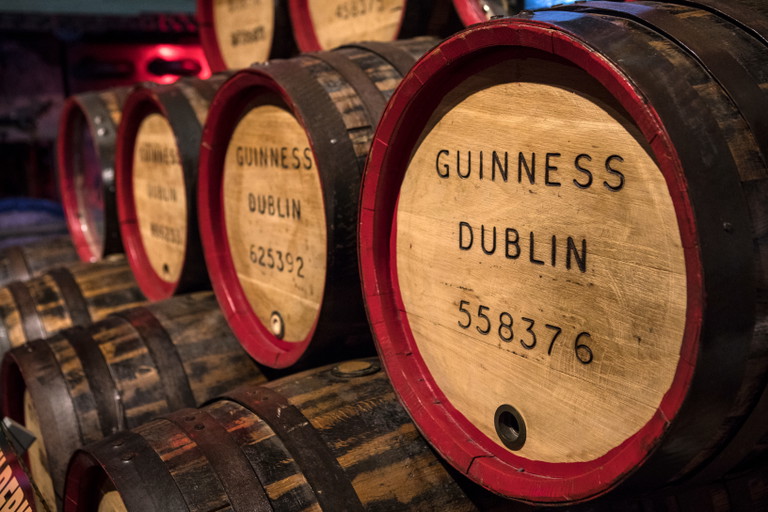
Until 1990, many Irish still believed pasta came from out of a can. Dried pasta only took off here when the Ango-Dutch food giant Unilever launched its spaghetti and pasta sauces during the World Cup in Italy.
My younger Irish relatives – now perfectly at home with avocado toast and flat whites – listen in disbelief when I tell them these stories. But they are every bit as true as the Great Famine itself, and as real as the hunger for change that followed. Brexit has brought plenty of challenges for our island. Yet peace in Northern Ireland has held firm, and the free movement of Irish goods to Europe via England remains intact. Which is why our freshly caught lobster still makes its way from Dingle to Paris.
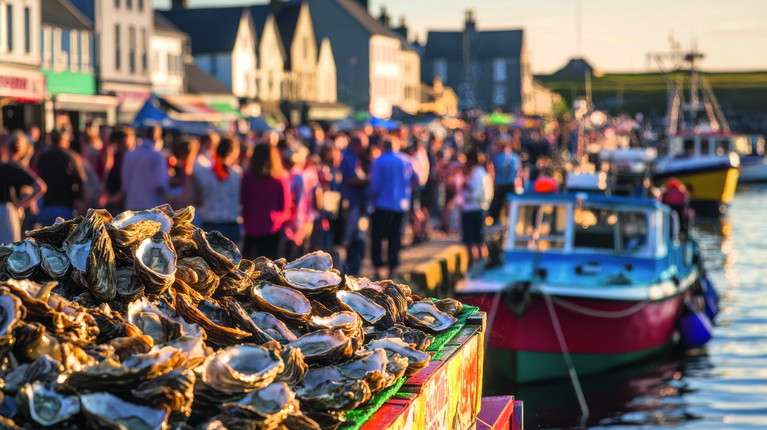
A new generation of Irish food producers and restaurateurs has revived and rediscovered old traditions – or brought fresh skills honed across Europe back to our shores. Even Michelin has taken note: Ireland now boasts 21 starred restaurants, almost as many as Sweden. For all the changes in modern Ireland, nothing rivals the transformation underway in its kitchens. Given the dramatic ups and downs in our history, we Irish like to joke that life here is either feast or famine. Well – welcome to the feast.