
Skip to content
© Shutterstock

Full-fat dairy products could potentially reduce the risk of dementia

Science
Cheese
Milk

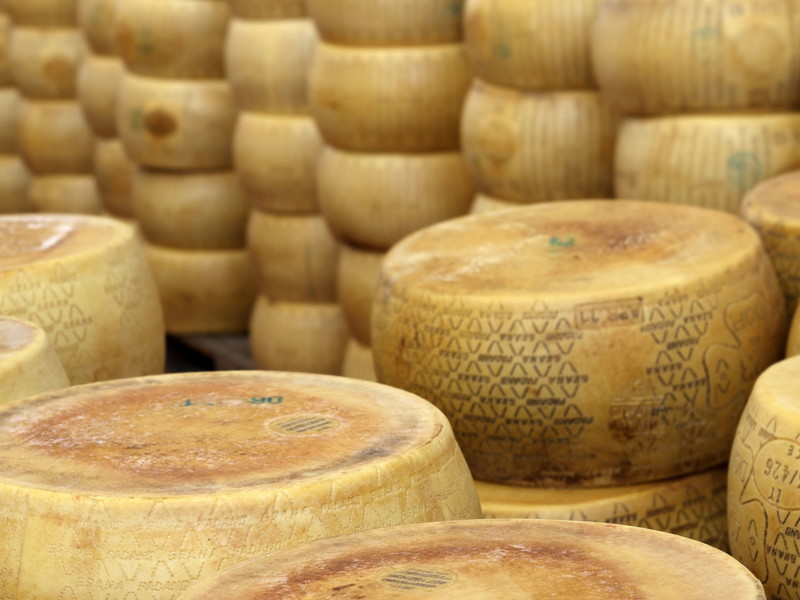
A new long-term study by Lund University suggests that people who regularly eat full-fat cheese are less likely to develop dementia.

If you’re a cheese lover, there’s reason—albeit a cautious one—for celebration. A major Swedish study has found a link between eating full-fat cheese and dairy products and a lower risk of developing dementia. According to researchers at Lund University, the findings may challenge long-standing dietary myths linking fat to cognitive decline.

The study tracked more than 27,000 participants over approximately 25 years. Those who consumed about 50 grams of full-fat cheese daily—roughly two to three slices—were less likely to develop neurodegenerative diseases than those who ate less than 15 grams per day. The difference amounted to about 13 percent fewer cases of dementia overall, and nearly 29 percent fewer cases of vascular dementia.

The study reveals a statistical correlation rather than direct proof that high-fat dairy products help prevent dementia. The authors stress that other lifestyle factors—such as regular exercise, not smoking, and higher levels of education—may also play a significant role.

Dementia is not a single disease but an umbrella term for conditions that gradually impair memory, thinking, and orientation. Those affected often struggle with daily tasks—such as remembering, speaking, or planning. The most common form is Alzheimer’s disease. While the risk increases with age, lifestyle and overall health also play an important role.

Healthy Eating Still Matters

Nutrition experts emphasize that maintaining an overall healthy diet, staying physically active, and managing cardiovascular risks remain essential in reducing the likelihood of dementia.

While low-fat diets are typically encouraged for heart health, the Swedish study suggests that not all high-fat foods affect brain health in the same way. Cheese, for instance, provides not only fat but also valuable vitamins, minerals, and beneficial compounds formed through fermentation.

The findings offer intriguing insights but are no substitute for a balanced lifestyle. A wholesome diet, regular exercise, and preventive healthcare remain the cornerstones of healthy aging.


The Editors
Find out more
1 / 12