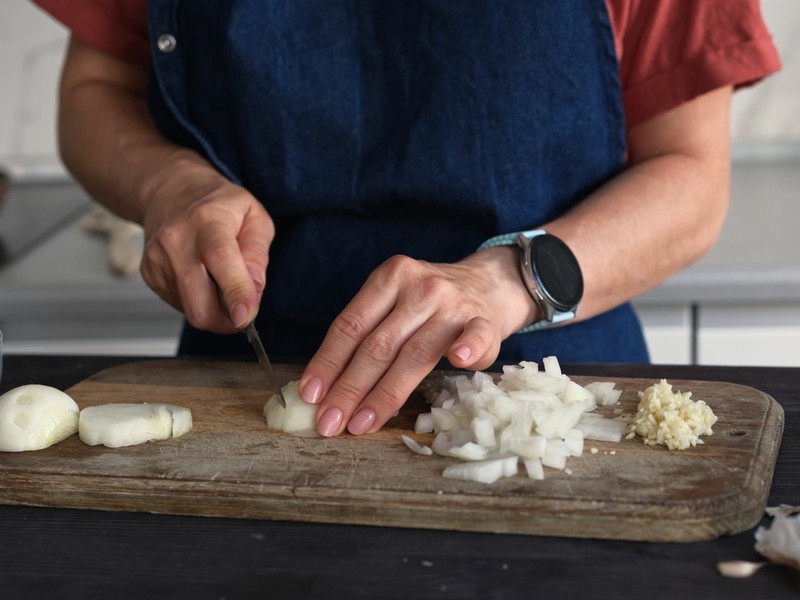
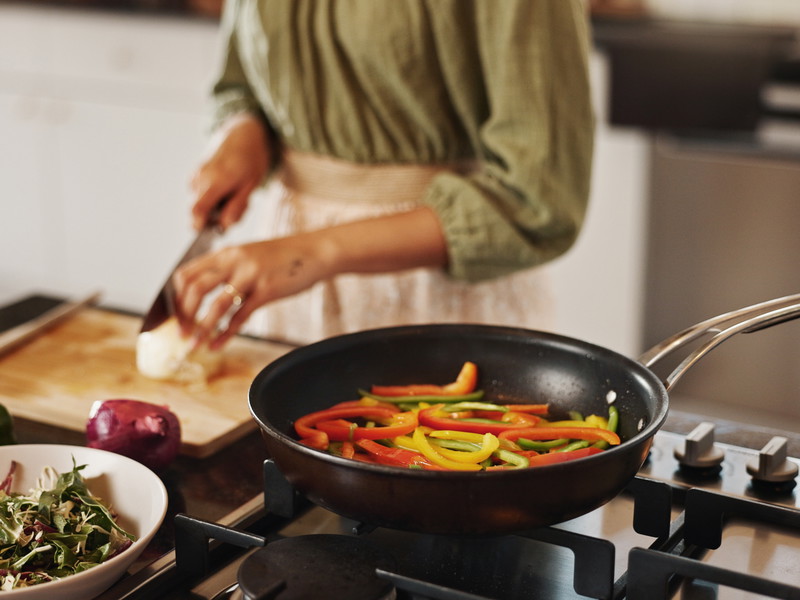
Onions rank among the kitchen’s most essential flavor enhancers. Few dishes can do without them—yet chopping them often brings frustration. Teary eyes, sticky fingers, and uneven pieces that rarely measure up to plan. The process proves simpler than it seems. First and foremost: a razor-sharp knife. This lets the blade slice cleanly through the onion rather than crushing it, yielding uniform cuts, less released juice—and far fewer tears. How an onion is cut makes all the difference in the final dish.
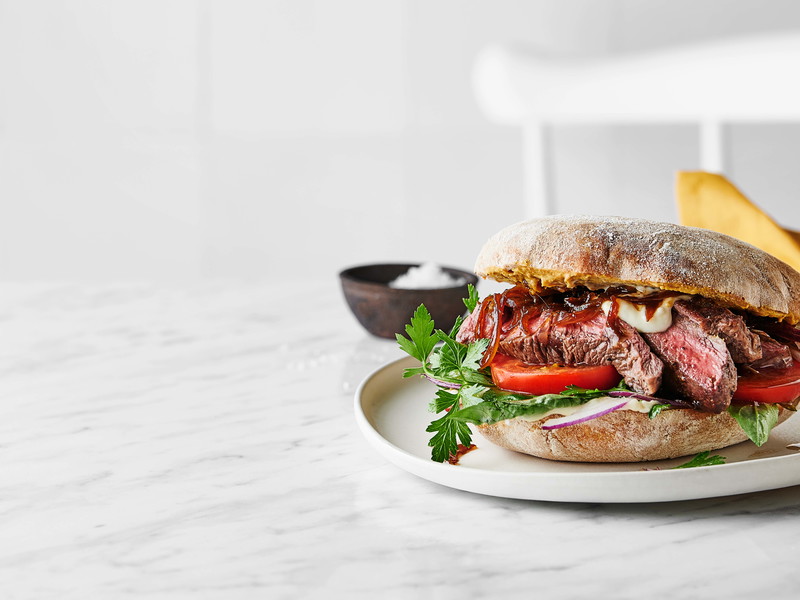
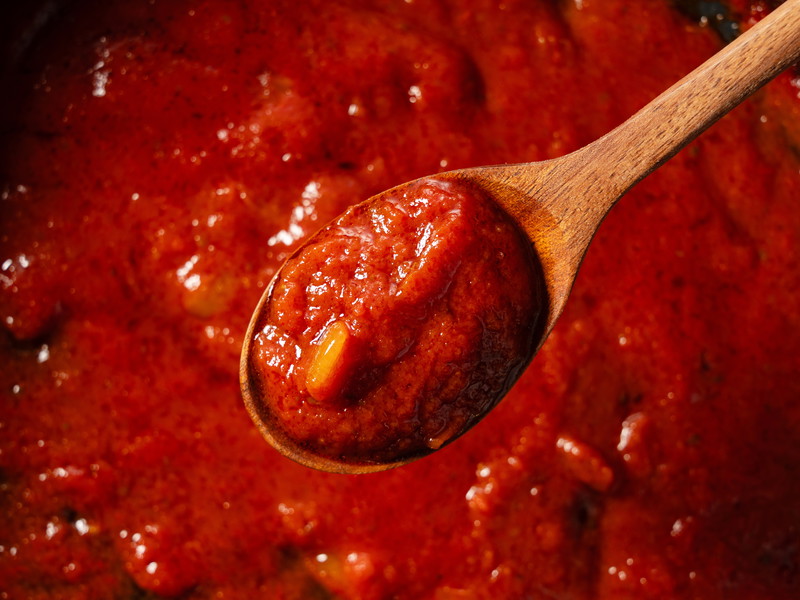
Finely diced cubes melt seamlessly into sauces, softening quickly while releasing their flavor evenly. Larger chunks or rings, by contrast, stay distinct—ideal for grilling, as a burger topping, or in salads that demand a bit of crunch. Master these techniques, and onion prep transforms from a chore into a confident, almost meditative kitchen rhythm. Each cut serves a purpose, revealing the onion’s remarkable versatility—and why it remains utterly indispensable.
From a Scientific Perspective
Science may indeed hold the key—the secret to flavor lies in the vegetable’s very structure. Onions follow a natural grain running from root to tip. The knife’s angle changes everything in the pan. Cutting across the grain ruptures more cell walls, intensifying flavor while hastening breakdown and loss of shape during cooking. Slicing with the grain, however, keeps pieces firmer with lasting bite—especially when sautéing or roasting.
The taste difference stays subtle, but texture varies dramatically. The best cutting technique hinges less on flavor than on the onion’s intended role in the dish. With a sharp knife and mindful cuts, control over the outcome lies entirely in your hands.