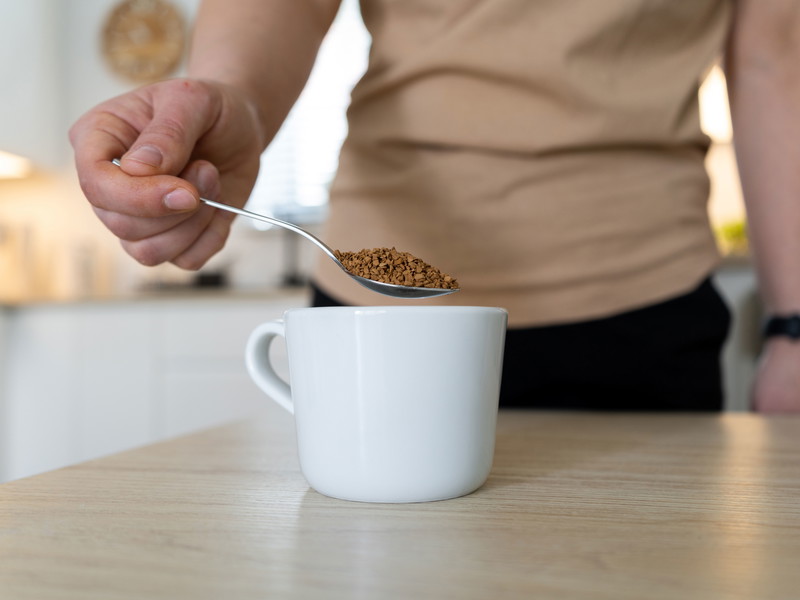
Although many coffee purists still sneer at instant coffee, instant espresso powder has more than earned its place in the kitchen. Even if few would choose to drink it, its culinary potential is hard to deny. From desserts and savory dishes to sauces and snacks, espresso powder adds an intense, aromatic depth that’s difficult to achieve otherwise. Compared to freshly ground coffee, it has one decisive advantage: It dissolves completely, delivering consistent flavor without gritty residue or an unpleasant mouthfeel.
Whether used as a clever accent in barbecue spice blends, hearty stews, or refined desserts, this soluble powder is remarkably versatile. Falstaff took a closer look at how instant espresso powder can be used in everyday cooking.
Combining Espresso with Spices
Meat, fish, seafood—or even tofu—benefit from espresso powder as part of a dry rub. Its subtle earthiness and smoky notes add depth, particularly to steak, and shine when paired with bold, smoky, or spicy seasonings. Cayenne, smoked paprika, black pepper, cumin, dried garlic, and onion powder all complement coffee’s flavor profile beautifully.
The easiest way to try it: Add a teaspoon of espresso powder to your next spice mix and rub it into meat or tofu before cooking. Used sparingly, the effect is rounded and discreet; if you prefer a more pronounced note, simply increase the amount next time.
Espresso in Stews
Coffee’s affinity with meat extends beyond spice blends into braises and classic stews. In chili, in particular, espresso powder is a simple but highly effective addition. The warm, smoky spices typical of chili naturally harmonize with coffee’s roasted character, creating a more complex and balanced seasoning base without overpowering the dish.
Espresso in Desserts
Coffee has long been known as chocolate’s best ally. In desserts, espresso powder subtly amplifies the bitter notes of cocoa and dark chocolate, enriching the flavor without ever tasting overtly like coffee. Often, a single teaspoon is enough; for a clearer mocha profile, you can be a bit more generous. For best results, mix it with dry ingredients or dissolve it in hot liquid—especially important for smooth glazes, creams, and fillings.