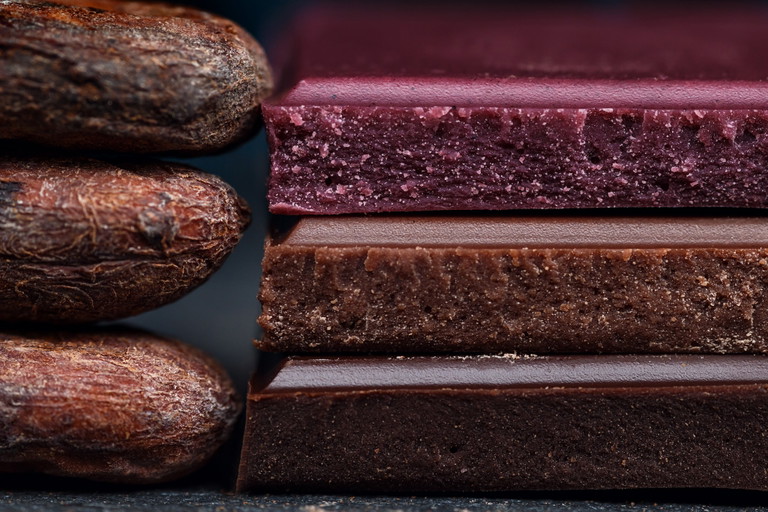
“Chocolate Is An Affordable Ticket to Somewhere Beautiful”: The Story Behind Beaningful Chocolate
For many people, chocolate is simply a sweet treat — something to enjoy with a cup of coffee. But for the founder of Beaningful, Justinas, chocolate is something entirely different: a craft, a philosophy, and a way of telling stories that stretch from tropical cocoa farms to childhood gardens in Lithuania.
The journey began unexpectedly, with a single chocolate bar brought back from Mexico. What followed were years of experimentation and learning in a field that was still largely unexplored locally. Today, Beaningful produces bean-to-bar chocolate that not only showcases the complexity of cocoa itself but also explores flavours inspired by the Baltic landscape — from juniper berries gathered on the Curonian Spit to ingredients rooted in personal memories.
How did chocolate first enter your life?
Chocolate came into my life completely unexpectedly, around 2004 or 2005. At the time I was working in a kitchen, and I was always drawn to the sweet side of things — pastry and desserts.
Around then a friend returned from Mexico and brought back some chocolate. The funny thing is that I used to hate dark chocolate. To me it felt like a punishment for humanity. I couldn’t understand why it even existed — not only wasn’t it sweet, it was unpleasantly bitter. Eating it felt like punishing yourself. But the chocolate my friend brought was different. Looking back now, it might not have been perfect, but at that moment it was something completely new to me. I realized that all my life I had essentially been “lied to”. I didn’t actually know what chocolate was.
Something clicked in my head. That moment made me want to dive deeper. However, at the time there was almost no information available — not in Lithuania, and barely anywhere else. There were no schools where you could study chocolate making, no books to learn from.
Eventually I discovered that around the world there were about 200 small craft chocolate makers. They were importing cocoa beans from specific farms, roasting them, experimenting. I started writing emails, calling people, asking how everything worked. Step by step, I bought my first small grinder and my first 10 kilograms of cocoa beans from Ecuador. That’s where my first experiments began.
What were the most difficult practical hurdles you encountered when starting the business?
Beaningful was born in 2020, when we started building our small chocolate manufactory. The biggest challenge, without a doubt, was financial. Chocolate production is extremely expensive. If you compare it with coffee roasting, where you mainly need roasting and grinding equipment, chocolate requires three or four additional machines of similar size and cost. Suddenly the investment grows dramatically.
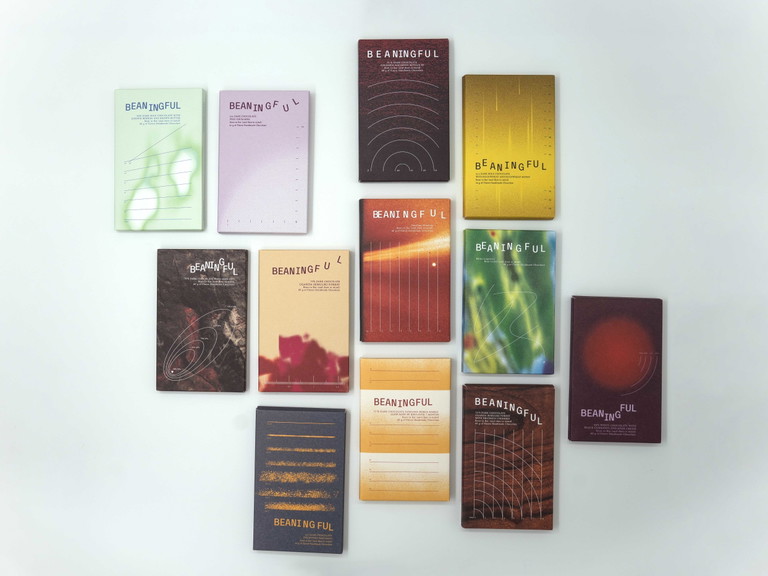
It took about two years to build everything around the brand. We installed the equipment, tested production lines, and selected our beans. Out of around 80 different varieties we eventually chose the first five. In autumn 2022 we released our first six chocolate bars.
The first three years were incredibly difficult. Only now can I say that we’re slowly finding our footing. But challenges never disappear.
At that time we didn’t even have proper packaging yet. My wife made the first ones by hand using linen prints.
Justinas
Founder of Beaningful
Justinas
Founder of Beaningful
Every young brand has a moment when its first supporters appear. How did you find your first customers?
Luckily, over the years we had built a circle of friends in the coffee world. One of the first places to sell our chocolate was Crooked Nose & Coffee Stories. At that time we didn’t even have proper packaging yet. My wife made the first ones by hand using linen prints. Each one was essentially a handmade piece.
After that, word of mouth did its magic. People shared the chocolate with friends, and gradually it created momentum for us.
From the very beginning I had one principle: if I ever built my own brand, quality would come first. No compromises. Businesses like ours operate with very small margins. You constantly count every cent, and sooner or later you face the temptation to cut corners somewhere — to step into that grey area. I’ve always said that if we ever reach the point where we need to compromise our principles, we should simply lock the doors that same day. It doesn’t make daily work easier. But it shows in the quality of the product and in the way customers appreciate it.
What motivated you to choose the bean-to-bar approach, and how does working directly with cocoa beans change the way you think about chocolate as a product?
For me it’s about connection — the connection to the raw ingredient and to the farmer who grows it. In our case that farmer is often thousands of kilometres away, cultivating something in conditions completely different from ours. Yet the choices we make influence their lives.
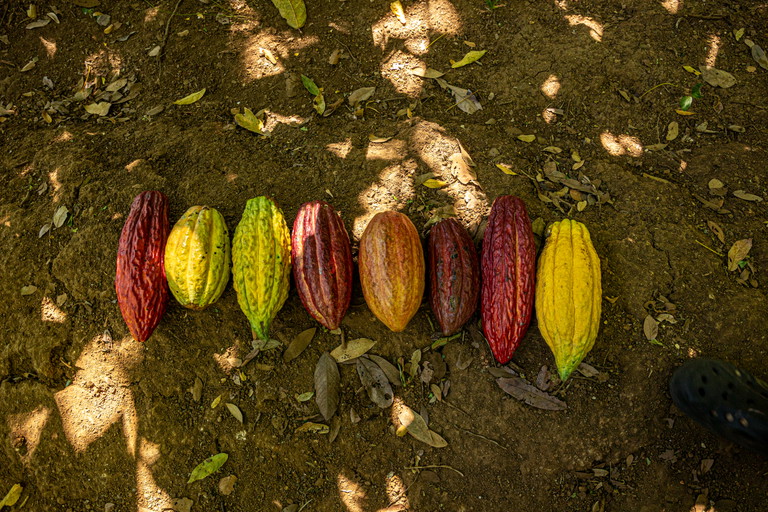
Craft chocolate makers like us try to create a different system. We are willing to pay several times more for cocoa beans if farmers commit to biodynamic and agroforestry principles — recreating natural jungle ecosystems, protecting biodiversity and ensuring that everyone can live dignified lives. To me, that is real sustainability.
This approach is not easy, but it’s an essential part of our work. When people understand where the cocoa comes from, how it is grown and processed, and then taste the difference themselves, they begin to see why the chocolate costs a little more.
When I first started exploring chocolate, I realized it was an extraordinary journey. You hear the story of a farmer or a family whose life feels almost exotic because it is so different from your own. Then you learn the story of cocoa — a plant that has grown in certain places for centuries. And then the journey becomes personal.
You put a piece of chocolate in your mouth. It melts slowly, and suddenly you taste black currants, raspberries, honey. The flavours start awakening memories — like picking berries in your grandmother’s garden as a child. It’s a very small investment for an incredibly big experience. We often say that our chocolate bars might seem expensive at first glance, but in reality they are one of the most affordable luxury goods you can buy. It’s all about perspective.
For many craft chocolate makers, relationships with farmers are just as important as the final product. How do you choose the farmers you work with?
Over time relationships form, and you start asking yourself whether your values match. Our business is built on long-term partnerships. Trust is the foundation. You need to see that the farmer truly loves the product they grow — that it’s not only about money but about belief in something bigger.
Chocolate businesses like ours don’t exist for profit alone. If money were the main motivation, you would choose a completely different industry. We buy cocoa from farms we believe in. At one point we worked with a farm in Guatemala where a family restored land that had once been cleared jungle. Using agroforestry methods they replanted it, creating a cocoa farm where plants and animals gradually returned. Within a few years the ecosystem was thriving again. The farm even became carbon negative. Stories like these inspire us. By telling them, we help those farms succeed — and our own business becomes part of that success.
We all want to leave a positive mark on the world. Chocolate, surprisingly, can be a beautiful way to do that.
My greatest love is single-origin chocolate. It allows us to show just how much the cocoa bean itself influences flavour.
Justinas
Found of Beaningful
Justinas
Found of Beaningful
When developing a new chocolate bar, what does the creative process look like?
My greatest love is single-origin chocolate. It allows us to show just how much the cocoa bean itself influences flavour. But alongside that we created the Baltic Collection — what we like to call our playground.
At some point we felt that exotic ingredients had become a little predictable. Mango, passion fruit — they’re everywhere. We started asking a different question: what if we focused on the ingredients that grow around us? The Baltic Sea region has an incredible range of flavours that we often overlook. Moving from Vilnius to the countryside helped us see this more clearly. When you step outside into a forest every day, you start noticing things you would normally pass by.
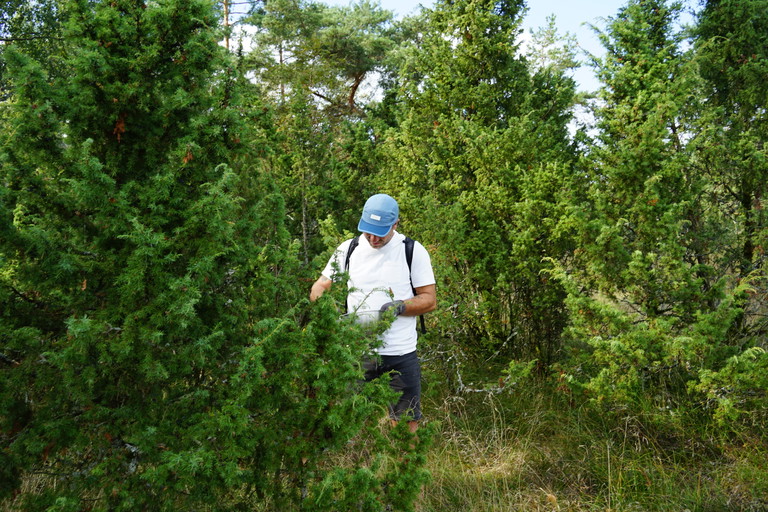
One of those discoveries was juniper berries. My wife and I love walking in the Curonian Spit, and one autumn we realized we were constantly passing juniper bushes heavy with berries. We tasted them and were surprised — they were gentle, sweet, almost reminiscent of chewing gum. I collected some berries and experimented with chocolate. The result became one of our best-selling bars.
Looking back, which local ingredient surprised you the most during your experiments?
Fermented white lilac blossoms. Our neighbours run a historic rose farm. One day they handed us a jar filled with fermented flowers. When I smelled them, it was astonishing — notes of caramel and licorice.
For the past two years we’ve been collecting lilac blossoms in spring and fermenting them similarly to tea leaves. The aroma transforms completely. Since licorice doesn’t grow here, we named the bar “Baltic Licorice.” It perfectly represents our philosophy: you don’t always have to follow the obvious path. Sometimes the most interesting flavours appear when you look at familiar ingredients in an unexpected way.
Your Baltic Collection focuses on local ingredients from Lithuania and the Baltic region. Do people appreciate this choice?
Yes, and more and more every year. We imagined the collection as a kind of edible ambassador for Lithuania — something people could take abroad as a gift that truly represents our region. Not Lithuanian chocolate with mango, but chocolate that tells a local story.
I think Lithuania is going through a cultural shift. For a long time we believed that foreign products were automatically better. Now we’re rediscovering the value of what we have here. The global gastronomic movement has been heading in that direction for years — towards locality, authenticity, and especially emotional connections to food.
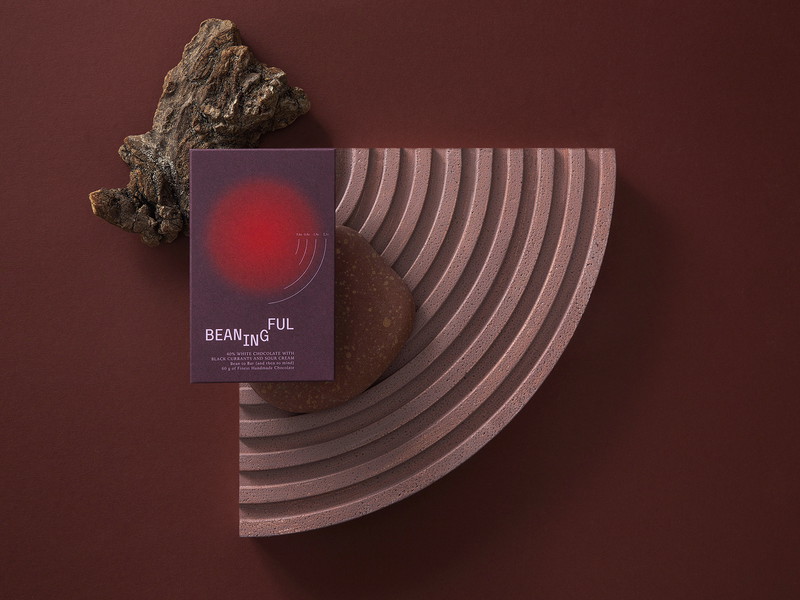
One of the most personal products we make is inspired by my childhood. I spent much of my childhood at my grandparents’ house. They had a large garden, and summer mornings often began with climbing into a currant or gooseberry bush and eating berries straight from the branch. On Sundays my grandmother would make crepes for all the grandchildren. We ate them with black currant jam and sour cream, mixing everything together on the plate. That flavour combination stayed with me forever. Eventually I recreated it in chocolate: white chocolate with freeze-dried sour cream and plenty of black currants. For me it’s a tribute to my grandmother.
In many ways that’s why I chose food as my path. My strongest childhood memories are of sitting at the table and seeing my grandmother smiling while she cooked. I don’t even remember her eating — only smiling and making food for us. The joy you can give someone through food is extraordinary. Chocolate, for me, is also about that feeling.
From your perspective, how have Lithuanian consumers’ tastes and expectations changed during the last decade?
People appreciate chocolate much more today. Ten or twelve years ago, when someone heard the price of craft chocolate, they might tap their finger against their temple as if you were crazy. But curiosity grows with time. The more people encounter something, the more interested they become.
Lithuania is also becoming more prosperous and more connected to the world. We travel more, we taste more. Food is no longer just about calories — it has become part of culture. Just as we’ve learned to appreciate coffee, wine, and cheese, we are learning to appreciate chocolate as well.
Finally, if someone opens one of your chocolate bars for the first time, what kind of experience do you hope they will have?
Our goal might sound a little romantic. We want people to experience at least a small part of the journey we experience ourselves. Because for us this business is not just work — it’s a lifestyle.
When someone tastes our chocolate, we hope they slow down. That they pause for a moment. Chocolate shouldn’t be something you eat absent-mindedly in the car or while watching a film. It should be the centre of the moment. A small portal to warm childhood memories. An affordable ticket to somewhere beautiful.