What Italians often order as caffè corretto – an espresso “corrected” with a small shot of alcohol, usually grappa – has its own counterpart in Ireland: Irish coffee. But where does this beloved coffee cocktail actually come from?
According to tradition, its origins date back to the 1940s. At the time, on Ireland’s west coast near what is now Shannon International Airport, there was a small airport known as Foynes Airport. Originally a flying boat terminal, it later evolved into the modern airport we know today. Nearby, bartender Joe Sheridan worked in a small airport restaurant where he regularly served food and drinks to weary travelers. According to the popular story, this is where Irish coffee was born. One cold evening, a group of American passengers found themselves stranded at the restaurant after their flight was forced to turn back due to bad weather. Tired and chilled from the journey, they were in need of something warming.
To lift their spirits, Sheridan served them strong coffee mixed with Irish whiskey and topped with a layer of cream. The comforting drink proved an instant success – and Irish coffee was born. The story might have ended there, but the drink’s fame was still to come. Travel writer Stanton Delaplane later encountered the creation and reportedly declared that it was reason enough to travel to Ireland. Within the following decade, Irish coffee had spread far beyond the small airport restaurant where it first warmed stranded travelers.
When Coffee Meets Whiskey and Sugar
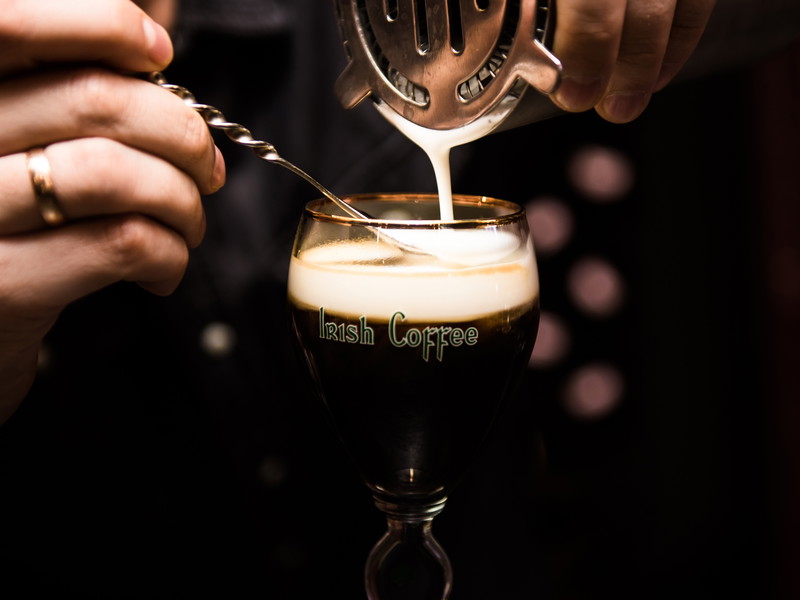
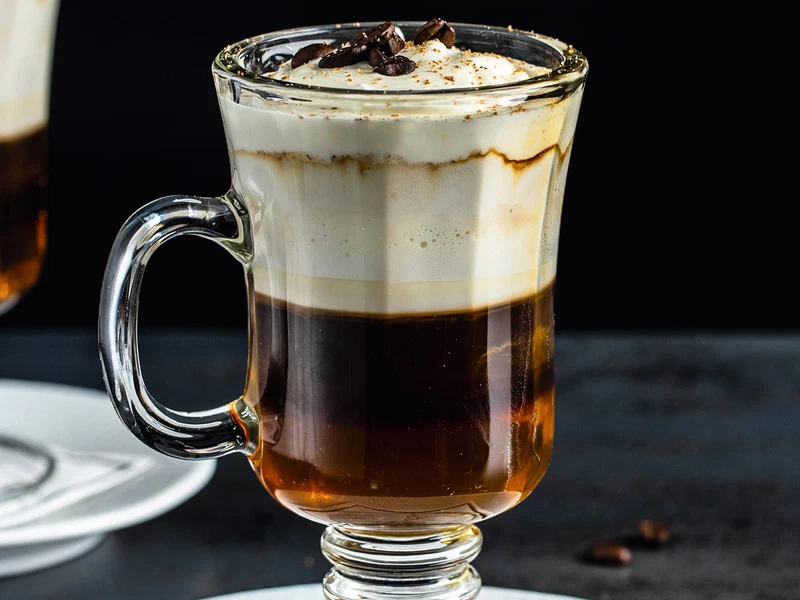
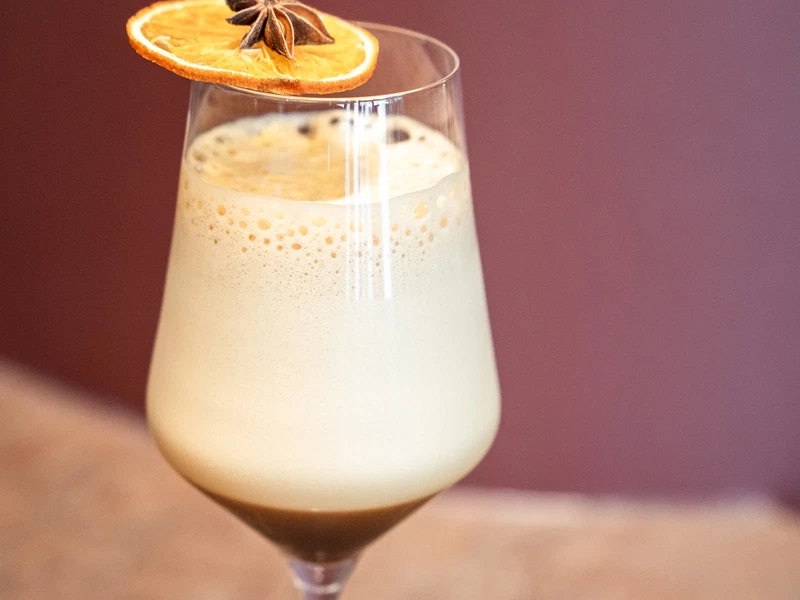
Traditionally, Irish coffee is prepared with freshly brewed filter coffee, although coffee from a fully automatic machine can also be used. What matters most is that it is prepared directly in the tall glass in which it will be served. Ideally, the whiskey is gently warmed before being combined with sugar in the glass. This helps the sugar dissolve more easily in the alcohol. Hot coffee is then added, and the drink is finished with a layer of lightly whipped cream on top.
A small but important detail: the cream should remain soft and pourable rather than stiffly whipped, allowing it to float gently on the surface of the drink. For those who would like to try making Irish coffee at home, Falstaff also has the perfect recipe ready – enjoy mixing.