Skip to content

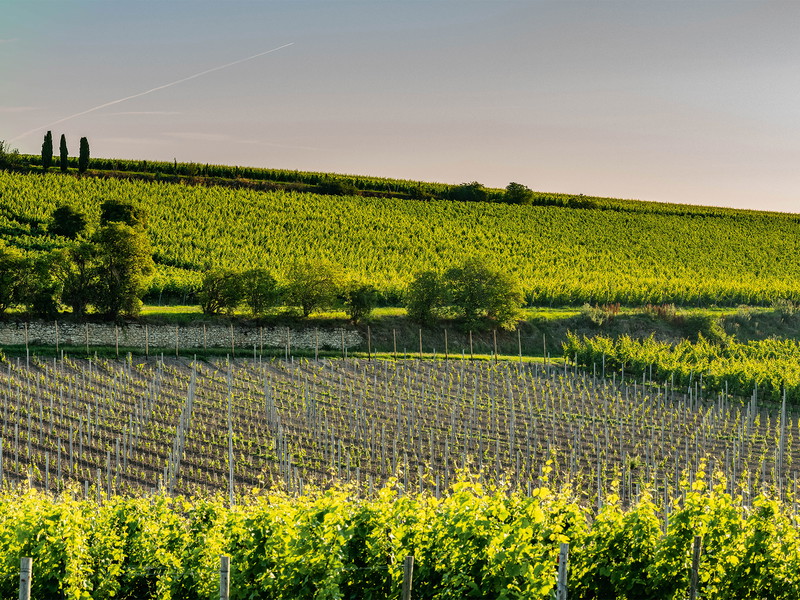
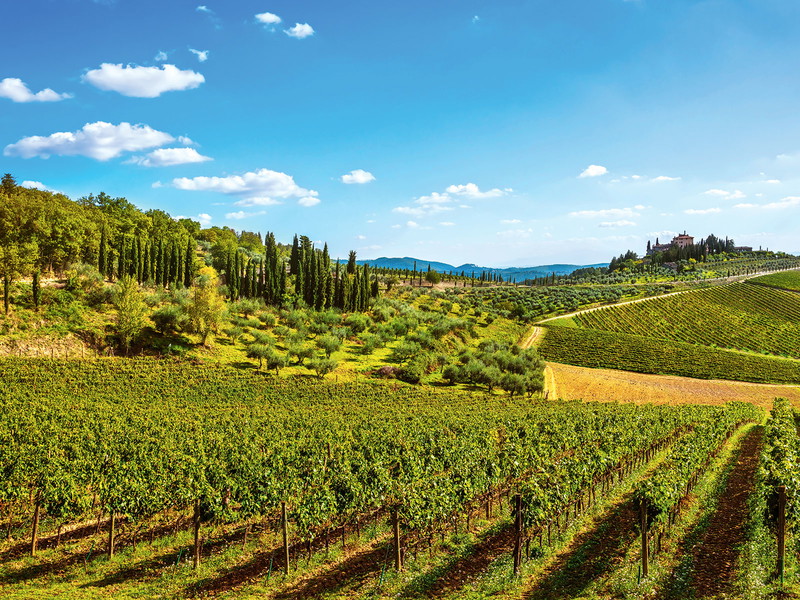
Radda in the heart of the Chianti Classico. The first Supertuscans were created here in the 70s and 80s.

Radda in the heart of the Chianti Classico. The first Supertuscans were created here in the 70s and 80s.
© Shutterstock

Proud Supertuscans: Best of Toscana Centrale 2024

Tasting
Toskana
Rotwein

The Supertuscans were created in the 70s and 80s as a protest against production regulations that had become obsolete. Under the simple name "Vino da Tavola", quality-conscious winegrowers created wines that made the world sit up and take notice.

Supertuscans are the result of the renaissance of Tuscan wine in the 1970s and 1980s. In the production regulations for Chianti Classico, the most important denomination in the central hills of Tuscany, the addition of white grape varieties was still mandatory at the time. In response, many committed winegrowers began experimenting with French varieties, primarily Cabernet Sauvignon and Merlot. They wanted to give the then weak-chested and highly acidic Sangiovese more substance. Other winegrowers concentrated on the traditional Sangiovese variety and produced a single-varietal wine from it. Both variants were not permitted by wine law, the creative way out was called "Vino da Tavola".

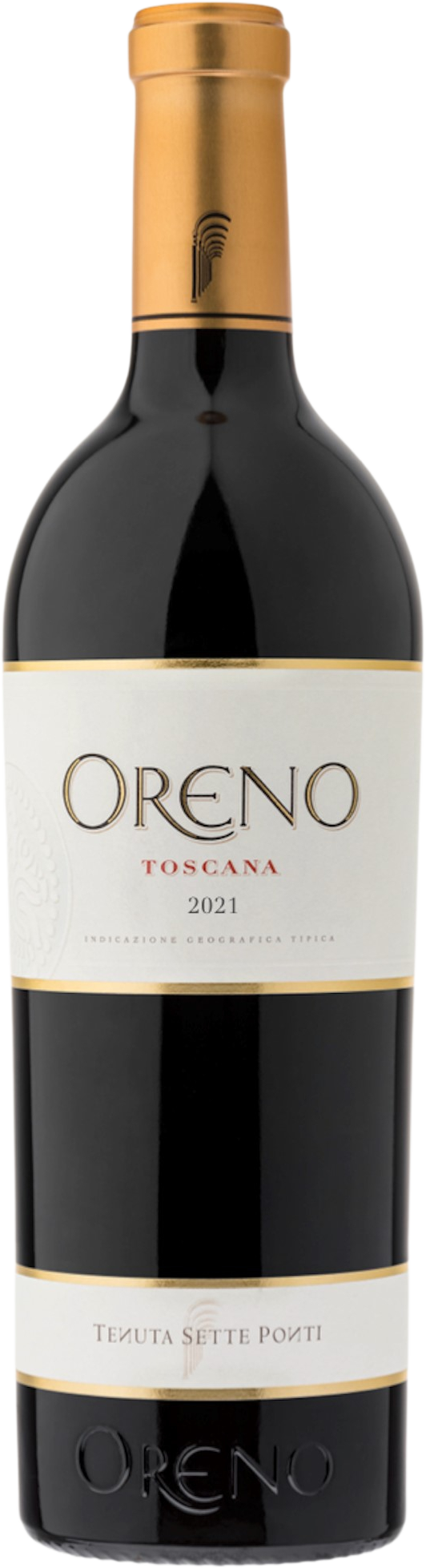
In the mid-1980s, the British Master of Wine Nicolas Belfrage was the first to aptly describe the multitude of these new wines as Supertuscans. Three variants of Supertuscans have developed over the years. The most common is Sangiovese with the addition of Cabernet Sauvignon, which can sometimes be replaced by Merlot or Syrah. A prime example of this is Antinori's Tignanello. A second variant is the single-varietal Sangiovese. The best examples of this are Le Pergole Torte from Montevertine, Flaccianello from Fontodi and Cepparello from Isole e Olena. A third variant are wines with no or very little Sangiovese at all: Sammarco from Castello dei Rampolla, Solaia from Antinori, and later Oreno (Sette Ponti), Giorgio Primo (La Massa), Galatrona (Petrolo) or Tenuta di Trinoro.

Toscana Centrale 2024

Dark ruby red colour. Finely spicy on the nose, blackcurrants, fine earthy notes, plus a hint of dried rose petal, some cigar box. On the palate a fruity texture, entwined with...
Tuscany, Italy
Deep dark ruby with a fine purple sheen. Fragrant, memorable nose, with notes of ripe blackberry, lots of cassis, some mint, very balanced. Polished and clear on the palate,...
Tuscany, Italy
Bright ruby purple colour. Opens with elegant nose, notes of elderberries, chocolate, cooked blackberries, some liquorice. Present on the palate, with nerve, grippy but very...
Tuscany, Italy
Clear ruby with a fine garnet sheen. Impressive nose, very finely drawn, aromas of juicy cherries, blood orange and dried thyme, some liquorice in the background. Polished and...
Chianti classico, Italy

Area profile


The varieties

Of course, Sangiovese, the dominant red wine variety in Tuscany, also plays an important role in the Supertuscans. However, many of the Supertuscans are cuvées, created at the time to give the Sangiovese more substance. In a blend with Cabernet Sauvignon, Cabernet Franc, Merlot and Syrah. But they can also be single-varietal.

The area

Under "Toscana Centrale" we summarize the traditional wine-growing regions in the interior of Tuscany; primarily Chianti Classico, Chianti Rufina, Carmignango, Montepulciano and Montalcino. But Valdarno, Orcia, Montecucco and San Gimignano are also included.


Don't miss out!

Sign up now for our newsletter.

Othmar Kiem
Othmar Kiem
Direktor Falstaff Italien
Simon Staffler
Simon Staffler
Direktor Falstaff Italien
Find out more
1 / 12