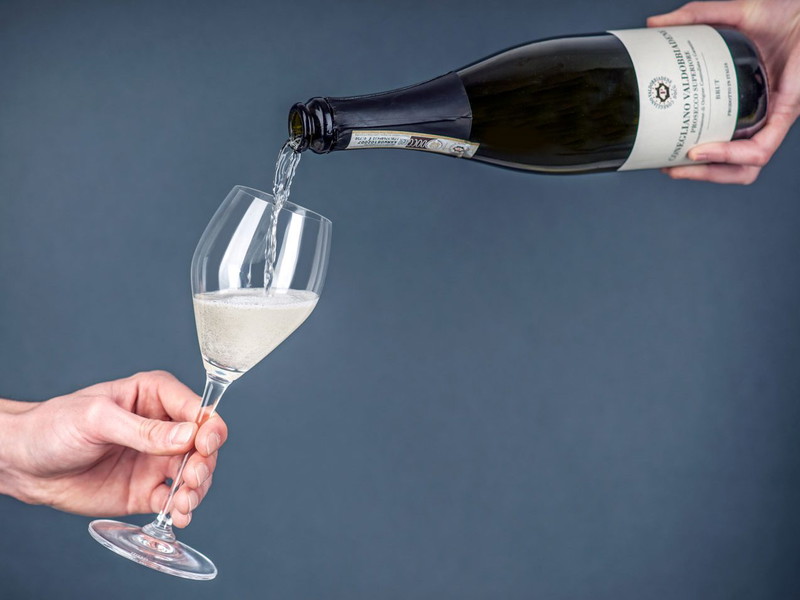
Prosecco is one of Italy's biggest exports, with nearly 800 million bottles produced in the last year. The Prosecco DOC category accounts for around 660 million of the total, with Conegliano Valdobbiadene Prosecco Superiore DOCG and Asolo Prosecco DOCG making up the rest. Thanks to prosecco's popularity, Italy has become the largest producer of sparkling wine in the world, with around 80 percent of production being exported.
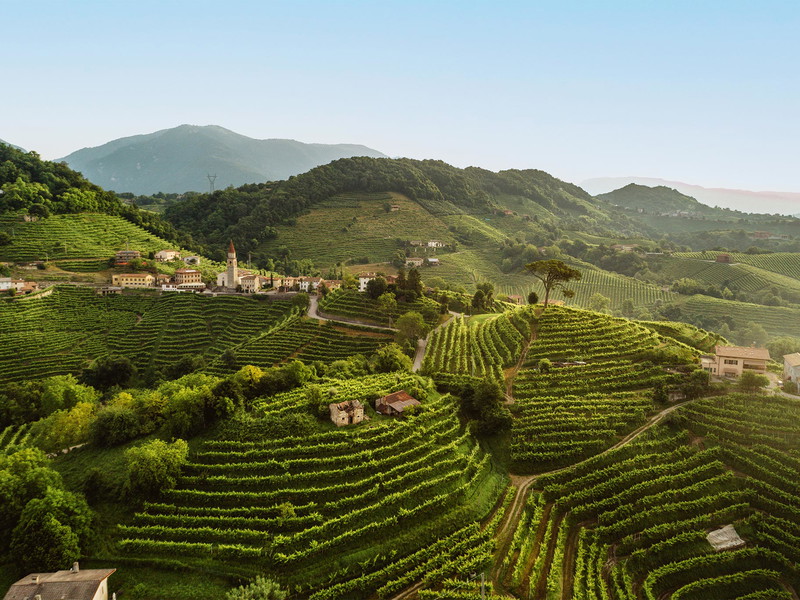
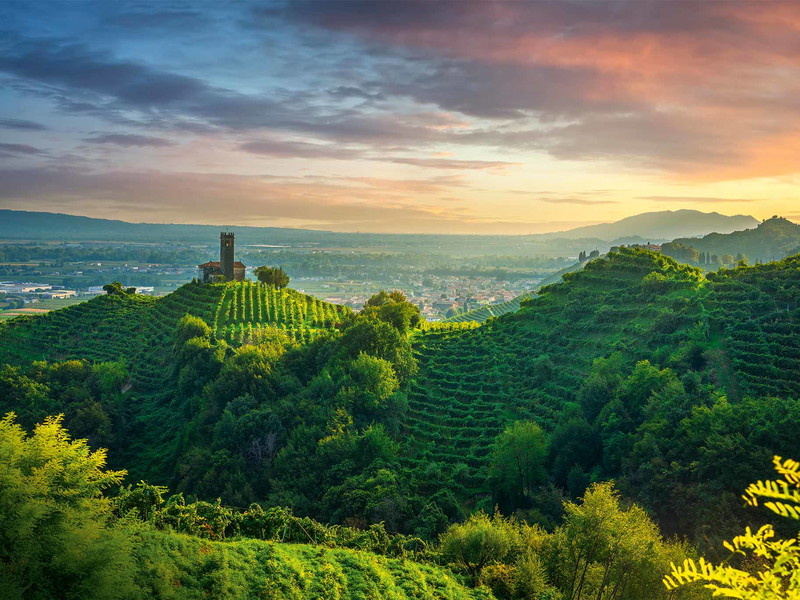
A basic distinction must be made between Prosecco DOC and Conegliano Valdobbiadene Prosecco Superiore DOCG. The hills around Conegliano and Valdobbiadene to the north-west of Treviso are the original production area for prosecco. The vineyards are located exclusively on slopes, some of which are extremely steep. Only prosecco from these vineyards can be called Conegliano Valdobbiadene Prosecco Superiore DOCG, although prosecco from the slopes around the town of Asolo may also bear the DOCG seal of quality.
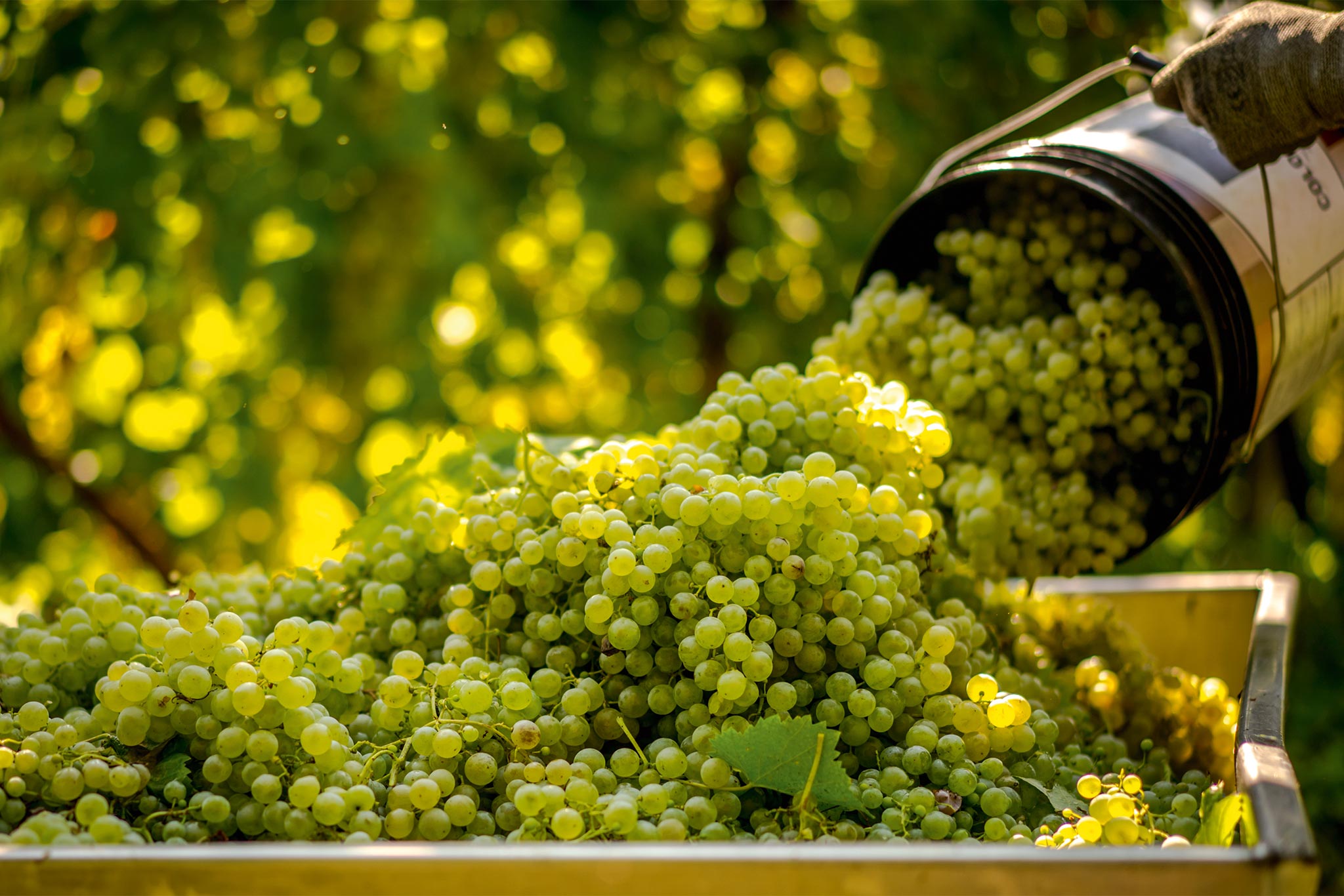
The production of Asolo Prosecco Superiore DOCG has recently increased considerably. However, the lion's share is still covered by Prosecco DOC. This designation has existed since 2009, covers two regions – Veneto and Friuli-Venezia Giulia – and includes nine provinces, from Treviso to Trieste. The basis for prosecco is the Glera grape, which is characterized by a delicate aroma, which is preserved during prosecco production by using the tank fermentation method. After three to four months of storage, the sparkling wine is ready.
SEE THE ENTIRE TASTING RESULTS