Skip to content
© Press / Ilzenbergo dvaro vyninė

Spring in a Glass: Lithuanian Wineries Worth the Journey

Lithuania
Wine

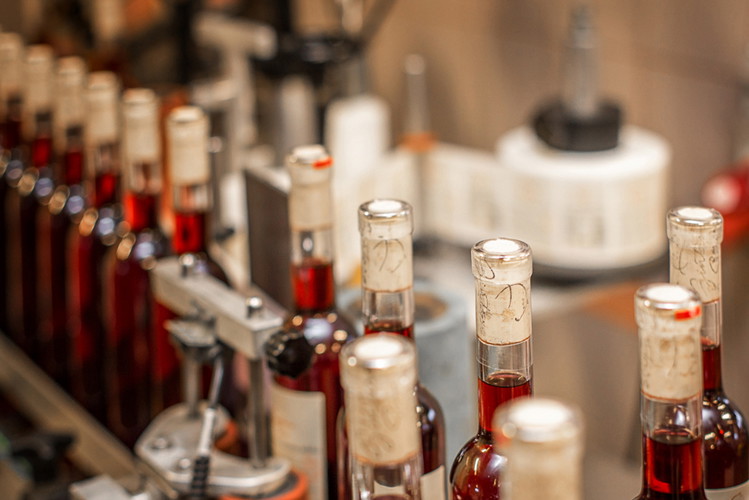
Spring invites a different kind of journey across Lithuania — one that leads beyond cities and into orchards, farms and small wineries. Here, winemaking takes on a local character, shaped by berries, tradition and a close connection to the land, offering experiences that are as much about place as they are about what’s in the glass.

There is something quietly magical about Lithuania in spring. The air softens, orchards begin to bloom, and the countryside slowly wakes from its winter stillness. It is also the perfect moment to discover a lesser-known side of the country’s gastronomic identity — its wineries. Not built on vast vineyards like those in southern Europe, Lithuanian winemaking tells a different story: one of berries instead of grapes, of family traditions, and of a deep connection to land that feels especially alive.


What makes visiting these wineries in spring so special is not just the wine itself, but the experience surrounding it — long drives through greening landscapes, conversations with winemakers, and tastings that feel more like being welcomed into someone’s home than attending a formal event.

Česlovo Vynas

In the Šilutė district, Česlovo vynas represents a turning point in Lithuania’s wine history. Founded by Česlovas Ramoška, it became the first winery in the country to receive an official production license — a milestone that helped legitimize local winemaking.

What makes this winery stand out is its deep connection to tradition. Winemaking knowledge in the Ramoška family stretches back over a century, and that heritage is still visible in the way wines are made today. Fruits and berries grown on the organic farm are carefully handpicked, and recipes remain closely guarded.


The range is both classic and expressive: raspberry wine — the winery’s most celebrated label — sits alongside blackcurrant, apple, quince, and rowan varieties. Each reflects a preference for the natural flavour and balance. Even the distillates and liqueurs carry the same philosophy — precise, personal, and unmistakably local.

Geri Metai

Close to Vilnius, Geri metai winery offers a glimpse into the evolving side of Lithuanian winemaking. Founded by Giedrius and Irma Kaukai, the winery is relatively young, yet already distinctive in its approach.

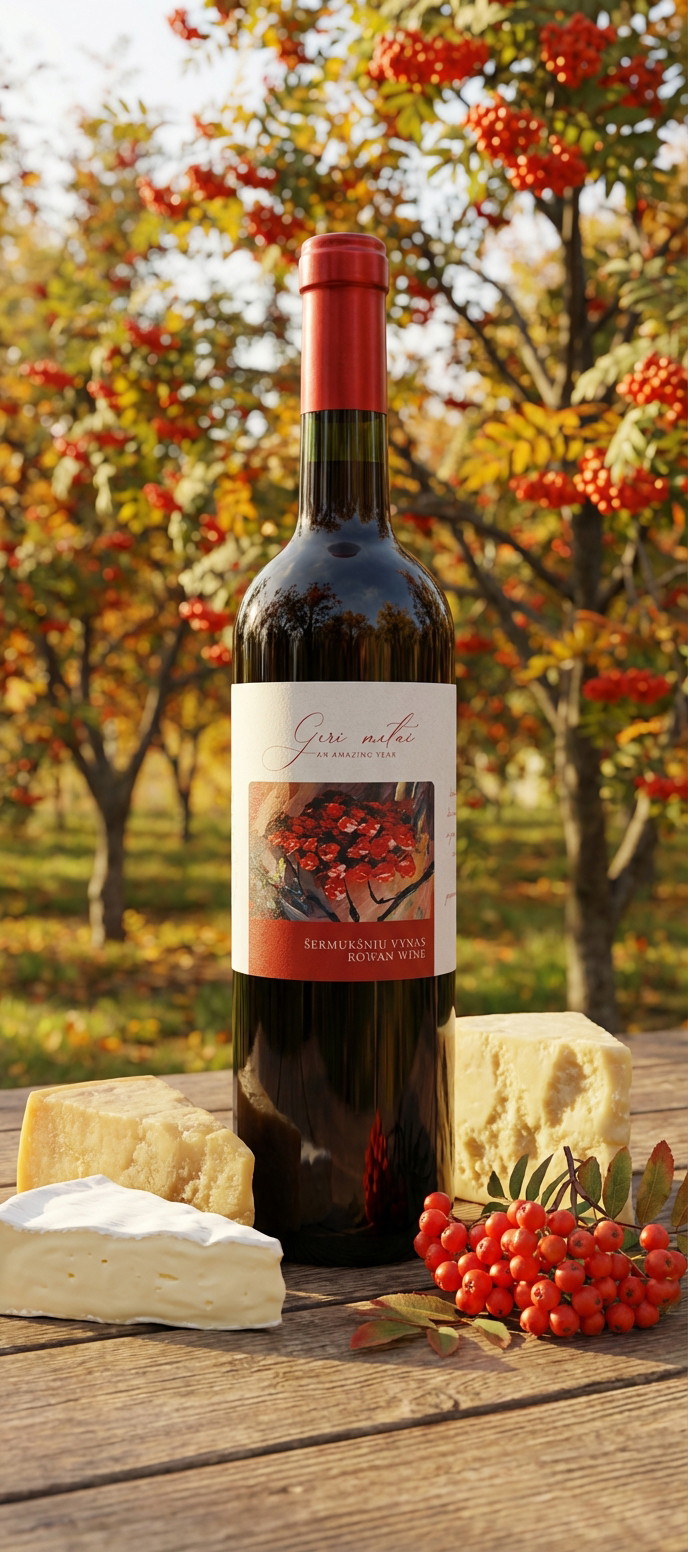
The farm itself is unusual: instead of vineyards, it is filled with rowan trees and elderberry bushes. These ingredients shape the wines, giving them a character that is rarely encountered elsewhere. While rowan-based wines form the core of the production, elderberry production stands out as an experimental creation — intriguing, unconventional, and deliberately different.

Beyond the bottles, the experience is equally important. Tastings often unfold in a private setting, accompanied by homemade food, turning a visit into something closer to a gathering than a formal degustation.

Mėmelio Vynas

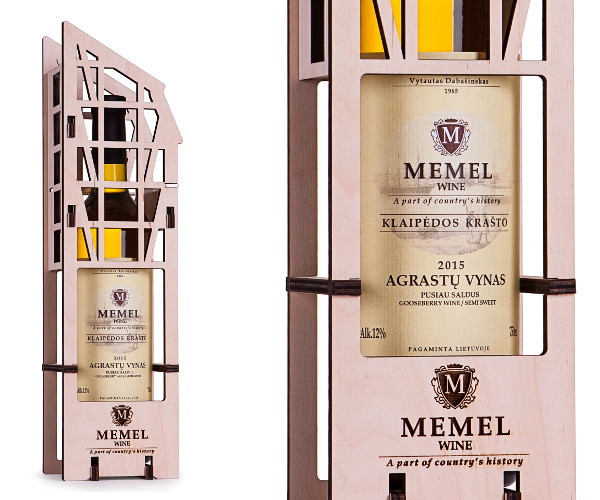
Set between Priekulė and Dreverna, Mėmelio vynas is a small, boutique-style winery where attention to detail defines every step of production.

The wines are based on an old family recipe, passed down through generations and said to date back to the times of the Teutonic Knights. This sense of continuity is central to the winery’s identity — a balance between history and present-day craftsmanship.

Production remains deliberately limited, with a focus on quality rather than scale. The setting adds to the experience: a landscape of meadows, waterways, and distant dunes creates a quiet, almost meditative backdrop. Tastings here often extend into a broader experience, including local cheeses, events, and guided visits through the winery.

Memelio Vynas
© Provided
Memelio Vynas

Gintaras Sinas

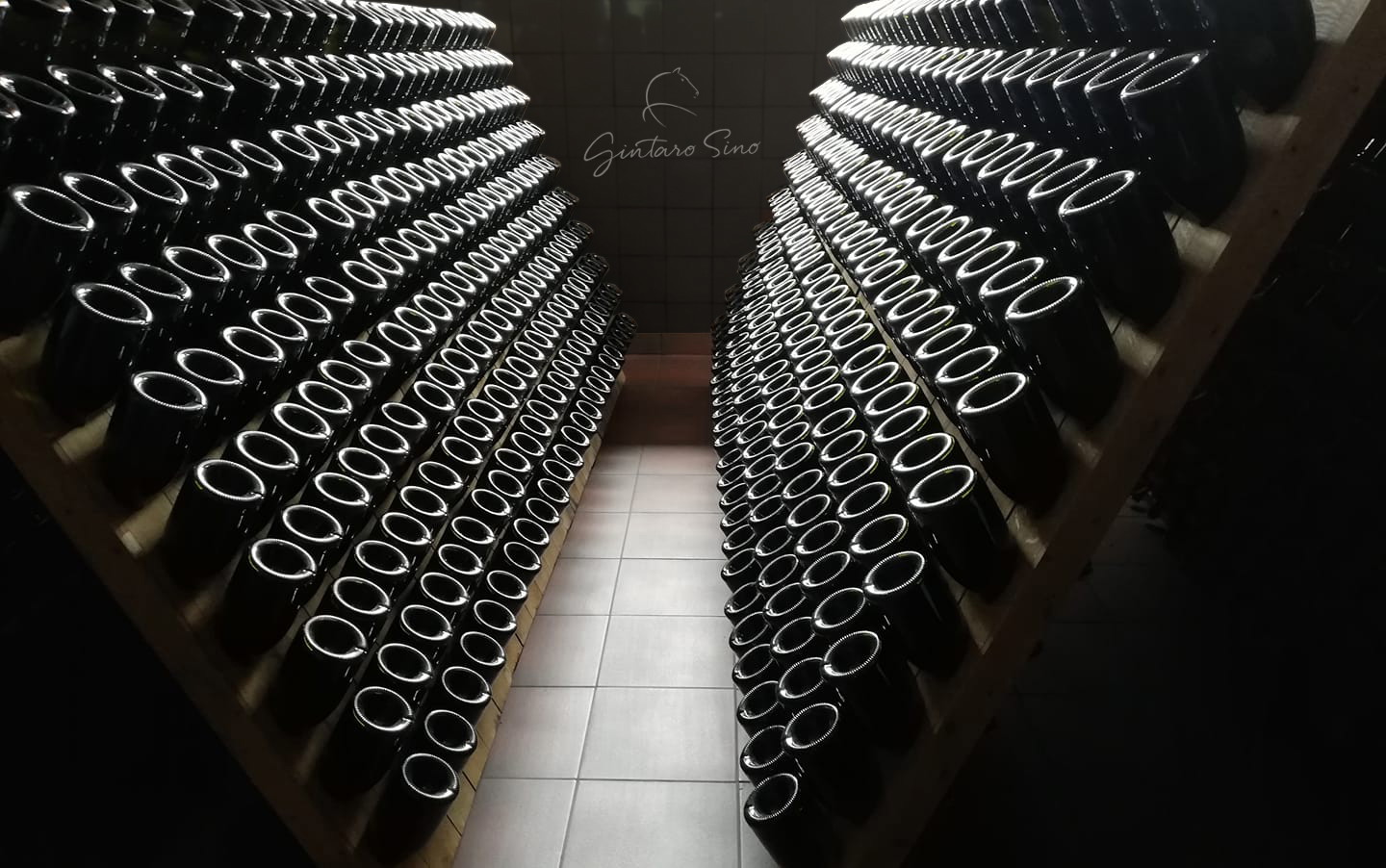
In the Zarasai region, Gintaras Sinas winery is built on a clear idea: to challenge how fruit and berry wine is perceived.

Winemaker has spent years refining his craft, working with ingredients grown in local gardens and forests. His wines — along with a growing range of spirits — have earned recognition in international competitions, proving that quality is not defined by tradition alone.

The approach here is both technical and philosophical. Modern equipment ensures precision, while long maturation periods allow the wines to develop depth and structure. Tastings reflect this diversity, often including not only wines but also whiskey, gin, and other distillates produced on site.

It is a place that invites reconsideration — of what wine can be, and how it can express a region.

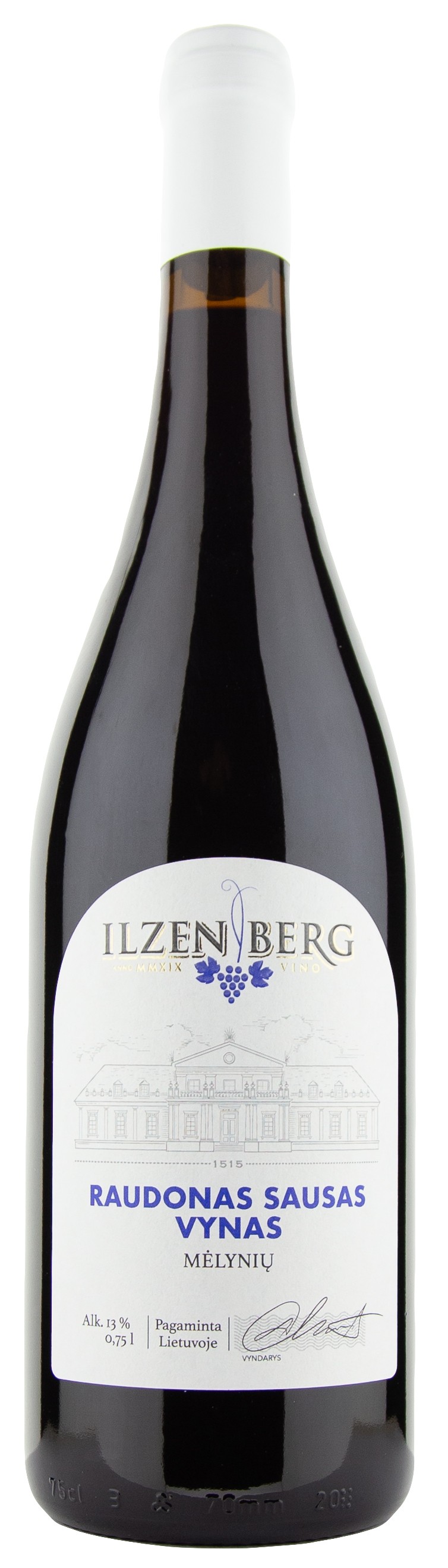
Ilzenbergo dvaro vyninė

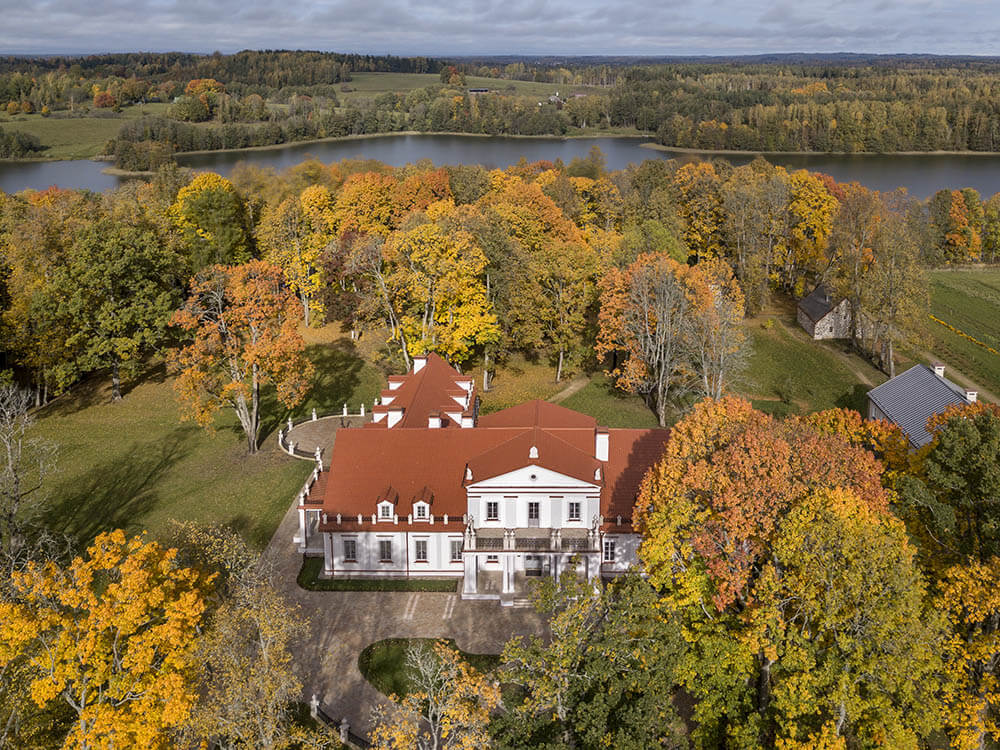
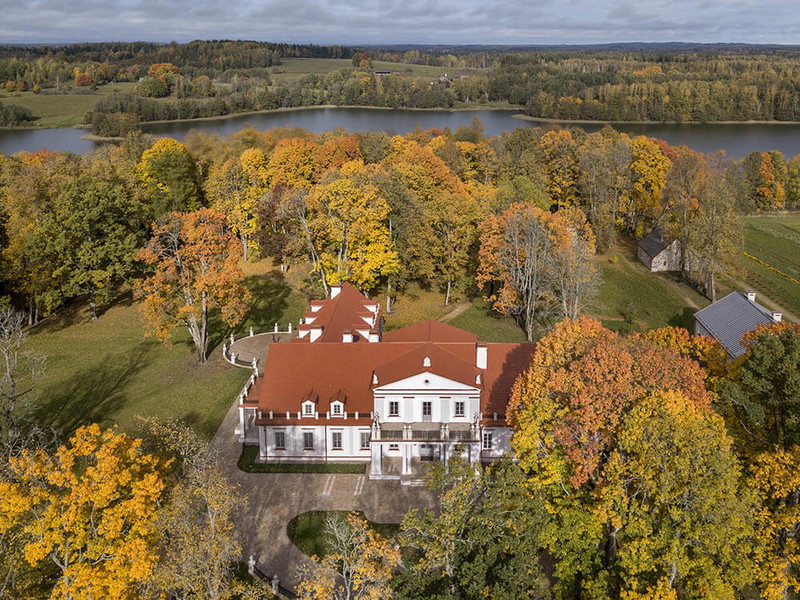
Located in the Rokiškis district, Ilzenbergo dvaro vyninė offers a more expansive take on Lithuanian winemaking. Set within a restored estate with over 500 years of history, it combines agriculture, hospitality, and wine production into a single, unified experience.

The estate is home to the largest vineyard in Lithuania, as well as extensive orchards and farmland managed according to natural farming principles. Winemaker Andrius Diliautas brings both experience and precision to the wines, which consistently receive top awards at national competitions.

Here, wine is part of a broader narrative. Tastings are often paired with carefully curated menus, and the historic cellars add depth to the experience. It is not just about the wine itself, but about understanding the environment and traditions that shape it.

Ugnė Vedeikaitė
Author
Find out more
1 / 12