The Litvak Table: How Jewish Cuisine Shaped the Culinary Tradition of Vilnius
Few European cities carry such a deeply intertwined culinary history as Vilnius. For centuries, Lithuanian and Jewish communities lived side by side, sharing markets, ingredients, and everyday rituals that gradually shaped one another’s kitchens. The result is a cuisine where many of the dishes now considered traditionally Lithuanian are inseparable from the legacy of Litvak culture that once defined the city known as the “Jerusalem of the North.”
The Litvak Table: How Jewish Cuisine Shaped the Culinary Tradition of Vilnius
To speak about Vilnius without speaking about Jewish culture would be impossible. For centuries, the city known as the “Jerusalem of the North” was shaped not only by synagogues, schools, and intellectual life, but also by kitchens fragrant with cinnamon, slow-cooked broths, freshly baked challah, and potato dishes that today feel inseparable from Lithuanian identity itself.
What many people do not realize is just how deeply Litvak culinary traditions became woven into everyday Lithuanian cuisine. Dishes now considered quintessentially local — potato pancakes, kugel, stuffed cabbage rolls, creamy mushroom soups, challah, bagels, even variations of cepelinai — all exist within the broad and intertwined story of Litvak gastronomy. Over generations, recipes traveled naturally between neighbors, markets, and family tables until the lines between “Jewish” and “Lithuanian” cooking became almost impossible to separate.
That shared history is precisely what makes Vilnius such a fascinating gastronomic city today.
A Cuisine Built on Memory and Ritual
Traditional Litvak cuisine was never only about recipes. It was shaped by religion, seasonality, practicality, and ritual. The laws of kashrut — the Jewish dietary system — defined not simply what could or could not be eaten, but how ingredients were combined and prepared. The Hebrew word kosher itself means “proper,” reflecting a philosophy of balance and order rather than restriction alone.
This structure influenced generations of cooking traditions. Meat and dairy were carefully separated. Certain seafood was avoided entirely. Broths were valued not only for nourishment but for healing. Bread held symbolic importance. Even celebratory dishes often carried deeper meanings connected to family, holidays, or the rhythms of communal life.
And yet, despite these ritual foundations, Litvak cuisine remained deeply tied to local landscapes and available ingredients. Potatoes, beets, mushrooms, grains, dairy, river fish, berries, and forest produce all became central to the table. The result was a cuisine both humble and layered — comforting, practical, but rich with identity.

The Dishes Vilnius Already Knows
Perhaps the most fascinating aspect of Litvak culinary heritage is how familiar it feels today.
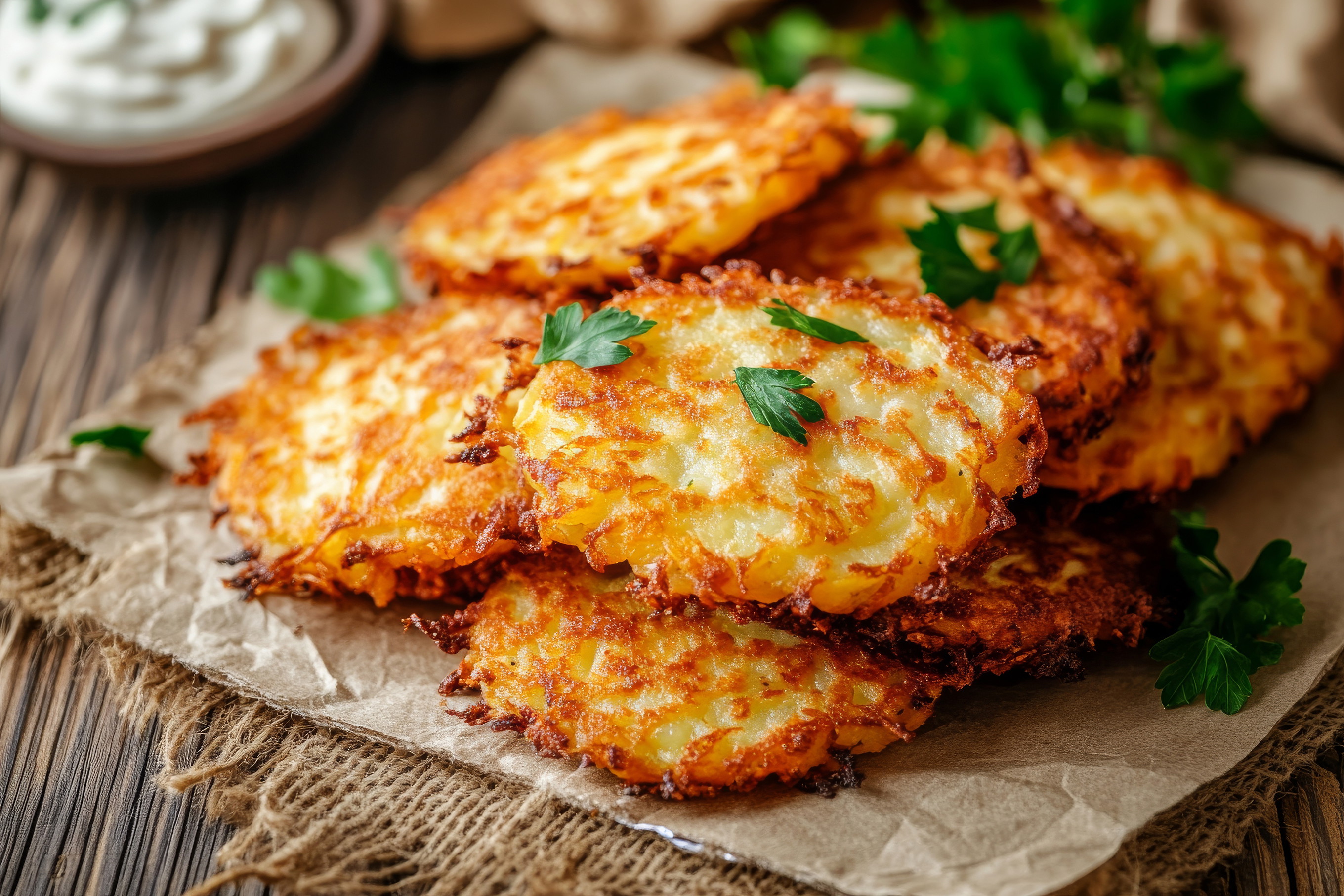
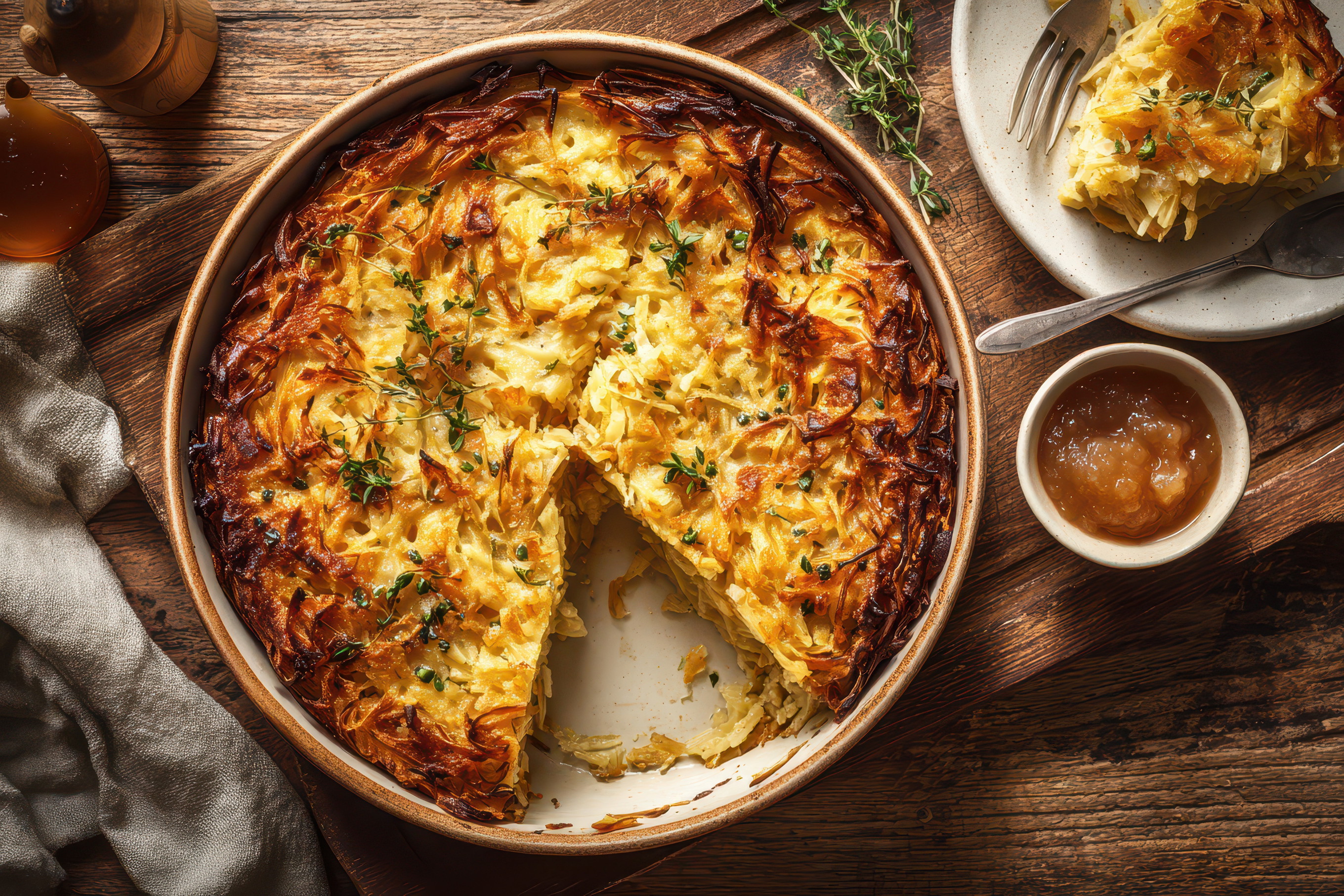
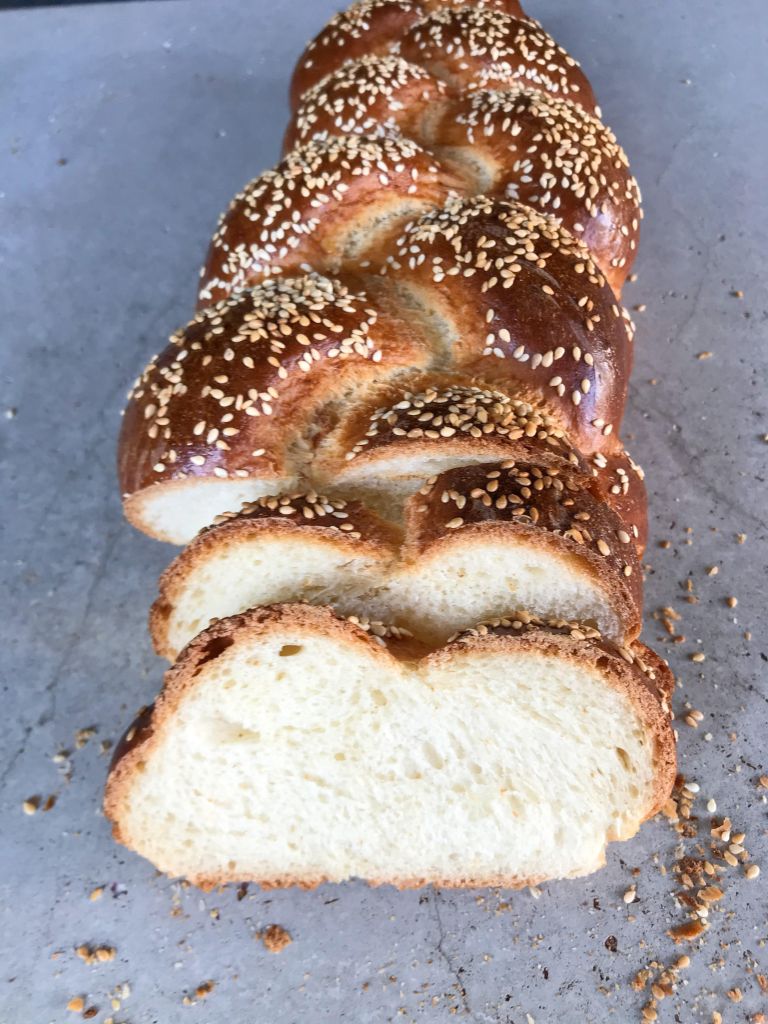
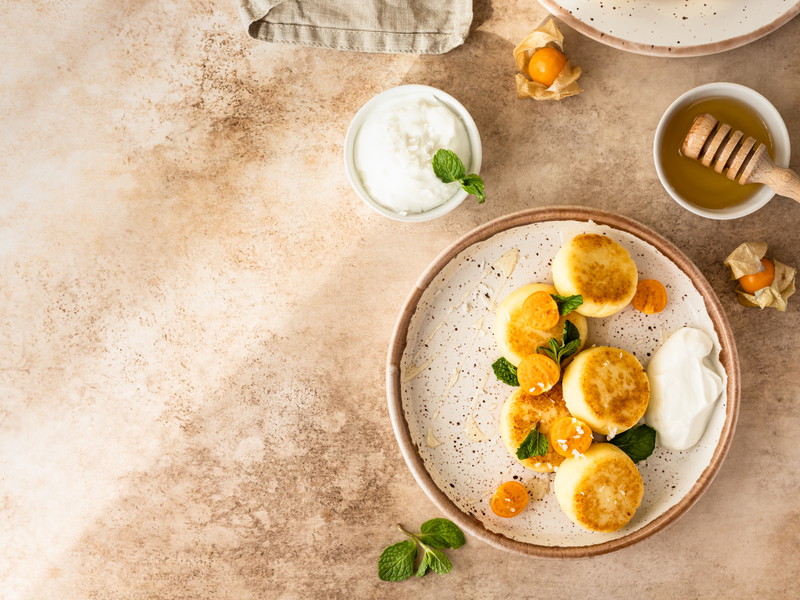
Latkes became potato pancakes in Lithuania. Kugel evolved into countless local baked potato dishes. Stuffed cabbage entered the wider culinary vocabulary of the region. Sweet cheese-filled crepes became staples far beyond Jewish holiday tables. Even challah — the braided yeast bread once associated primarily with Shabbat — became recognizable across Lithuania through festive baking traditions.
Then there is the bagel.
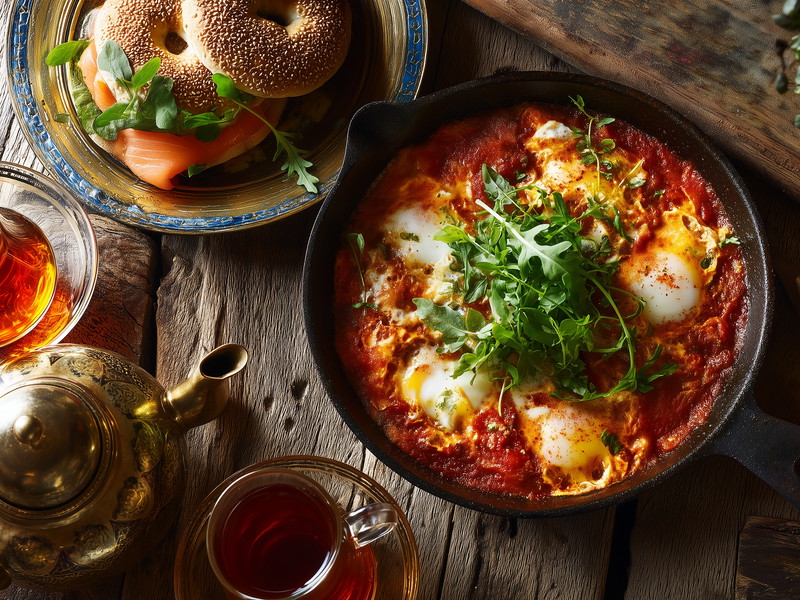
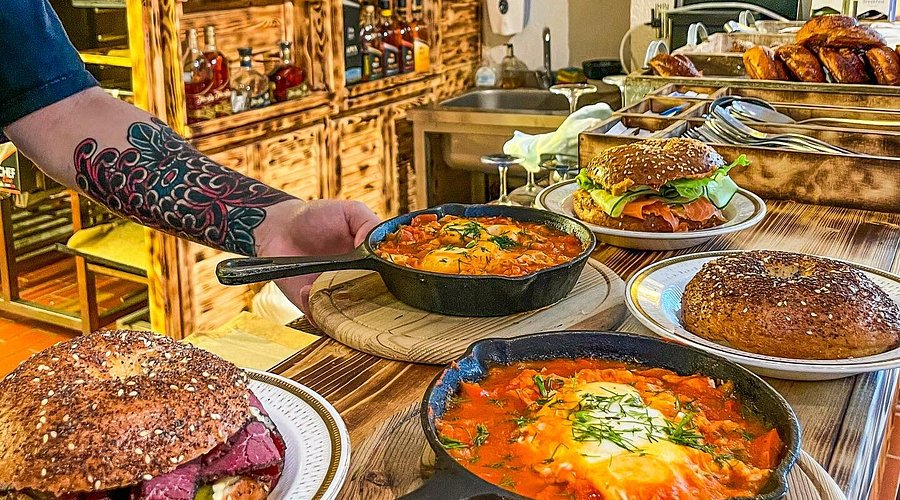
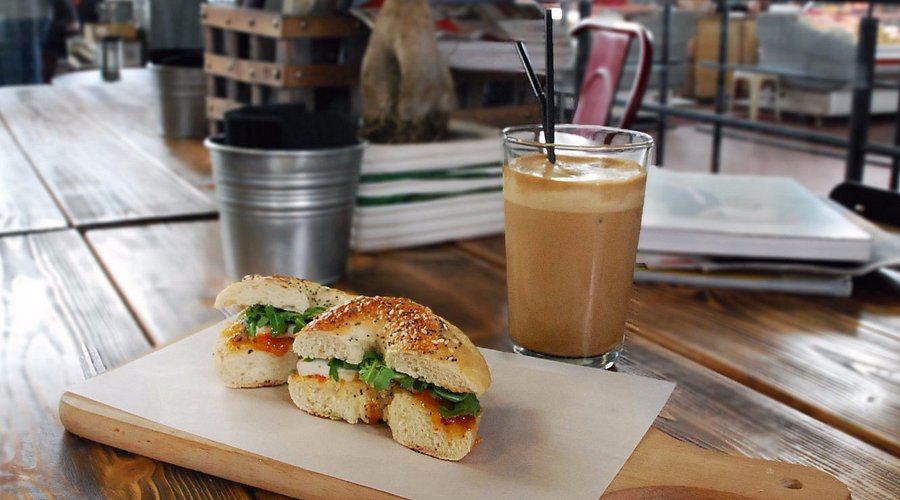
Today the bagel is globally associated with cities like New York, yet its roots belong firmly to the culinary traditions of Eastern European Jews. The ring-shaped bread roll spread across regions inhabited by Yiddish-speaking communities before eventually reaching America, where it transformed into an international food icon. In Lithuania, many still remember bringing home ring-shaped bread rolls from fairs and bakeries without realizing they were connected to centuries of Jewish baking culture.
Vilnius is now witnessing a quiet revival of these foods. Bagels have returned to cafés and bakeries. Challah is increasingly called by its true name again. Old recipes are being rediscovered not as museum artifacts, but as living parts of the city’s identity.
The Vegetarian Revolution of 1930s Vilnius
Long before plant-based dining became fashionable, Vilnius was already home to one of Europe’s most remarkable vegetarian restaurants.
In the 1930s, Fania Lewando-Fiszelewicz and her husband Lazar Lewando opened “Dieto-Jarska Jadlodajnia” on Vokiečių Street — a pioneering vegetarian dining hall that became famous throughout the city then known as Vilno. At the time, the concept was radically modern. Vegetarian cuisine existed within Jewish culinary traditions, particularly during periods of hardship or when kosher meat was unavailable, but an entirely vegetarian restaurant was almost unheard of.
Fania Lewando transformed that idea into something visionary. Her restaurant became a gathering place for intellectuals, artists, and gourmets. Stories say that Marc Chagall himself would occasionally sing there. Beyond the restaurant, Lewando later established a culinary school and published what would become one of the most important Jewish vegetarian cookbooks of its era.
What makes this story particularly interesting today is how contemporary it feels. Seasonal vegetables, sustainability, plant-forward dining, and mindful eating — ideas that dominate modern gastronomy — were already being explored in interwar Vilnius nearly a century ago.
The Taste of Shared Histories
What survives most strongly in Litvak cuisine is not only technique, but emotional familiarity.
To taste traditional Jewish dishes in Vilnius today often feels strangely nostalgic, even for those without Jewish heritage. Many Lithuanians recognize flavors that resemble their grandparents’ kitchens: honey cake cooling on a table, beetroot soup, warm broth during winter, cinnamon buns baked for gatherings, or rich potato casseroles shared among family.
This overlap is not coincidence. It is the result of centuries spent living beside one another, exchanging habits, ingredients, and customs until culinary identities naturally intertwined.
And perhaps there is no need to untangle them.
The beauty of Vilnius gastronomy lies precisely in this complexity — in the fact that food became one of the city’s quietest but strongest forms of cultural dialogue. Through recipes, people shared more than meals: they shared memory, adaptation, survival, and belonging.
Today, as old Litvak recipes slowly return to restaurants, bakeries, and contemporary kitchens, Vilnius is not reinventing a forgotten cuisine. It is rediscovering a part of itself.
Where to Experience Litvak Cuisine in Vilnius
For those wishing to explore Jewish culinary traditions beyond history books, Vilnius still offers places where Litvak flavours continue to live through freshly baked bagels, traditional recipes, and contemporary interpretations of Jewish comfort food.
Baleboste
Traditional Lithuanian Jewish — Litvak — cuisine inspired by old family recipes and long-standing culinary traditions. The menu celebrates comforting Jewish home cooking alongside freshly baked bagels and classic baked goods connected to Vilnius’ Jewish heritage. Address: Pylimo g. 58, Vilnius
Beigelistai
A modern bagel café in the heart of the Old Town, where fresh bagels are baked daily and filled with everything from cream cheese and salmon to vegan and sweet dessert variations. The restaurant reflects the revival of Jewish baking traditions in contemporary Vilnius. Address: Literatų g. 7, Vilnius