Skip to content
©valentinamaslova

Varškėčiai: A Quiet Staple of Lithuanian Comfort

Gourmet
Lithuania

In Lithuania, varškėčiai — soft curd fritters with golden edges and a tender centre — are less a dish than a memory in edible form. Found on breakfast tables, in family kitchens, and now in modern cafés, they remain one of the country’s most quietly enduring comfort foods.

There are dishes that define a cuisine, and then there are those that quietly define a life. In Lithuania, varškėčiai — soft curd fritters, golden at the edges and tender within — belong firmly to the latter. They are not reserved for celebrations or ceremonies. Instead, they appear in the small, everyday moments: early mornings before school, slow weekend breakfasts, or an unplanned dinner that feels more like comfort than routine.

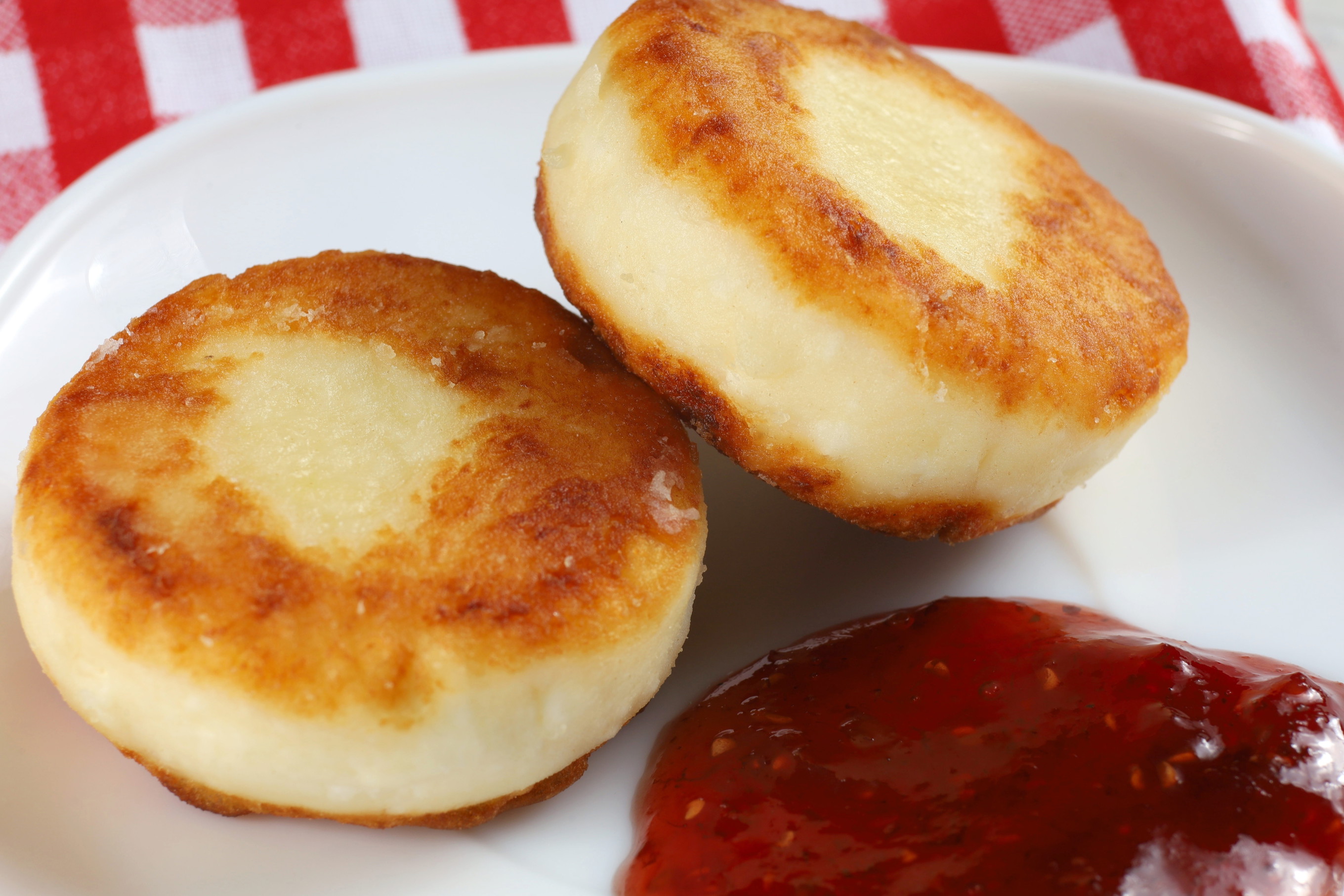
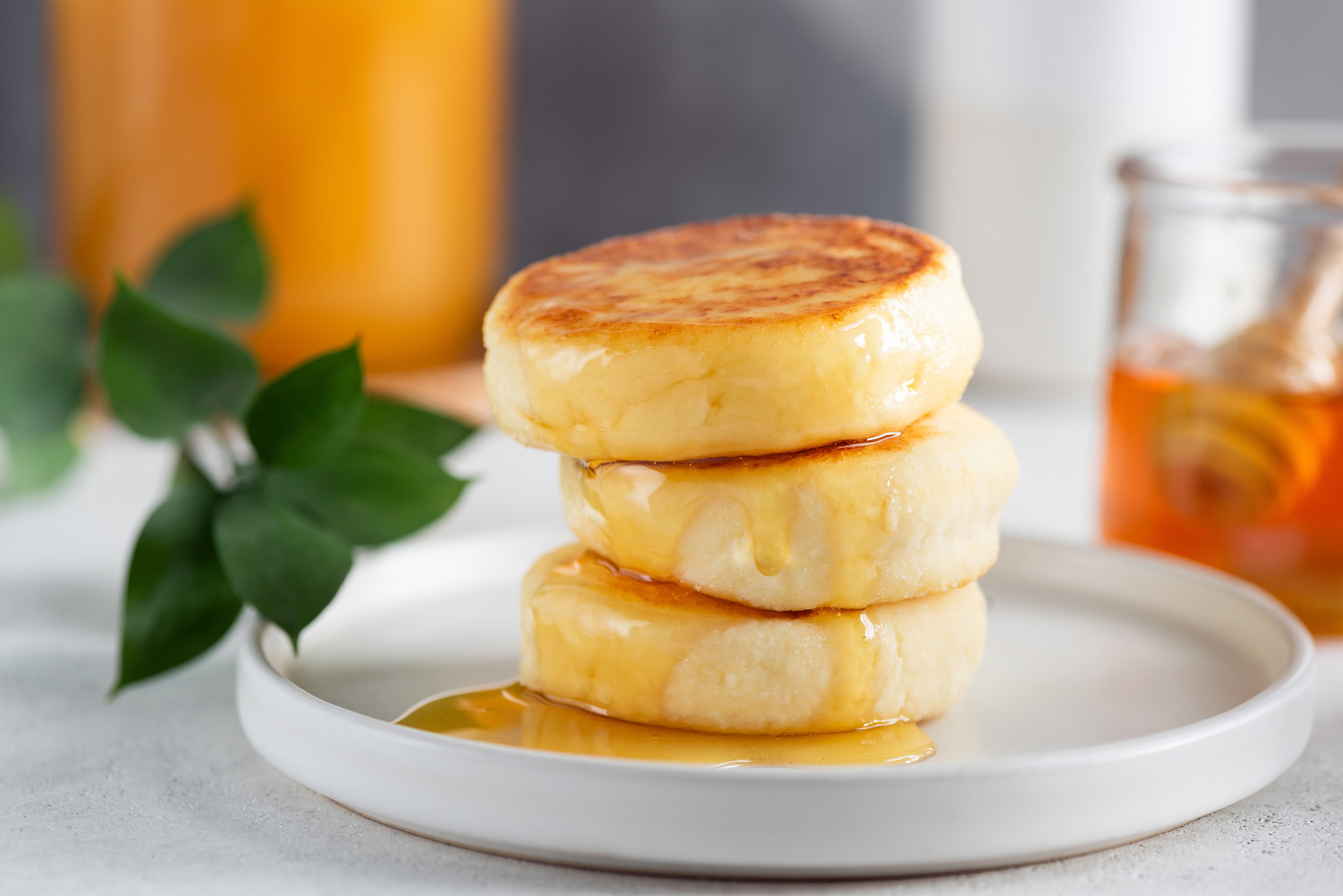
At their core, varškėčiai are disarmingly simple. Fresh curd is mixed with eggs, a little flour, and just enough sweetness to round the edges. The dough is shaped by hand, then gently fried until the surface turns a delicate shade of gold. What emerges is something that sits somewhere between a pancake and a dumpling — soft, slightly creamy, and deeply satisfying.

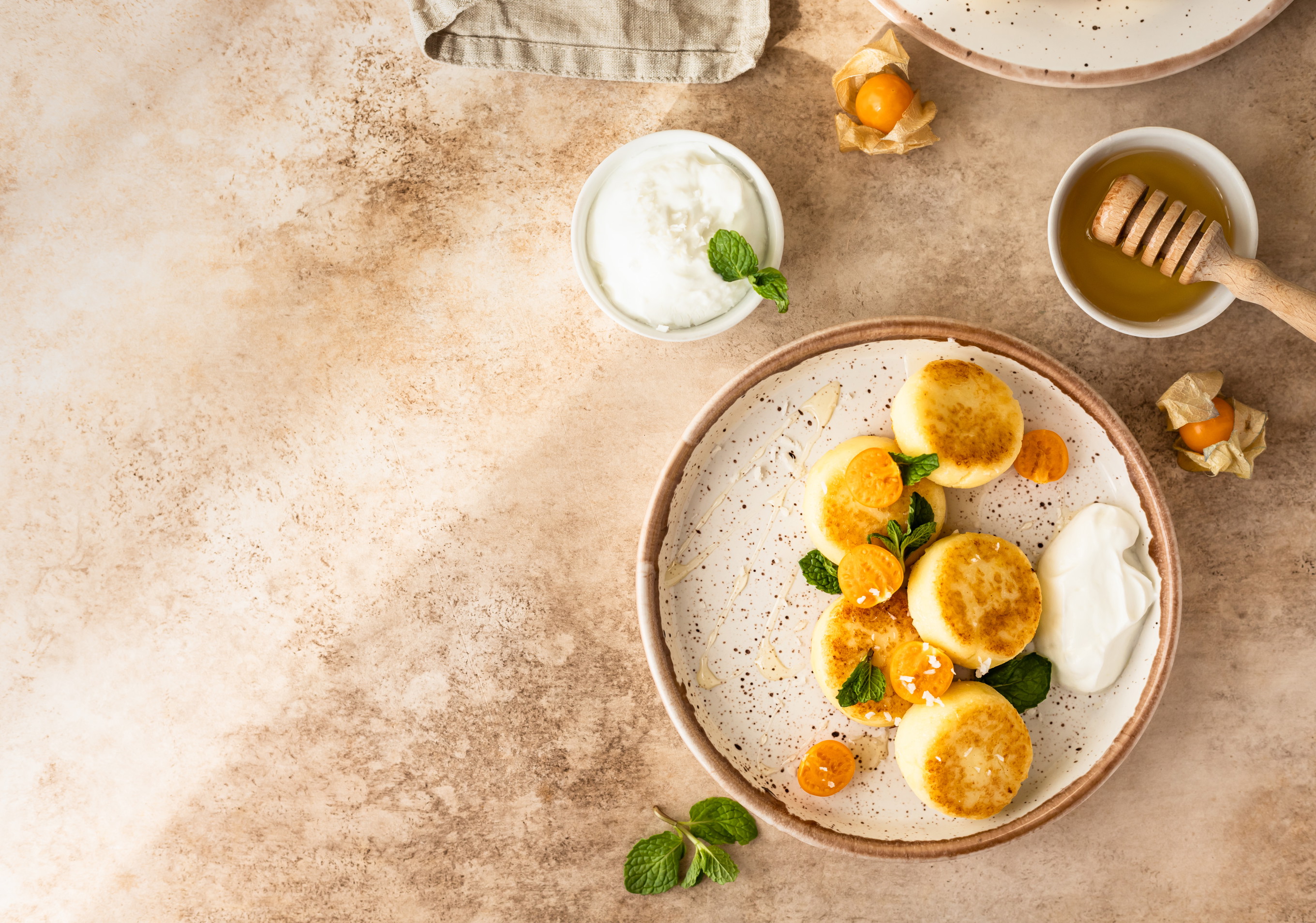
And yet, for something so modest, they carry remarkable versatility. The texture can shift depending on the hand that makes them: thicker and more structured, or light enough to almost fall apart under a fork. They can be served warm with a spoonful of sour cream, brightened by fresh berries, or finished with jam or a dusting of sugar. In every version, they remain recognisable — familiar, grounded, unmistakably home.

Though often considered distinctly Lithuanian, varškėčiai are part of a broader culinary family that stretches across Eastern Europe. In Ukraine, they appear as syrniki; in Latvia, as biezpiena plācenīši; in Poland, as serniczki. Each version carries its own nuance — a different balance of sweetness, a variation in texture, a preferred garnish — but the essence remains the same: a dish built on curd, shaped by memory.

 

What makes varškėčiai endure is not only their taste, but their place in personal histories. For many, they are inseparable from childhood — from the quiet rhythm of a kitchen in the morning, from a grandmother’s practiced hands, from the anticipation of something warm waiting at the table. It is a dish that rarely needs explanation, only recognition.

Today, varškėčiai continue to evolve. They have found their way into contemporary cafés and restaurant menus, sometimes reimagined with whole-grain flours, alternative sweeteners, or even plant-based variations. Some are baked instead of fried, offering a lighter interpretation. Others remain resolutely traditional, unchanged and unapologetic. The appeal lies in this flexibility — the ability to adapt without losing identity.

And perhaps that is why they persist. Not because they are fashionable, but because they are understood. A plate of varškėčiai does not try to impress. It simply arrives — warm, familiar, and quietly complete.

Find the recipe here:

  • In Lithuania, varškėčiai — soft curd fritters with golden edges and a tender centre — are less a dish than a memory in edible form. Found on breakfast tables, in family kitchens, and now in modern cafés, they remain one of the country’s most quietly enduring comfort foods.
Find out more
1 / 12