The Legendary Koldūnai of Viduklė
No story about Lithuanian dumplings would be complete without mentioning Viduklė — the small town that became legendary for its dumplings. The tradition dates back to the postwar years, when cook Elytė Pylipienė returned from Siberian exile and began working in a local cafeteria. Inspired by dumplings she encountered there, she adapted the recipe in Lithuania together with the women of Viduklė. What emerged became one of the country’s most iconic comfort foods.
At the height of their popularity, thousands of dumplings were handmade daily in Viduklė. Travelers heading toward the seaside would stop specifically to taste them, and the town became synonymous with dumplings throughout Lithuania.
However, the preparation demanded care. Thin dough, finely chopped meat, rich broth trapped inside each dumpling. The challenge was to eat them whole, without puncturing the dough and losing the juices — the most delicious part of all.
Why Dumplings Feel Modern Again
The return of dumplings may seem surprising in an era dominated by tasting menus and international cuisine, yet in many ways dumplings fit perfectly into contemporary dining culture. They are handmade. Seasonal. Often locally sourced. They can be vegetarian, sustainable, and deeply connected to regional traditions. They also carry an emotional layer — something increasingly important in modern gastronomy.
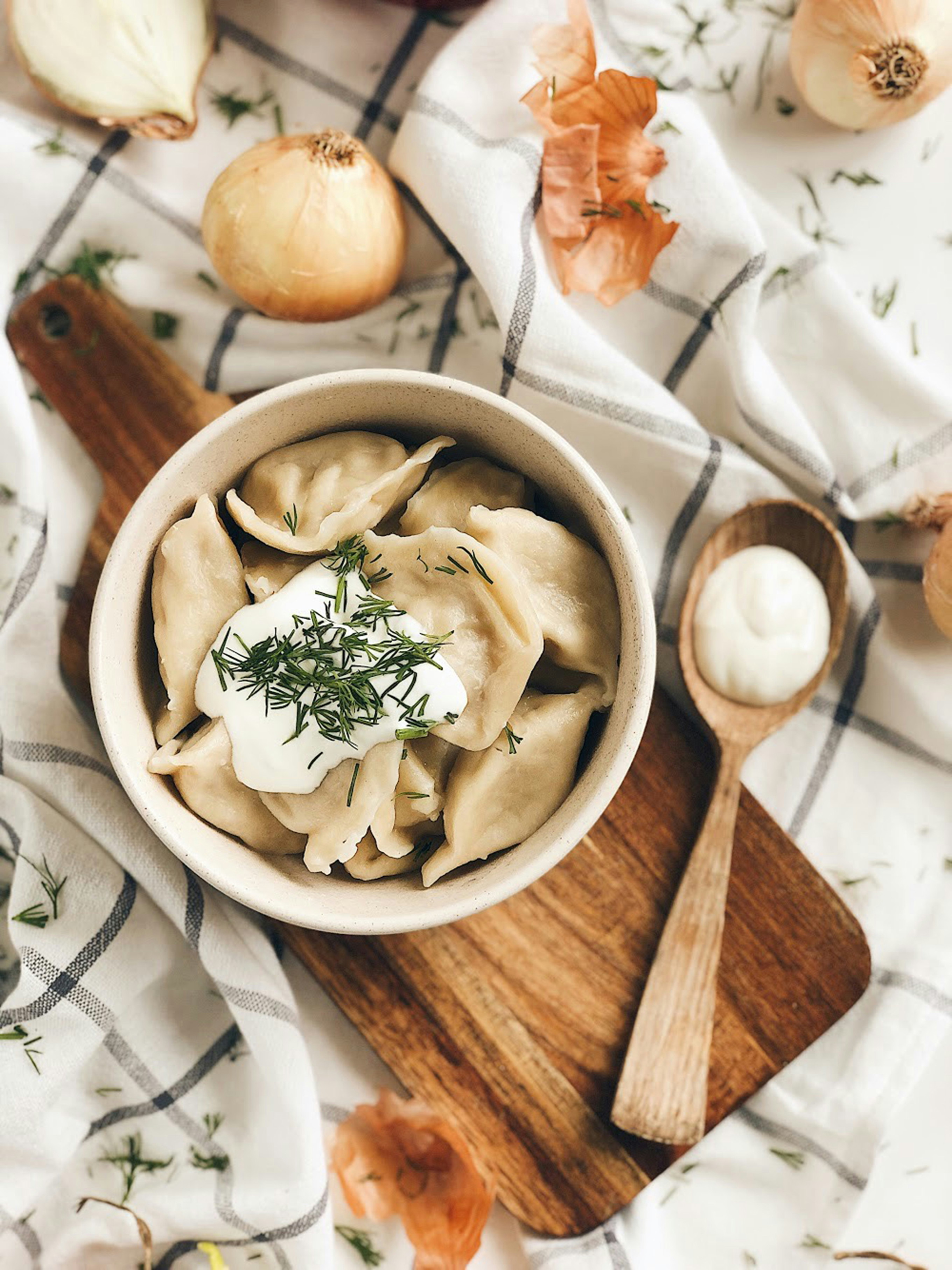
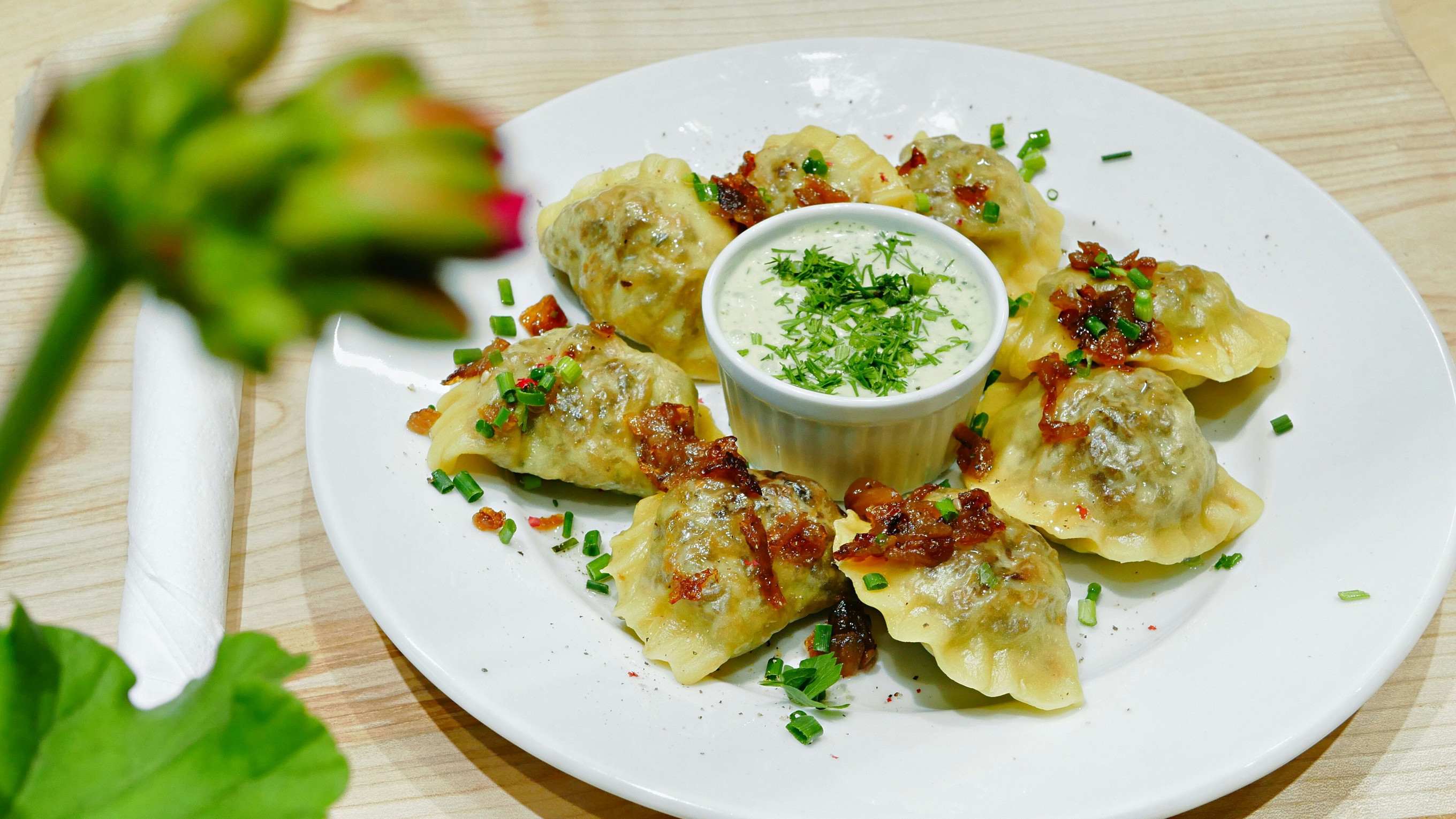
In Lithuania’s restaurants, dumplings are now appearing in new forms: filled with forest mushrooms, slow-cooked meat, smoked fish, fresh herbs, or even contemporary fine dining interpretations inspired by historical recipes. At the same time, classic versions remain just as loved, especially those served simply with butter or sour cream.
Perhaps that is the true beauty of dumplings: they do not need reinvention to remain relevant.
Where to Taste Traditional Dumplings?
Šaltinis
Located beside the famous St. John’s spring in the tiny town of Kavarskas, this long-standing café-bar has become one of Lithuania’s most beloved destinations for dumplings. For more than three decades, visitors from across the country have stopped here to taste handmade dumplings considered part of Lithuania’s culinary heritage.
Address: Šaltinio g. 1, Kavarskas, Anykščiai district
Raganė
Serving Central Lithuanian dumpling traditions, Raganė offers as many as 17 varieties of dumplings while introducing guests to old regional customs and recipes. The experience is paired with Lithuanian mead, beer, and other traditional flavors.
Address: Sodų g. 3B, Sirutiškis, Kėdainiai district
Virtienių restoranėlis
This family-run restaurant in the heart of the Semigallia region focuses entirely on handmade dumplings prepared according to historical local recipes. Guests can choose from around twenty different fillings, ranging from traditional meat and cottage cheese to more contemporary interpretations.
Address: Miesto g. 11, Joniškis
Pamislyk ir užeik
Hidden among the forests of Dzūkija, this charming dumpling spot in Marcinkonys has gained popularity almost entirely through word of mouth. The owners handmake every dumpling themselves using local mushrooms, berries, and forest ingredients.
Address: Miškininkų g. 55, Marcinkonys, Varėna district
Senoji Viduklės koldūninė
One of Lithuania’s most legendary dumpling destinations, where the famous Viduklė koldūnai tradition has been preserved since 1956. Handmade according to the original recipe, the delicate dumplings are still traditionally eaten with a teaspoon to preserve the flavorful broth inside.
Address: Šlaito g. 3, Viduklė, Raseiniai district