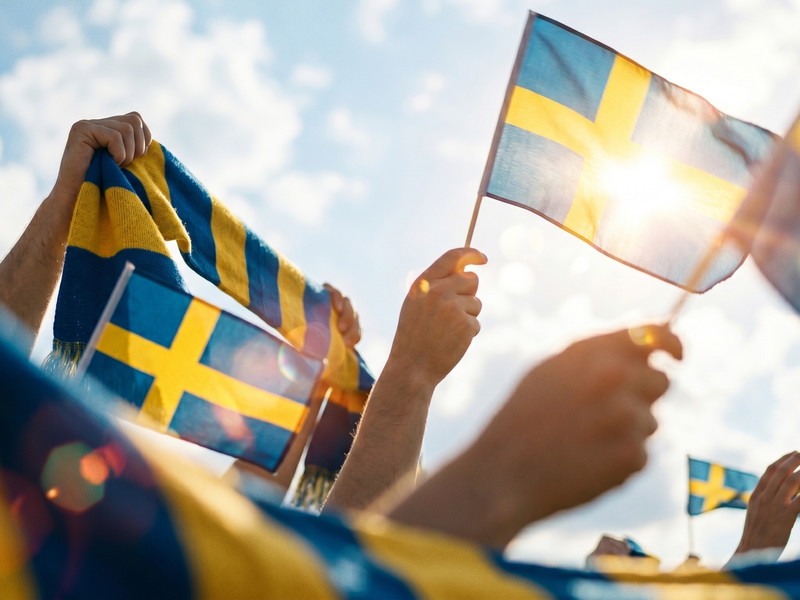
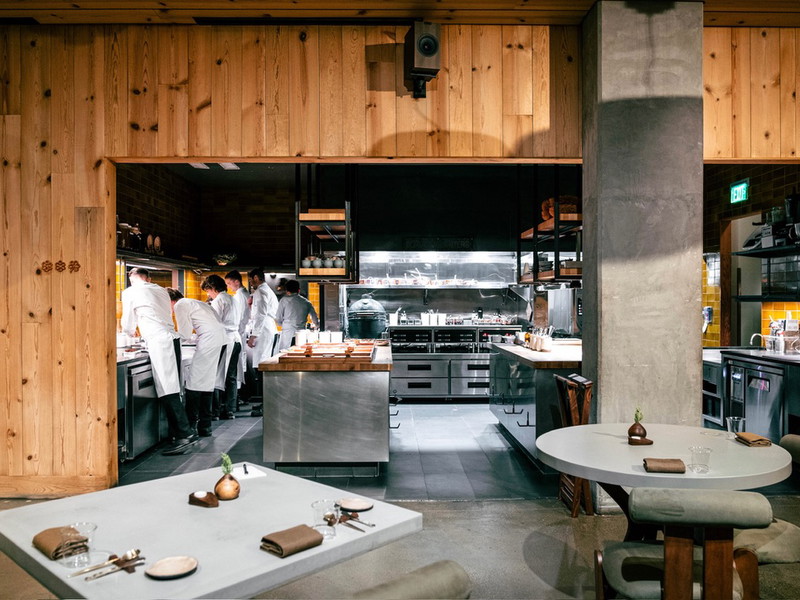
The FIFA World Cup is filling not only stadiums across North America but also restaurants, bars, and pubs. For many hospitality businesses, it means operating at full capacity. Behind the scenes, however, a problem is growing that has little to do with football: international visitors often leave significantly smaller tips than is customary in the United States, directly affecting service staff.
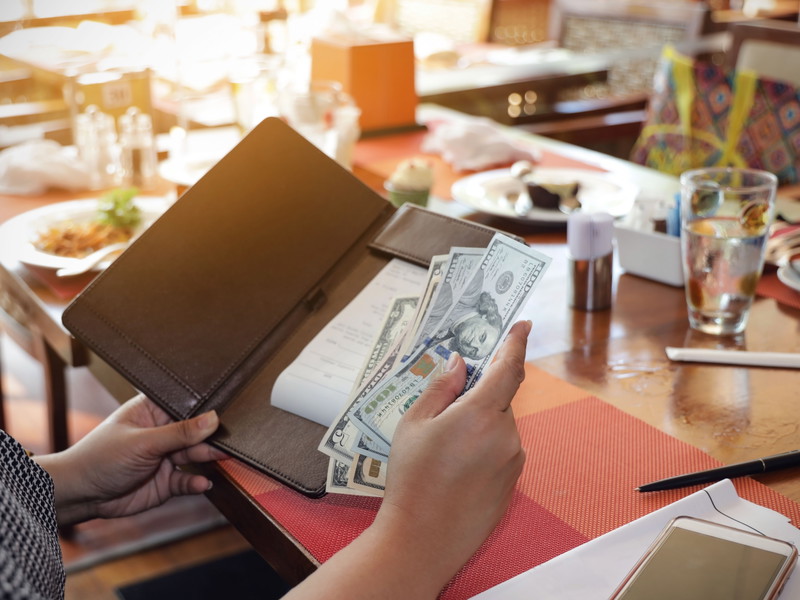
While in many European countries tipping is considered a voluntary gesture of appreciation, the North American system works very differently. There, so-called "gratuity" is an integral part of many service workers' income. Tips of 15 to 20 percent are generally expected.
During the World Cup, these differing expectations are particularly evident. Many international visitors follow the customs of their home countries and choose not to leave a larger tip. For waitstaff, this can result in noticeable financial losses.
Restaurants Respond with Automatic Service Charges
To avoid misunderstandings, many businesses have taken action. Restaurants in several World Cup host cities now automatically add a 20 percent service charge to customers' bills. On receipts, this appears as "Service Charge" or "Gratuity" and replaces the usual voluntary tip.
For guests, this provides clarity; for staff, it offers greater financial security. At the same time, the policy is intended to prevent cultural differences from causing financial disadvantages for employees. If such a service charge is already included on the bill, customers generally do not need to leave an additional tip unless they wish to reward exceptional service.
Understanding Rather Than Blame
Many restaurant owners see the issue less as a lack of generosity and more as a lack of awareness. Anne Calimano, co-owner of Hurley's Saloon in Manhattan, told the New York Post that many travelers simply do not realize how important tipping is in the United States. While the large number of visitors during the World Cup is welcomed, it also highlights how different payment cultures are around the world.
A waitress at McCarthy's Pub shared similar experiences. Often, a brief explanation of local customs is enough. Once guests understand that tipping in the United States is considered part of employees' compensation, many respond with understanding and adjust their behavior accordingly.