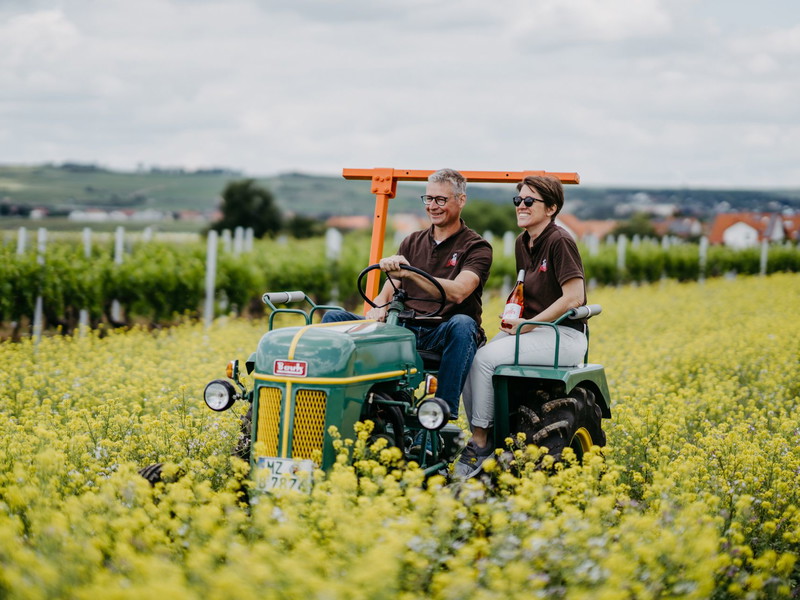
Weingut Galler sucht Nachfolger
Ansgar Galler vom Bioland-Weingut Galler aus der Pfalz sucht aus gesundheitlichen Gründen einen...
The lush green hills of the Palatinate attract not only excellent wine, but also creative top cuisine. A culinary itinerary.
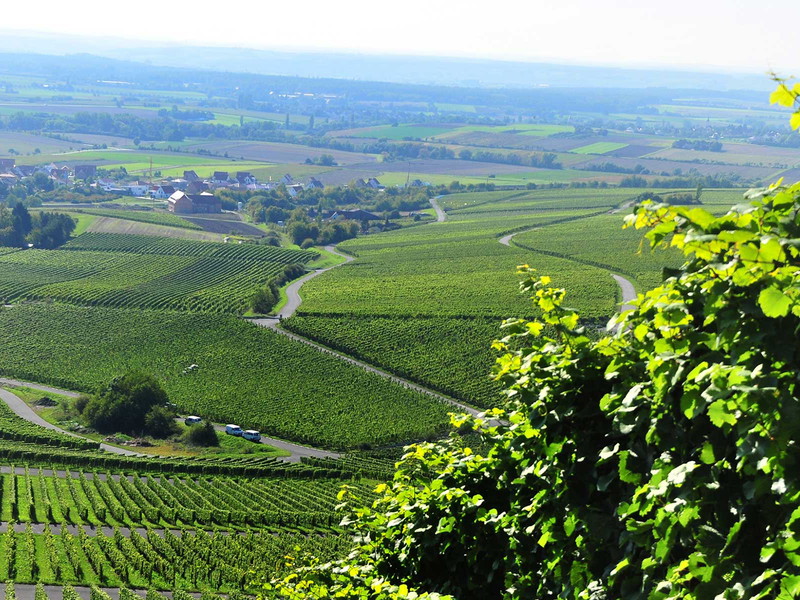
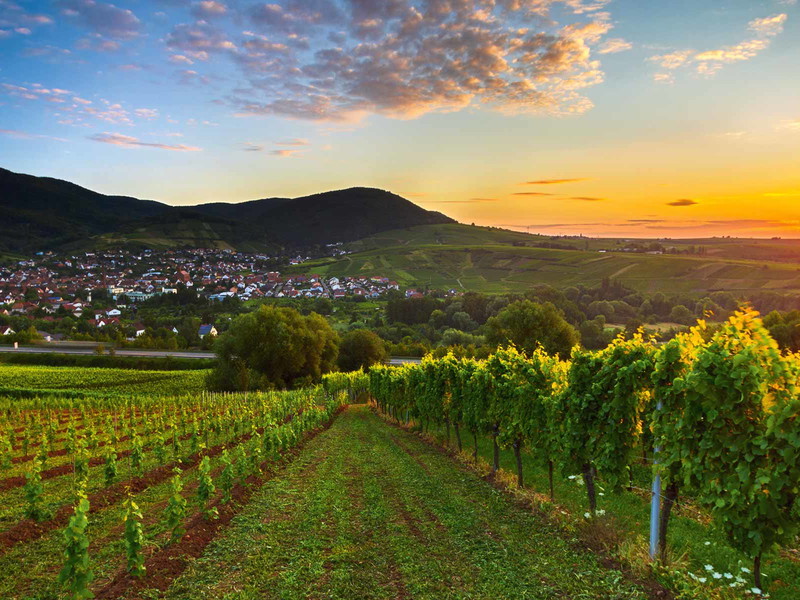
It's the sun that does it: It shines for around 1800 hours a year, creating an almost Mediterranean climate in the Palatinate. Kiwis and lemons ripen - and year after year magnificent wines come into the barrels. The "German Wine Route" stretches 85 kilometers through this serene hilly country on the left bank of the Rhine - from Schweigen on the border with Alsace to Bockenheim west of Ludwigshafen. Ancient towns and nests of winegrowers made of sandstone and half-timbered houses are strung together. By Easter at the latest, innkeepers and winegrowers put the first tables outside. Baroque joie de vivre then breaks out. When Palatines celebrate, they do it right!
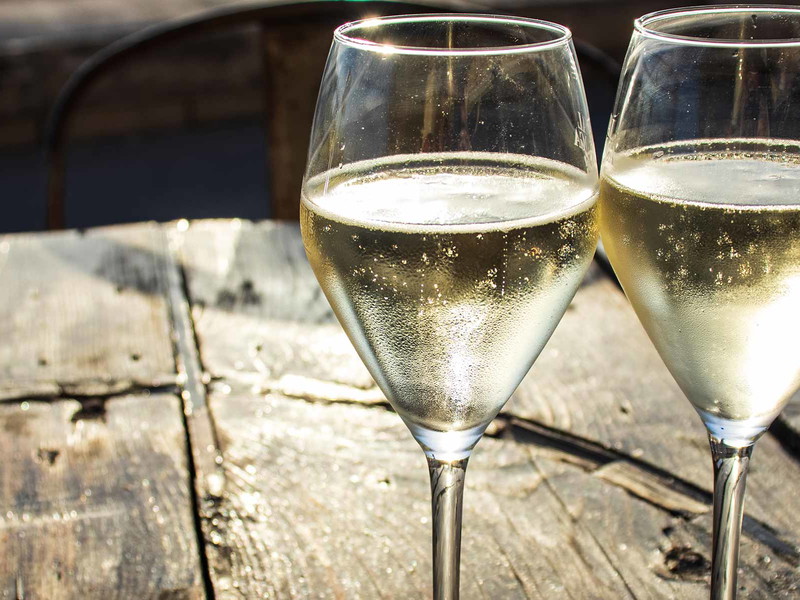
Whether in the estate bar or in the inn, whether in the wine tavern, the wine bar or the vinotheque - the Palatinate wines smoothly accompany a self-confident regional cuisine that nevertheless does not seem a bit old-fashioned. Game and trout come preferably from the Palatinate forest, fruit and vegetables directly from the trusted producer. A trip through the Palatinate means: pleasure on the plate and in the glass.
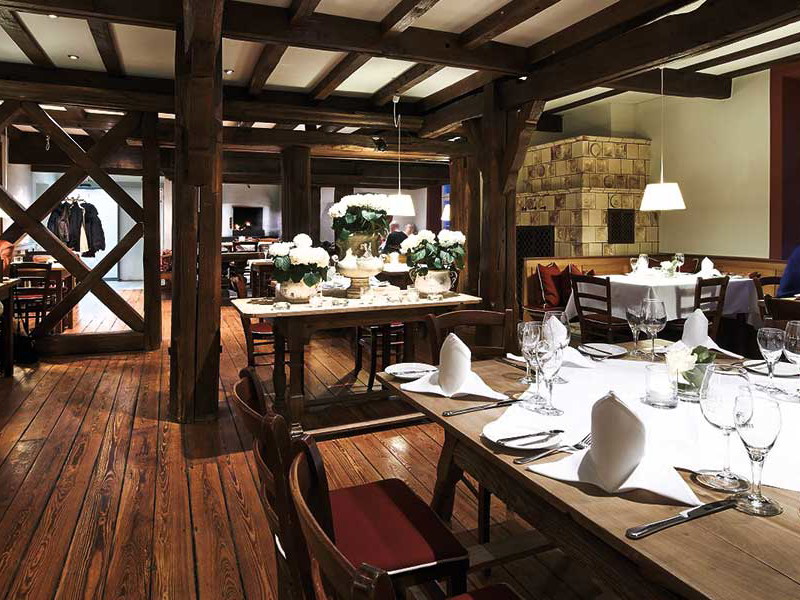
It is worth starting a Palatinate gourmet trip in tranquil Kallstadt. Because here the regional cuisine presents itself from its best, traditional side. The "Weinhaus Henninger" has enjoyed a good reputation for generations. A young team led by owner Jochen Lampert and managing director Christian Jegensdorf is currently bringing new momentum to the 400-year-old inn. Even the legendary landlady Luise Henninger spoiled her guests with "Henningers Pfälzerglück": Bratwurst, Saumagen and two liver dumplings with onions on sauerkraut. Truly not for the faint of heart.
The current chef Tommy Walter also offers a light and charmingly served seasonal cuisine - accompanied by wines from the thirty best vintners of the Palatinate. Elaborately decorated rooms inspire with timeless design, in the wine bar still burns real fireplace, and just behind the house undulates uphill the green sea of vines.
The tour continues to Wachenheim. For example, to the Dr. Bürklin-Wolf winery, which serves modern, seasonal top cuisine by Jean-Philippe Aiguier in its rustic "Hofgut Ruppertsberg". Elsewhere, things are more hearty. Eating a piece of Palatinate pig's stomach is no longer considered a test of courage here. Master butcher Klaus Hambel supplies the 5-star hotel "Deidesheimer Hof" - like his father before him - with his favorite dish.
And because his customers' mouths always water at the sight of all the delicious sausages and hams, they can now also eat breaded canned bratwurst, rump steak and very fresh pig's stomach in "Hambel's Restaurant" next door. The place is buzzing! For a long time, Chancellor Helmut Kohl dragged his state guests to the "Deidesheimer Hof" for the ritual Palatinate feast. In the ten rooms that belong to the hotel restaurant "St. Urban", you can get besides beautiful seasonal menus still the small Saumagen for two (500 grams) or the "Strudel à la Boris Yeltsin" with blood and liver sausage on apple horseradish vegetables, cranberries and mustard jus. The wine selection extends far beyond the Palatinate region.
The luxury hotel "Ketschauer Hof", also in Deidesheim, has recently come up with something new to attract guests to the former manor house of the Bassermann-Jordan wine dynasty. The top-class star chef Alfred Friedrich from Linz can fulfill a dream in the new "Bistro 1718": In an inn styled in modern style despite stucco and tiled stove, he serves his very own Austrian cuisine - pure, full of relish and aromas. The terrace overlooks a pretty park framed by the Deidesheim city wall. Next stop: Frankweiler is one of the most beautiful wine-growing villages in the Southern Palatinate. And the rustic "Weinstube Brand" is as uncomplicated as a "Trattoria Toscana". Patron Christian Knefler cooks himself and spices spiritedly. His wife Eva-Maria serves what you order from the slate with robust charm. Good example: a crispy roasted, juicy suckling pig in a creamy red wine sauce with napkin dumplings, served with finely herbed leaf salads. And in summer people like to sit in the shady courtyard.
Not far from here, in idyllic Maikammer, the "village chronicle" is another gem. The pretty wine tavern belongs to the winemaking couple Marion and Stefan Schwaab. The cuisine exceeds all expectations, for example with homemade duck liver terrine and patiently braised ox cheeks in red wine sauce.
A detour to Dernbach is a must. Because in a green valley, only twenty minutes by car west of Landau, the very cozy "Restaurant Schneider" is hidden. Since 1884, the Roth-Püngeler family has boiled the inn up to one of the best addresses in the region. Petra Roth-Püngeler is a cook with heart and soul. Delicious their game broth of Palatinate venison with porcini ravioli - and only the half farmer duck with red cabbage, chestnuts and mushrooms! You also have to search a long time for a better apple sorbet. The well-stocked wine cellar offers the connoisseur everything that has rank and name in the Palatinate. You feel really comfortable, you are nicely pampered - and you are by no means poor. And only regrets that such inns have become so rare.
But now to Landau, the heart of the southern Palatinate. Here, the spectacular "Weinkontor Null41" was created from an empty French barracks. In this synthesis of architecture and culinary arts, enjoying wine becomes a cool experience. Here you can taste your way through, there is laughter and celebration. The most exciting wine list in the region is matched by the creative menus.
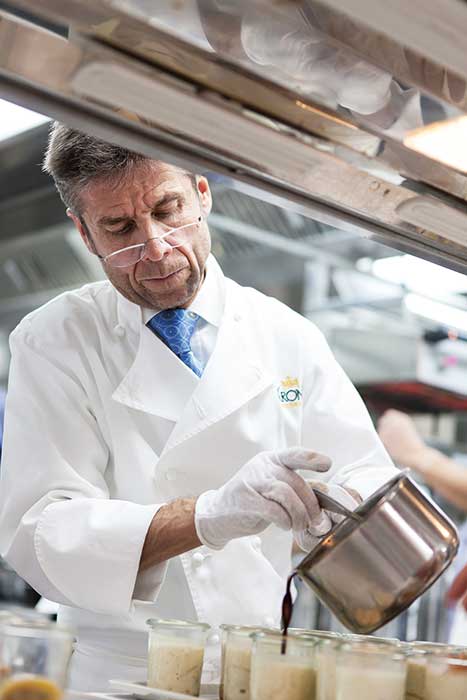
The "Krone" in Herxheim-Hayna, west of Karlsruhe, concludes the trip. No one who wants to get to know the Palatinate from its best side should bypass the neat half-timbered ensemble of the Kuntz and Schlindwein families: a warm welcome, elegant rooms, a royal breakfast. But most gourmets come to enjoy chef Karl-Emil Kuntz's "Kuntz pieces." His stunning menus have been adorned with a Michelin star for thirty years - but the kitchen would have long since deserved a second! In his "Pfälzer Stuben" the guest gets the ultimate Saumagen carpaccio on cabbage salad or a downright artistic variation of trout. Kuntz is simply the best cook in the Palatinate. The almost unbelievable wine list with top Palatinate vintners would be another reason to spend not only an unforgettable evening here in the Southern Palatinate, but a relaxing wellness weekend right away. Alsace can wait!
From Falstaff Magazine No. 04/2016