Sea death trap: the most dangerous beaches in Europe
A moment of carelessness can be fatal at sea: The recent accident on Tenerife shows how unpredictable the power of the ocean is. From Iceland to Portugal - the greatest dangers lurk on these beaches in Europe.
The tragic accident in Tenerife at the beginning of November, in which three people lost their lives and several were injured, is a reminder that Europe's coasts are not only beautiful, but can also be dangerous.
What do vacationers need to look out for on these beaches?
The sea demands respect
"A3M", a German manufacturer of early warning systems for crisis management, regularly analyzes coastal regions around the world - from Hawaii to Australia and Europe. According to the company, the most important rules when dealing with the sea are: warnings, flags and instructions from the rescue services are not recommendations, but life-saving.
Falstaff TRAVEL reveals here which beaches in Europe require caution and where warnings should not be ignored.
Ajuy, Fuerteventura - the black beauty
Dark sand, roaring waves and a dramatic rocky coastline make Ajuy one of the most photogenic places in the Canary Islands - but not a bathing paradise. Powerful currents pull at your legs even at the water's edge, and the surf can gain strength without warning. The local tourism authority recommends: look, yes - swim, no. Anyone visiting the place should keep a safe distance from the ocean.
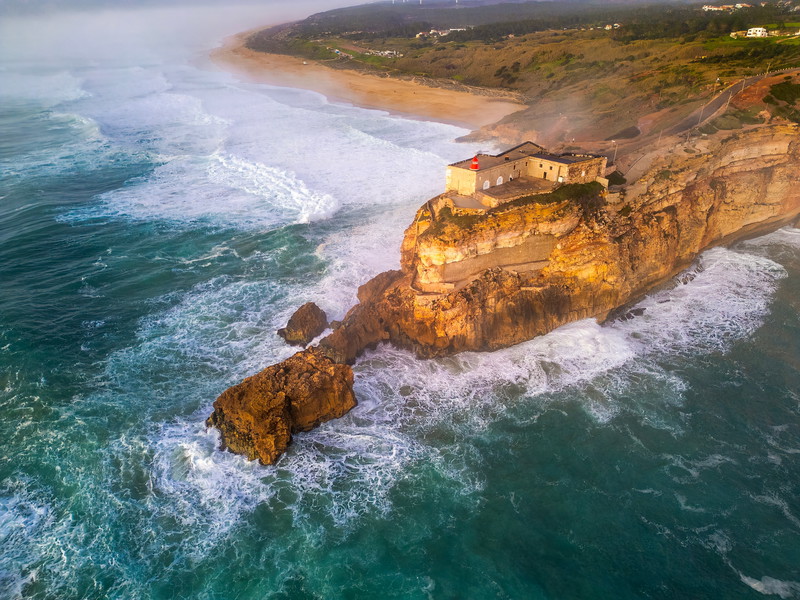
Nazaré, Portugal - where the sea becomes a mountain
The waves of Nazaré are legendary. Here, surfers ride on masses of water up to 20 meters high, while spectators stand in amazement at the lighthouse. However, the Praia do Norte is off-limits to swimmers - the currents are too strong and the power of the Atlantic too unpredictable. If you want to get into the water, you should head to the sheltered Praia da Nazaré, where lifeguards are on duty.
Playa de Benijo, Tenerife - wild, beautiful and merciless
Tenerife's Playa de Benijo attracts visitors with its wild backdrop and views of the cliffs of Anaga. But the idyll is deceptive: there is no supervision, the current is treacherous, and sudden waves can sweep walkers off the rocks. Access is repeatedly closed due to landslides or dangerous seas.
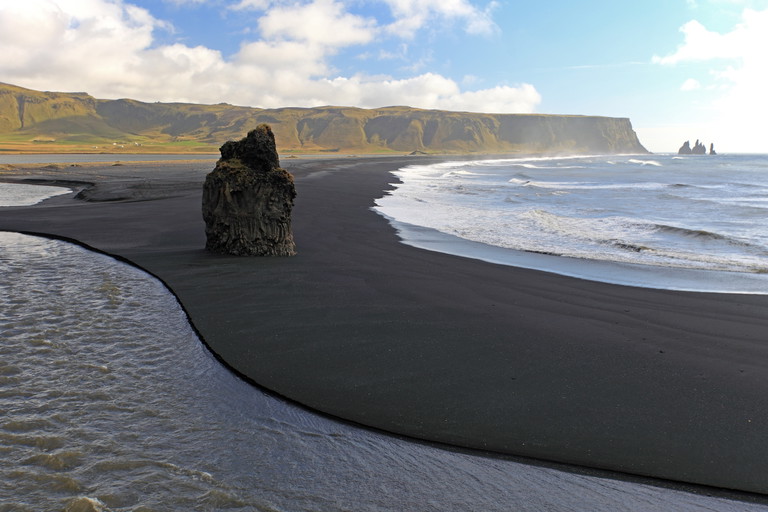
Reynisfjara Beach, Iceland - where the sea strikes silently
The black beach at Vík í Mýrdal is one of Iceland's most famous photo motifs - and one of its most dangerous places. The so-called "sneaker waves" surprise visitors with sudden force. A harmless wave can turn into a meter-high wall within seconds, pulling people into the sea. Warning lights on the beach indicate when danger is imminent - ignoring them can be fatal.
Morecambe Bay, England - the deceptive expanse
At low tide, the bay in the northwest of England is transformed into a seemingly endless expanse of sand. But the tides here rise faster than you can walk. There are also treacherous silt and quicksand zones that even the locals avoid. No one should enter the mudflats without a local guide.
Playa de Meñakoz, Basque Country - paradise for surfers
Between Sopelana and Barrika, waves break that attract surfers but should put bathers off. During storms, they pile up to six meters high and hit rugged rocks. Even in calm seas, currents can become a trap. Officials expressly warn against swimming here.
Cala Tuent, Mallorca - the deceptive postcard motif
Surrounded by mountains and turquoise blue water, Cala Tuent looks like a quiet paradise. But the bay drops off abruptly, and just a few meters from the shore, strong currents pull swimmers out to sea. There are no lifeguards - and the sea can quickly lose its friendly face here.
Bay of Gdansk, Poland - underrated Baltic Sea
Between Gdańsk and Sopot lies one of the most beautiful stretches of coastline in Poland - but also one of the most dangerous when the wind picks up. Invisible back currents draw bathers out, while the surface appears peaceful. Every year, rescue teams have to rescue tourists who have ignored the warning flags.
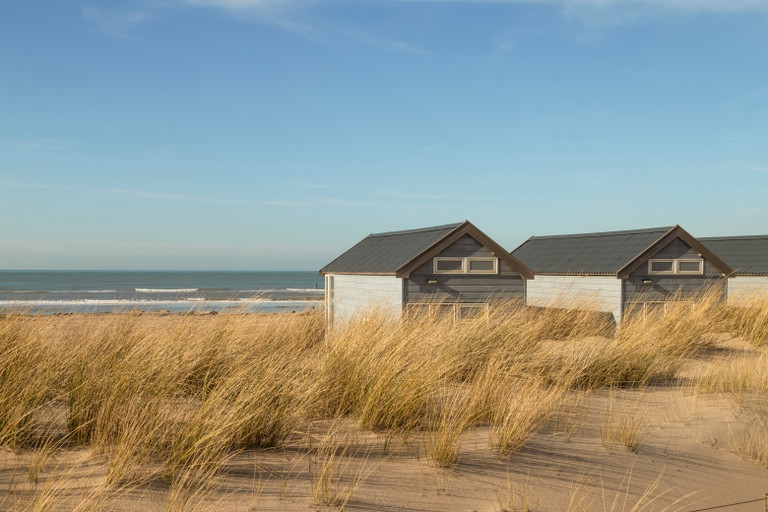
Katwijk aan Zee, Netherlands - the moody North Sea
Families, beach chairs, seagulls - and a sea that has its own agenda. Especially with onshore winds, strong currents develop here that carry bathers away from the shore within seconds. Swimming only between the marked flag zones is vital - the Dutch rescue brigade regularly warns against underestimating the North Sea.
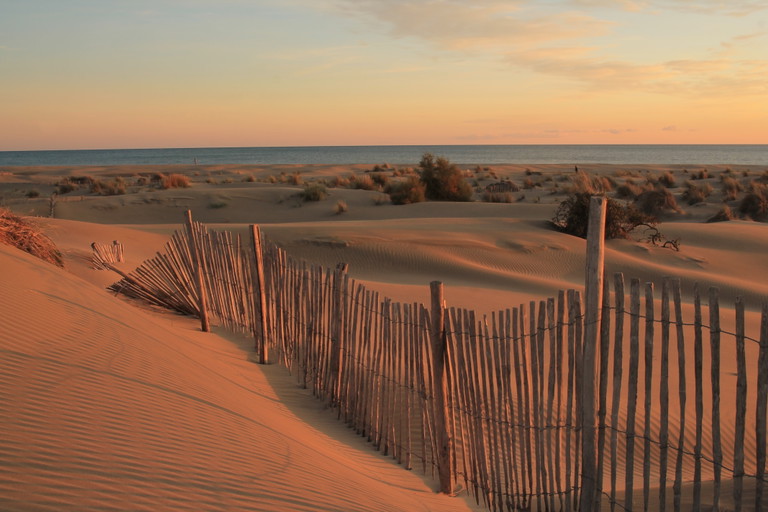
Plage de l'Espiguette, France - the wild beauty of the Camargue
An endless sandy beach, wind, vastness - and hardly any protection. The Espiguette south of Le Grau-du-Roi is one of the most unspoiled coasts in France, but the surf is unpredictable. Back currents, high waves and long distances for rescue teams make this place a risk. You should only go into the water in supervised areas - and it's better not to go in at all when the mistral is blowing.