
Seeking peace and quiet: Northern Italy's most charming retreats
Far from the mainstream, Northern Italy is home to hidden gems of hospitality—places that bridge the gap between modern hotel culture and age-old tradition; secret treasures that inspire the mind, delight the palate, and stir the soul.
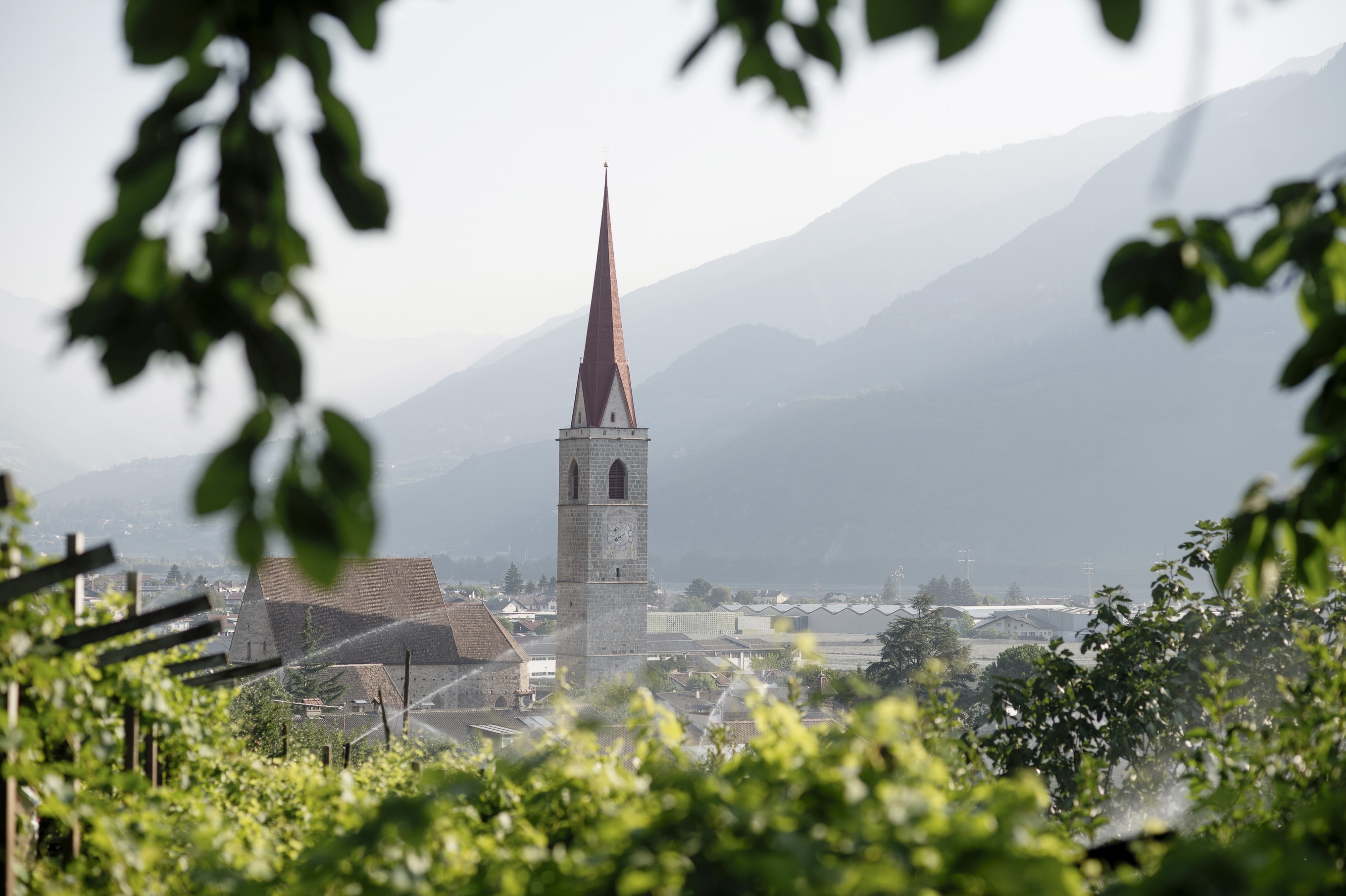
The tranquil village of "Unsere Liebe Frau im Walde" does full justice to its illustrious name - not only because of its location in a clearing surrounded by dense forests at an altitude of over 1,300 meters, but also thanks to its imposing 15th century pilgrimage church, which dominates the townscape. Thanks to its history as a place of pilgrimage and its proximity to the Gampen Pass, which connects the Adige Valley with the Non Valley and thus Northern Italy with Trentino, guests have been welcomed here since the 12th century. Back then, monks built a small hospice for pilgrims and travelers; today it has become the Gasthof Zum Hirschen hotel.
"From the 16th century onwards, the Benedictine monks leased the inn for centuries, and in 1972 my grandfather finally took it over," says Mirko Mocatti during his tour of the business, which he runs together with his sister Ingrid and with the support of his mother, senior manager Edith Kofler.
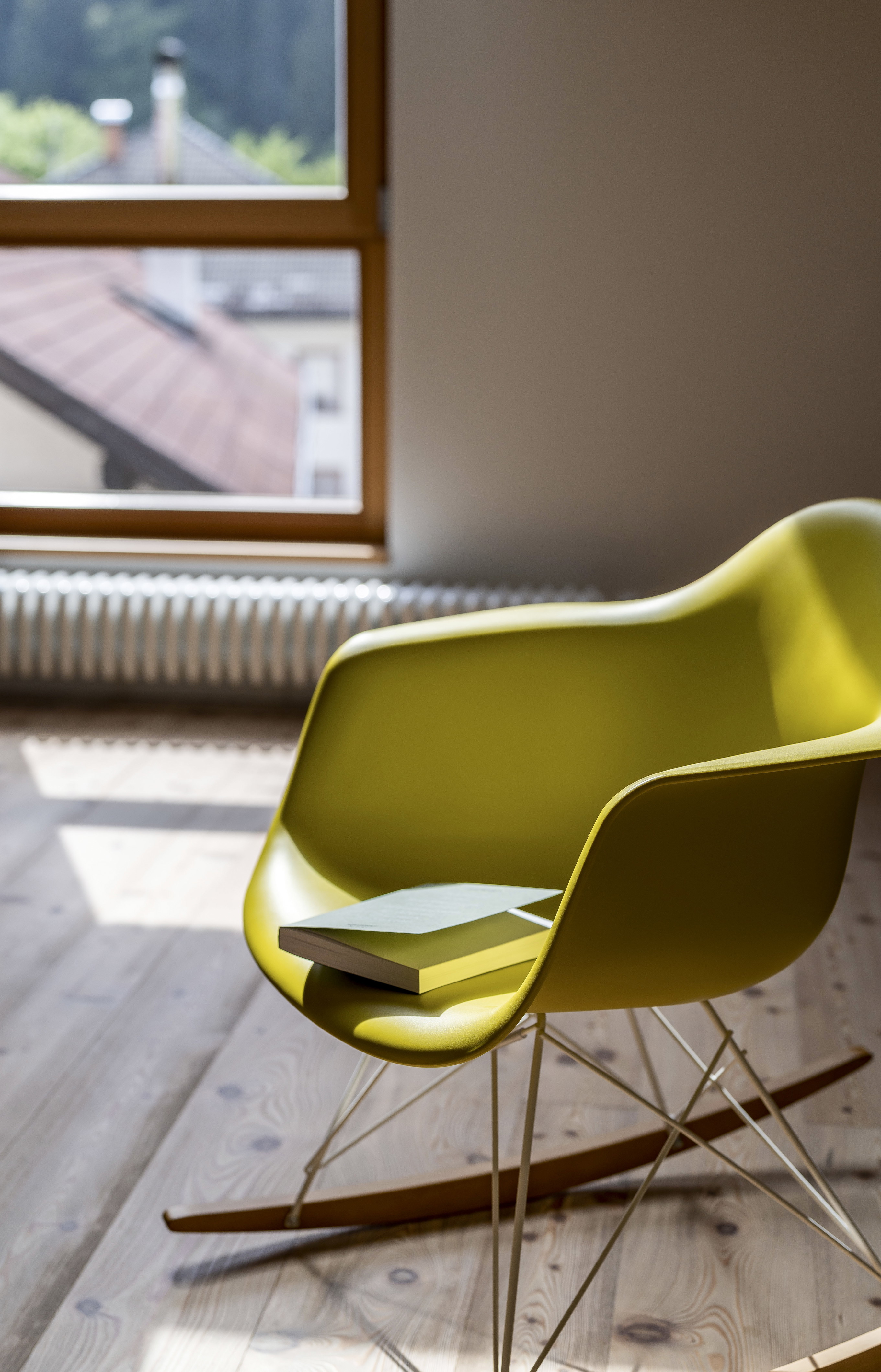
During the last renovation, care was taken to do justice to the building's history as a pilgrimage hospice and efforts were made to get rid of a lot of unnecessary and superfluous items from older renovations. In fact, the interior and furnishings are strikingly simple and unadorned, but at the same time elegant; everything conveys calm, contemplation and inner reflection. There are only the essentials in the rooms: a bed, a chair, a table - no TV. Fine larch wood creates a warm atmosphere. In the corridors: natural stone floors as well as quiet and reading corners with bookshelves.
Reduction and tradition as a principle
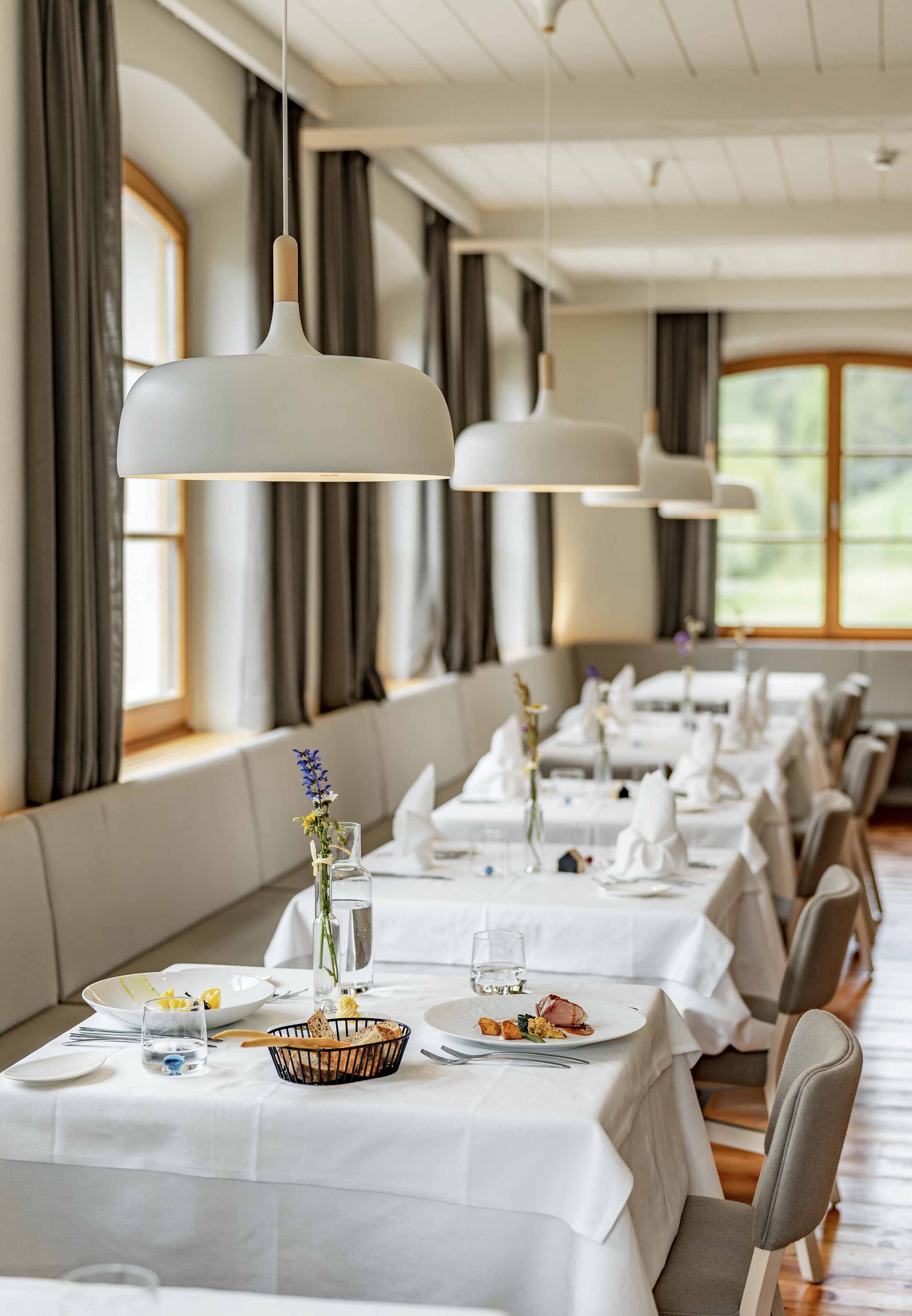
“The Wi-Fi is turned off at night,” Mocatti emphasizes—though he adds that it can certainly be left on if a guest specifically requests it. Simplicity also defines the dining area: a charming veranda flooded with sunlight thanks to large windows, where everything is kept in white. In the kitchen, Mirko’s sister Ingrid prepares meals that perfectly reflect the house’s overall spiritual philosophy.
“We combine the tradition of our pilgrimage site with the herbal knowledge of Hildegard of Bingen, the well-known medieval nun renowned for her natural remedies,” Mocatti explains. “We also draw on the insights of herbal priest Hermann-Josef Weidinger, who studied the essences and aromas of the forest.” But the culinary approach doesn’t rely solely on these two spiritual figures—it also embraces the philosophy of Italy’s Slow Food movement. That means a strong focus on seasonal and locally sourced ingredients.
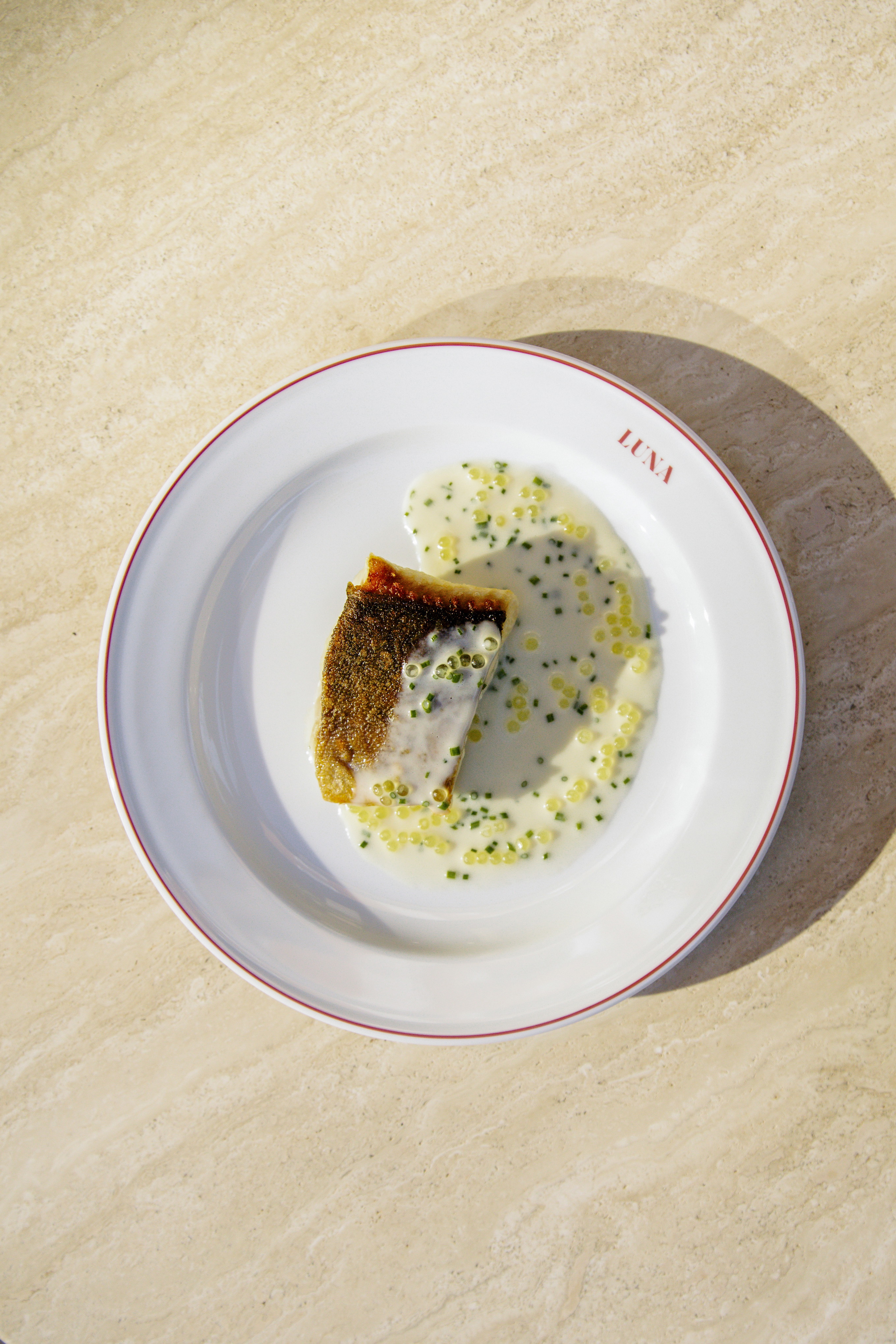
“We have an abundance of outstanding ingredients here,” Mocatti emphasizes—among them, meat from the Tyrolean Grey, an old cattle breed supplied by a local butcher; plus vegetables, fruit, and herbs from nearby farms, as well as mushrooms, berries, and game from the surrounding forests. There’s also homemade spelt sourdough bread, traditional North Italian Paarl bread made with organic rye, homemade jams, and locally sourced honey.
The head chef uses all of this to prepare traditional North Italian dishes, enriching them with Mediterranean touches—reflecting the location’s cultural crossroads. One example: dandelion tortelloni with fresh cheese, crispy tomato skin, and shaved Trentin Grana. To drink, guests can enjoy minimally processed organic wines from Northern Italy and Trentino, or house-made lemonades, herbal infusions, and fruit syrups.
In step with the history of the house
There's a completely different atmosphere in the center of Brixen - and yet there are some similarities between Gasthof Zum Hirschen and Fink - Restaurant & Suites in the old town of Brixen.
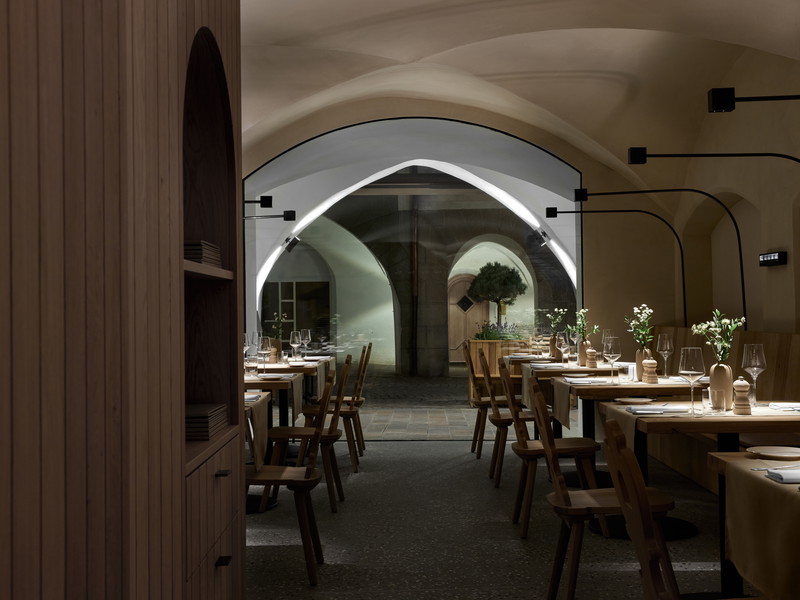
On the one hand, there's the age of the building in which the city hotel is housed - like the inn in the pilgrimage site, it dates back to the Middle Ages and once belonged to a monastery. On the other hand, the emphatically purist and minimalist interior design is striking. As expected, Fink has a less rural, more urban and design-oriented feel, but also takes the history of the building into account. Particularly impressive: the magnificent medieval frescoes, which are visible in the window cores in some rooms.
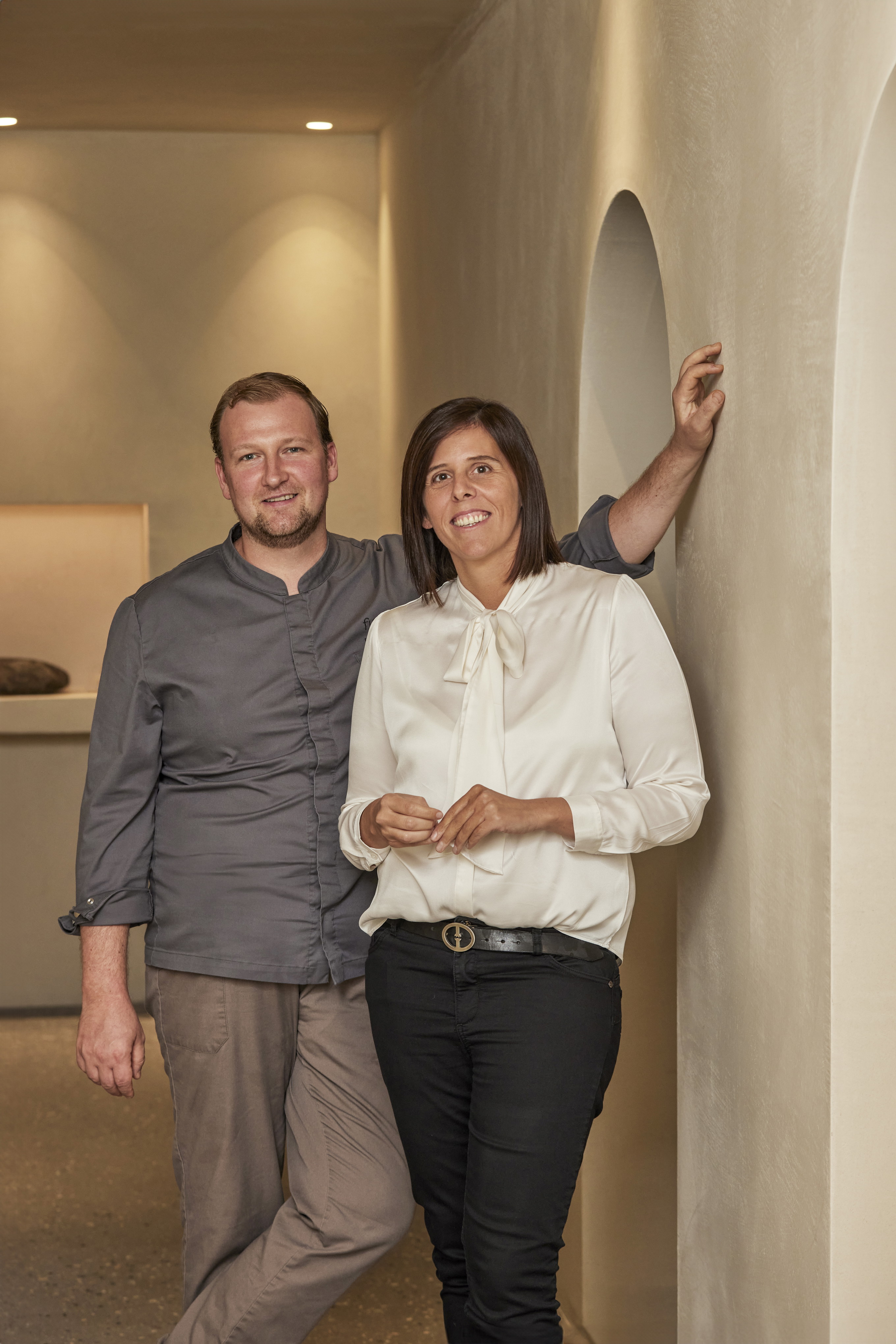
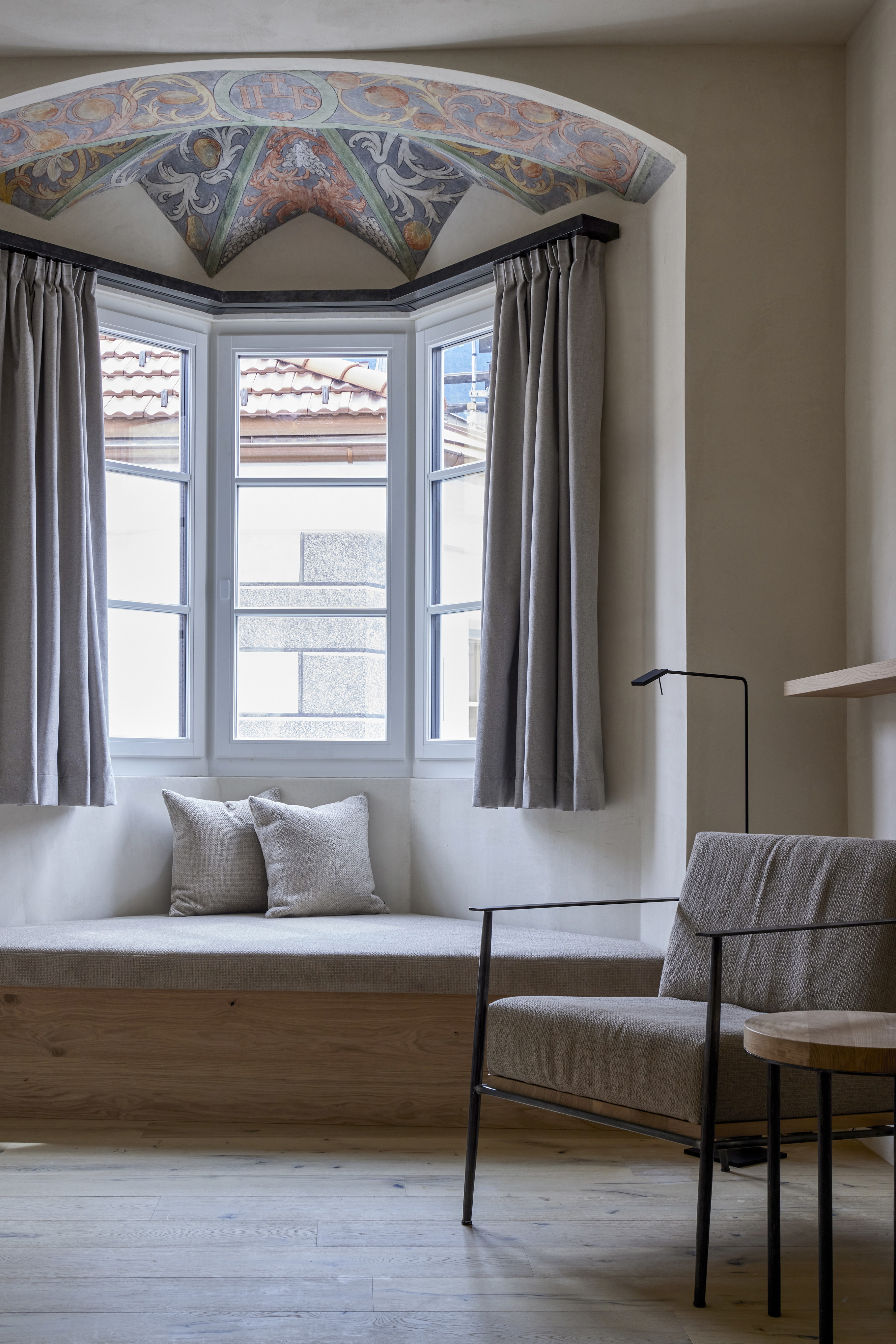
“The house has been in our family since 1896 and has always been a guesthouse and café,” says owner Petra Fink. “In 2023, we began thinking about how to breathe new life into the upper floors and decided to transform it into a boutique hotel with 18 junior suites.” The architecture firm Gamper, based in Klausen, was brought in for the project. Alongside the renovation, careful restoration work was carried out, revealing the original historic walls and vaulted ceilings. The modern design tastefully highlights the building’s old structure.
Another similarity toHirschen can be found in the spiritually charged kitchen line. "My husband has studied monastic cuisine and the teachings of Hildegard von Bingen intensively," says the hotelier, "which is why our cuisine is also strongly geared towards plant-based, vegetarian and vegan dishes."
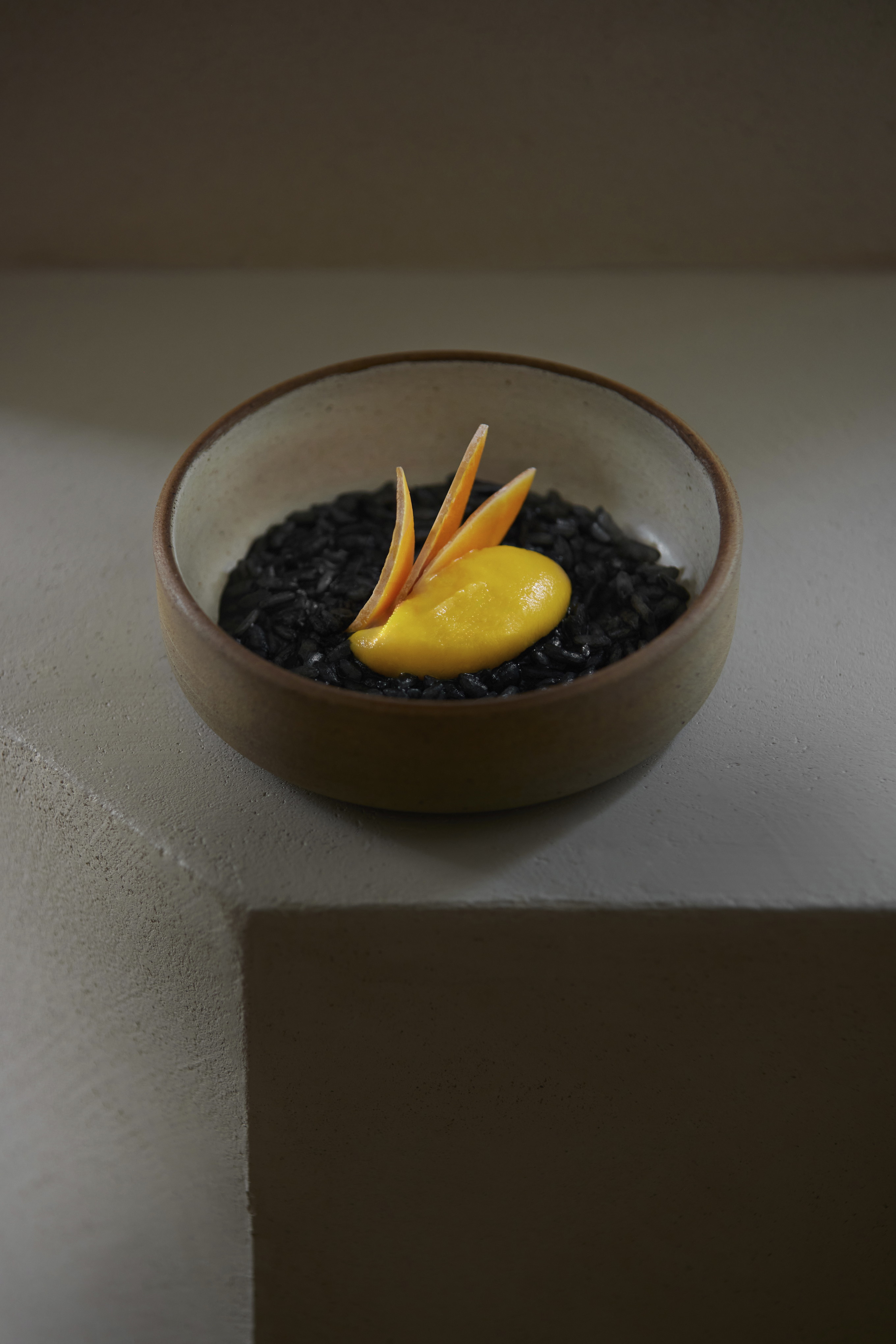
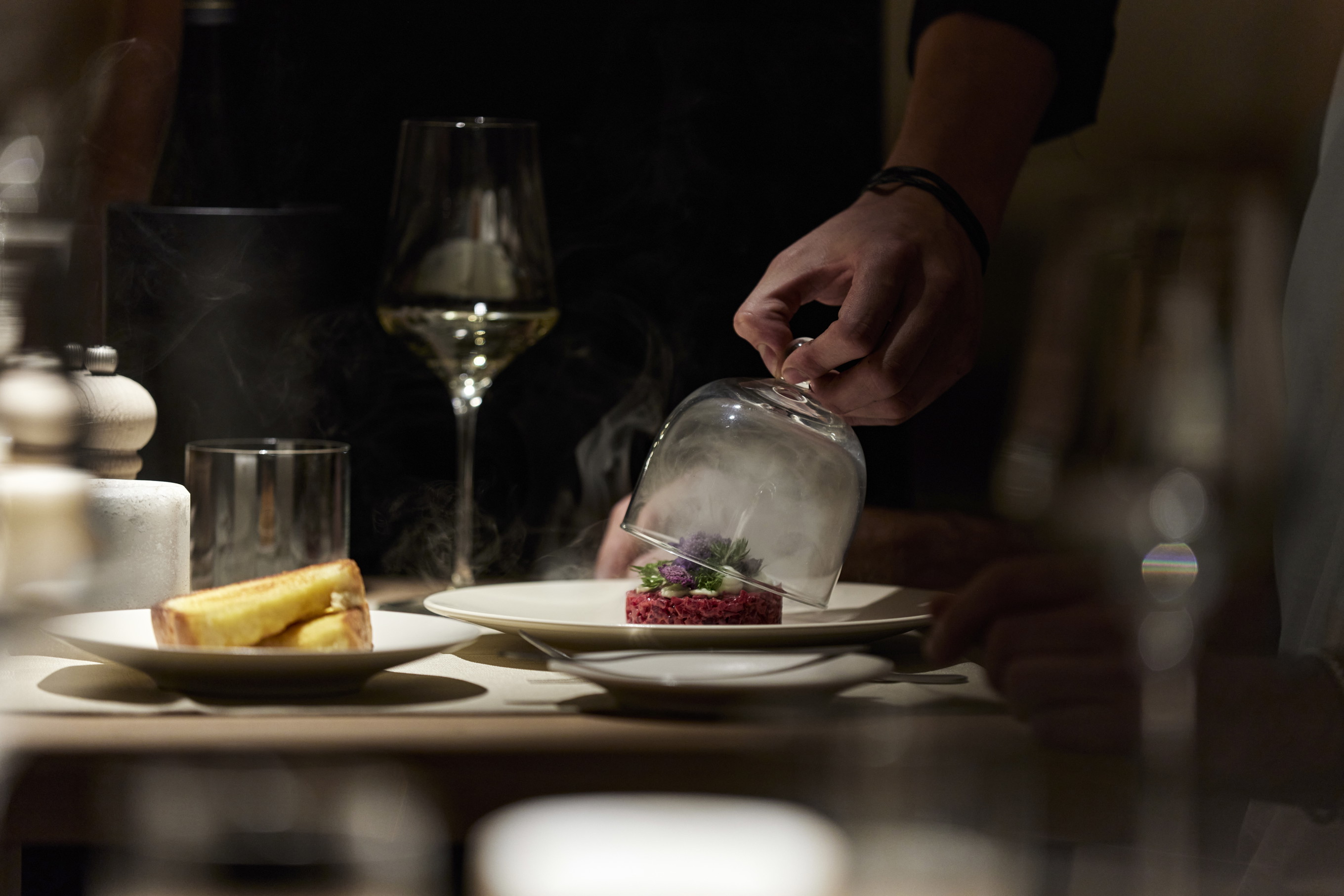
For example, Fink serves root vegetable tartare with mayo made from vegetable greens and kamut brioche bread, or Klosterschlutzer with nettle and ricotta. However, dishes with meat are also on offer, but only from animals from the region or wild animals kept in a species-appropriate manner.
Preserving and revitalizing existing buildings
Another jewel of North Italian hospitality is 1477 Reichhalter in Lana near Merano - a traditional house that has been carefully restored and transformed into a stylish hotel with great flair. "Since it was built in 1477, the house has been a butcher's shop, bakery, mill, barn, stable, coffee house and inn," says Klaus Dissertori. "When we took over in 2017, it was a genuine village inn, run by an elderly lady who cooked, served and did everything on her own."
Dissertori - itself part of a successful hotelier family from Lana - commissioned architect Zeno Bampi and interior designer Christina Biasi-von Berg, both from Northern Italy, to carry out the renovation.
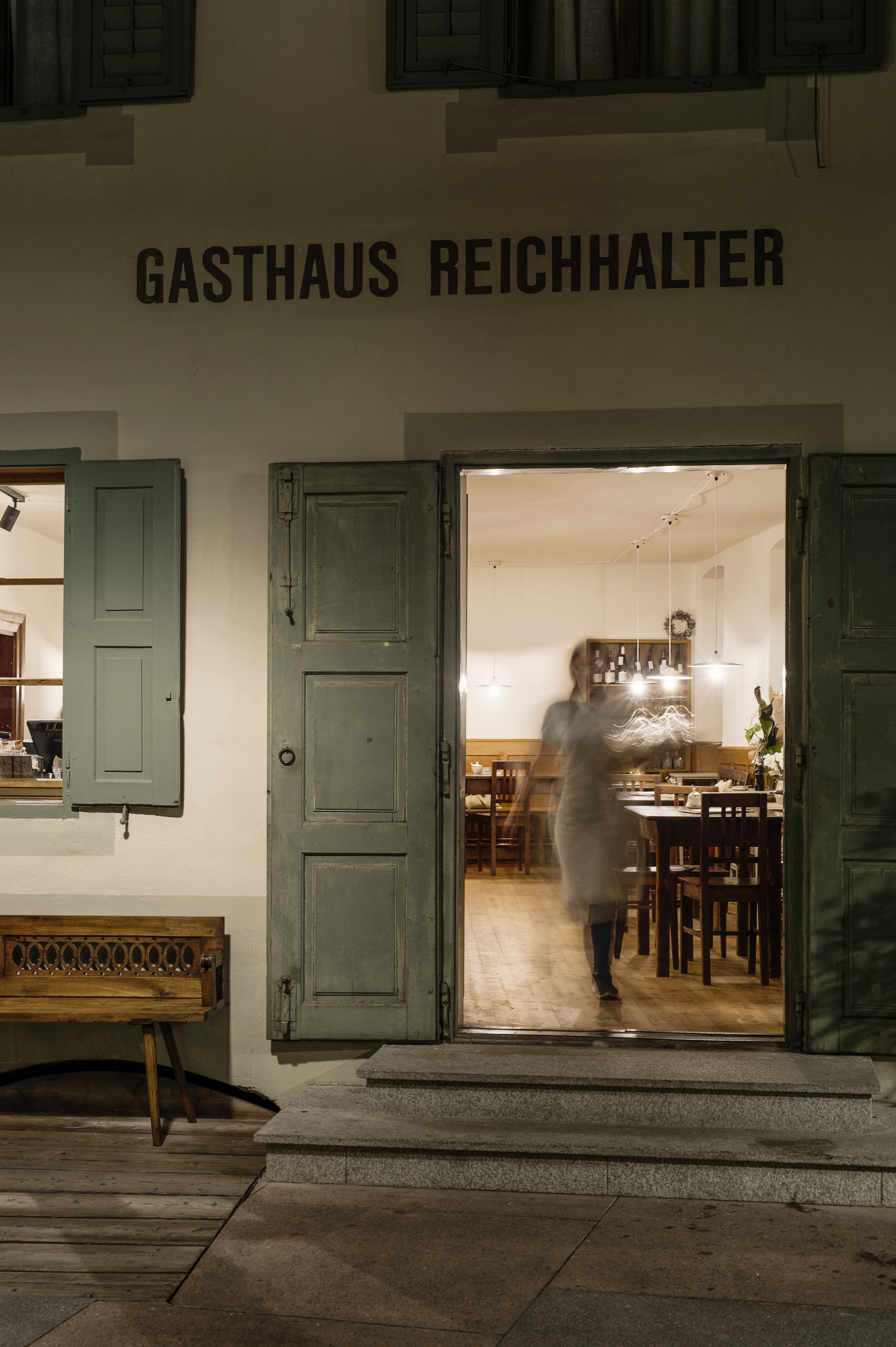
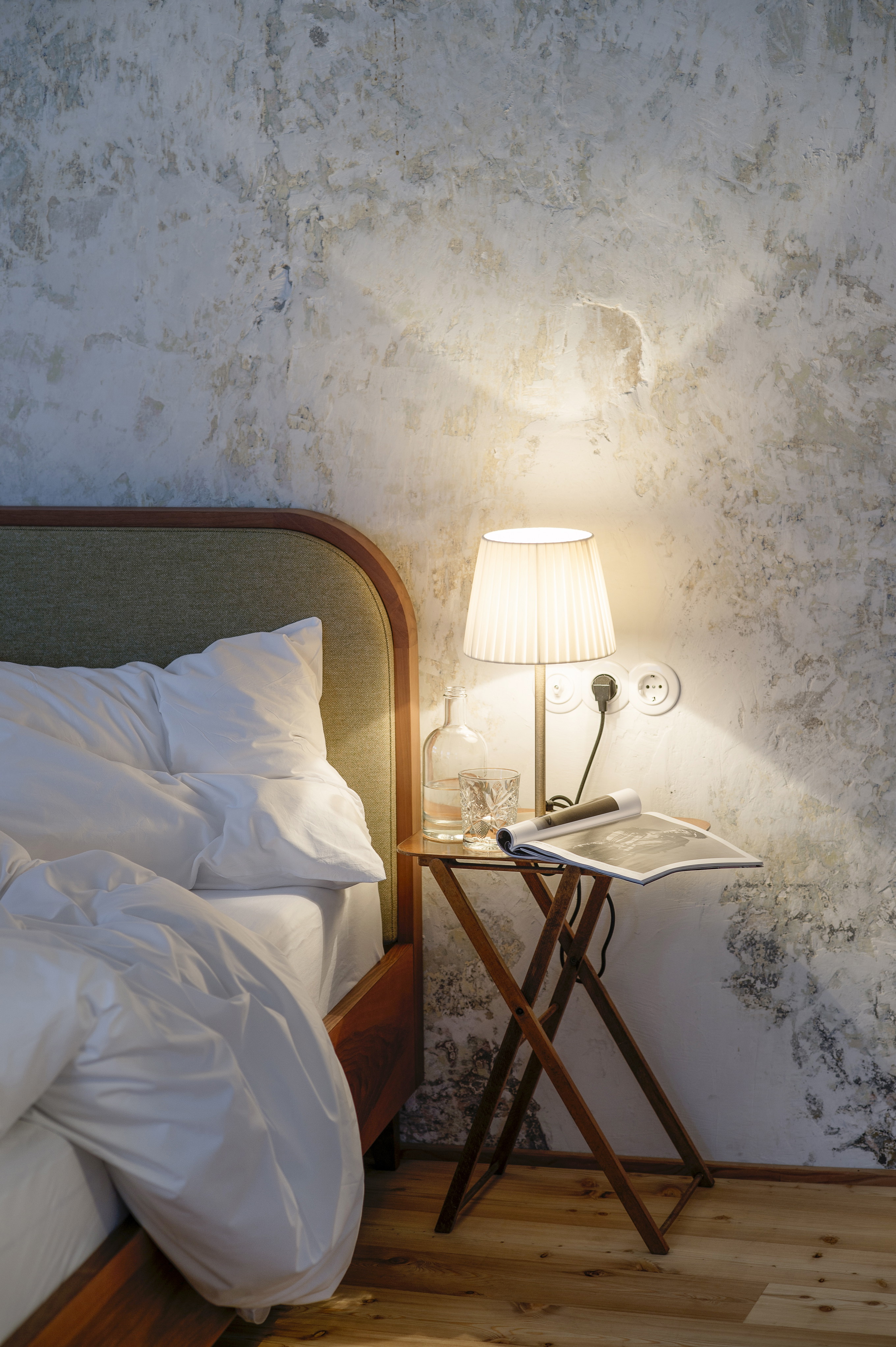
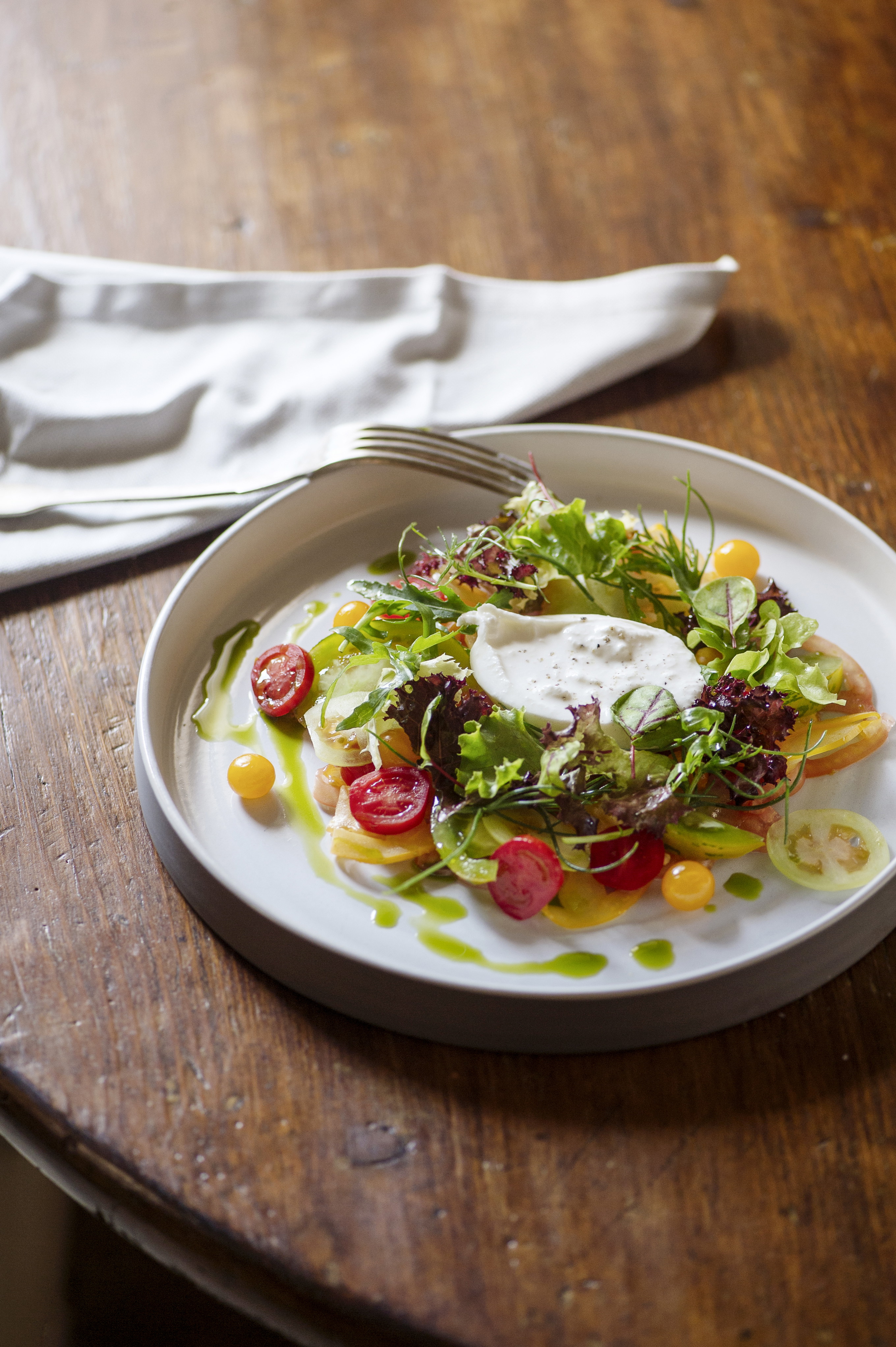
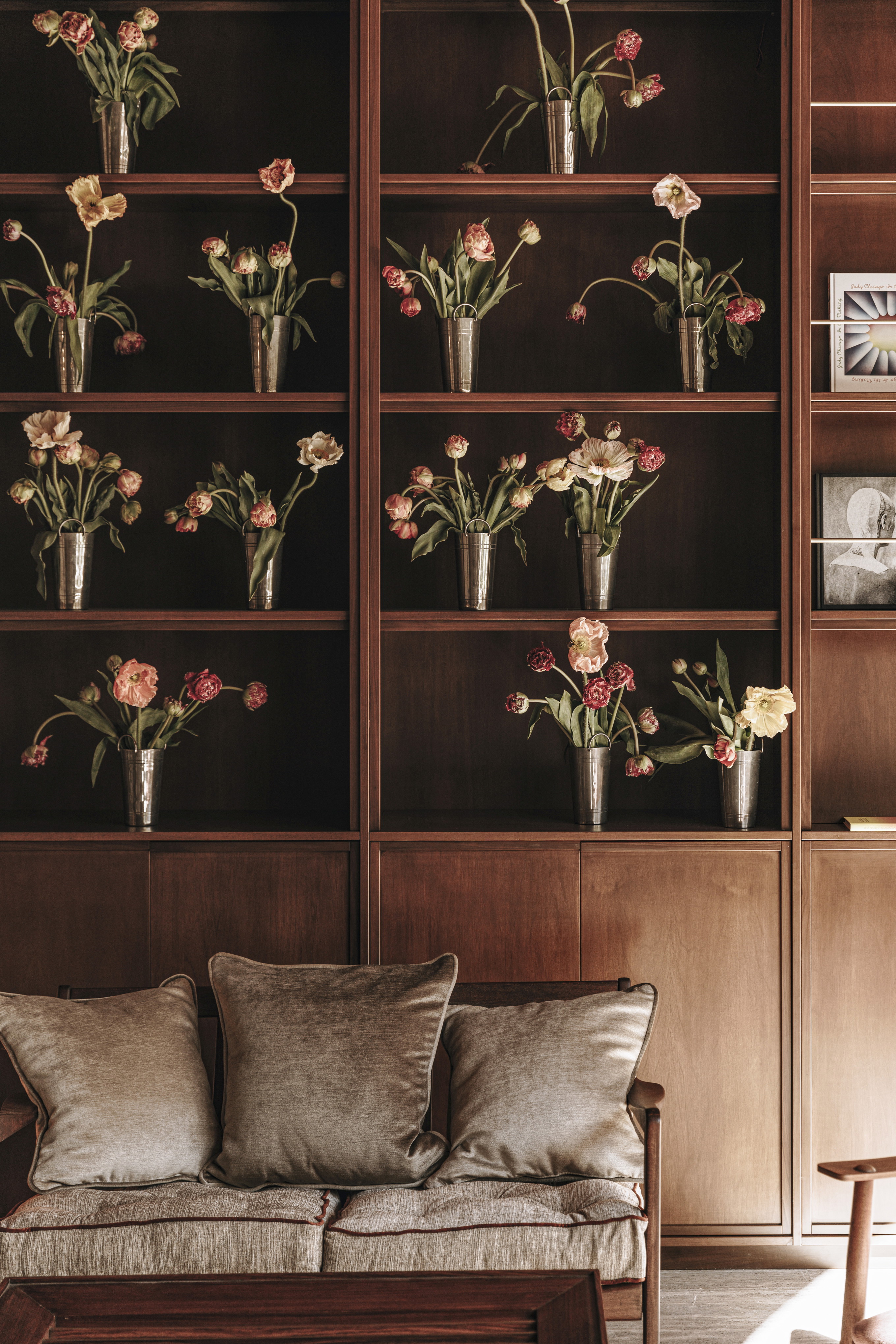
"It wasn't an easy job," says the hotelier. "The entire building services had to be renewed and an additional floor was added to make room for the rooms." Today, the hotel has eight guest rooms - all of which are simply yet tastefully furnished: with old wooden floors, selected vintage furniture, warm earth tones and fine fabrics.
Among locals
“We wanted to preserve as much of the original structure as possible, because it’s the history that makes this place so special,” explains Dissertori. That goal was achieved most notably in the ground-floor dining rooms: original wood paneling and plasterwork have been retained, and together with the understated, elegant furnishings, they create the feel of a long-established village inn with a modern sensibility.
That same philosophy is reflected in the menu—head chef Andreas Heinisch serves dishes based on outstanding ingredients, refined intuition, and precise technique. Think crispy asparagus tempura with Bolzano sauce and chimichurri, or beef tartare with herb mayonnaise and homemade focaccia. The breakfast croissants are also house-made and perfectly fluffy—and it's not uncommon to see hotel guests and locals enjoying them side by side.
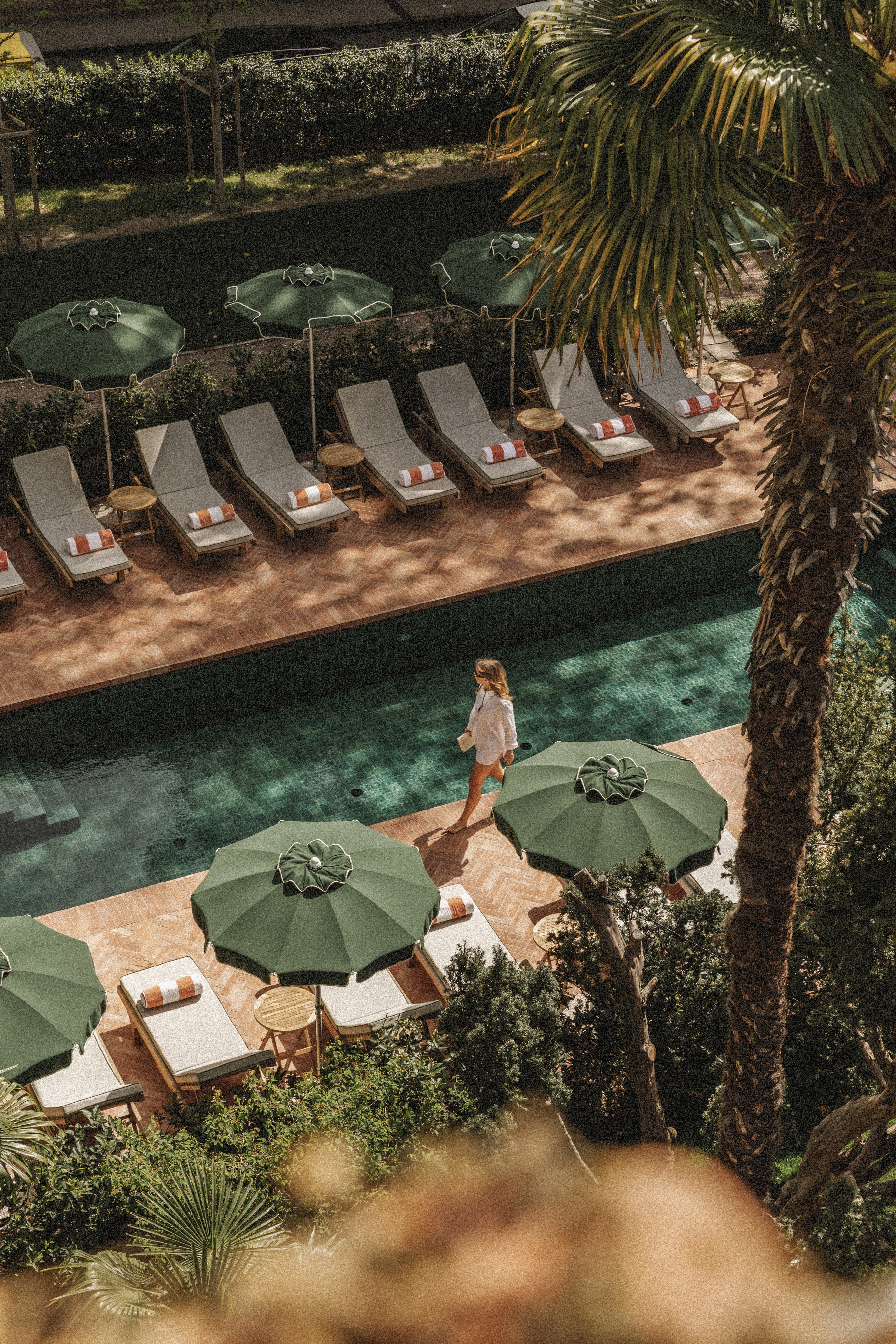
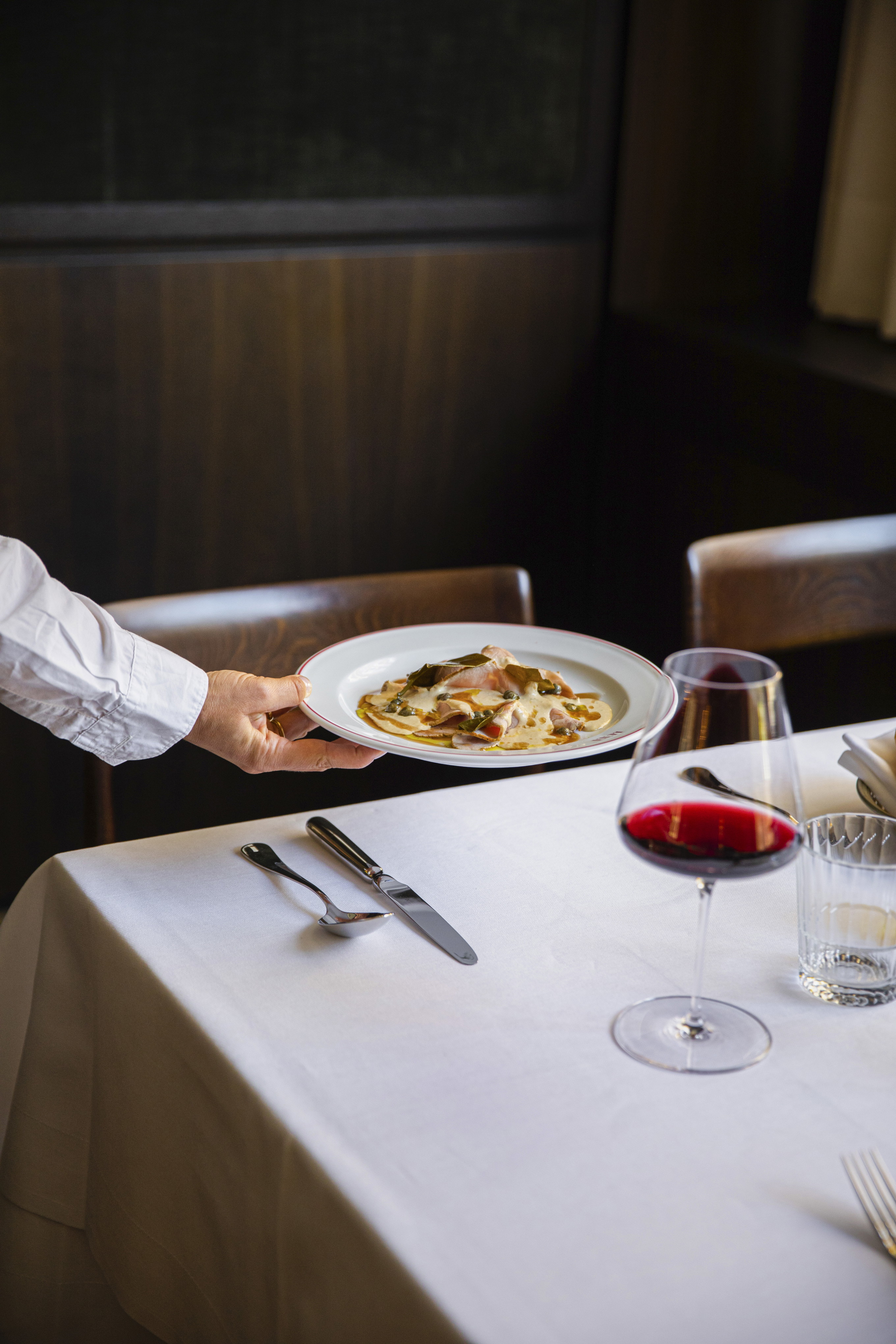
In 2021, Klaus Dissertori also took over Parkhotel Mondschein in Bolzano together with his brother, renovated it over the winter and reopened it in May 2022. Here, too, care was taken to preserve as much of the existing building as possible, supplemented by lovingly selected vintage furniture and details to retain the charming Sixties feeling and the spirit of the place. There's also a bar with DJ sound every Friday evening, which is extremely popular with locals, yoga classes and an in-house pizzeria.
"Our aim is to create a hotel that is not only there for hotel guests, but also brings the people of Bolzano in," emphasizes Klaus Dissertori. And this is something that works wonderfully, given the wide range of offers, the excellent location and the loving design.


