Skip to content
© Getty Images

The Azores: An Archipelago of Astounding Beauty in the Atlantic

Destinations
Experiences

An archipelago of astonishing beauty lies far off Portugal’s coast in the Atlantic: crater lakes, hot springs, a mild climate, and pristine nature make the Azores a paradise for active travelers and nature lovers. There’s every reason to explore more than just one of these stunning islands.

Rising 2,351 meters above sea level, the summit of the Ponta do Pico volcano on the island of Pico is Portugal’s highest peak. Visible even from the neighboring island of Faial, it dominates both the landscape and the geography of Pico—its presence unmistakable from every vantage point. At the top, hikers (who must have a permit and tracker) are rewarded with a 500-meter-wide, 30-meter-deep crater and breathtaking panoramic views.

© provided

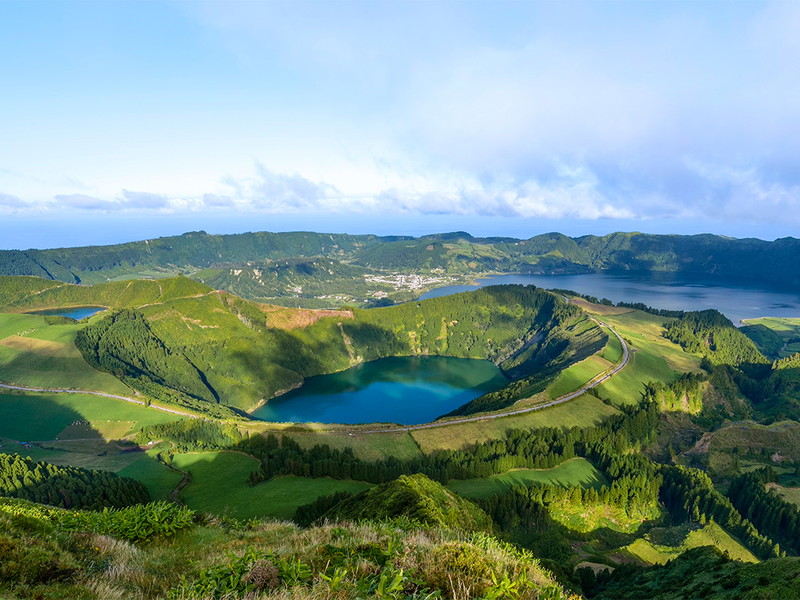
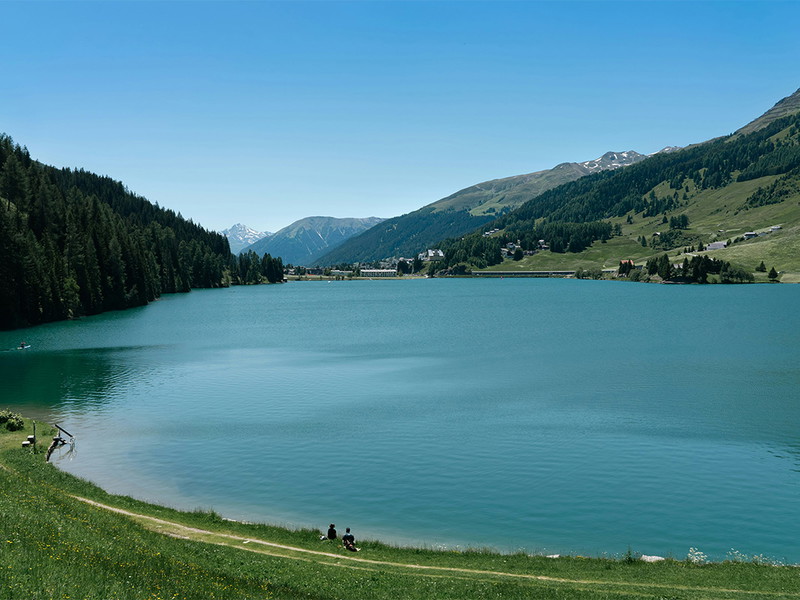
The landscapes of the Azores are guaranteed to get your heart racing—even if you haven’t just conquered a 1,000-meter ascent. The main island, São Miguel, is home to thermal springs, a tea plantation, and the twin crater lakes of Lagoa Azul and Lagoa Verde—the Blue and Green Lagoon—nestled within the Sete Cidades nature reserve. Faial is loved for its blue hydrangeas and hiking trails along the edge of a volcanic crater, while the flower island of Flores captivates with its lush vegetation.

© provided

The Dollabarat Reef, off the southernmost island of Santa Maria, is a thriving dive site where manta rays, barracudas, and tuna are a common sight. On Terceira, the third-largest island in the Azores, explorers can hike through fascinating cave systems. Few travel destinations offer such remarkable diversity within a compact area—the islands collectively cover just 2,350 square kilometers. It’s no surprise that the Azores are often called the Hawaii of Europe, especially with their surf-friendly coastlines.

More variety is hardly possible

© provided

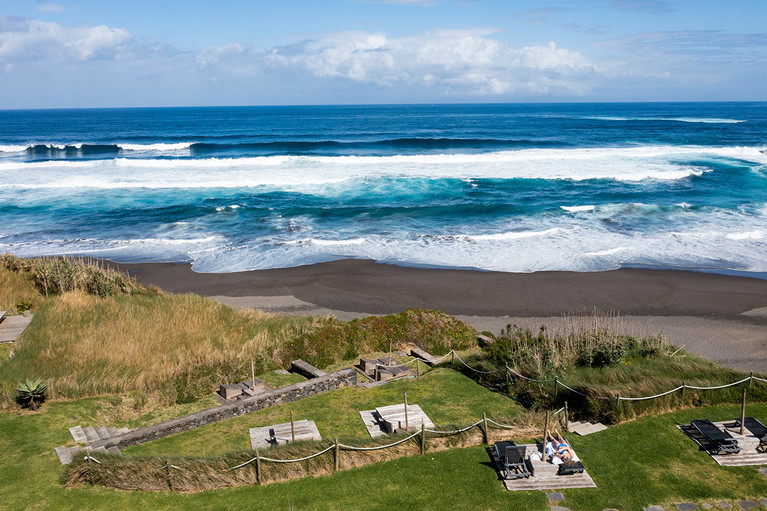
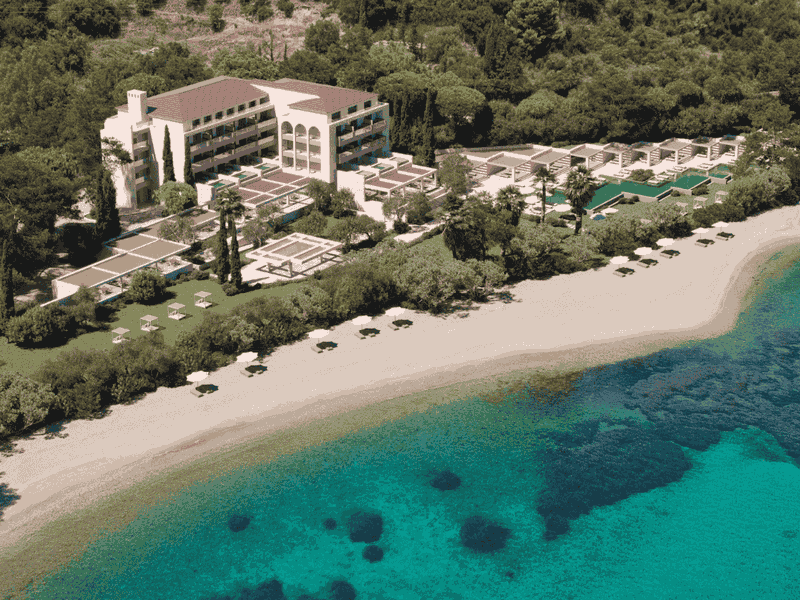
The nine larger islands—and many smaller ones—boast vineyards, black sand beaches, and even white sand beaches on Terceira. Add to that lush forests, waterfalls, and a town recognized as a UNESCO World Heritage Site: Angra do Heroísmo on Terceira. The archipelago’s mid-Atlantic location (1,369 kilometers from mainland Portugal’s westernmost point and 1,930 kilometers from Newfoundland) not only ensures exceptionally pure air but also enhances the visitor experience. Positioned in the heart of the ocean, the Azores rank among the world’s top destinations for whale and dolphin watching. One thing you won’t find here: mass tourism. Instead, expect refined hotels and eco-lodges, plenty of space, and outstanding restaurants.

Read more: The 5 most popular surf spots in Portugal

The Falstaff Travel Editors
Author
Find out more
1 / 12