Too crowded instead of full bloom: Japan cancels cherry blossom festival on Mount Fuji
The city of Fujiyoshida has canceled its popular cherry blossom festival this year. This is due to concerns about too many tourists and their reckless behavior.
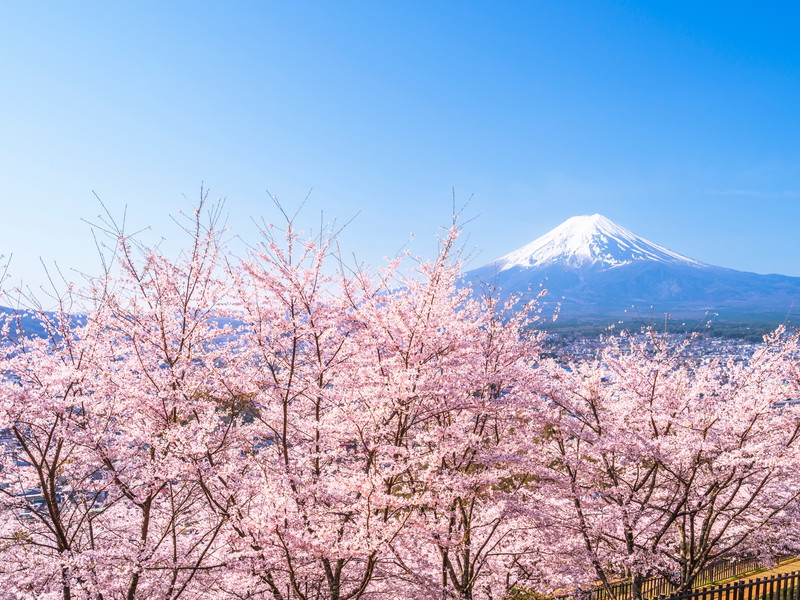
Who wouldn't want to experience this natural spectacle: the full, pink cherry blossom in April, with the snow-covered peak of Mount Fuji as a backdrop? Experiencing the Japanese cherry blossom season - "Hanami" - is at the top of many people's travel goals around the world. In Fujiyoshida, at the foot of the volcano, the annual visitor numbers are now too high, which is why the popular festival in April 2026 has now been canceled.
Canceled due to disrespectful tourists
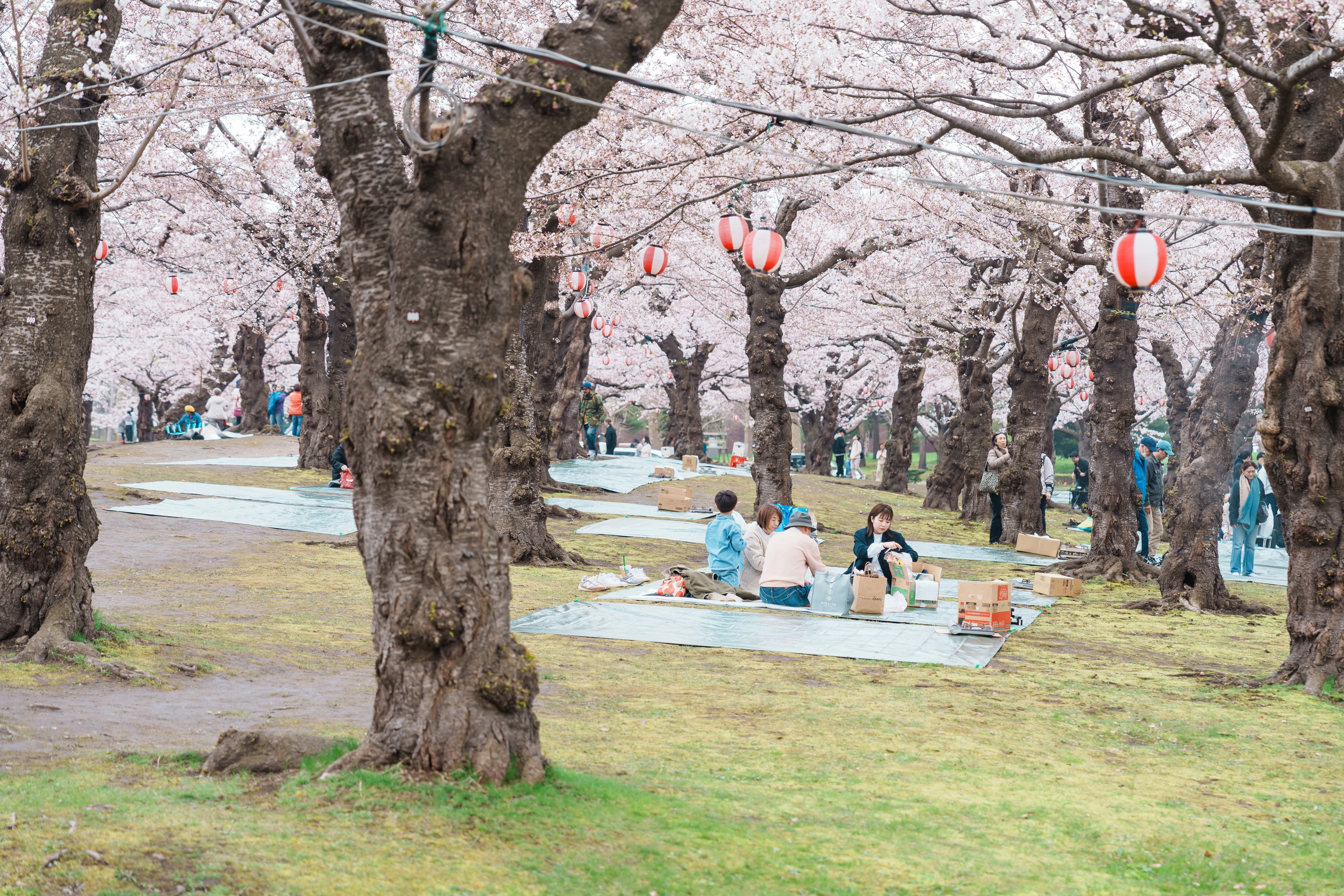
The cherry blossom festival in Fujiyoshida (population: just under 50,000) attracted around 200,000 visitors from abroad and within the country at the end of March 2025. According to the locals, there are just too many of them. It seems that their behavior also left something to be desired, as the Spiegel reported: Due to the traffic jams on the streets, cigarette butts on the sidewalks and feces in the front yards, the people of Fuji have had enough of the annual festival.
And so the city canceled the popular event without further ado. "We have to protect our environment and our dignity - the festival, which is now ten years old, has long since gone beyond this framework," says Mayor Shigeru Horiuchi. Despite the cancellation of the festival, the popular park with a view of Mount Fuji will remain open - a withdrawal of the festival does not mean that nature itself will remain closed to visitors.
Fujiyoshida is not an isolated case. Even in Kyoto, where temples, palaces and historic districts beckon, locals report an exuberance of tourism. The whole of Japan is currently experiencing a record increase in visitors, not least thanks to the historically weak currency.
Problem of overtourism in many places in Japan
Almost 43 million tourists were counted in 2025 - a significant increase compared to the previous year. Visitors from China in particular dominate the figures, while Europe, the USA and Australia are also increasingly represented.
In order to stem the flow of visitors, the state is increasing the tourism tax. In Kyoto, for example, there will be increased fees for travelers from March 2026. Advance registration is also required for access to Mount Fuji and an entrance fee of 4,000 yen (approx. 22 euros, as of February 2026) is charged.
If you want to experience the cherry blossom in all its glory, and the most beautiful places in Japan, you will have to dig deeper into your pockets, plan better - and behave respectfully.