Hong Kong: A Culinary Melting Pot
The name Hong Kong translates to “fragrant harbor.” Whether it refers to the city's diverse and...
In Hong Kong, dizzying speed meets ancient tradition. After political upheaval and a strict zero-COVID policy, this global metropolis is coming back to life—making it now the perfect time to rediscover it.
No other metropolis is comparable to Hong Kong, says Michael Groll, General Manager of the Landmark Mandarin Oriental. Groll came to Hong Kong for the first time in 2008; the Munich native has now lived here for a total of eleven years - albeit not at a stretch. In between, his job has taken him to London, Dubai, Singapore, Doha, Kuala Lumpur and Bali. But none of these places ever touched him as deeply as Hong Kong. No wonder he wanted to go back: "Hong Kong has this dizzying pace and at the same time deeply rooted tradition," enthuses Groll.
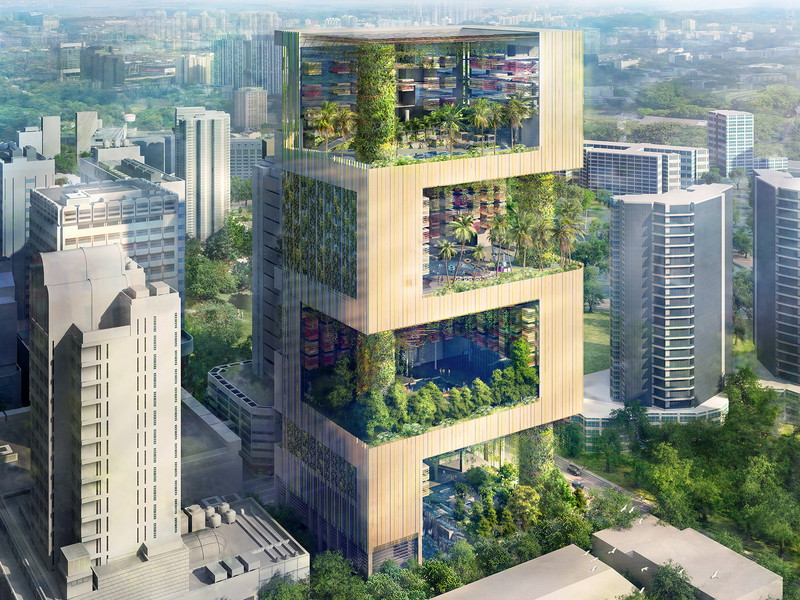
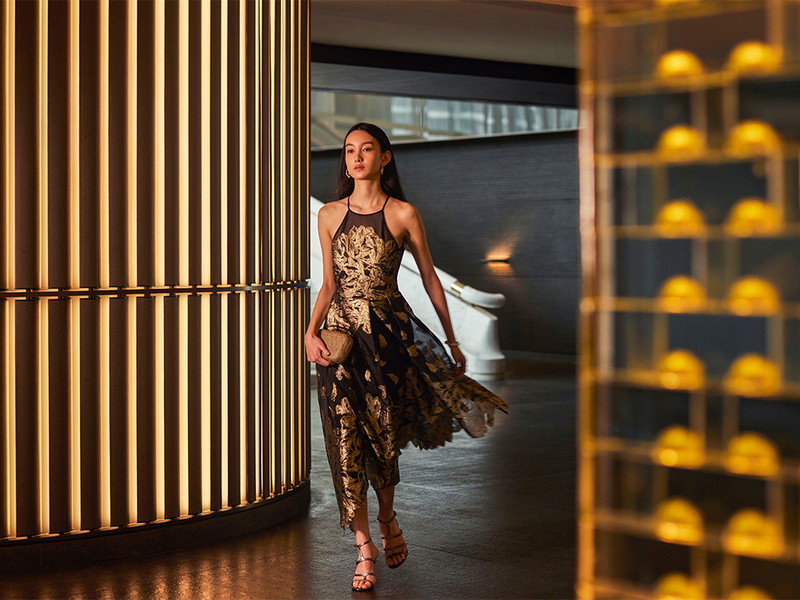
If you think about it more closely, this combination seems contradictory - and yet it's probably the only constant in this constantly changing megacity. A prime example of this fascinating contrast is the Landmark Mandarin Oriental itself. The five-star hotel is located in Central, the city's financial and business center; it's just as popular with creatives from the fashion and design scene as it is with travelers from the financial sector. At the moment, however, it resembles a major construction site: the real estate group Hongkong Land is currently investing the equivalent of around 370 million euros in the comprehensive redesign and expansion of the building complex in which the hotel is located. A further almost 560 million euros are expected to flow in from luxury brands such as Cartier, Chanel, Dior and Louis Vuitton, which naturally operate retail spaces here as in any other western metropolis.
But the city has changed since China began asserting its influence more openly. More than 150,000 people have fled Hong Kong for the UK alone. While the 2021 census recorded 593,000 foreigners living in the city, by July of last year, that number had dropped to just 270,000. Major international companies have since pulled out of Hong Kong, including Dell, HP, LinkedIn, Hasbro, Puma, and Nike—an exodus that was further accelerated by the city’s draconian zero-COVID policy.
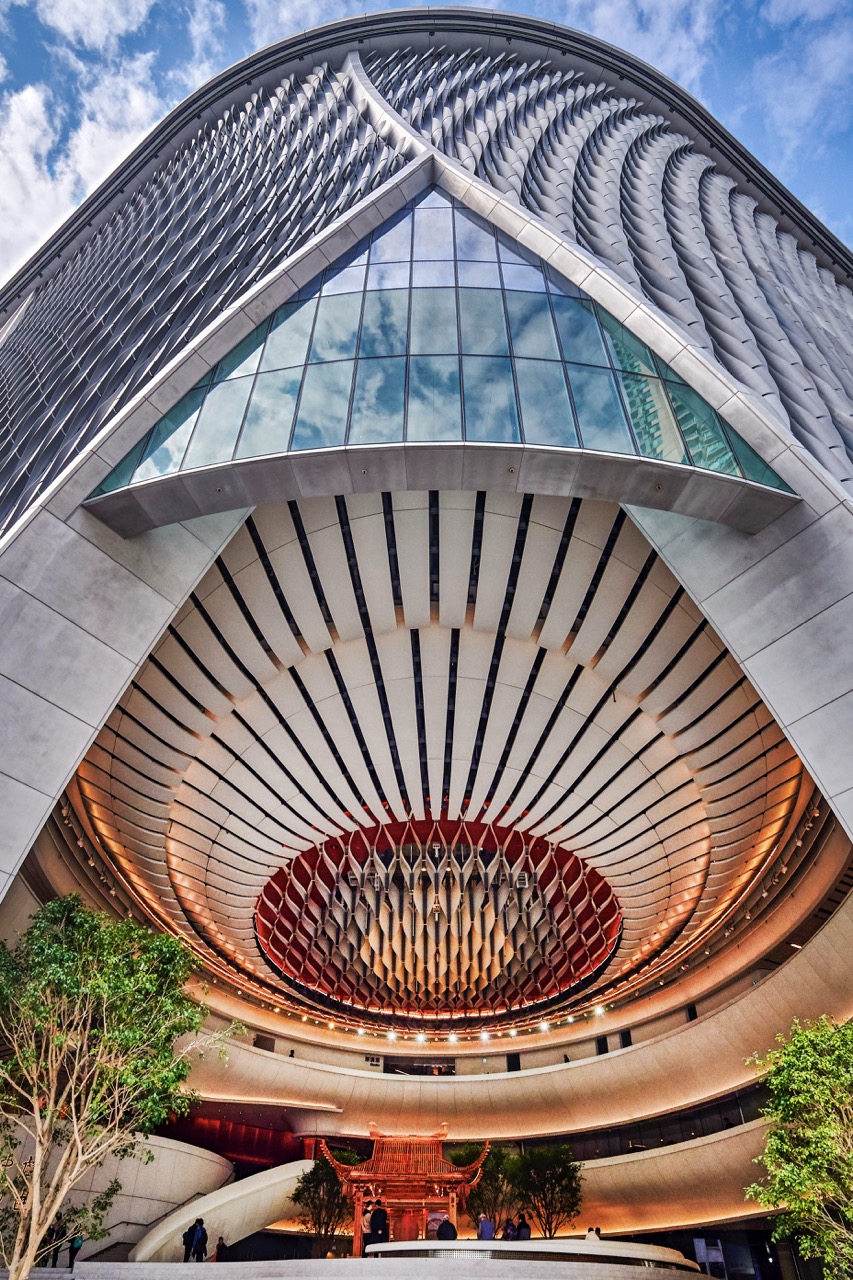
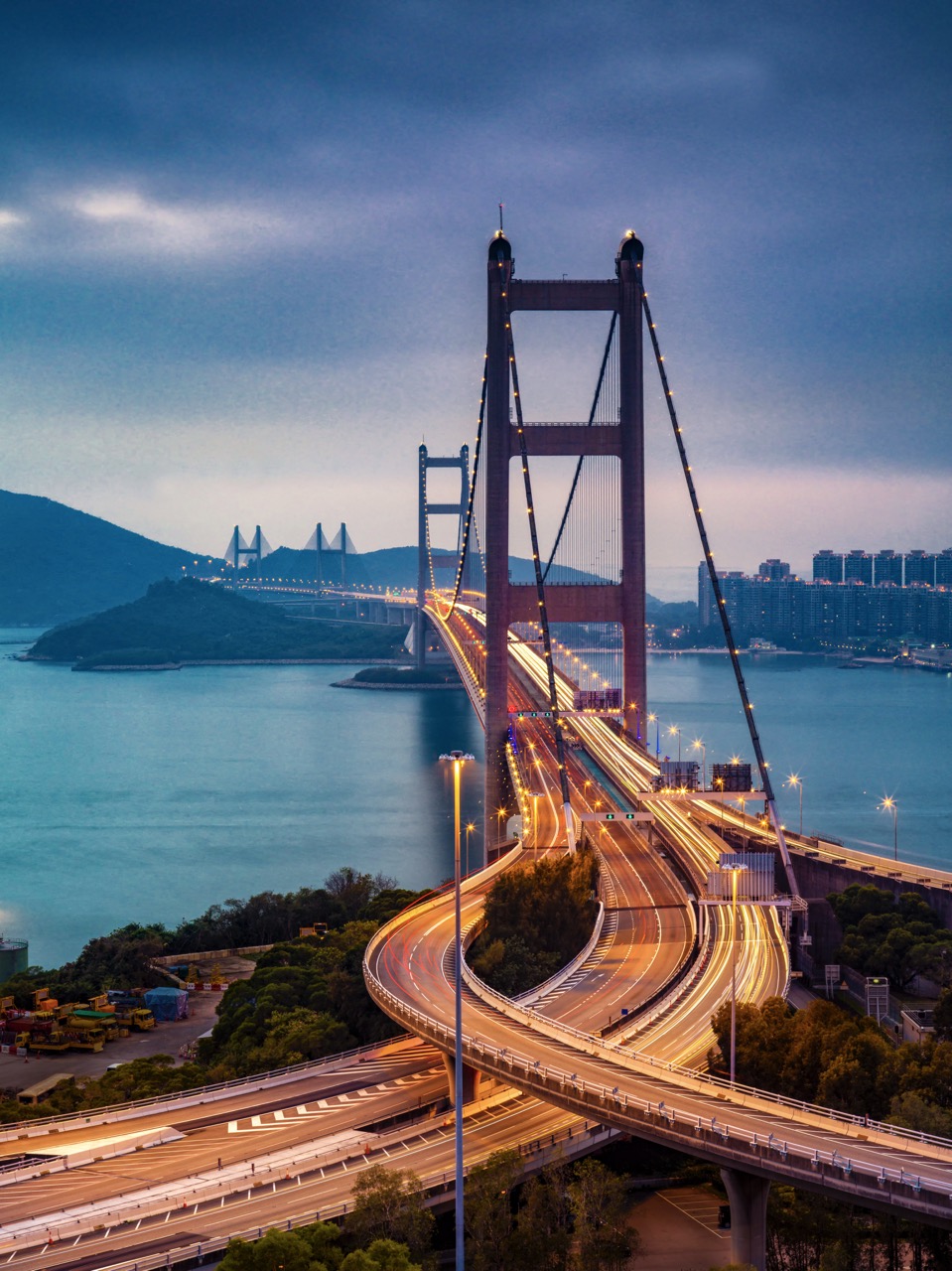
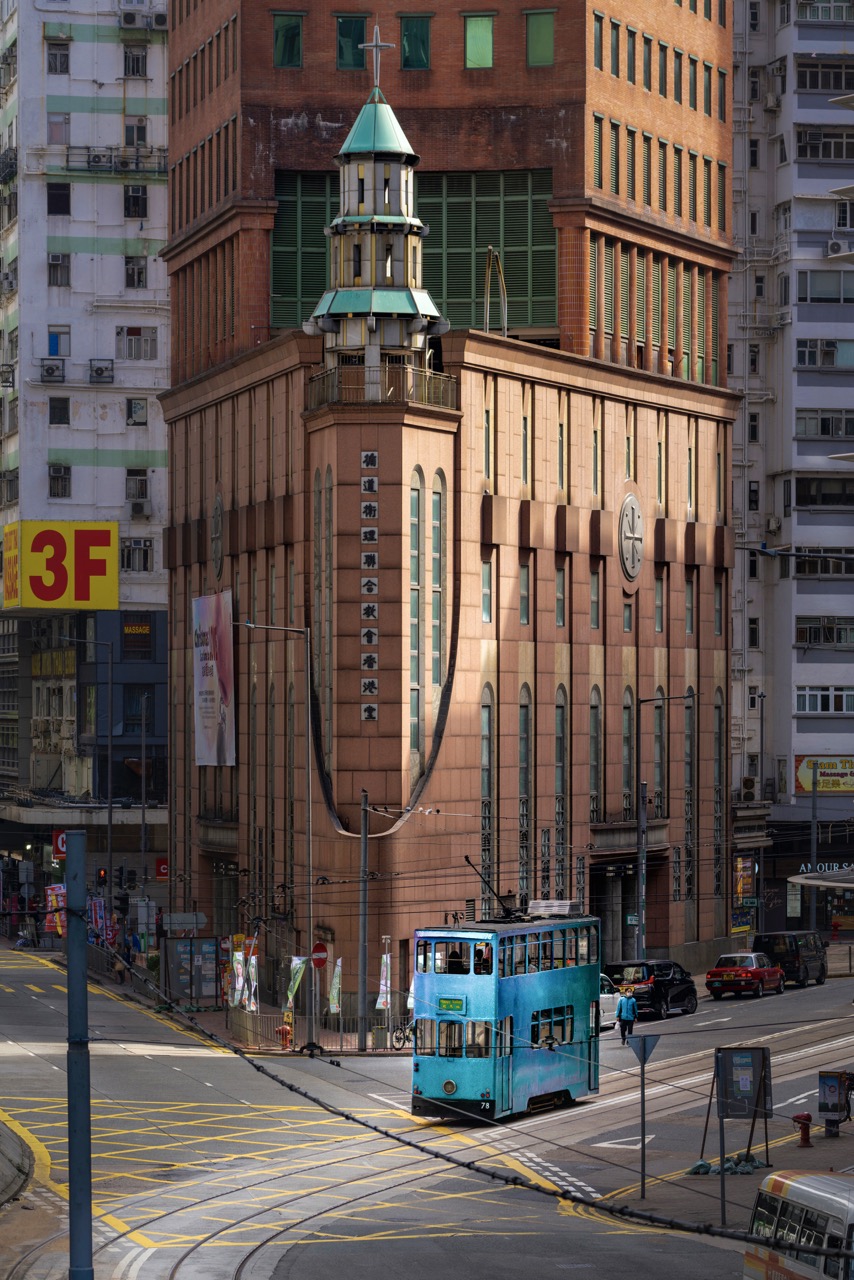
And yet, none of this has spelled the end of Hong Kong as a tourism hotspot—quite the opposite. The city is pulling out all the stops to not only maintain but expand its role as a global travel destination. At the recent International Tourism Fair (ITB) in Berlin, Hong Kong made it clear just how determined it is to attract visitors—with new campaigns, attractive travel deals, and a focused rebranding as a cultural melting pot, supported by numerous newly opened cultural institutions such as the M+ Museum in the West Kowloon Cultural District.
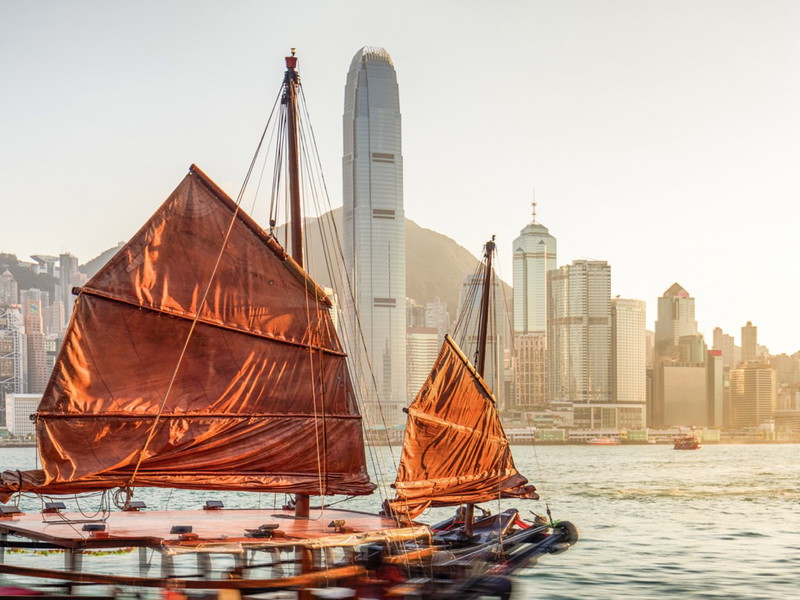
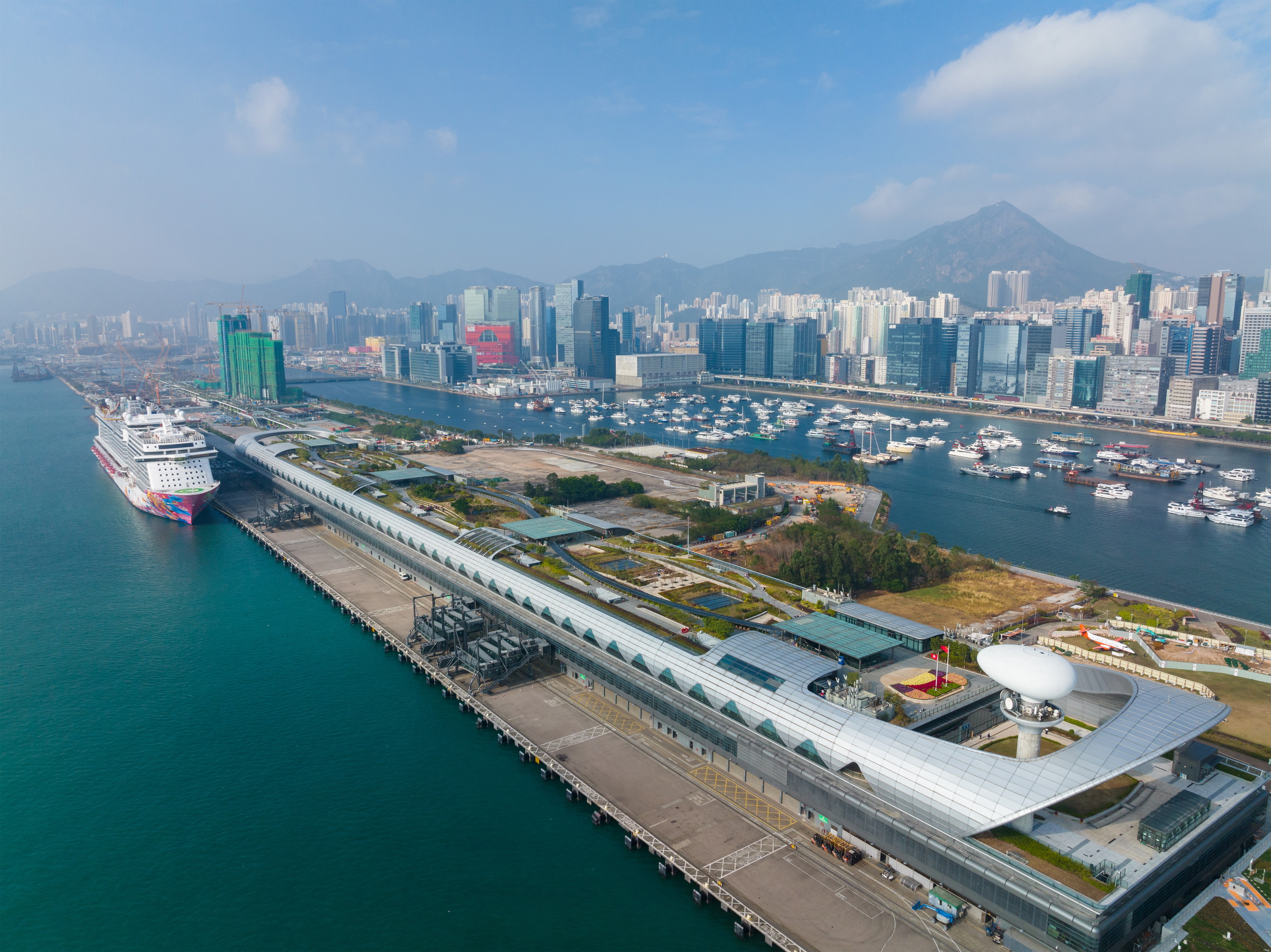
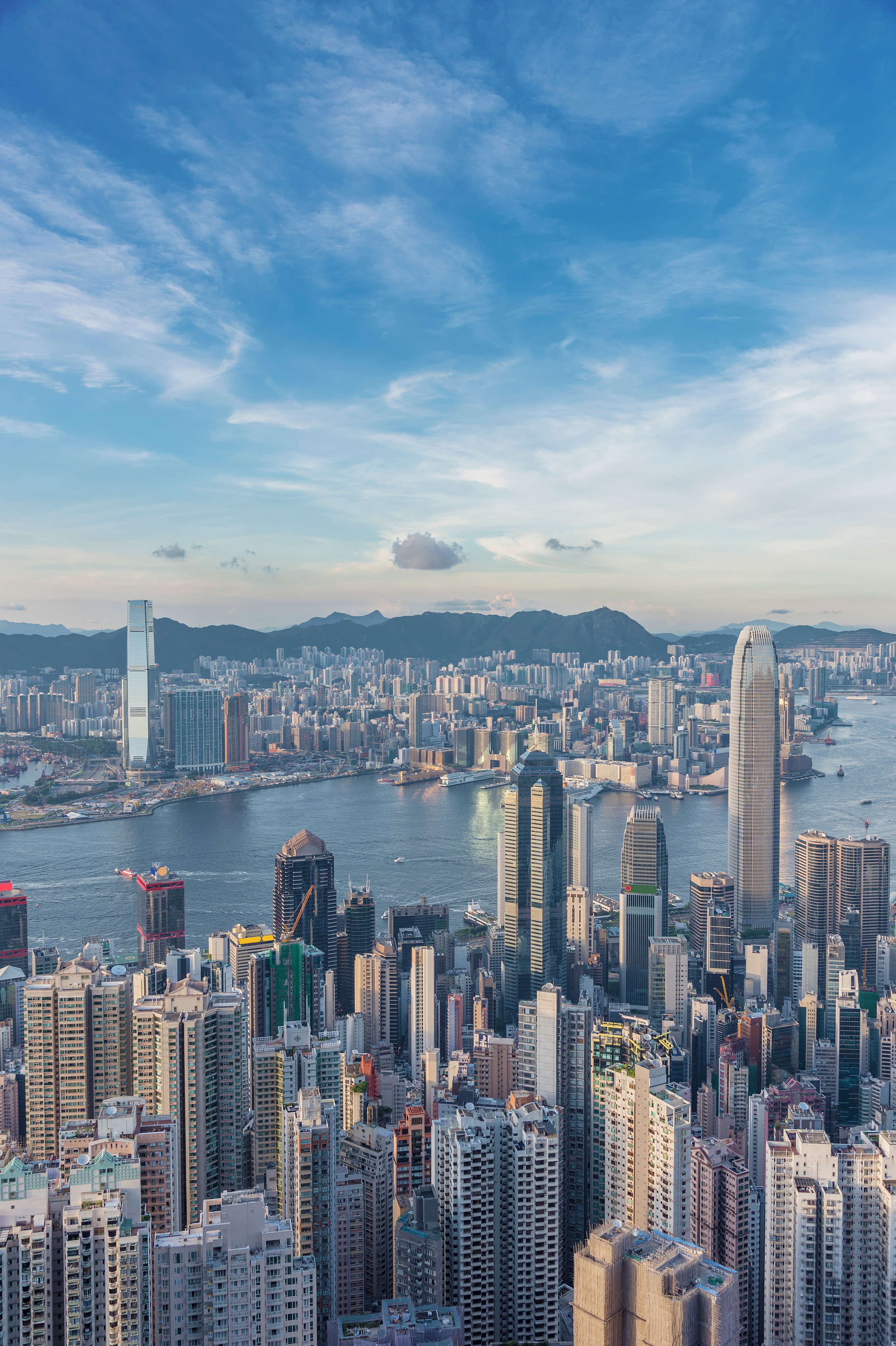
Many travelers arrive by cruise ship. Those docking in the evening at the new Kai Tak Cruise Terminal are greeted by a glittering city of glass and steel. With a bit of luck, you can watch the sunset right from the deck—a play of colors that casts striking silhouettes over Victoria Peak and bathes the bay in gold and pink. Moments later, the city unveils its signature light show: No other metropolis in the world has more skyscrapers, and at night, colorful LED displays dance across more than 500 building façades, reflecting on the calm harbor waters.
Even the striking, deliberately placed openings in buildings or high-rise complexes light up during the evening spectacle. These are known as dragon gates—designed according to feng shui principles, a tradition deeply rooted in Chinese culture for over 3,000 years. They are believed to serve as passageways for dragons, allowing them to fly freely from the mountains to the sea in the morning and back again in the evening. These architectural features are especially common in Hong Kong, where modern design and traditional beliefs blend in truly remarkable ways.
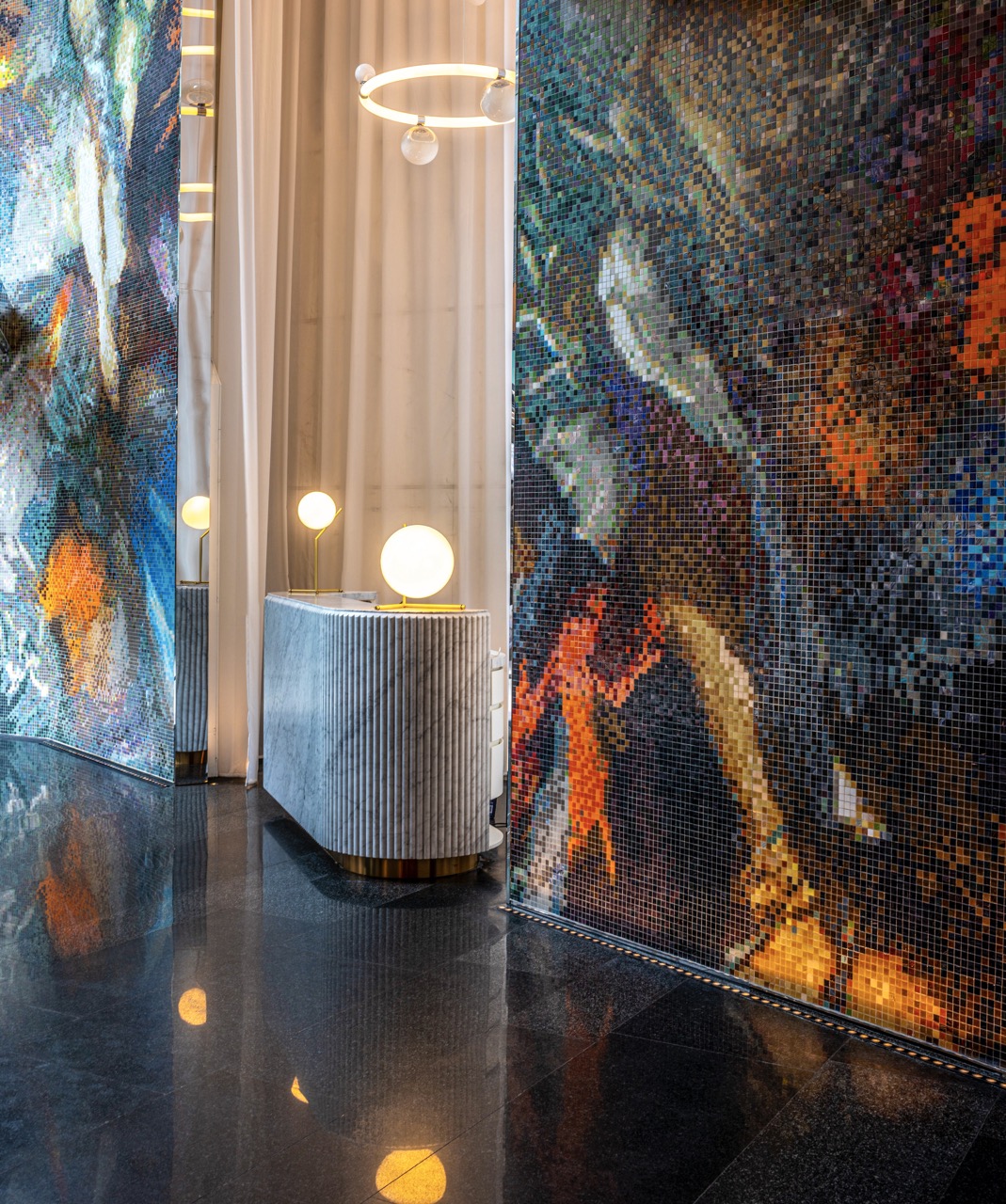
If you walk from the port into the city center, you'll eventually end up in Hong Kong Central - the city's vibrant business and retail hub. Here, between the glass facades of modern bank and office towers and the historic colonial buildings, a lively art scene unfolds, successfully interweaving tradition and avant-garde. Art Basel Hong Kong in particular has put the metropolis firmly on the international art public's travel calendar. Most recently, the fair attracted 240 galleries from 42 countries and around 91,000 visitors from over 70 countries looking for exceptional works and new talents.
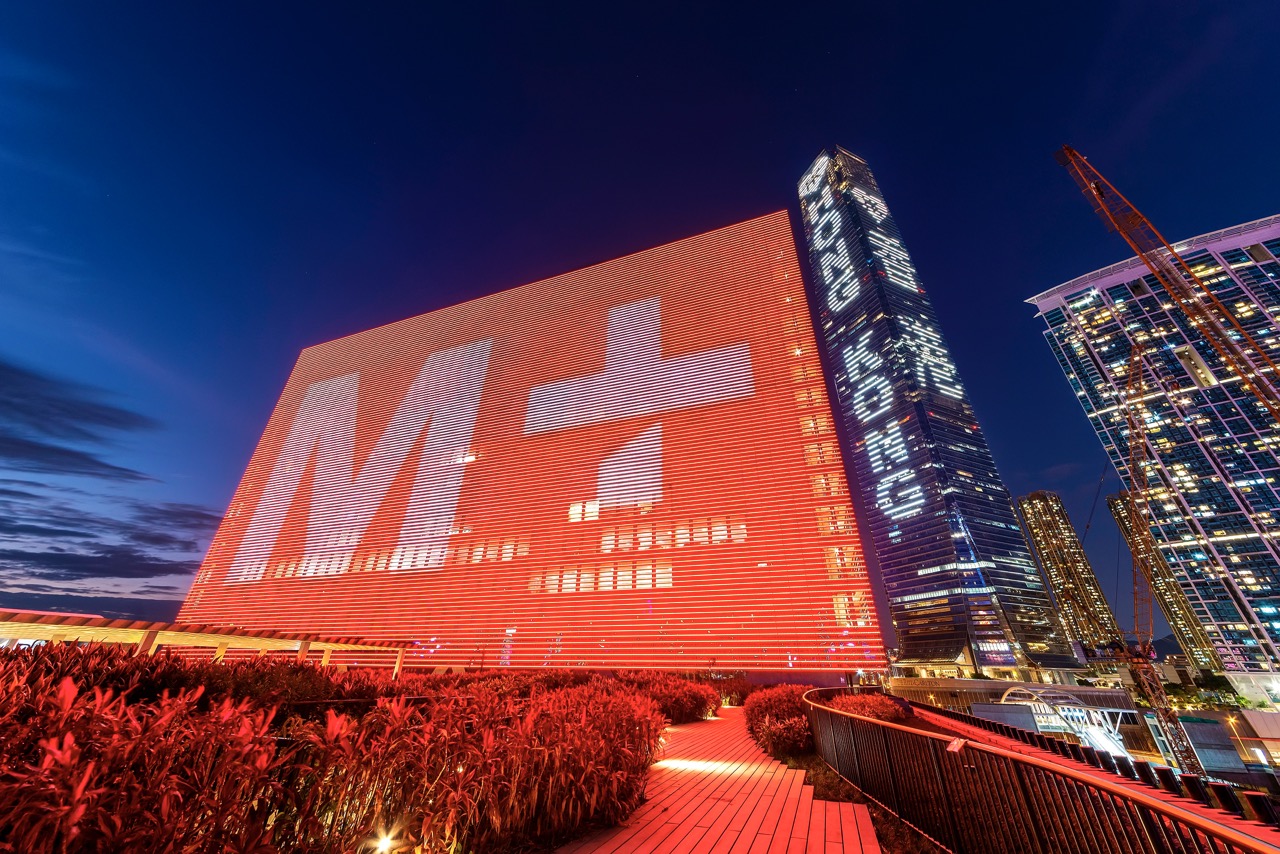
Another cultural attraction: the "M+", a visionary museum for modern art and visual culture in the West Kowloon Cultural District. It took more than ten years to complete the building in the shape of an upside-down T. In the more than 33 gallery rooms, you'll find works from the 20. and 21st century, with a focus on Asia and Hong Kong. The museum sees itself on a par with international institutions such as the Centre Pompidou in Paris or the MoMA in New York.
Local art in a manageable dose can be enjoyed during a visit to the Tsim Sha Tsui shopping and nightlife district, one of the city's liveliest and busiest neighborhoods, on a detour to the lifestyle hotel Mondrian experience: In the hotel's own "The Corner Shop", a former exchange office opposite the hotel, changing exhibitions with local artists are presented. When Mondrian opened its doors in December 2023, it set an example of how a hotel can establish itself as an active part of the city community today: Instead of a VIP opening night with lots of glitz and glamor, the hotel opted for a different approach: it invited single parents and gave them an overnight stay in a hotel and a free visit to the M+ museum.
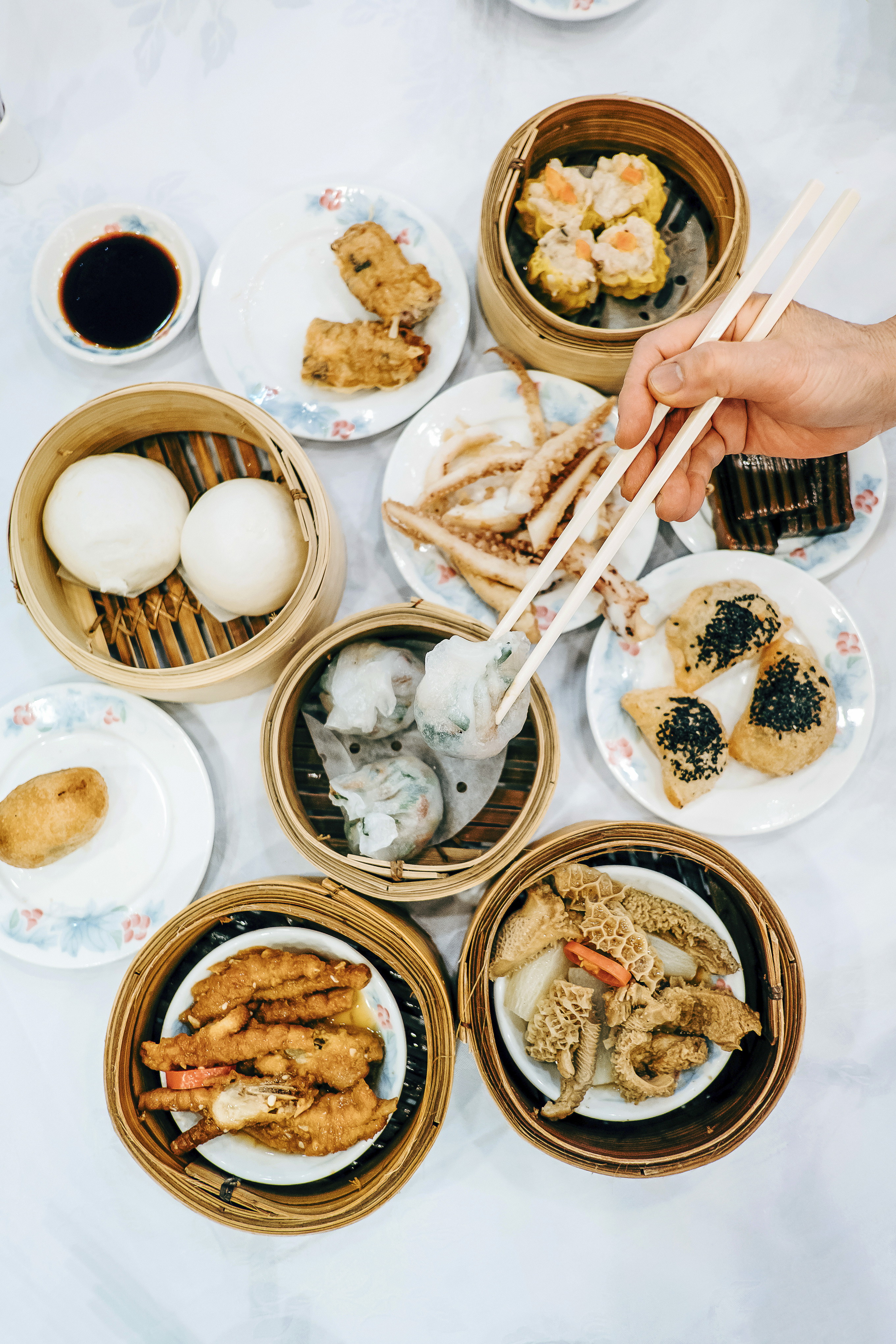
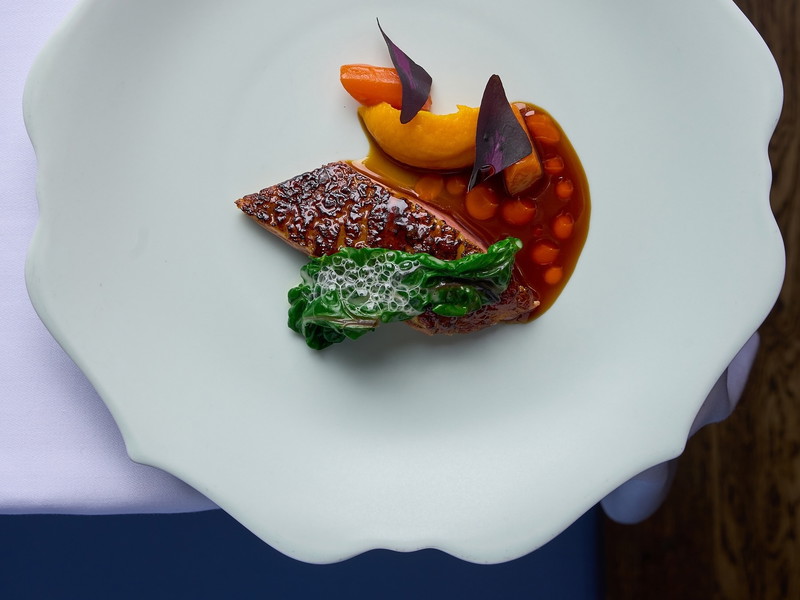
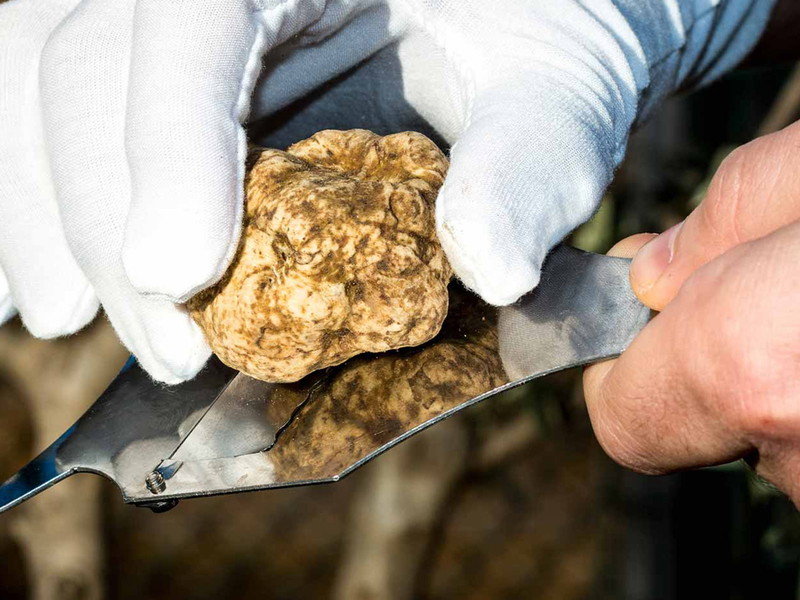
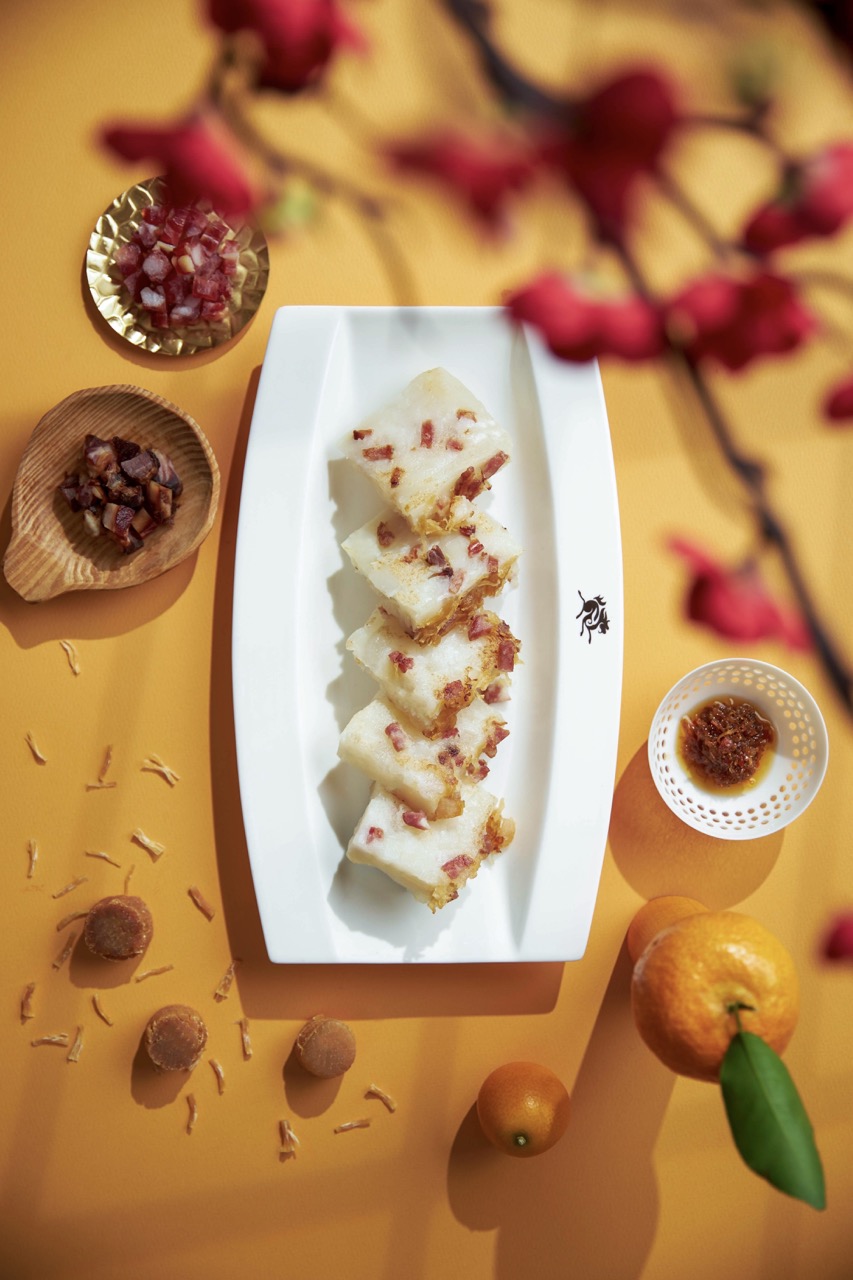
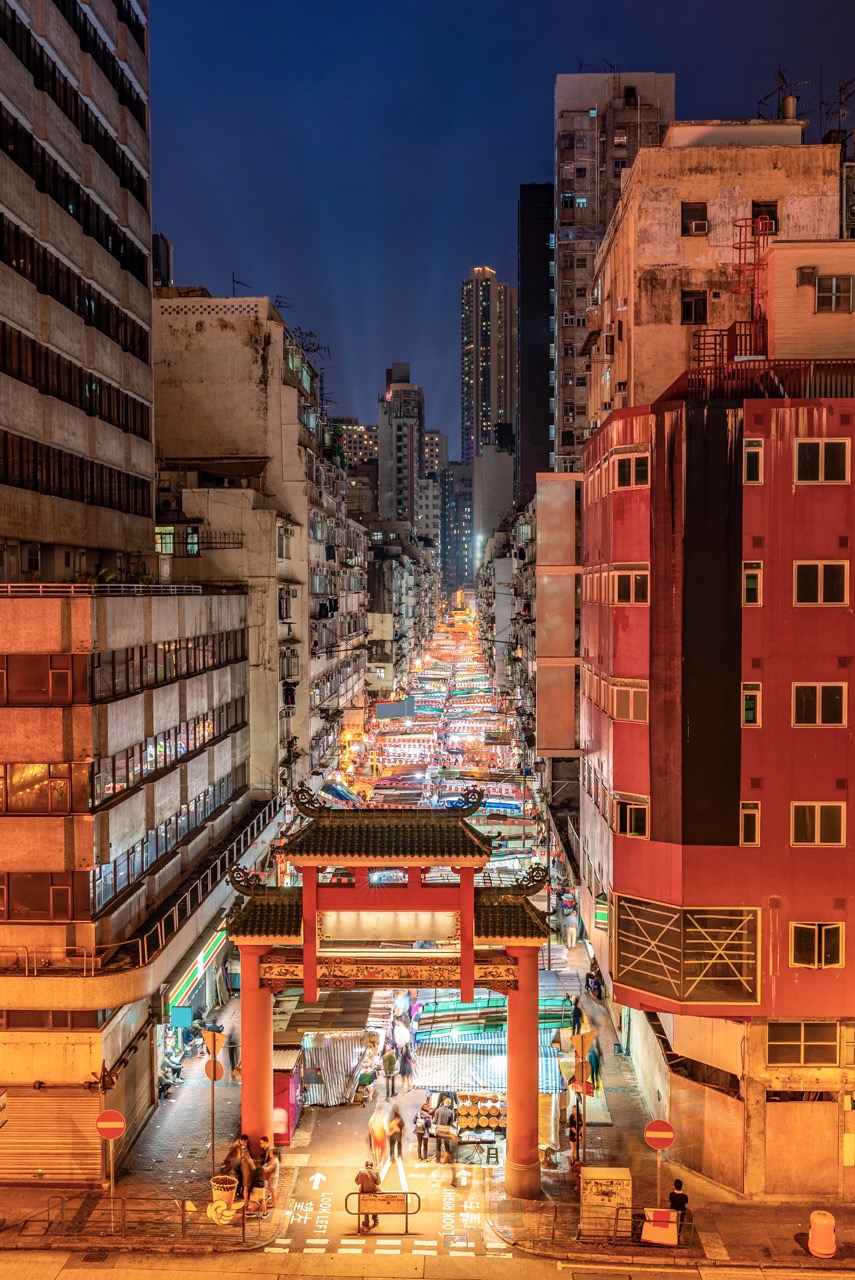
Hong Kong also has a lot to offer in terms of cuisine: If you wander through the city's many different districts, the spicy aroma of ginger, soy sauce and fried tofu is often in the air, paired with a salty sea breeze. Bamboo baskets with excellent steaming dim sum - Chinese dumplings filled with fish, meat or vegetables that touch the heart (the meaning of the term) - can be found in abundance on Hong Kong's streets. People with their plastic bowls crowd around the sizzling cookshops from early in the morning until late at night.
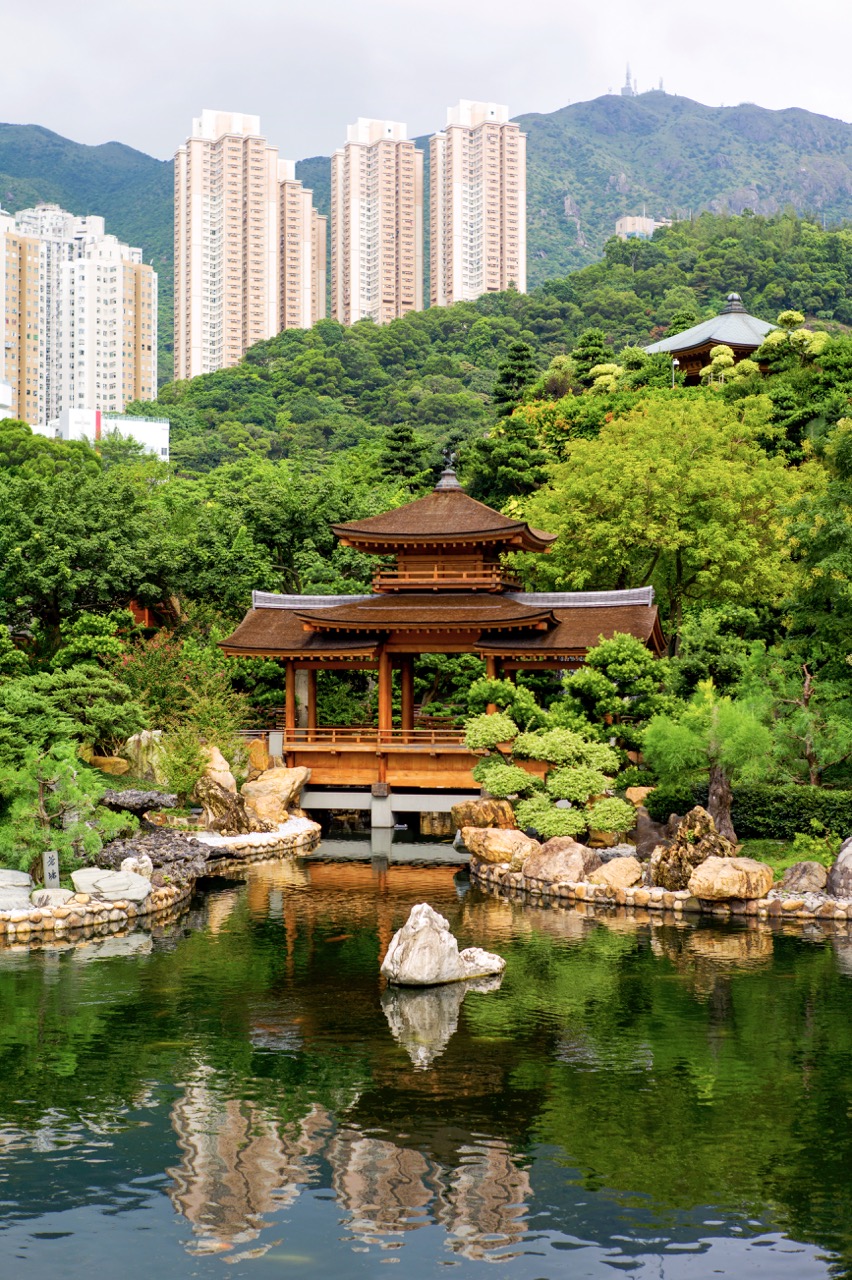
If this street food is too urban for you, Chan Yan Tak serves three-star quality dim sum for lunch at Lung King Heen restaurant at Four Seasons. Hong Kong is very good at both fast food and fine dining. You don't have to go far to escape the noisy hustle and bustle of the city: 70 percent of Hong Kong is made up of national parks. Even within the city, there are always oases of peace. Hong Kong's most beautiful park, Nan Lian Garden, is located in the Wong Tai Sin District. Koi swim in ponds under pine trees, while monks stroll barefoot through the tranquil greenery.
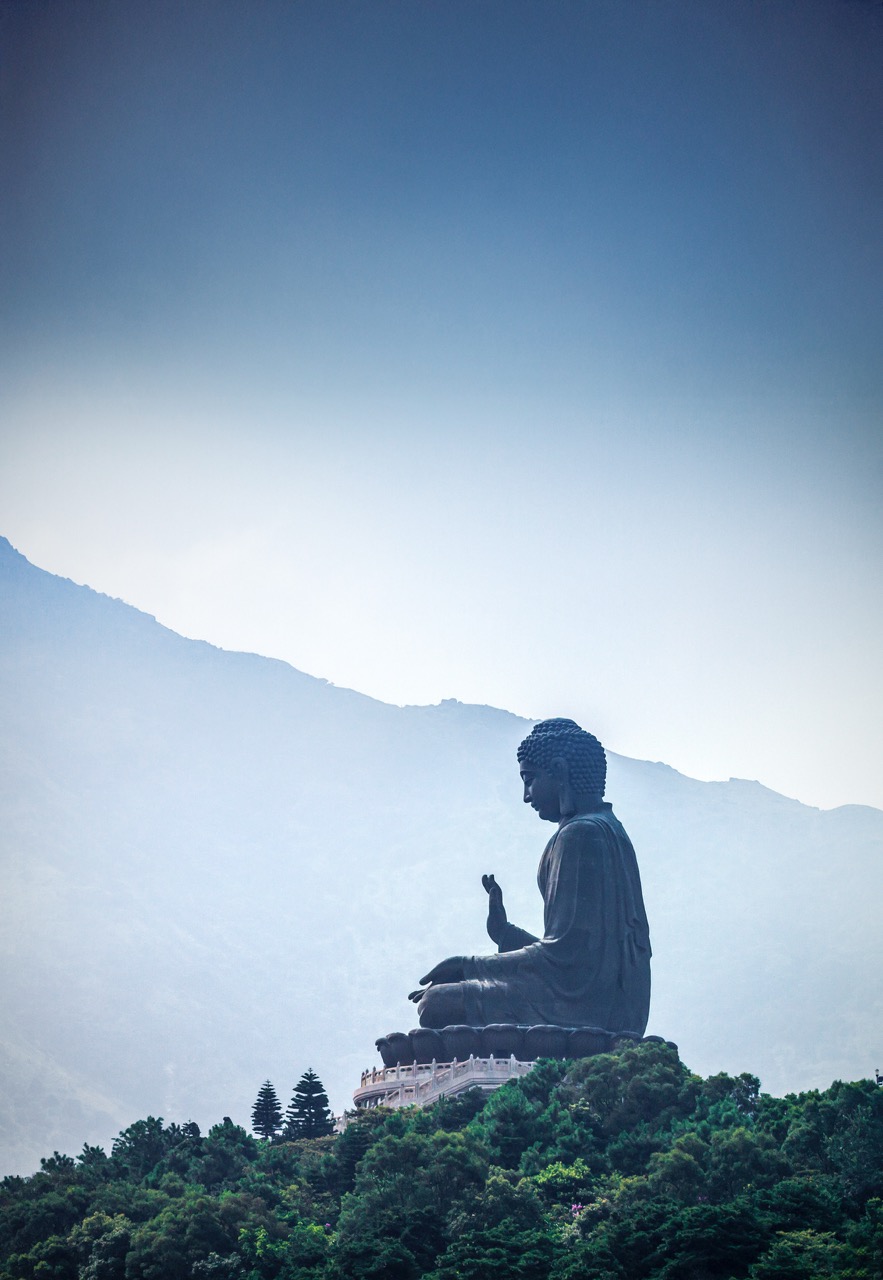
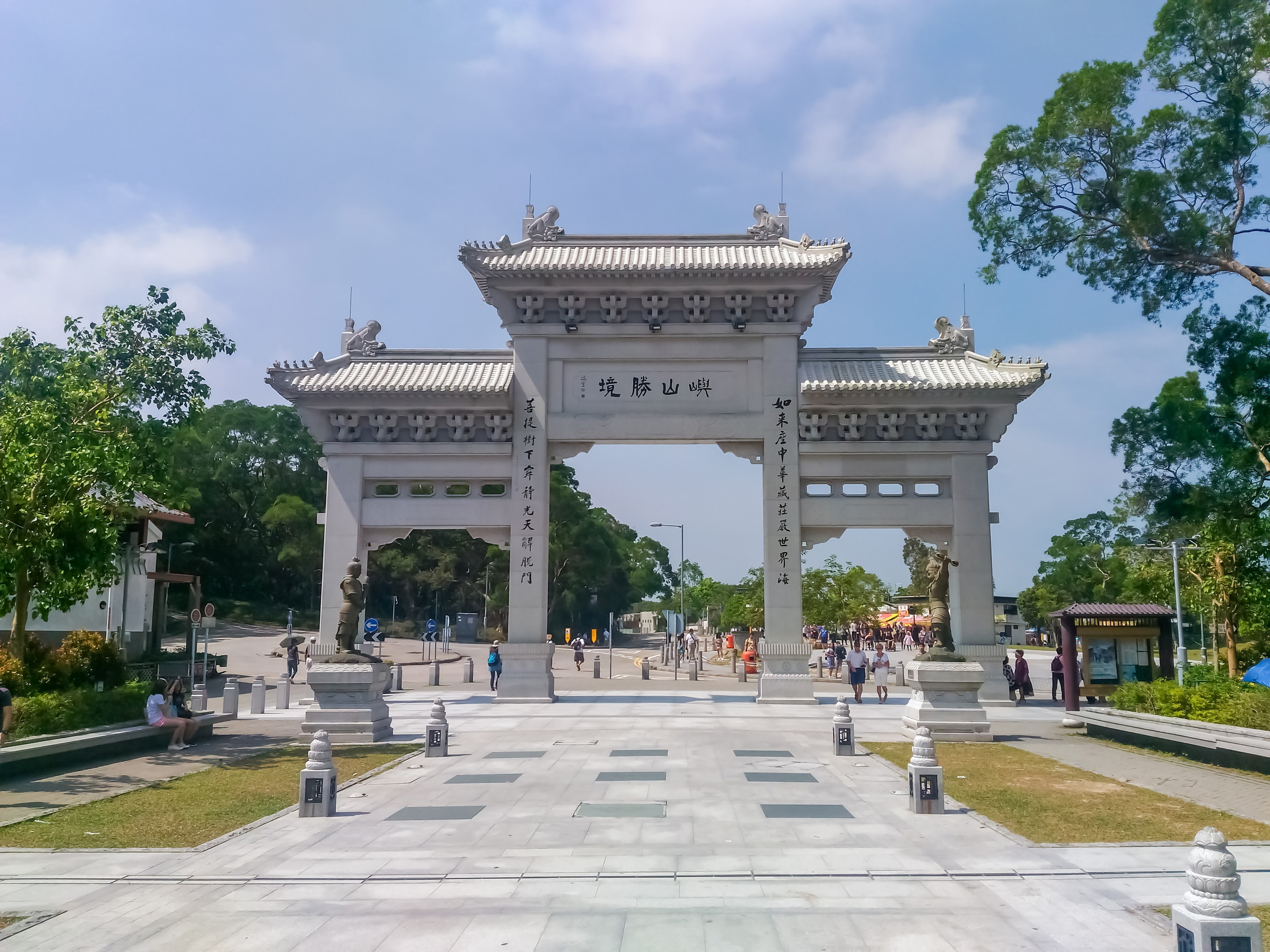
Right nearby, you can explore the Chi Lin Nunnery, a Buddhist temple complex designed to symbolize harmony between humans and nature. It was built entirely from cypress wood without using a single nail. At eye level, this vision is still clearly conveyed—but as your gaze drifts upward, modernity takes over again in the form of the surrounding high-rises. On Lantau Island, known as the green lung of Hong Kong, the Po Lin Monastery and the monumental Tian Tan Buddha await discovery—often shrouded in mist, as if time had stood still and the world had forgotten its restless pace.
“Hong Kong has gone through many challenges—and not just in the past ten years,” says Groll. “But the city has always emerged stronger, and I can’t think of another place that holds the same kind of appeal for people. Hong Kong is still every bit as spectacular and dynamic as I remember it from my very first visit in 2008!”