Ube: The Purple Temptation from the Philippines
Ube is turning heads: the Filipino purple yam is quietly becoming a global favourite in desserts and drinks.
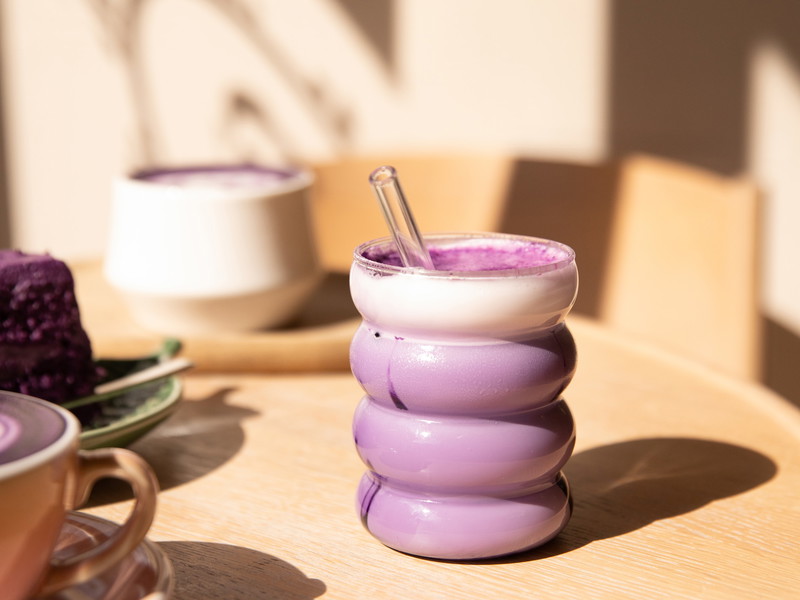
Ube, the vivid purple yam from the Philippines, is gaining ground far beyond its place of origin. With its naturally striking color and mild, slightly nutty sweetness—often compared to vanilla—it is increasingly appearing in cafés, bakeries, and dessert menus across Europe. What has long been a staple in Filipino kitchens is now finding a place in a global food culture shaped as much by visual appeal as by taste.
A Staple in Filipino Desserts
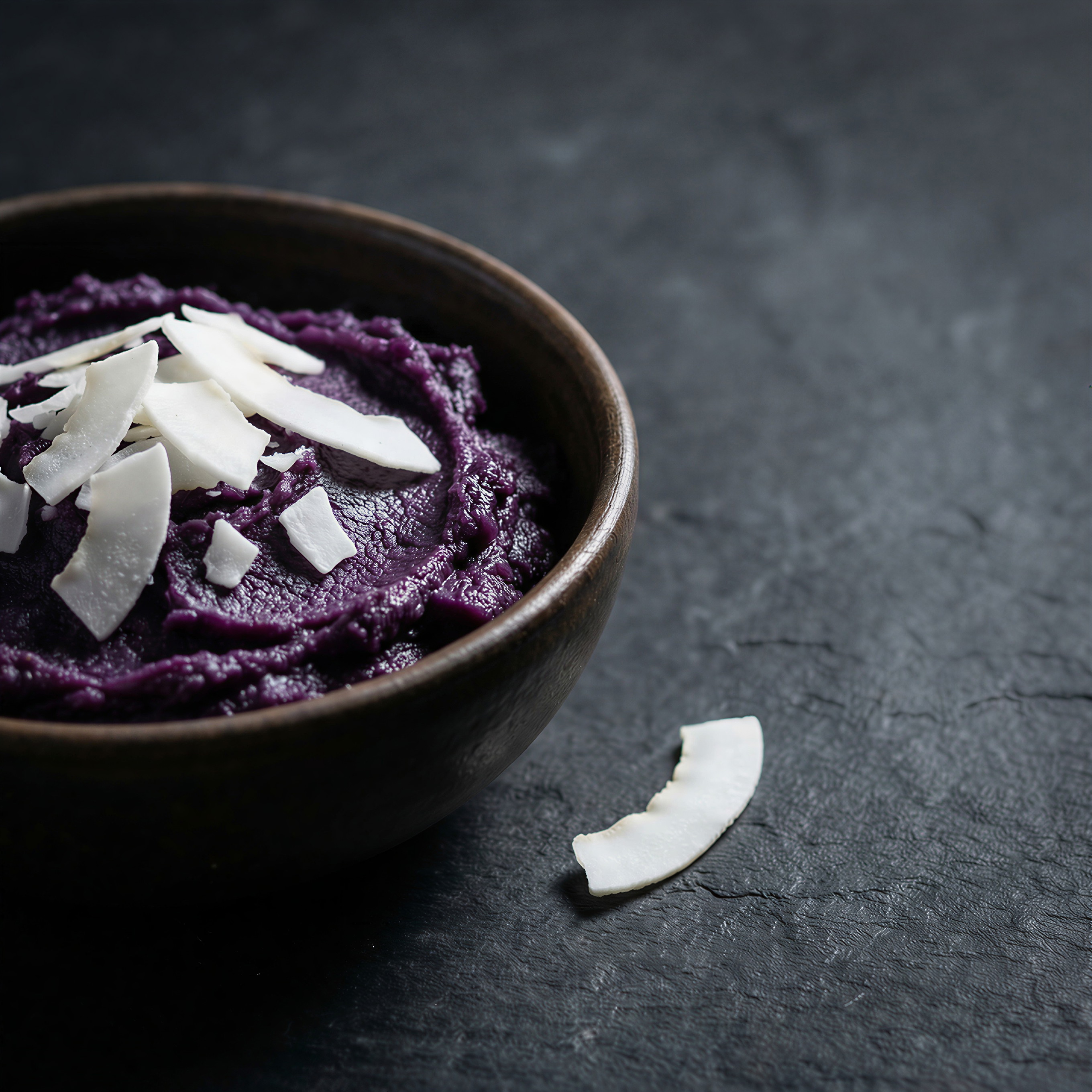
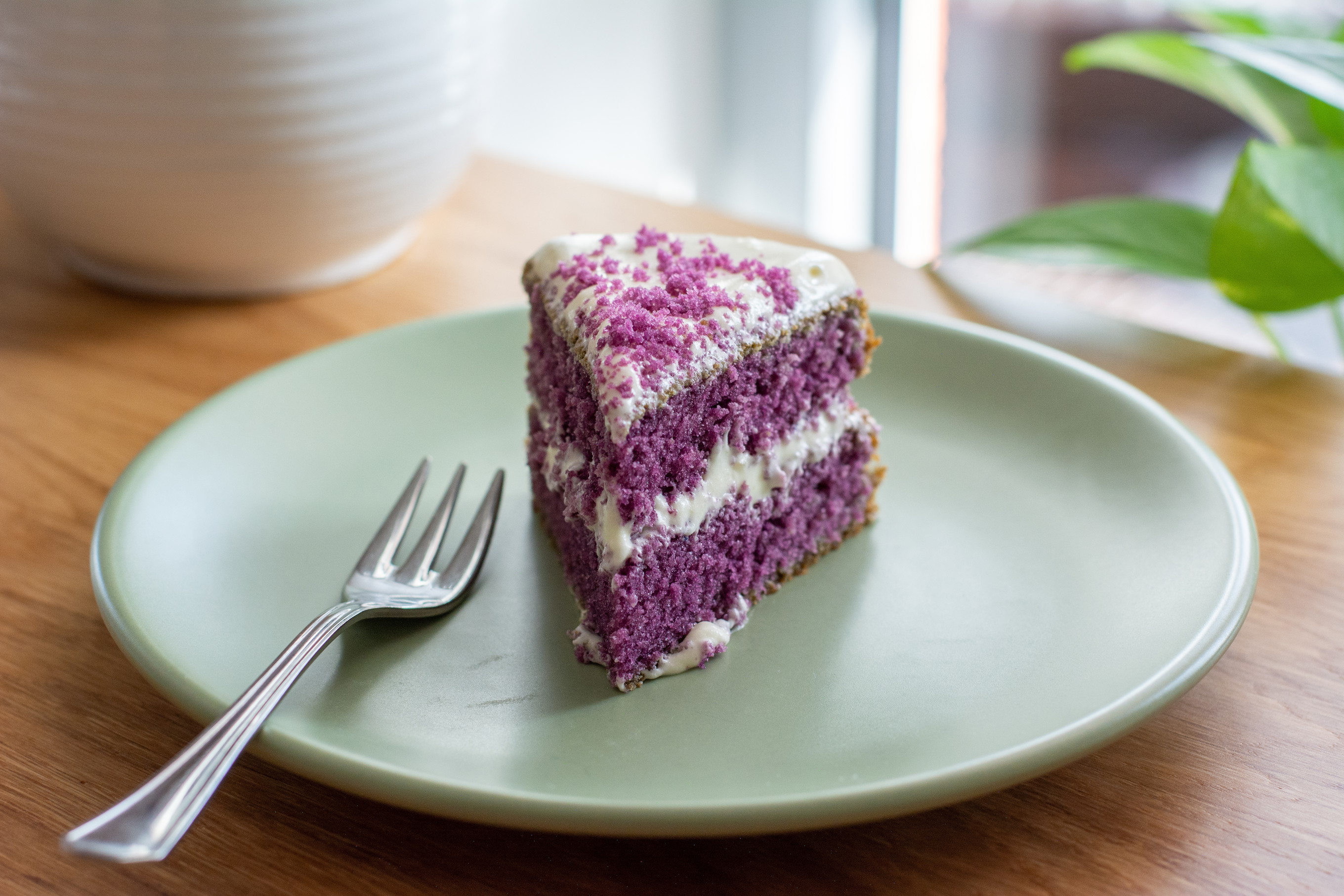
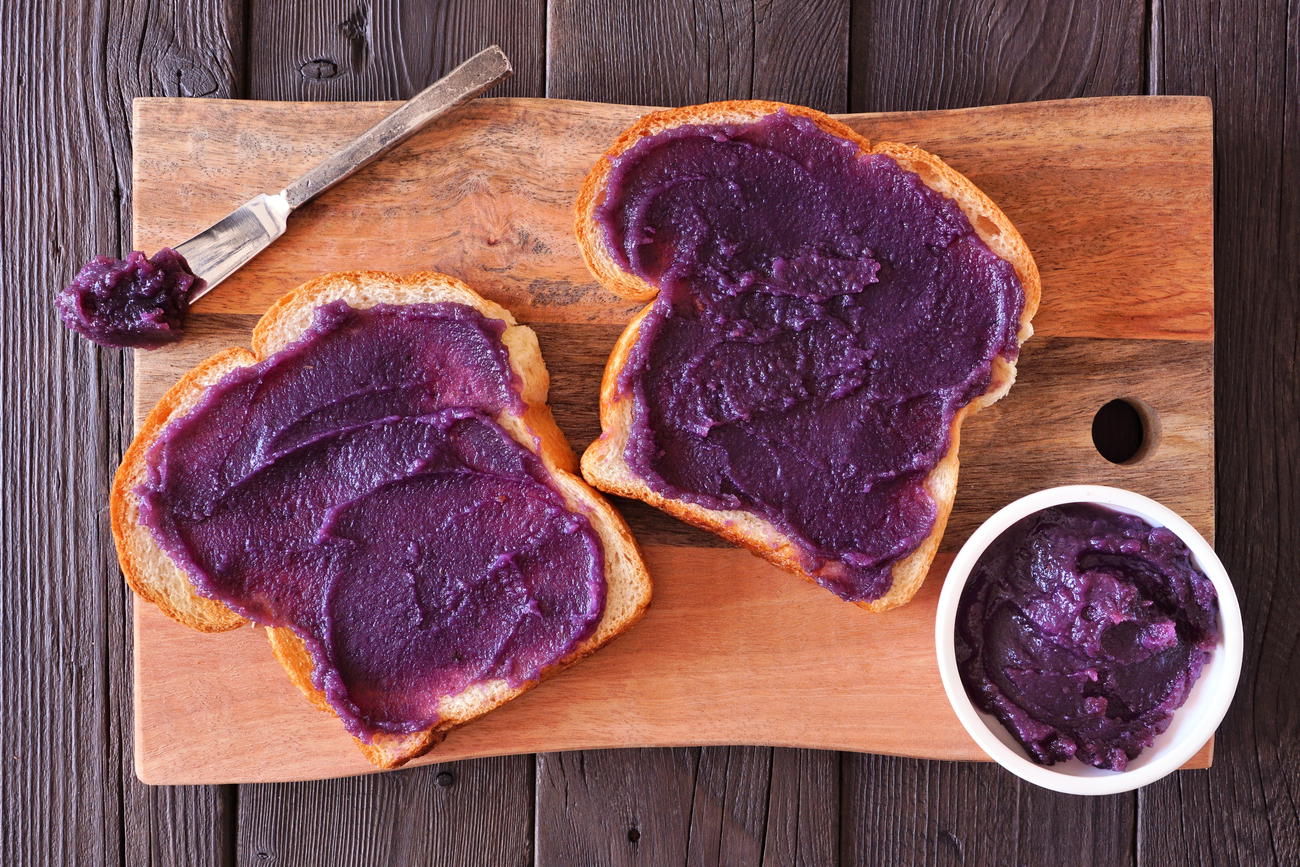
In the Philippines, ube is deeply rooted in everyday cooking as well as festive traditions. It is commonly used in cakes, ice cream, and in ube halaya, a thick, sweet spread made from cooked and mashed yam.
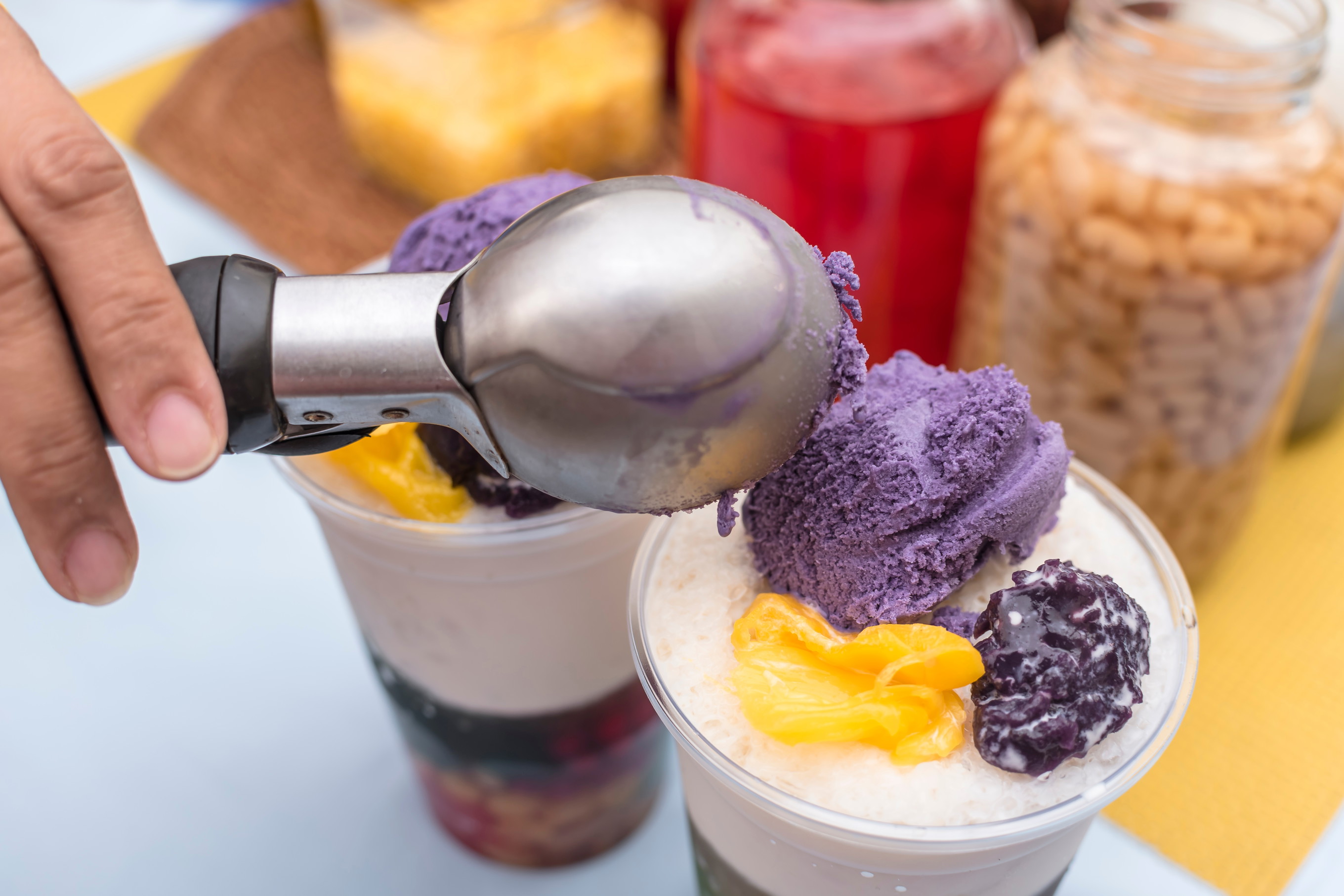
It also plays a key role in halo-halo, a popular layered dessert where ube adds both color and a creamy texture. Beyond its flavor, the ingredient carries cultural significance and is closely tied to family recipes and celebrations.

Expanding Beyond Tradition
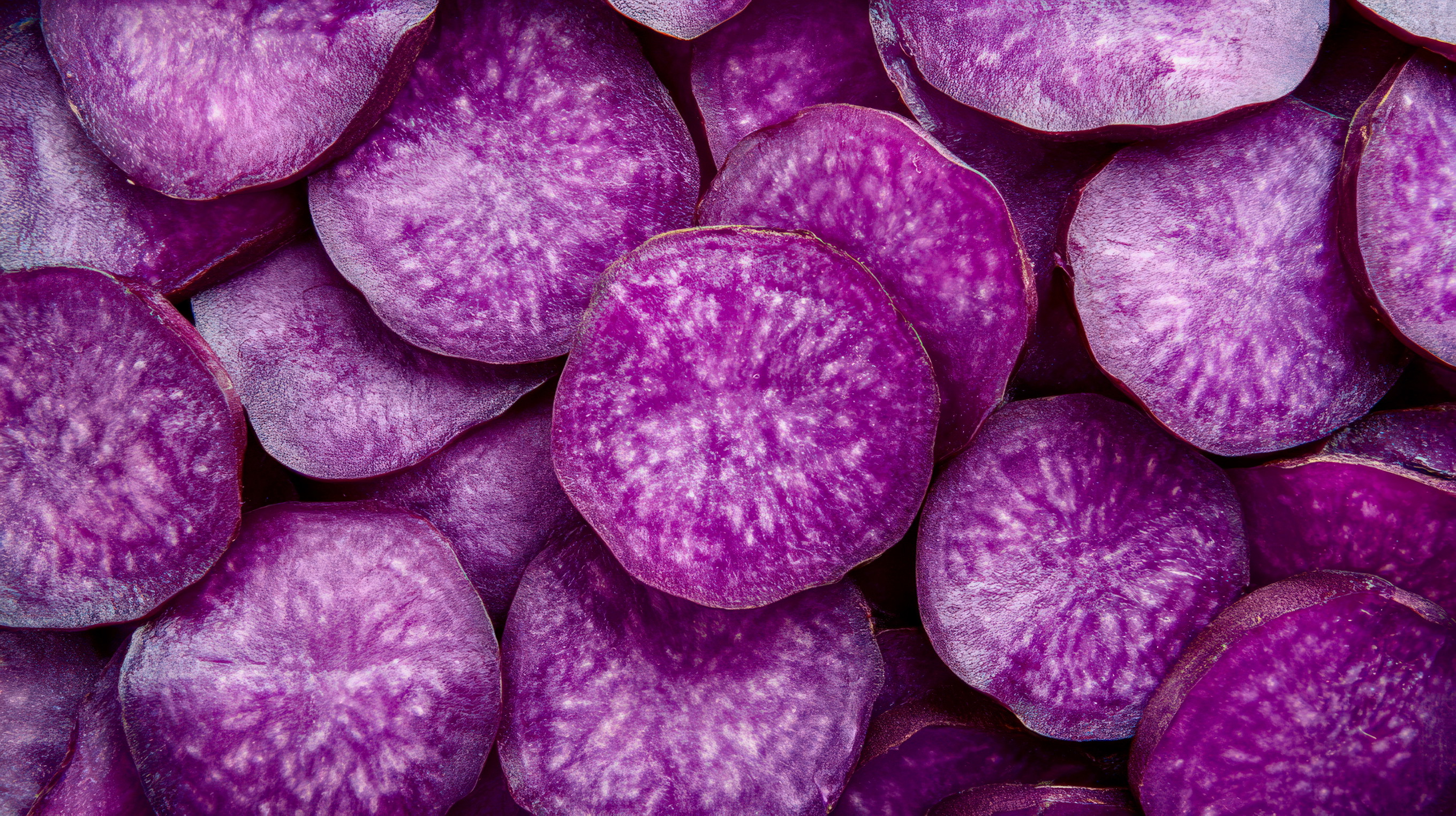
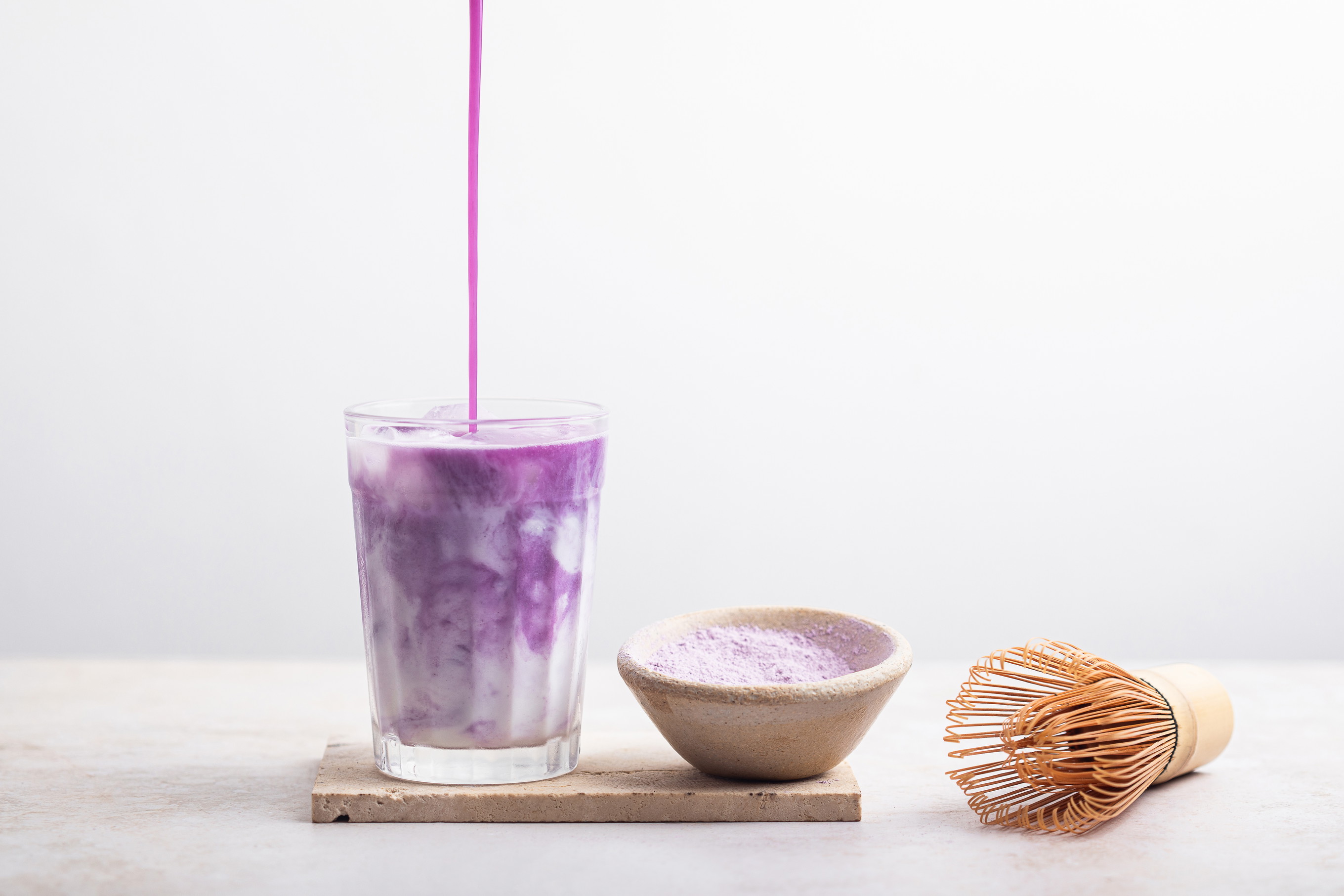
Ube’s appeal lies in its versatility. Raw, it is firm and starchy; once cooked, it becomes soft and creamy; puréed, it develops a smooth, almost velvety texture. Today, its use extends well beyond traditional desserts. Ube is increasingly incorporated into lattes, smoothies, baked goods, and modern patisserie. Its distinct color and balanced flavor make it particularly attractive for contemporary menus.
Alongside its visual appeal, ube also offers nutritional value. It is low in fat and provides carbohydrates, fiber, and small amounts of protein, as well as vitamin C and potassium. Its intense purple hue comes from anthocyanins—natural compounds also found in blueberries and red cabbage—often associated with antioxidant properties.
From Local Staple to Global Demand
As international interest grows, ube is following a familiar path: from regional ingredient to global trend. Its rising popularity is increasing demand, while fresh ube remains difficult to source outside Southeast Asia. As a result, most markets rely on processed forms such as powder, paste, or extract, which retain both its color and characteristic flavor.
Ube’s growing presence highlights a broader shift in global gastronomy—where traditional ingredients are rediscovered, adapted, and reintroduced to new audiences. In this case, in a distinctly vibrant shade of purple.