In the early 2000s, a group of Nordic chefs began to question the foundations of fine dining—an approach that would soon find global attention through Copenhagen’s most influential kitchen.
Local Became Luxury
New Nordic turned limitation into language. No citrus, no olive oil—just what grows, swims, or ferments within reach. What once read as restriction became a new kind of refinement. Restaurants like Maaemo in Oslo, Grön in Helsinki, or KOKS in the Faroe Islands showed how deeply a kitchen could root itself in its surroundings — each in a radically different way.—each in a radically different way. Kitchens across the world followed, trading global uniformity for a sense of place.
Less on the Plate, More Behind It
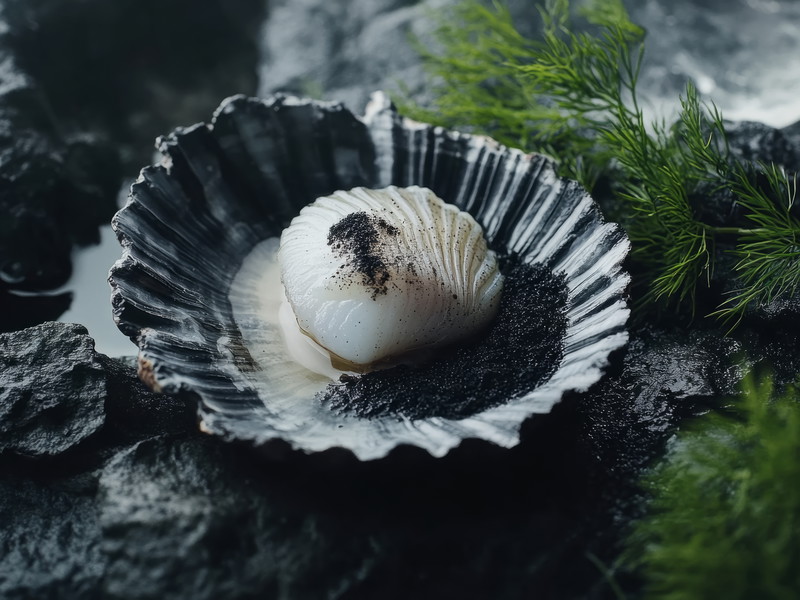
The visual code changed quickly. Plates became quieter, more precise. Fewer components, sharper intent. Techniques like fermentation, curing, and drying moved to the forefront—not as trends, but as tools to deepen flavor and extend seasons. At venues such as KOKS in the Faroe Islands or RE-NAA in Stavanger, this approach translated into menus that feel both elemental and highly refined.
A Different Kind of Status
With it came a new hierarchy. Provenance replaced prestige. Producers gained visibility. Sustainability shifted from narrative to baseline. The value of a dish was no longer measured by rarity alone, but by thought, sourcing, and restraint.
The Aftermath
Two decades on, the strict rules have loosened. Global ingredients have reappeared, influences blend more freely. But the core idea holds: cook where you are, understand your environment, waste less.
New Nordic didn’t impose a style. It introduced a mindset—one that continues to shape fine dining, quietly and globally.