Skip to content
© Better Bread

How Gluten-Free Baking Became a Movement? Inside Better Bread in Riga

Latvia
Nordics
Bakery
Gluten-free

Gluten-free baking has moved far beyond its origins as a dietary necessity. What was once a niche category defined by restriction has evolved into a broader culinary movement shaped by a renewed focus on texture and flavour. In Riga, Better Bread reflects this shift — treating gluten-free baking not as substitution, but as its own evolving language of bread, fermentation, and intention.

Not long ago, gluten-free baking lived on the margins — a functional response to dietary restriction rather than a pursuit of pleasure. Today, the narrative has shifted. What began as a necessity for those with celiac disease has grown into a global movement, redefining how we think about flour, fermentation, and flavour. Across Europe, and increasingly in the Baltics, gluten-free is no longer about absence. It is about intention.

The numbers reflect this transformation. The gluten-free market has expanded steadily over the past decade, driven not only by medical needs but by a broader cultural pivot toward wellness, transparency, and ingredient-driven cooking. Consumers are no longer satisfied with substitutes — they are looking for products that stand on their own merit. Texture, depth, and nutritional value are now expected, not negotiated.

At the heart of this shift is a quiet but important change in mindset: gluten-free baking is no longer trying to imitate wheat-based traditions. Instead, it is building its own language. Alternative flours — buckwheat, quinoa, almond, oat — are not replacements but foundations. Fermentation, long overlooked in industrial baking, is being rediscovered as both a technical tool and a source of flavour. The result is a category that feels less like compromise and more like evolution.

A Small Bakery, A Larger Idea

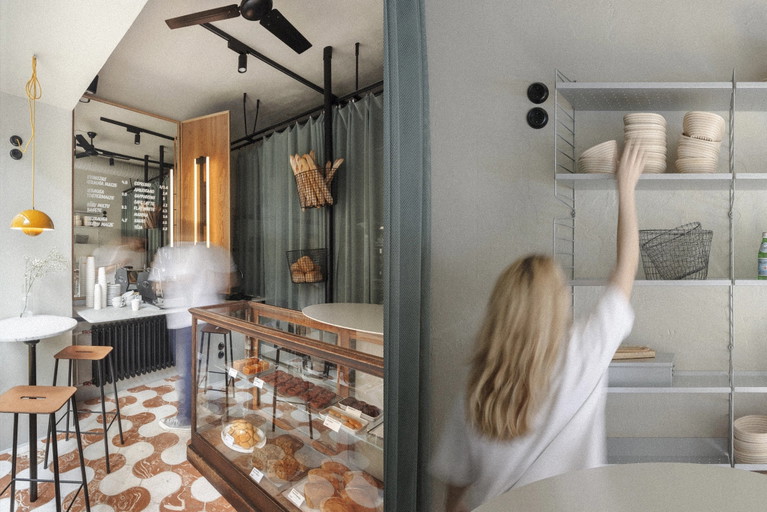
In Riga, this evolution takes a particularly tangible form at Better Bread — a compact, open-space bakery that has quietly built a reputation as one of the city’s most thoughtful food projects.

Founded by Sergei and Alena, the bakery grew out of a simple but demanding premise: that gluten-free products should not feel secondary. Bread is produced daily, starting in the early hours of the morning, with a focus on freshness that borders on ritual. But what defines Better Bread is not just discipline — it is philosophy. The team works with carefully selected ingredients, avoids additives, and follows principles that align with both digestive sensitivity and a broader idea of balance in eating.

Better Bread Bakery in Riga
© Better Bread
Better Bread Bakery in Riga

Returning to Fermentation

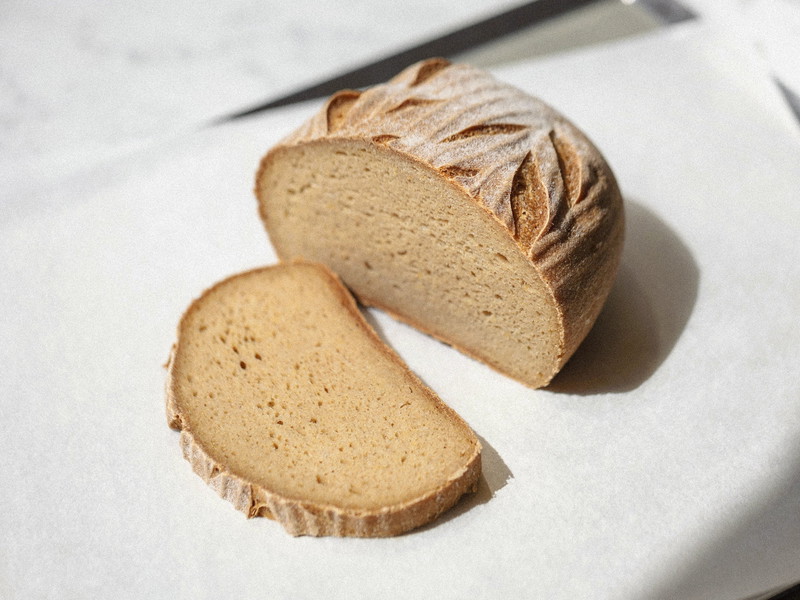
One of the bakery’s defining features is its reliance on natural leaven — a technique that predates commercial yeast by centuries. In many ways, this is where gluten-free baking finds unexpected depth. Fermentation introduces complexity, improves texture, and extends shelf life, all without artificial intervention.

At Better Bread, the leaven is treated almost as a living archive. Fed, maintained, and adapted over time, it becomes a foundation for breads that feel structured yet light — something that gluten-free baking has historically struggled to achieve. The inclusion of flours such as quinoa, buckwheat, and corn adds both nutritional value and a layered flavour profile that moves beyond the neutral tones of conventional bread.

Beyond Restriction

The rise of gluten-free baking is often framed through health, but its appeal now extends further. For many, it represents a shift toward less processed food, shorter ingredient lists, and a closer connection to what is being consumed. It is not uncommon to find gluten-free bakeries leading conversations around sustainability, sourcing, and waste reduction — areas that increasingly define modern gastronomy.

Better Bread’s production remains small-scale and hands-on, with each stage of baking visible and intentional. Customers are not just buying bread; they are engaging with a process. That transparency builds trust — something particularly important in a category where expectations have historically been low.

A Changing Expectation

Perhaps the clearest sign of change is this: gluten-free bakeries are no longer visited only out of necessity. They are destinations. Places where people go not because they have to, but because they want to.

In Riga, Better Bread has become one of those places. Its pastries, breads, and small savoury items draw a wide audience — from those with dietary restrictions to those simply curious about a different way of baking. The appeal lies in consistency as much as creativity: products that feel considered, flavours that hold up, and an experience that does not ask for compromise.

Gluten-free baking is still evolving, but its direction is clear. It is moving away from imitation and toward identity — shaped by ingredients, technique, and a growing understanding that “alternative” does not mean inferior.

Ugnė Vedeikaitė
Author
Find out more
1 / 12