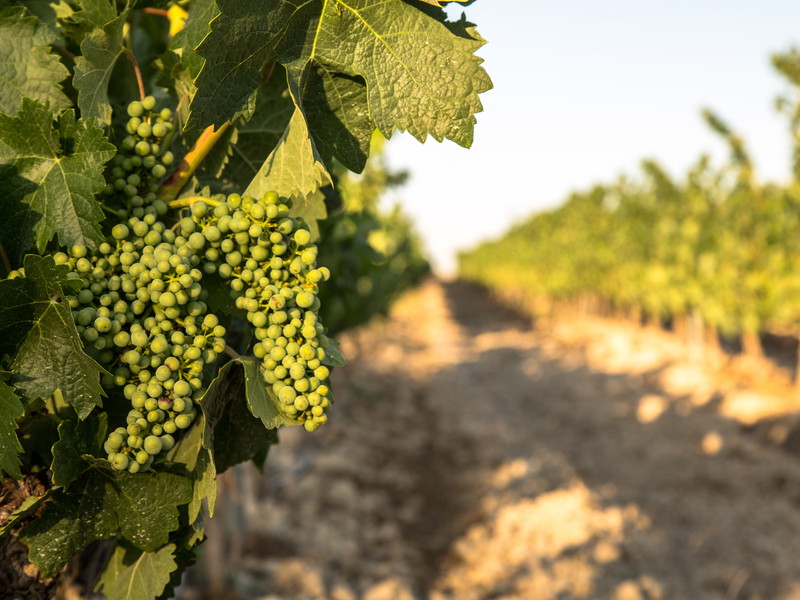
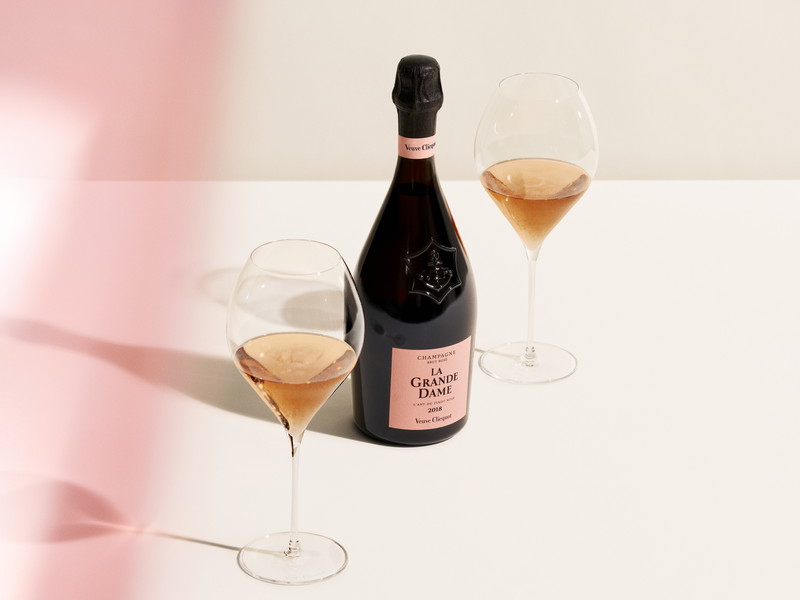
There are two exactly opposite hypotheses about the Tibouren grape variety as far as its origins and provenance are concerned. In France, the theory is that the variety was introduced from Liguria in the late 18th century by a captain named Antiboul in St. Tropez, from where it then spread towards Provence. The name Tibouren was derived from or modified from the name of the captain. In Italy, on the other hand, it is assumed that the Tibouren was imported from France to Liguria, where it was henceforth called Rossese di Ventimiglia. To this day it is completely unclear which of the two variants applies and whether the variety was first called Tibouren or Rossese. The variety sprouts quite early and matures after a medium-long period. It needs a rather strict, short form of training, but it sometimes suffers from drying out of the stems and is susceptible to mites. Otherwise it is resistant to many vine diseases. In France, Tibouren plays a major role in the vineyards near St. Tropez and in Provence, where it is often blended with Mourvèdre, Grenache or Cinsault to make the famous rosé wine of Provence. Blended with Syrah and Grenache, the Tibouren also produces strong and storable red wines. Another location that is still important today are the vineyards in Liguria along the coast. Under the name Rossese, it is often processed here as a pure variety into rosé wines and red wines. No further plantings are known.
This grape variety is also known by the name of:
Rossese di Dolceacqua, Tibouren noir