Skip to content
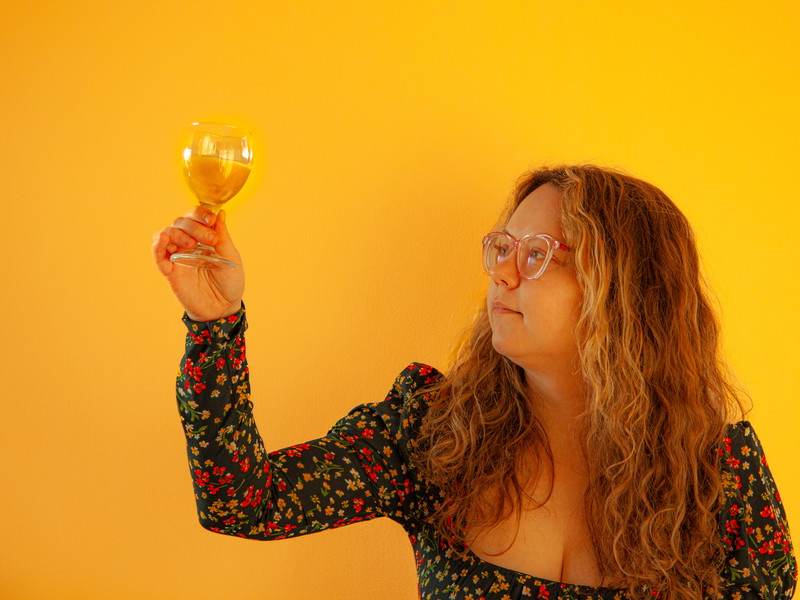
© Rasa Nabazaite / Press

A Conversation with Rasa Nabazaite, the First Honey Sommelier in the Baltics

Honey

Rasa Nabazaite, the first honey sommelier in the Baltics, is changing how we taste and think about honey—from bitterness and umami to ecology, terroir, and gastronomy. In the latest interview, she tells us why honey deserves a place at the table, not just in your tea.

Honey is one of humanity’s oldest foods, yet in modern kitchens it is often reduced to a spoonful stirred into tea or a nostalgic remedy for colds. Rasa Nabazaite, the first certified honey sommelier in Lithuania and the Baltics, is working to change that perception. Trained in honey sensory analysis and gastronomy, she approaches honey not only as an ingredient, but as a lens through which to understand ecology, culture, and flavor.  

In this interview, Nabazaitė explains what it means to taste honey professionally, why bitterness and umami belong in the honey vocabulary, and how a single spoonful can reveal an entire world of stories. 

Falstaff: Honey sommelier is still an unfamiliar title for many. How would you explain your work in one sentence to someone encountering it for the first time? 

Rasa Nabazaite: A honey sommelier is a specialist trained to evaluate the sensory characteristics of honeyvisual, olfactory, gustatory, and texturaland to use these to assess its quality and botanical origin, meaning the plants from which the honey was collected. 

That said, my own work goes far beyond that definition. For me, honey is not just a topic, but a medium for talking about the highs and lows of our food system. I teach beekeepers how to use honey sensory analysis to communicate better with their consumers, and I educate people in the food industry about the incredible diversity of honey and its applications. 

My favorite part of the job is creating custom experiences where we explore a chosen topic through honeyfrom invasive plants to global grain cultures, from the written word to ideas of heritage and personal roots. I work with a methodology I developed called the Sense-Feel-Relate-Think-Act model, which guides participants from perception to emotion and reflection through flavor-based meaning-making. 

You often say that honey is more than something stirred into tea. At what point did you personally realize honey deserved a place at the table, not just in the pantry? 

My honey journey began at my dad’s apiary not that long ago. I also hold an MSc in Gastronomy, so I already had a broader way of looking at food. During the first season, I tasted different harvests from the same hive, and the distinctions were immediately clear to meyet I had no vocabulary to describe them. Neither did anyone else I knew. 

Searching for answers led me to Bologna, Italy, where I studied honey sensory analysis. Italy is the only country in the world with a National Register for honey sensory experts, and there are currently just over 400 members, most of them Italian. I became the first registered honey sommelier in the Baltic countries. 

My real “aha” moment came once I could name what made each honey unique. After tasting the extraordinary diversity of honeys from around the world, it became obvious that each one is suited to very specific purposes in the kitchenand beyond. 

When assessing honey, what are the first sensory cues you pay attention toaroma, texture, flavor, or color? 

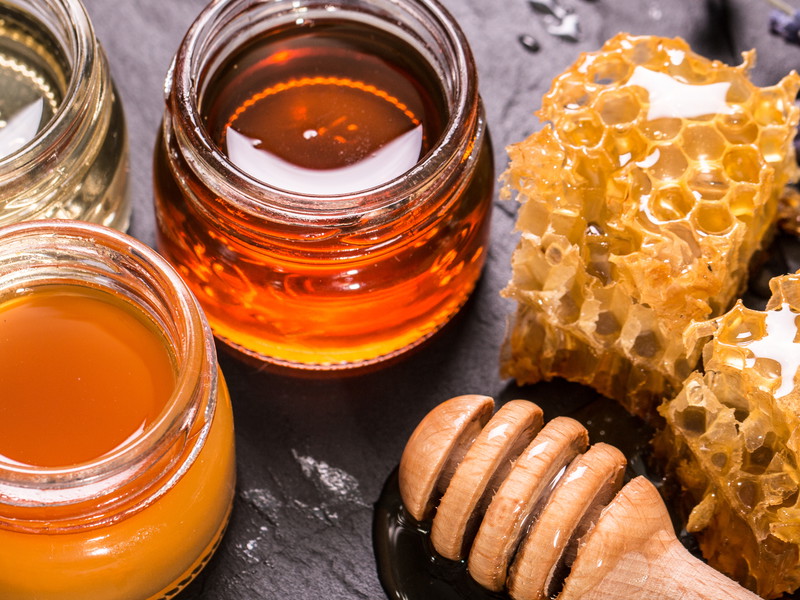
Most people choose honey visually, particularly by color, which is why it’s usually packaged in clear glass jarseven though honey would benefit far more from dark glass. Visual cues actually tell us very little. They may reveal minor defects such as poor filtration or uneven crystallisation, and sometimes hint at intensity in polyfloral honeys, but that’s about it. 

In honey sensory analysis, we focus primarily on aroma and taste. While color and texture can be influenced by the beekeeper, aroma and flavor cannot. The type of honey also matters greatly. In polyfloral honeys, we look for balance and complexity. In honeydew honeyswhich are made from plant or insect secretions rather than nectarwe seek warm notes such as dried fruit, resin, and caramel, often balanced by umami or even smoky nuances. 

With monofloral honeys, there is no concept of good or badonly accuracy. Strawberry tree honey is expected to be intensely bitter, while coriander honey often shows notes of anise and chocolate orange. Buckwheat honey, for example, is celebrated for what we call animal notesbarn or wet dogalongside chocolate, molasses, dark cherries, and gingerbread. 

Is there a particular honey variety that tends to surprise people the most during tastings? 

It’s always the honey that moves beyond pure sweetnesswhich is unfortunately how most of us have learned to perceive honey. When people taste concentrated tomato paste notes in sunflower honey, smell daffodils in Sosnowsky’s hogweed honey, or detect bacon in lanternfly honeydew, they often pause and check whether their senses are playing tricks on them. 

The reaction is usually a mix of disbelief and amazement, and it’s my absolute favorite moment. Something they once dismissed as “just honey” suddenly becomes an entire world of flavor and stories. It’s like discovering a hidden speakeasy serving the best cocktails in townone you’ve walked past your entire life because you assumed it was boring. 

Honey has a long cultural history, yet its role in modern gastronomy remains limited. Why does this disconnect still exist? 

I could write an entire essay on this. Honey suffered greatly from both the commodification and vilification of sugar. Most people still see it only through the lens of sweetness, despite our senses being far better attuned to its aromatic complexity - what Arielle Johnson beautifully calls the “flavors of ecology.” 

Historically, honey was produced in small quantities and used for medicine, religion, mead, or as a spice. When sugar became cheap and widely available, beekeeping technology also improved, allowing larger honey harvestsbut honey could never compete with sugar on price. 

Another issue lies with beekeepers themselves. Most see themselves as beekeepers rather than honey producers, and that distinction matters. Very few invest in understanding or communicating the value of their product. Until recently, there were also no intermediariesno specialists who could select honeys, tell their stories, and bring them into professional kitchens. 

Honey sensory analysis is still a young field, and the term “honey sommelier” is less than fifteen years old. There are now around forty certified professionals outside Italy, and that number is growing. I truly believe it’s only a matter of time before “single-origin honey” becomes as familiar a term as “single-origin coffee.” 

In the kitchen, where does honey work especially well? 

Counterintuitively, honey is most challenging to use in baked goods despite that being where we use it most often. Only very intense honeys with heat-resistant volatile compounds can survive prolonged exposure to high temperatures. That’s why bakeries often use so-called baker’s honey: lower-quality honey unsuitable for the retail market, offering little beyond sweetness. 

Beyond baking, everything depends on the honey’s profile and the desired outcome. Bell heather honey, for example, has a natural gel-like texture. Light spring polyflorals are excellent for fermentations and botanical extractions, much like Korean cheong techniques. Some Indian communities make curry from wild bee honeycomb, and several cuisines traditionally pair honey with blood in sausages and puddings. 

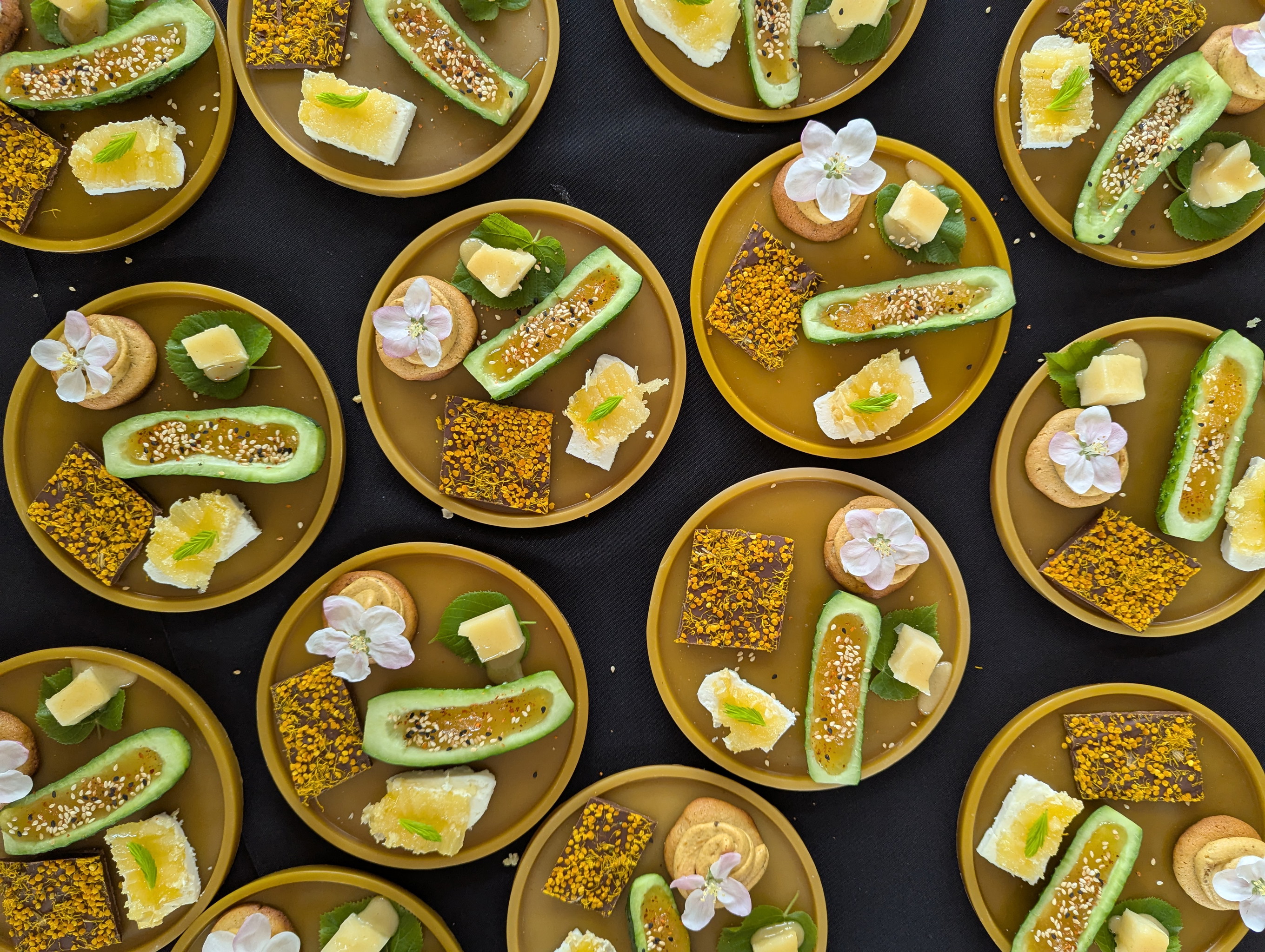
Ultimately, the possibilities are endlessbut only if you understand both the honey and the dish you’re creating. Even a simple Lithuanian pairing like fresh cucumber and honey works best when both are in seasonal peak, using a fresh summer polyfloral. 

You emphasize experience over explanation. What changes people’s attitudes faster: blind tasting, pairing, or storytelling? 

It’s always a combination of all three. Context helps people understand significance, blind tasting reveals just how much more is happening beyond sweetness, and pairing shows honey’s versatility in the kitchen.  

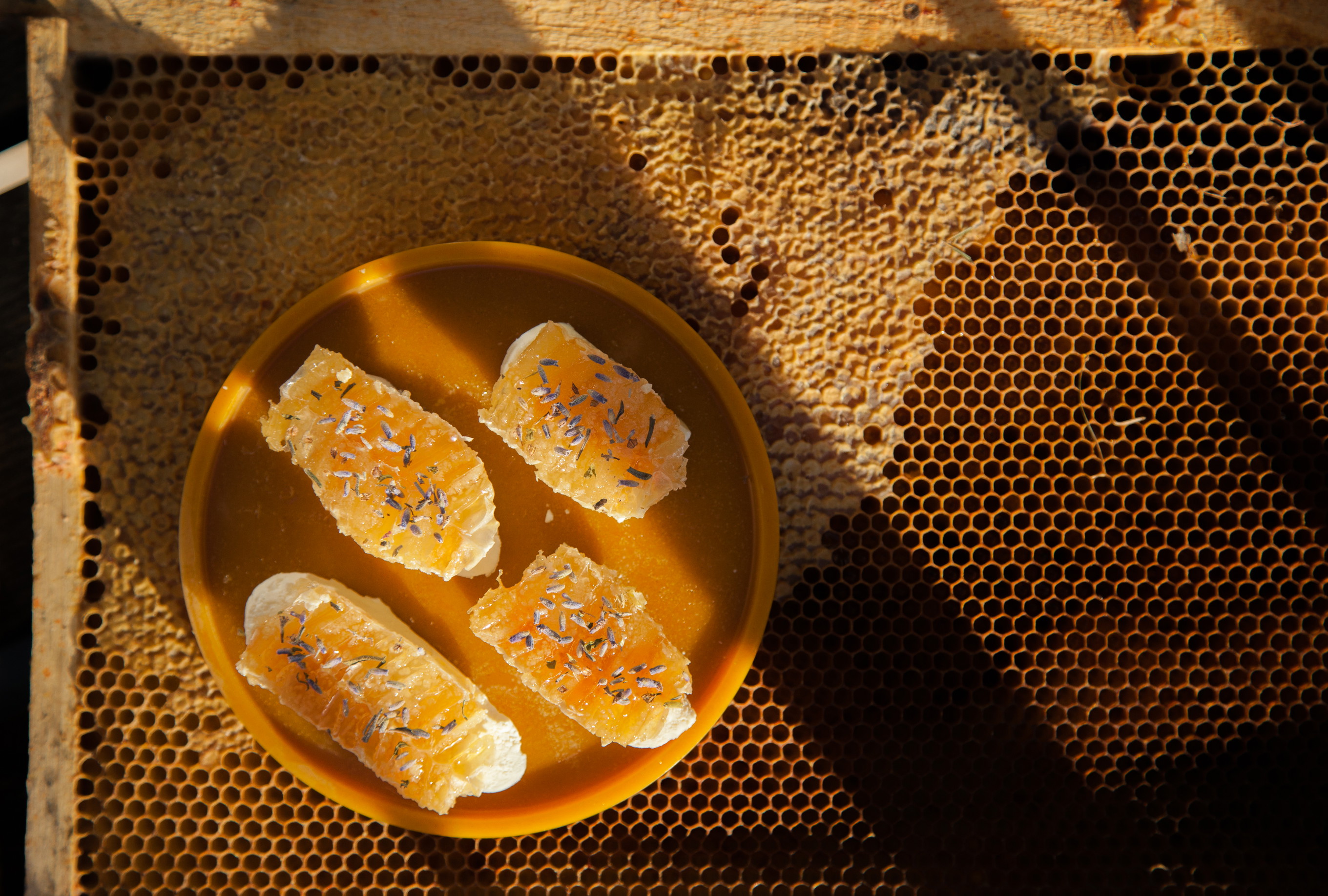
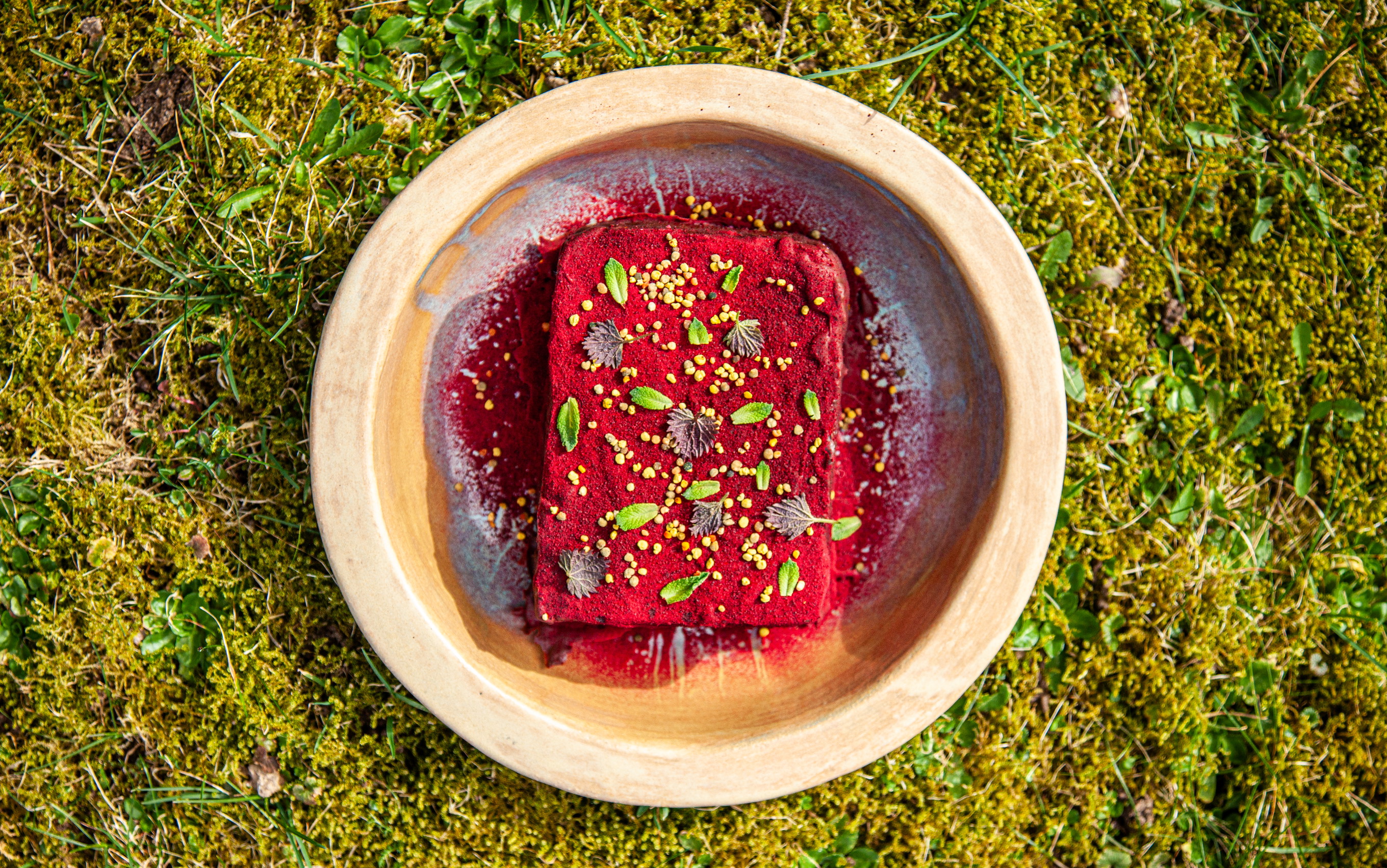
For me, the environment matters as well. I often serve tastings on beeswax plates, cups, and trays handcrafted in my dad’s apiary. I try to include seasonal wild foods, especially flowers, which are inseparable from honey. A truly great honey producer needs to be not only a beekeeper, but also an ecologist and a botanist. Without that understanding, it’s impossible to fully grasp what’s in a spoonful of honey.  

How does botanical origin influence honey’s personalityand can trained senses truly identify it? 

Botanical origin is the most important factor shaping honey’s sensory profile. While it’s most obvious in monofloral honeys, it also comes through clearly in polyflorals, where you can learn to recognize entire ecosystemswetlands, forests, meadows, mountains. 

Soil, climate, and bee species matter as well. In Europe, we mostly deal with Apis mellifera honey, but tropical stingless bees produce radically different honeyshigh in moisture, naturally fermented, and intensely acidic. Identifying these factors is possible, but at this stage it relies heavily on personal expertise. Compared to wine, the body of literature on honey is still very limited. 

Looking ahead, how would you like honey to be perceived in the Baltic region? 

I aim for progress in stages. First, I want people to move beyond sweetness and recognize honey’s complexity. Ultimately, I’d love to see honey celebrated across Europe as a true gastronomic ingredientunique, seasonal, and deeply connected to terroir. And if anyone reading this would like to learn more or collaborate, I warmly invite them to get in touch. 


Ugnė Vedeikaitė
Author
Find out more
1 / 12