Ayurveda: Why Celebrities are Turning to the Indian Art of Healing
Naomi Campbell does it, so do Julia Roberts, Matthew McConaughey, the Kardashians, and of course Gwyneth Paltrow: celebrities and influencers alike swear by the healing power of Ayurveda, the ancient Indian art of wellness. But how exactly does this “science of life” work—and can it be incorporated into a vacation?
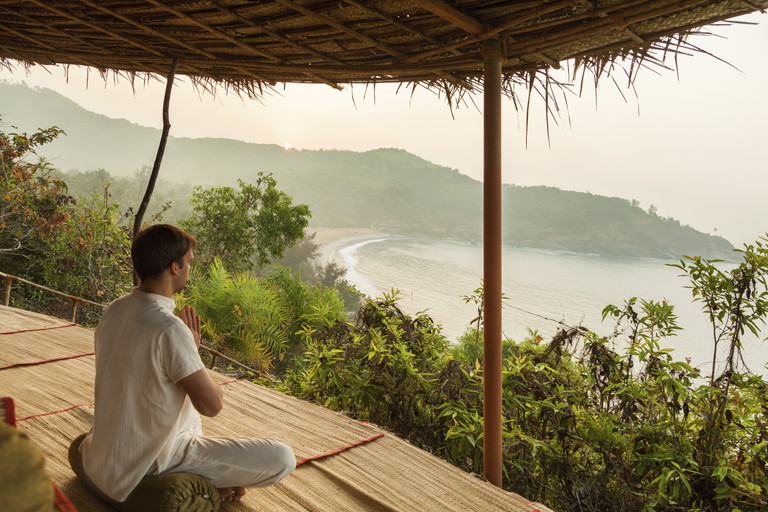
CGH Earth SwaSwara Resort is nestled in a palm grove above Om Beach, one of the most enchanting beaches in India. Here, vacationers from all over the world come together: Rosmarie from Austria, Gerda from Sweden, Khalid from Qatar, William from the USA - and many others.
But what awaits them here has little to do with the typical idea of relaxation: instead of cocktails by the pool or relaxing walks on the beach, guests' stay is determined by a strict daily schedule of intensive treatments. Sweat baths, enemas and individually tailored cures with herbal preparations are an integral part of a program that is world-famous: Ayurveda. The purpose of Indian health teaching is to keep its followers in the best possible physical and mental condition into old age. The SwaSwara Resort is one of the leading addresses specializing in this ambitious goal.
Medicine as a lifestyle
More than 5,000 years ago, people in India began exploring the “knowledge (ayus) of life (veda)”—Ayurveda. The principles of this holistic healing art were first recorded in the Vedas, the oldest sacred texts of Hinduism, around 1,500 BCE.
About 500 years later, scholars began writing the first medical textbooks on Ayurveda. While it was used to treat illnesses, Ayurveda was much more than a healing method—it was a comprehensive lifestyle deeply rooted in early Indian culture.
It wasn’t until much later that Ayurveda spread around the world, during the British colonization of India. Alongside cotton, jute, tea, and grain, the British also took an interest in India’s traditional healing practices. This is how Ayurveda made its way to Europe, where it gained popularity in the 1970s as part of the New Age movement and a growing interest in spirituality.
By then, Ayurveda was already fully institutionalized in India, with the ancient knowledge being systematically passed on in organized centers. One outstanding example is the oldest still-operating Ayurvedic clinic in the southwestern state of Kerala. Founded in 1902, the clinic remains a leading institution for patient care and the production of Ayurvedic remedies. It has played a major role in establishing Ayurveda as a respected system of medicine worldwide.
Ayurveda sees people as a unity of body, mind and soul and regards them as a reflection of the universe - a microcosm within the macrocosm.
State recognized
Unlike in the West, Ayurveda is not part of the wellness sector in India, but is regarded as an important branch of medicine. Anyone wishing to practice in this field must complete a five-and-a-half-year training course at one of the 250 or so state-run chairs, such as Dr. Varun Firoz from the CGH Earth SwaSwara Resort in Gokarna. He continued the family tradition with his studies and is now the fourth generation to practise Ayurveda.
The difference between the SwaSwara Resort and a conventional clinic is that the focus is on prevention rather than curing illnesses, explains the Ayurveda doctor.
Every stay begins with comprehensive diagnostics. "First, the patient's external condition is examined," says Firoz - skin condition, eyes, tongue, nails and posture. In addition, the doctor feels the pulse to detect an imbalance of the doshas; the temperature is measured and the abdomen is examined. He also questions the patients in detail.
Based on these results, the experienced doctor then draws up an individual treatment plan that is tailored to the personal constitution and the specific imbalance. It consists of recommendations on meditation and relaxation, massages, nutrition and medicinal herbs. There are no universal methods in traditional Ayurveda - a deep understanding of individual needs is one of the central pillars of this teaching.
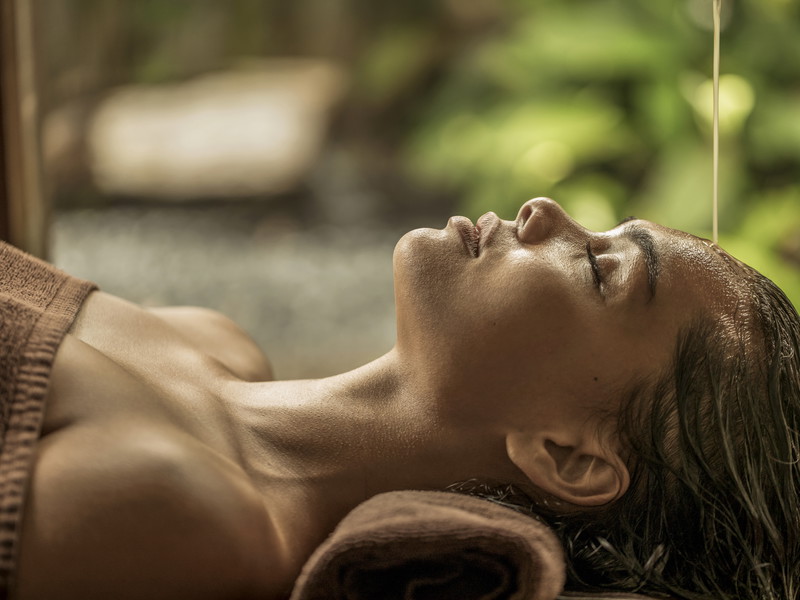
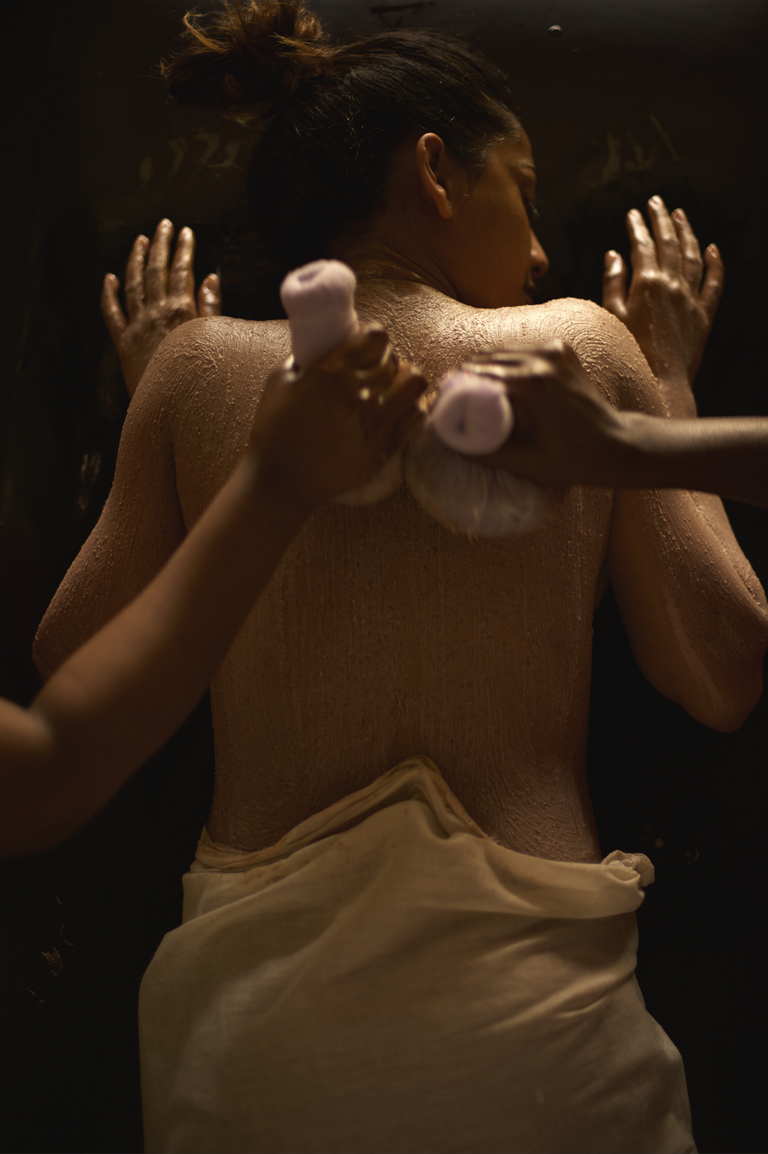
Targeted massage techniques literally knead metabolic residues out of the body.
Panchakarma as the supreme discipline
One of the most well-known aspects of Ayurveda is the Panchakarma cure—a comprehensive therapy designed not only to rebalance the body's doshas but also to detoxify the system. Think of it as detox, Indian style.
Panchakarma translates to five actions, and none of them resemble the typical wellness rituals we’re used to in the West. The program includes therapeutic vomiting (Vamana), purgation (Virechana), medicated enemas (Basti), nasal cleansing (Nasya), and bloodletting (Raktamokshana).
During the treatment, there’s no caffeine, no alcohol, no sex, and no indulgent meals. Food is simple, warm, freshly prepared, easy to digest, and tailored to the individual’s dosha. The reason so many people not only endure but pay for this intense process lies in its promised benefits: deep detoxification, improved metabolism and digestion, weight regulation, a stronger immune system, reduced inflammation, enhanced overall health, and relief from chronic conditions, stress, and other ailments.
The wellness secret of the stars
Stars such as Oprah Winfrey, Kate Winslet, Nicole Kidman and even crowned heads like Charles and Camilla like to come to Ananda in the Himalayas, one of the best and most luxurious Ayurveda facilities in the world. It is not only its beautiful location in a 100-year-old former maharaja's palace in the foothills of the Himalayas, surrounded by forests and with a view of the Ganges, that makes it so unique, but also the comprehensive range of treatments on offer; outstanding cuisine and modern, bright suites round off every stay.
Kourtney Kardashian and Gwyneth Paltrow are outspoken fans of Surya Spa in Santa Monica, California. They swear by the expertise of world-renowned Ayurvedic specialist Martha Soffer and appreciate her approach—at Surya Spa, located inside Santa Monica Proper Hotel, traditional Indian wisdom is thoughtfully adapted to meet the needs of modern life. In this flagship spa, designed by celebrated interior designer Kelly Wearstler, guests can experience not only Panchakarma treatments, but also cooking classes, meditation, yoga, and therapies using handmade oils.
Ayurveda conquers the world
The picturesque Como Shambhala Estate has made a name for itself in Bali. Surrounded by lush nature, you can enjoy peace and relaxation at the highest level.
Just a few hours away by plane, at Four Seasons Resort Maldives, the AyurMa awaits its guests with a team of award-winning Ayurveda experts who develop highly individualized treatment plans based on the results of the exclusive PraMa screening system.
Ayurveda tips for your home
Daily routines:
Start the morning with a glass of warm water with lemon and ginger and stick to fixed bedtimes.
Nutrition:
Enjoy freshly cooked, easily digestible meals three times a day, seasoned with Ayurvedic ingredients such as turmeric, cumin or coriander.
Exercise and relaxation:
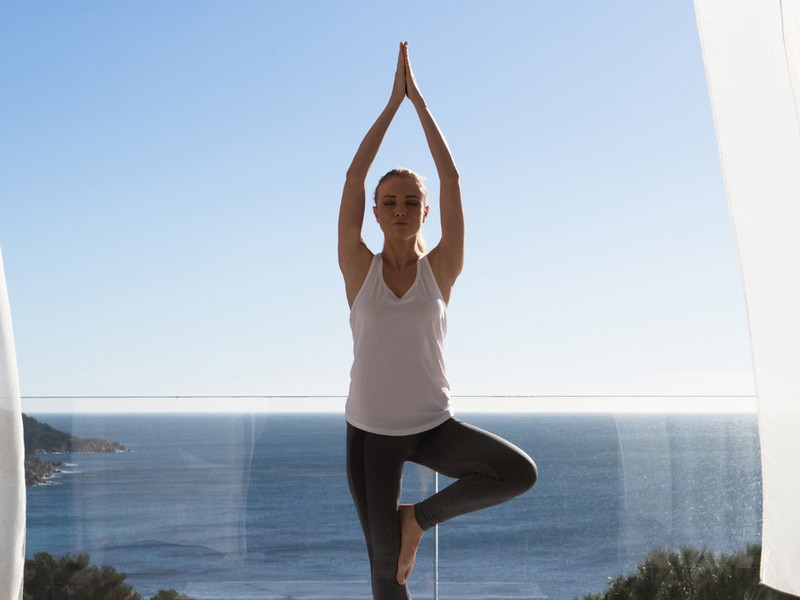
Integrate daily yoga and breathing exercises as well as meditation into your everyday life.
Regeneration:
Take occasional fasting days to relieve your metabolism.
The Barberyn Resorts are leaders in Sri Lanka. For more than 50 years, personalized service and breathtaking nature have been combined with authentic treatments. Guests appreciate the peaceful surroundings and the privacy they enjoy here. The focus of treatment is on chronic complaints, stress reduction and detox, with an emphasis on environmentally friendly tourism.
Guests also appreciate the combination of palm trees, beach, sea and Ayurveda at Kamalya Wellness Sanctuary on the Thai island of Koh Samui. They also use supplementary methods from the western world.
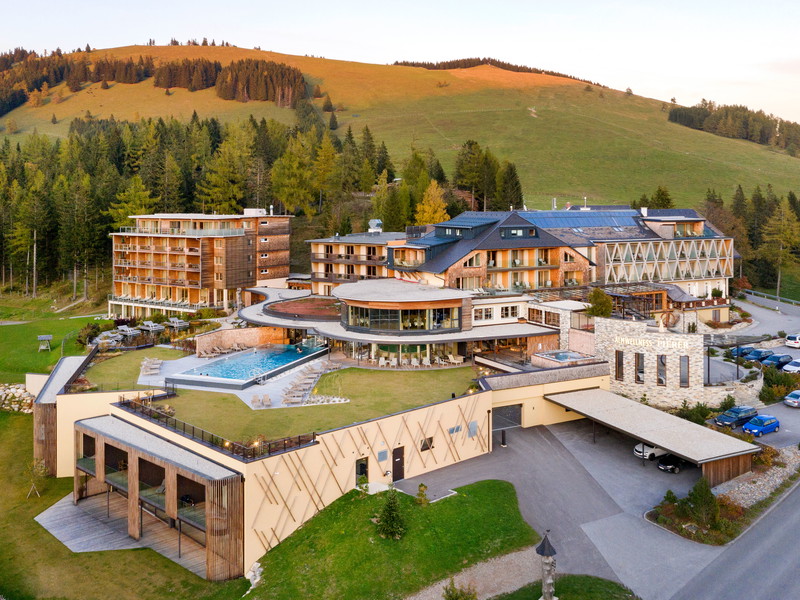
Speaking of the western world: in Spain, Ayurveda Resort Port Salvi offers traditional cures in a picturesque coastal location, while Hotel Engel Ayurpura offers authentic Ayurveda cures against a breathtaking mountain backdrop in the Dolomites. In Austria, Ayurveda Resort Sonnhof combines traditional Ayurvedic healing with typical Tyrolean hospitality.