Around Estonia in three days
Tallinn is Estonia's best-known tourist destination. However, simply visiting the capital does not...
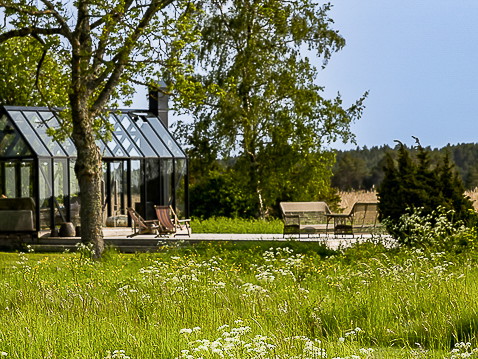
Estonia does not boast many stately homes, but the ones that have been converted to hotels offer a distinctive and memorable experience. For a truly superlative stay, however, book some time on an island manor.
Pädaste Manor (96 Falstaff points) has been the flagship of Estonian hospitality ever since its main building was restored. Situated, in a remote, secluded location, there is little to actively do, and their restaurant offers simple, not to say meagre, everyday island dining. However, Pädaste was able to turn these weaknesses, which are common to tourism on all Estonian islands, into major strengths.
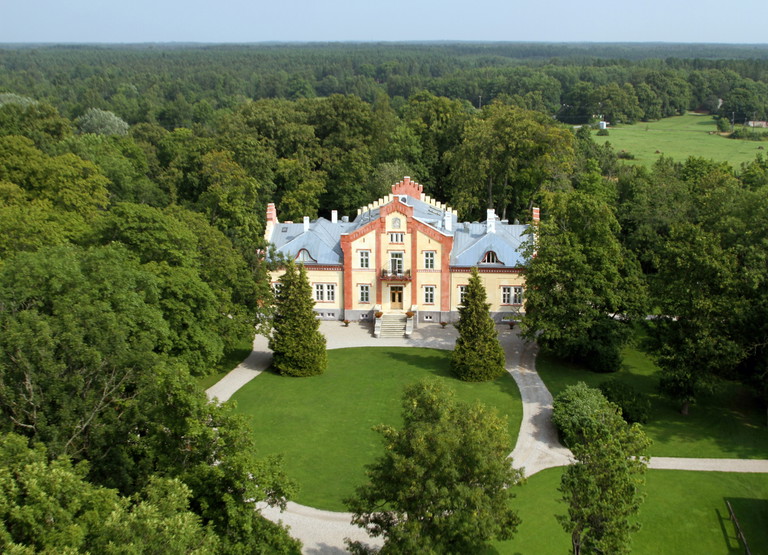
It's not easy to get to Tallinn; and getting to the island of Muhu from Tallinn adds another level of complexity. Yet Pädaste Manor takes that in stride: After all, anything that requires effort becomes more desirable. Every visitor feels a sense of peace as soon as they enter the gardens: Pädaste is certainly one of the most tranquil places on earth. That's why those who have been here once keep coming back – whether they're coming from Tallinn, Berlin or Los Angeles.
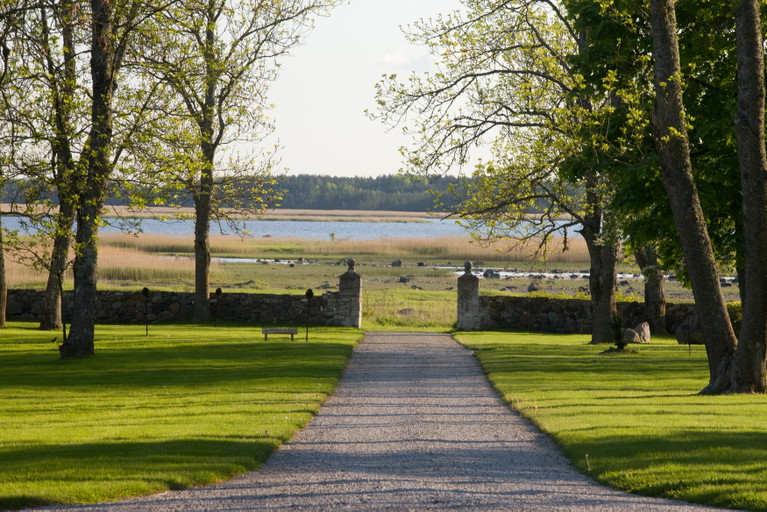
Treat yourself to some of their spa's rustic treatments; take a walk through the surrounding countryside, which remains breathtaking even during the heaviest downpours and stormiest winds. Enjoy simple fare by day at the Yacht Club, and in the evening, sample a gourmet version of the islands' traditional cuisine at the Alexander Restaurant. The Pädaste Manor experience is unique: It is both luxurious and rustic, a combination you don't come across very often. And that is more than enough: Once you've been to Pädaste, you'll stay mesmerized until it's time to go home. It's as if Pädaste captivates its guests – and they are perfectly happy about it.
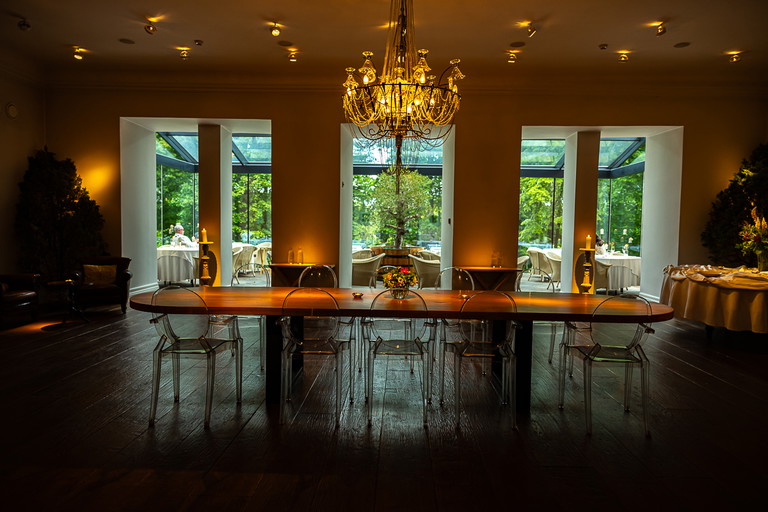
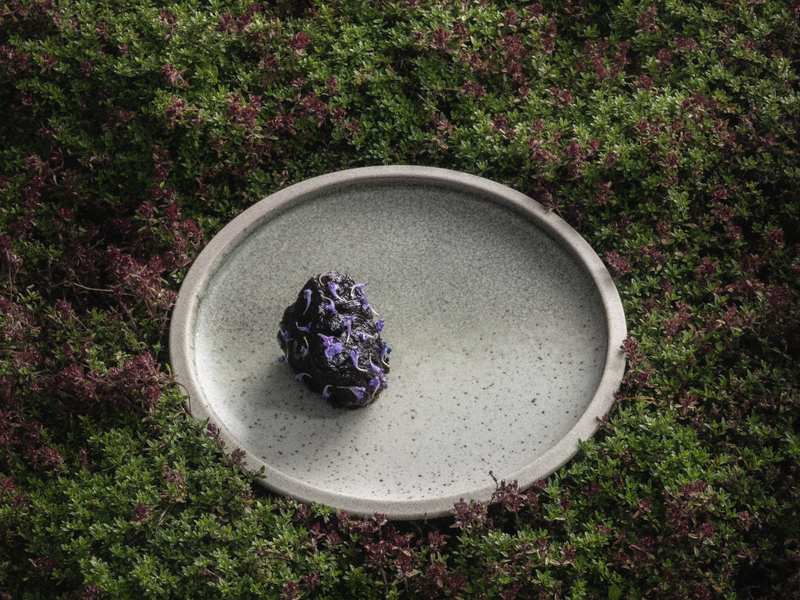
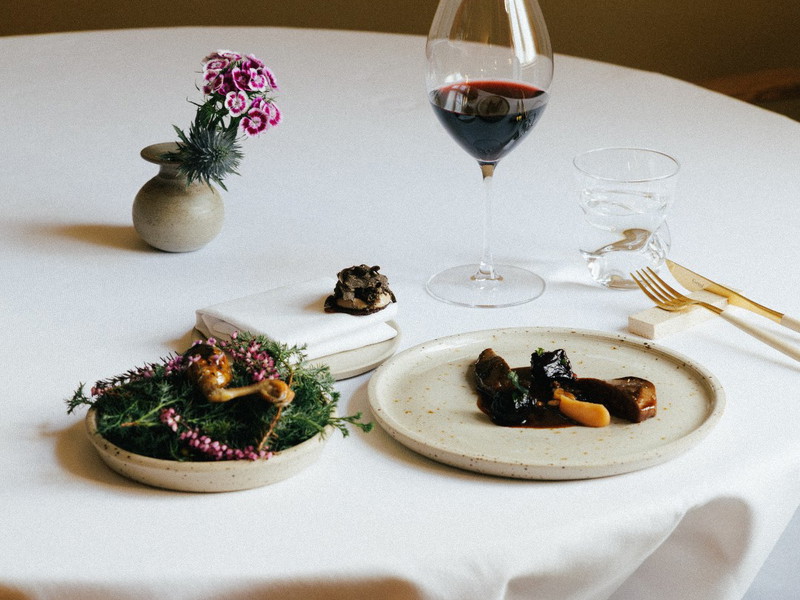
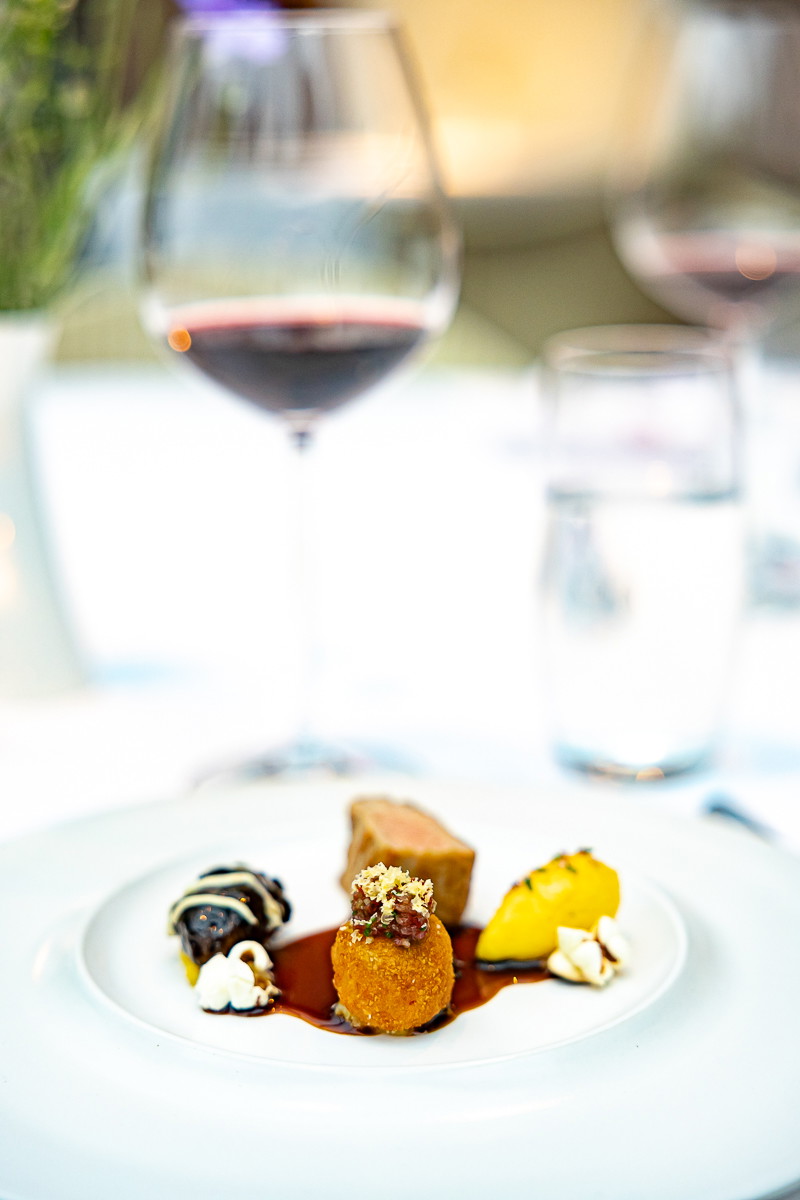
The highlight of the Pädaste experience is undoubtedly dinner service at the Alexander restaurant. Over the years, chefs from various countries have spent a season or two on the island, creating their own interpretations of Estonian island cuisine. Alexander's current chef, Achim Braitsch from Germany, has become a permanent resident, and owns his own farm here. Braitsch has a unique set of ideas and skills that transform everyday food into a gourmet experience. His dehydrated celeriac, which tastes just like a real truffle, is legendary. The most memorable dishes on this season's menu include tomato butter, quail smoked with juniper berries, veal with polenta and popcorn, and trout cured in beeswax.
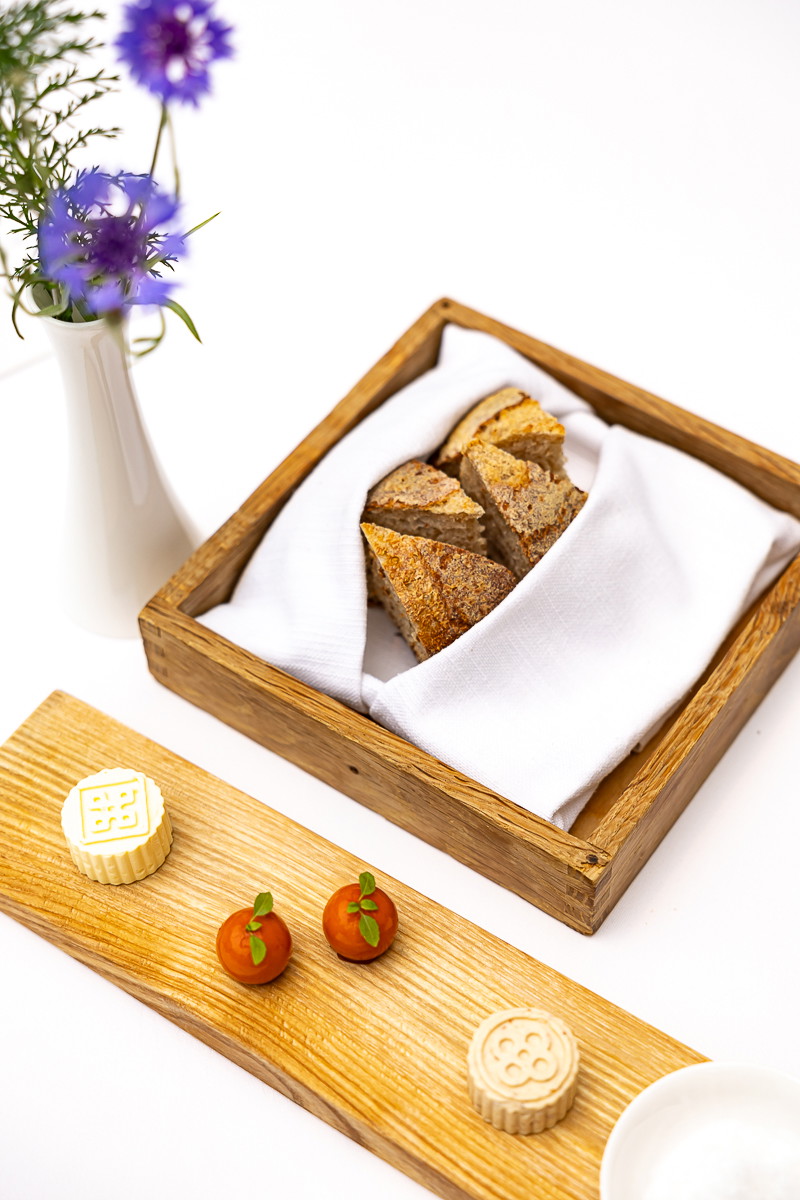
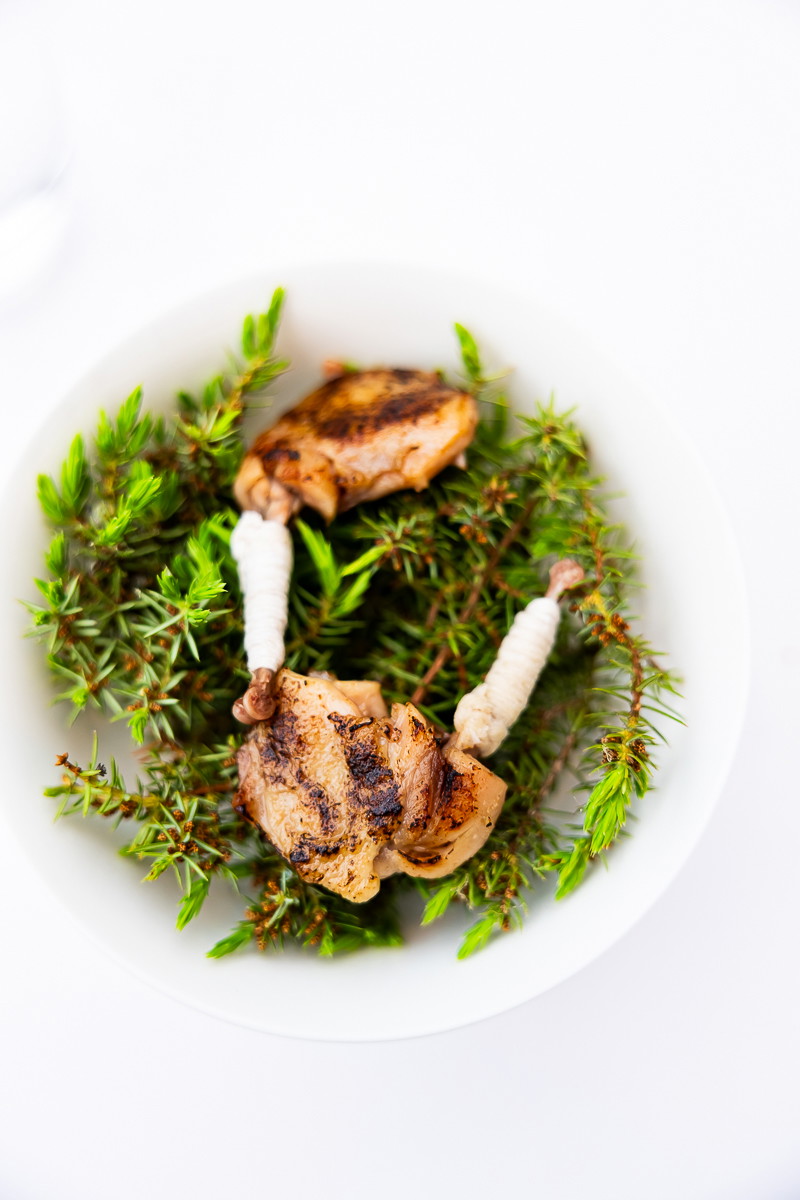
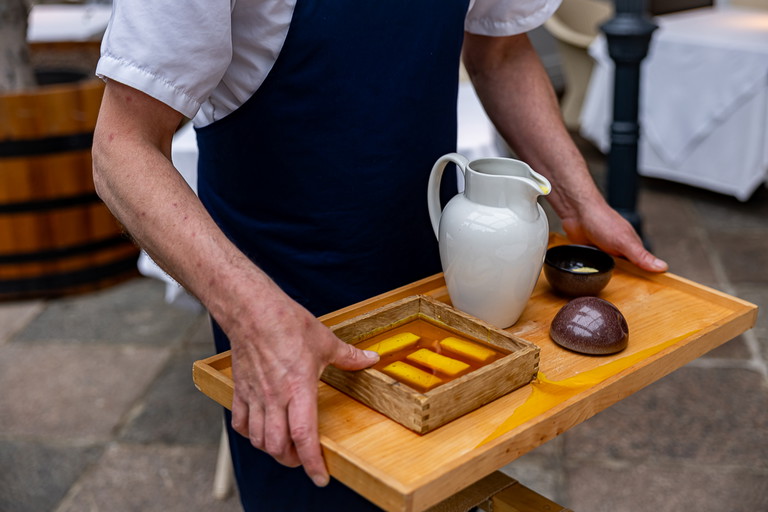
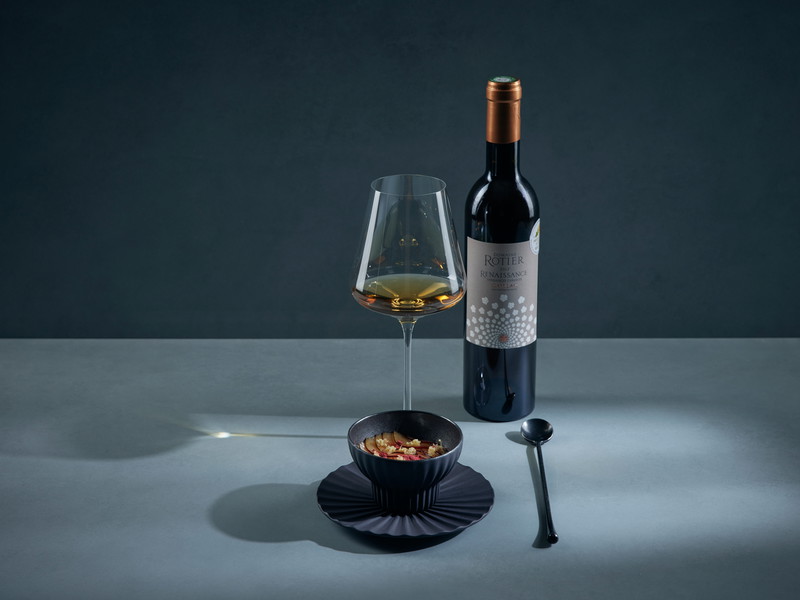
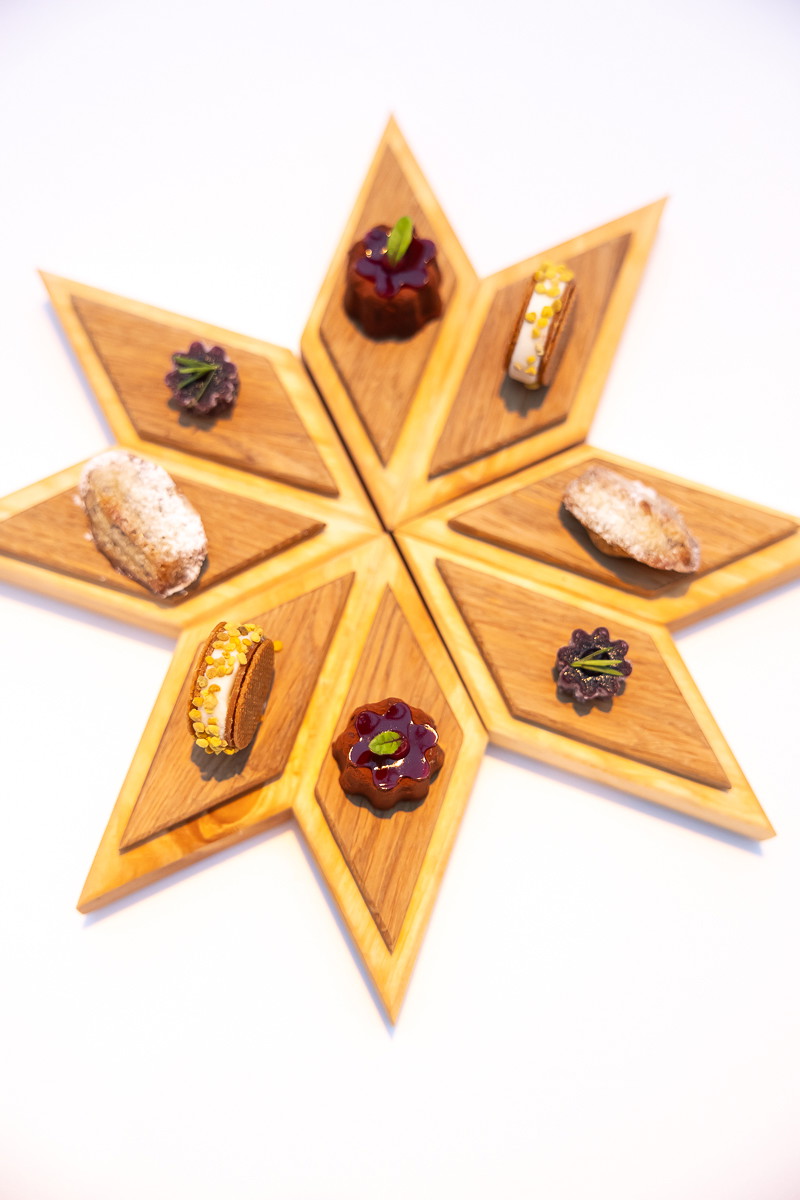
Despite his culinary chops, Braitsch is actually a dessert specialist who progressed from pastry chef to head chef. Inspired by the local landscape and nature of the island of Muhu, he creates desserts unlike anything else. His imaginative creations are always surprising and leave you wanting more.
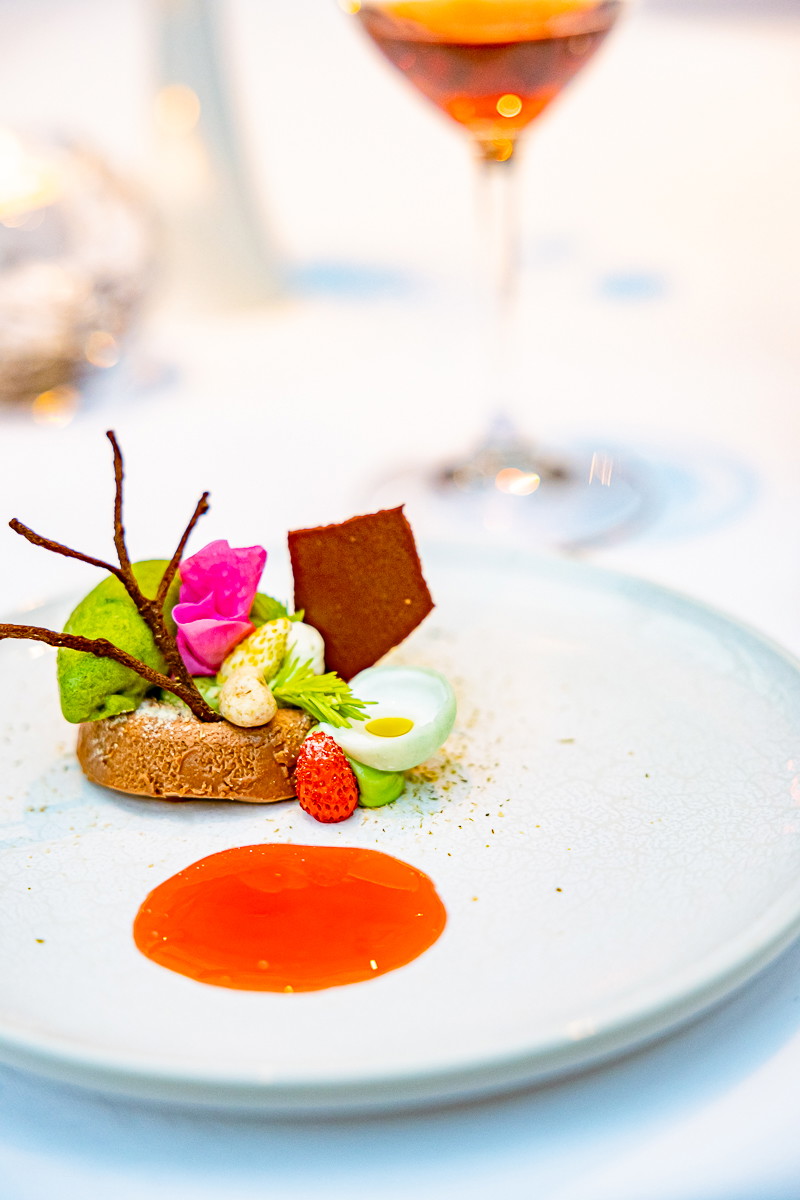
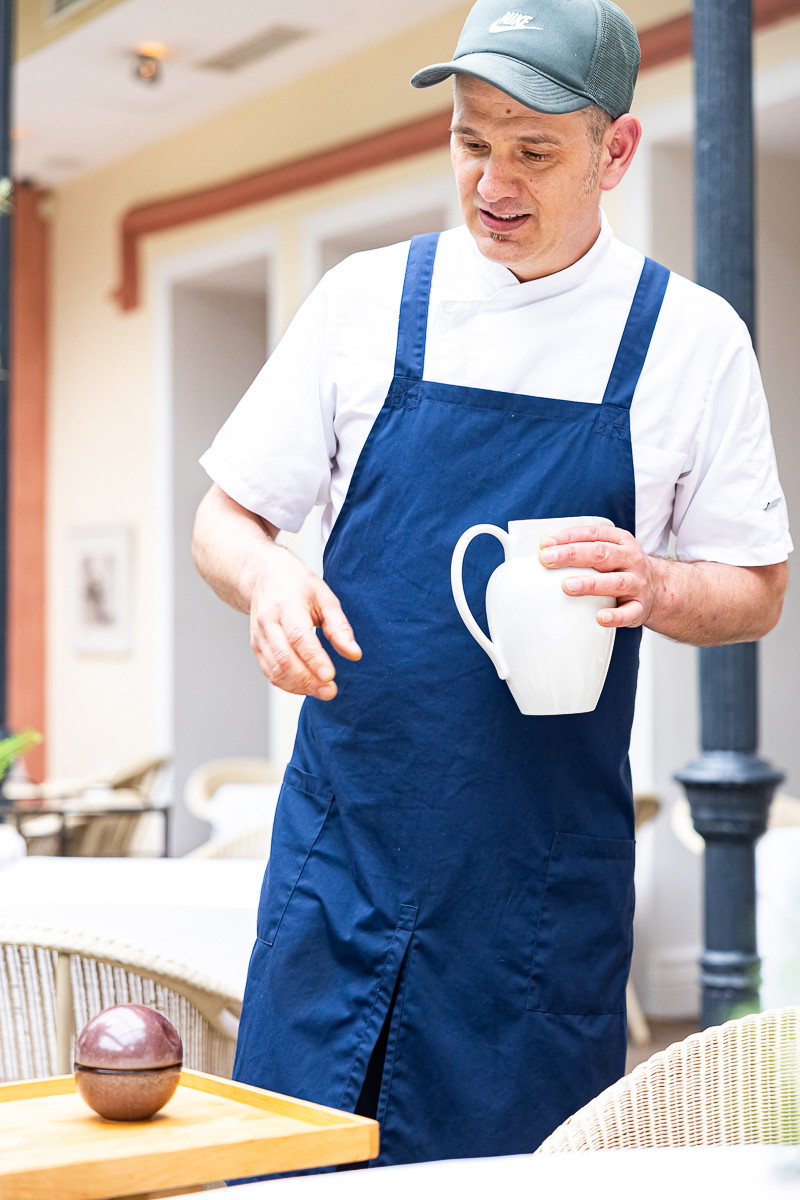
Finally, the Pädaste experience is defined by a particularly charming approach to hospitality. Simple yet luxurious, spending a few days here makes you feel as if you've been away for at least a week.
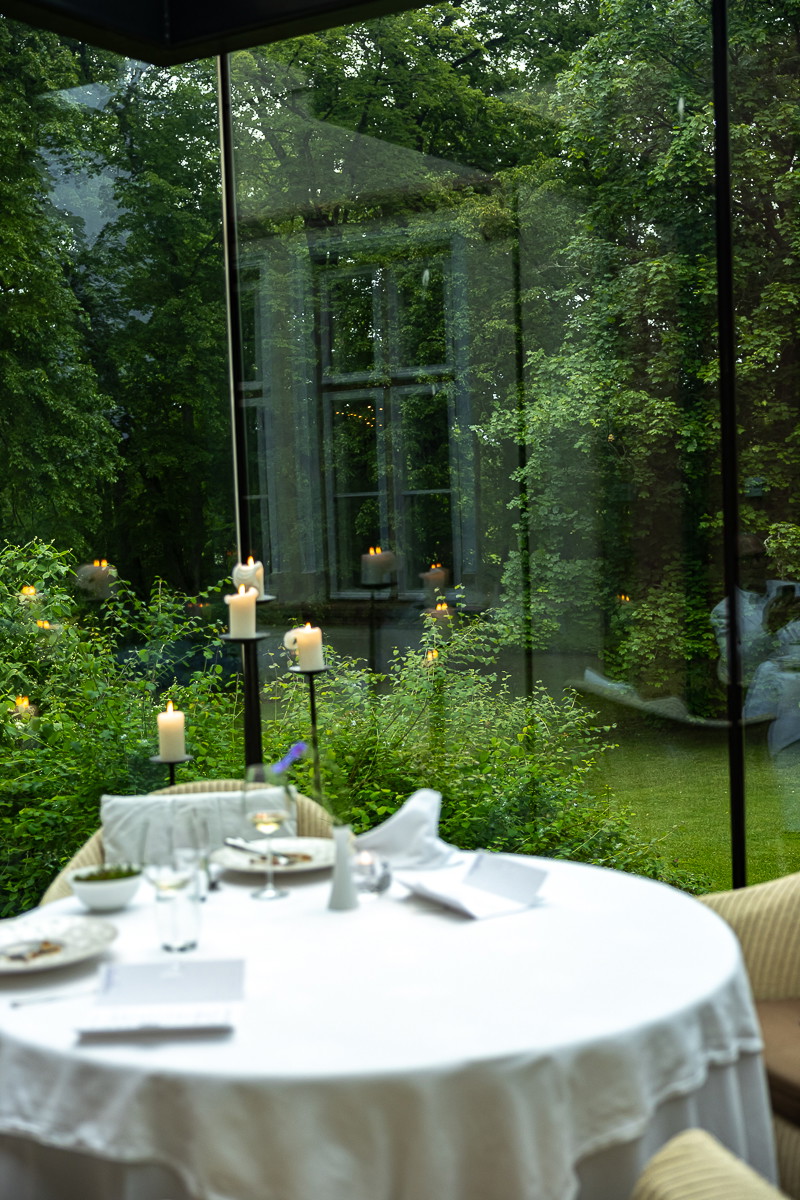
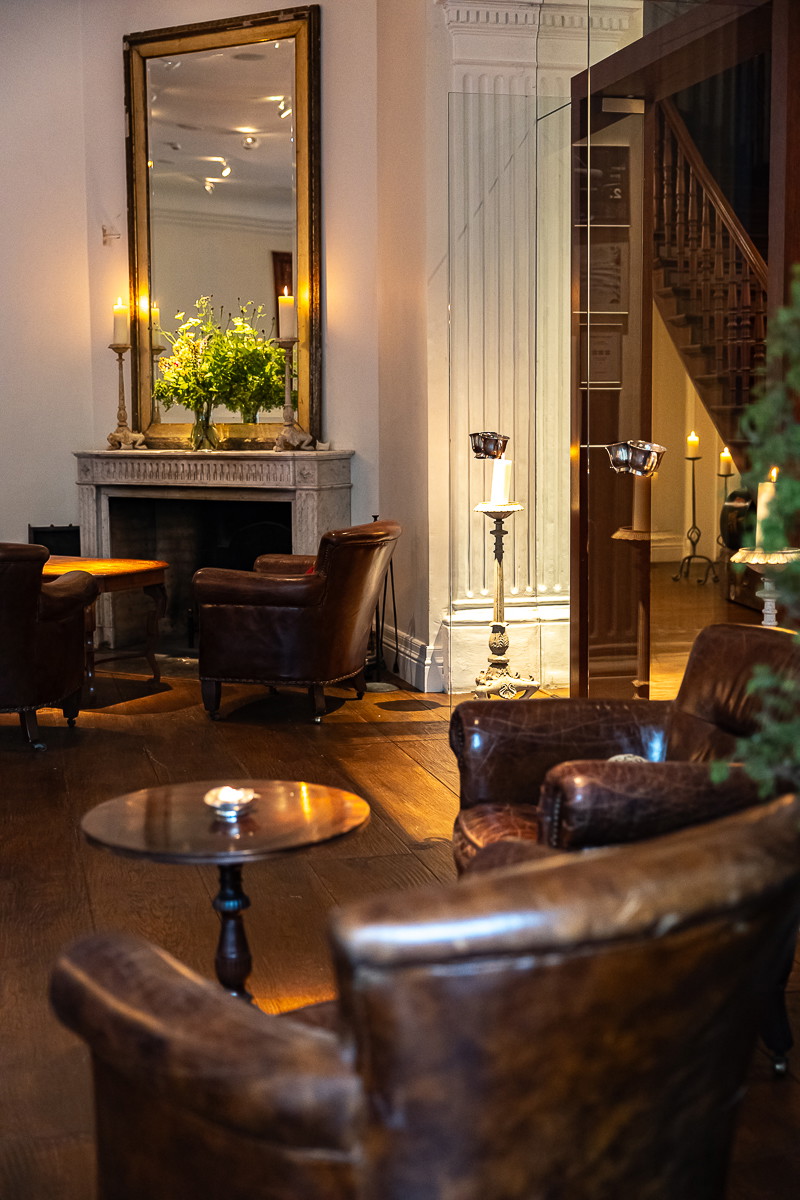
Located just over 100 kilometres from Pädaste, Pilguse Manor (86 Falstaff points) is equally remote: First, you have to cross the causeway between the islands Muhumaa and Saaremaa, then drive all the way out to the other end of the latter until you reach the sea.
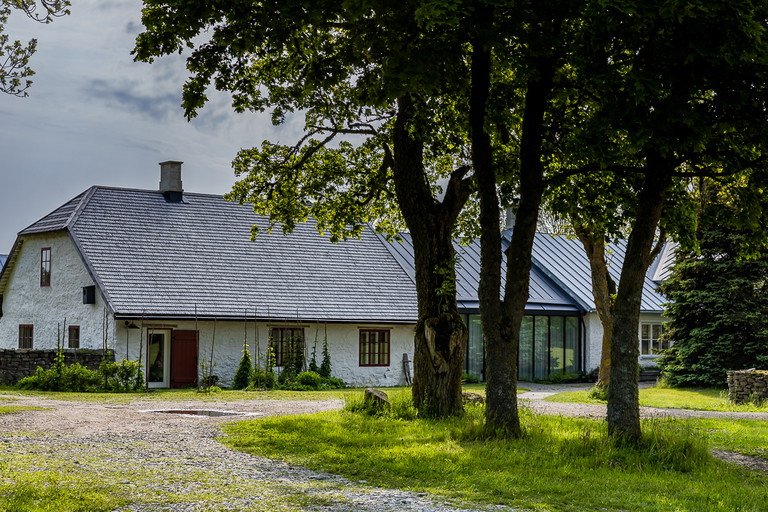
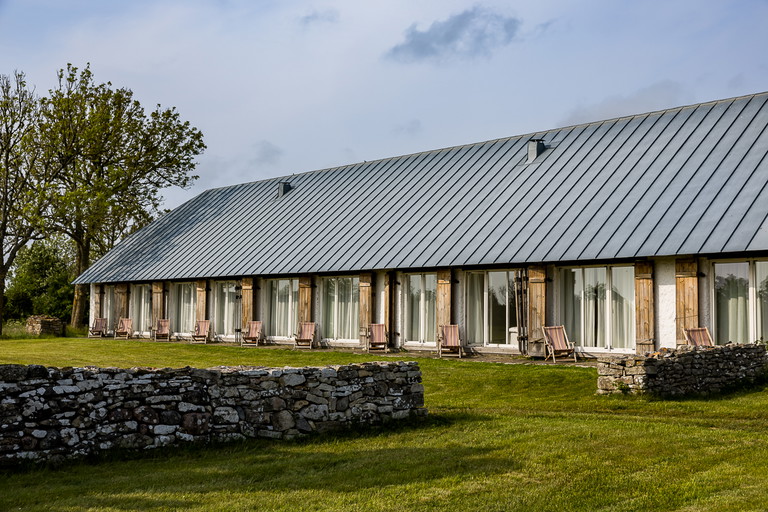
You might think that there's not much difference between the two island manors, but a single glance is enough to realize that Pädaste and Pilguse are as different as you can get.
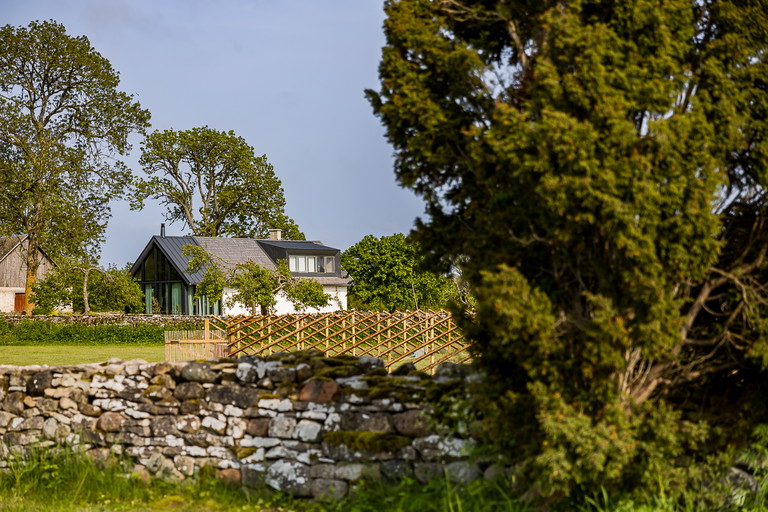
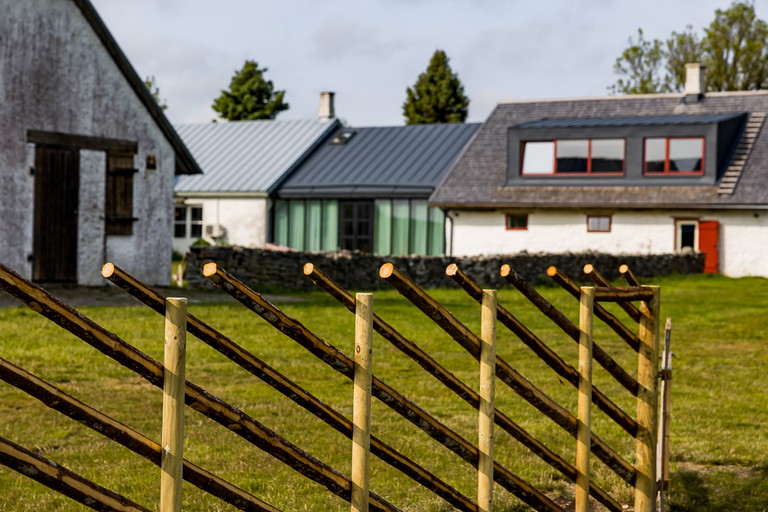
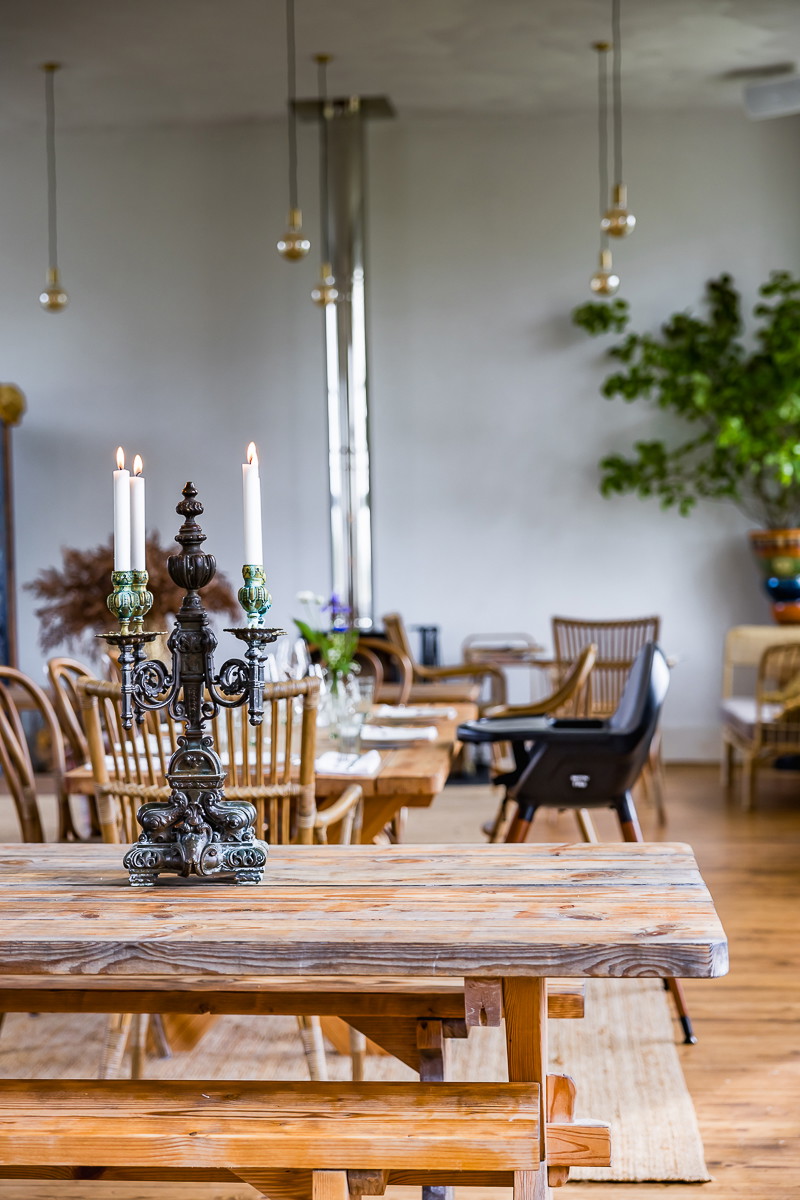
Pilguse is more of a small village than a manor, with a unique atmosphere that you have to experience personally to truly grasp. With several different buildings to choose from, each room, offers a different experience. Even when the hotel is fullly booked, it never feels crowded: Pilguse's vast grounds have space for everyone to unwind. If you wish, you can enjoy the utmost privacy at any time – or enjoy the utmost company if you prefer. Small wonder then, that Pilguse is a popular destination for weddings and other major events.
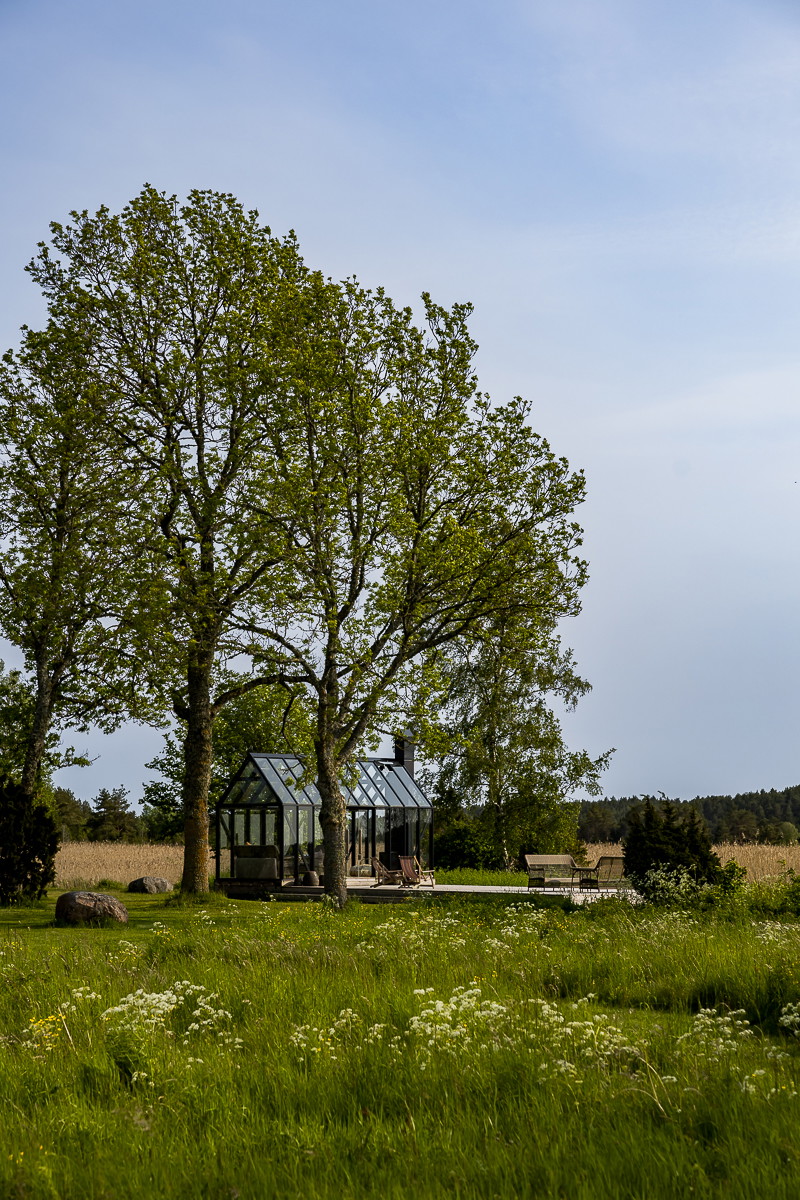
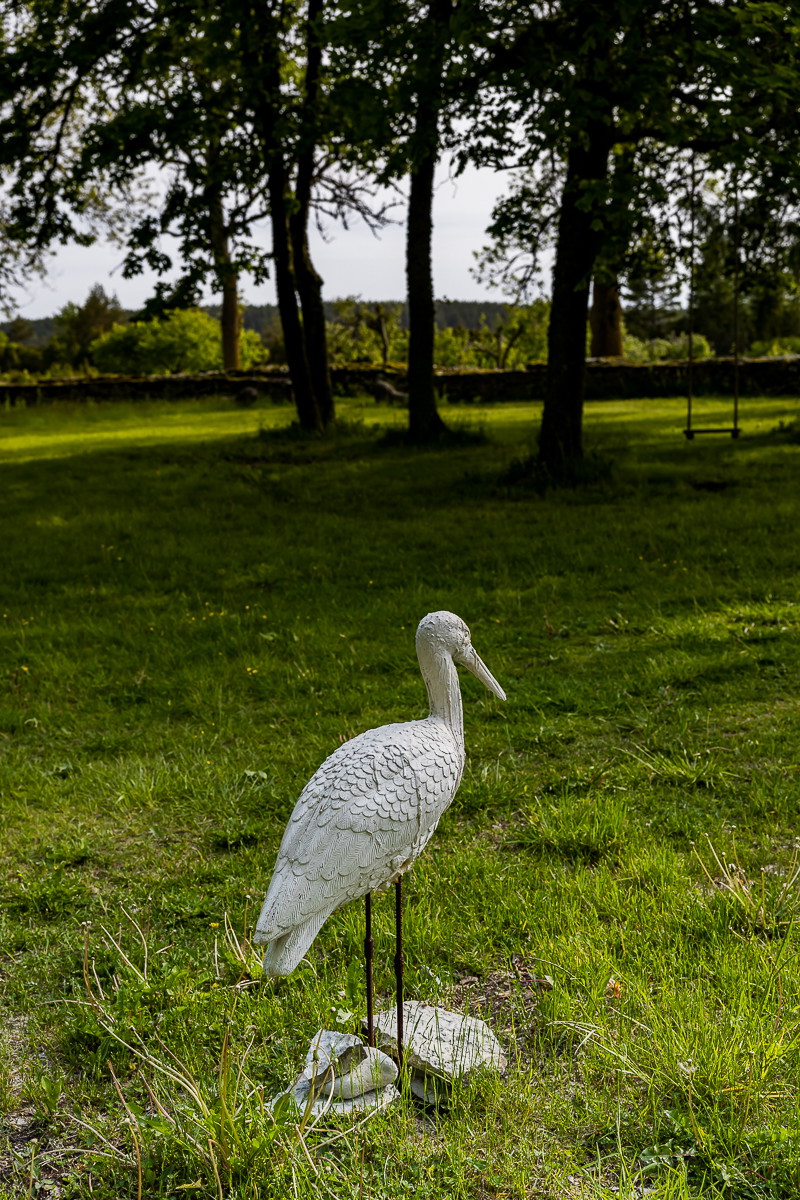
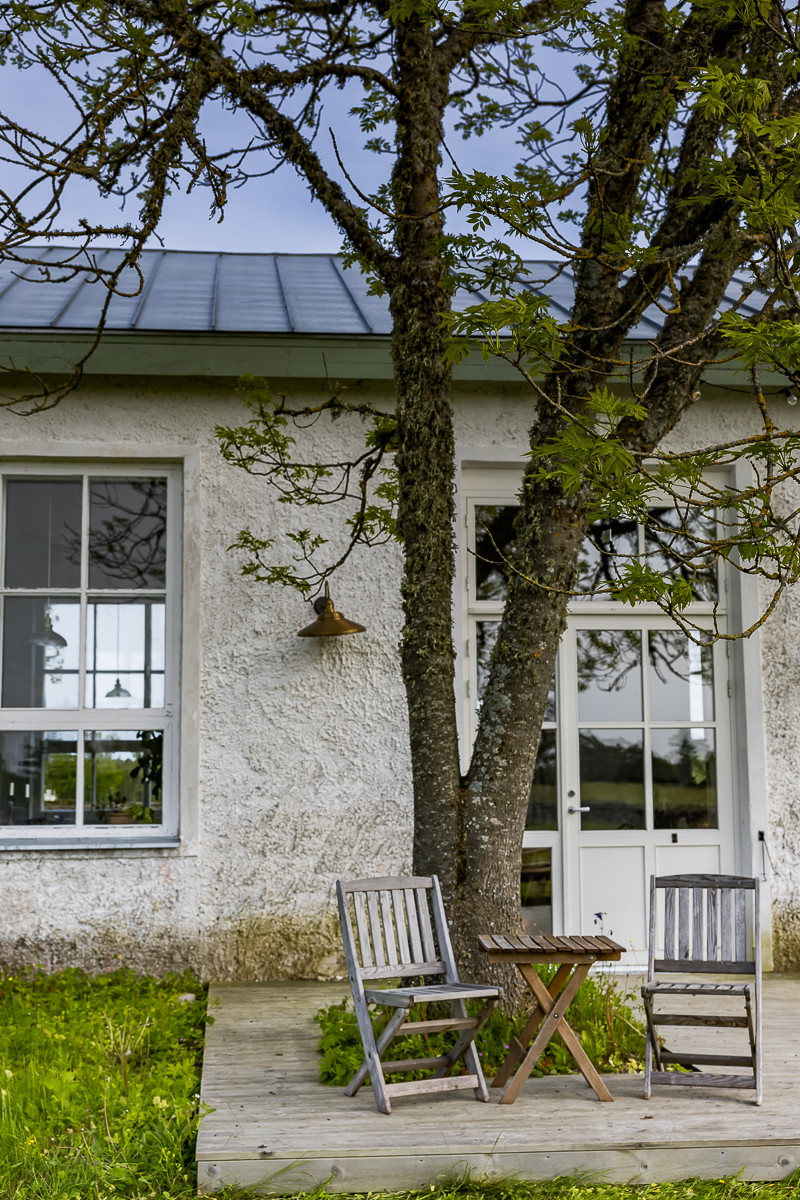
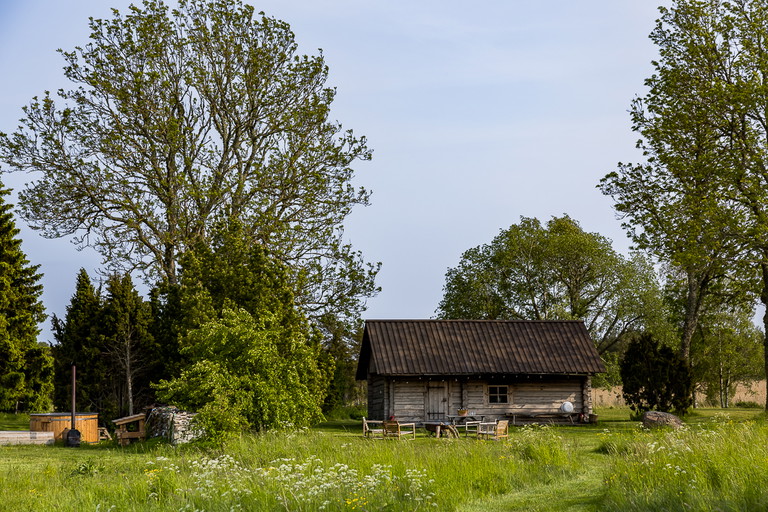
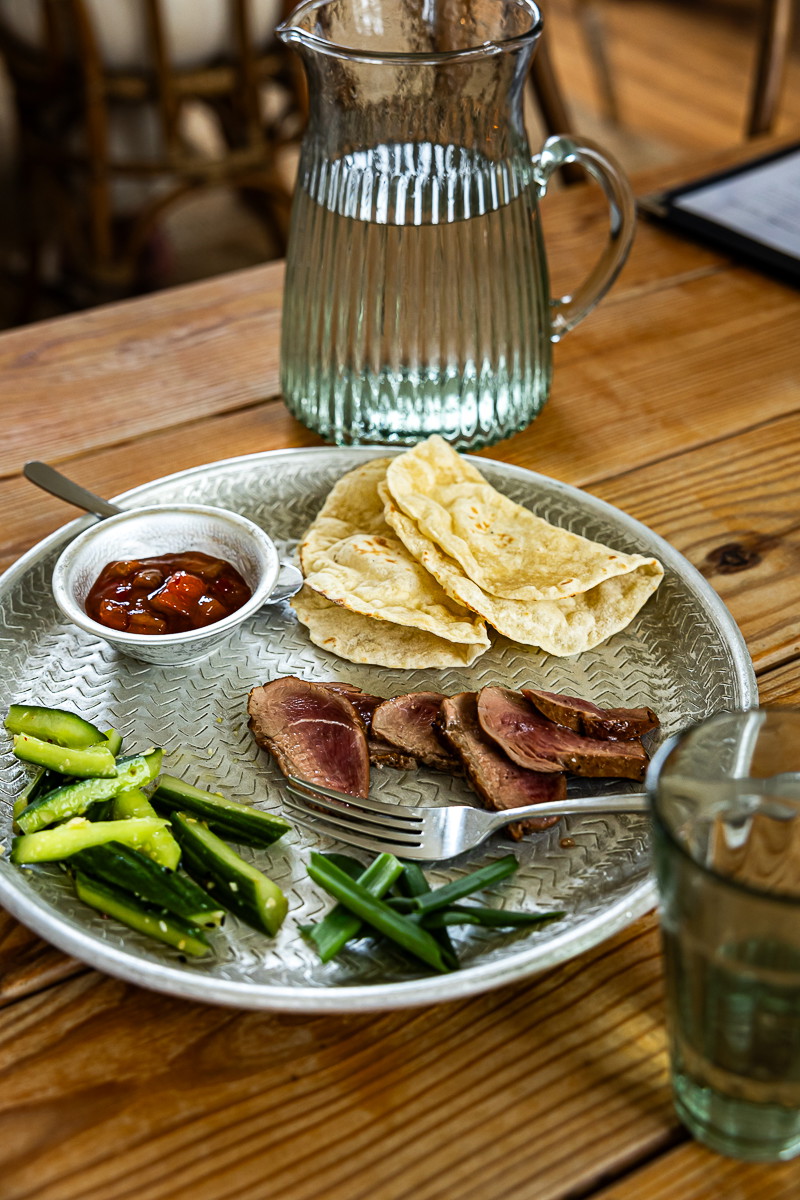
The heart of the property is its restaurant, which has received 87 points from Falstaff. After exporing the environs, guests gather here for lunch and dinner. Like its accommodations, which offers plenty of comfort without claiming to be luxurious, the ambition of the Pilguse's cuisine is a bit different compared to most restaurants. The dishes, which are mostly made from local ingredients, are extremely simple and served in a rustic style. Reminiscent of the old ways, pickling and smoking are the two dominant cooking methods.
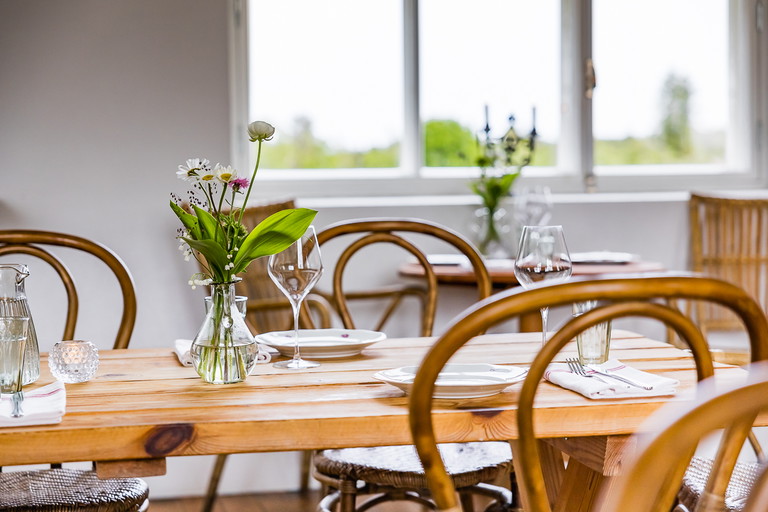
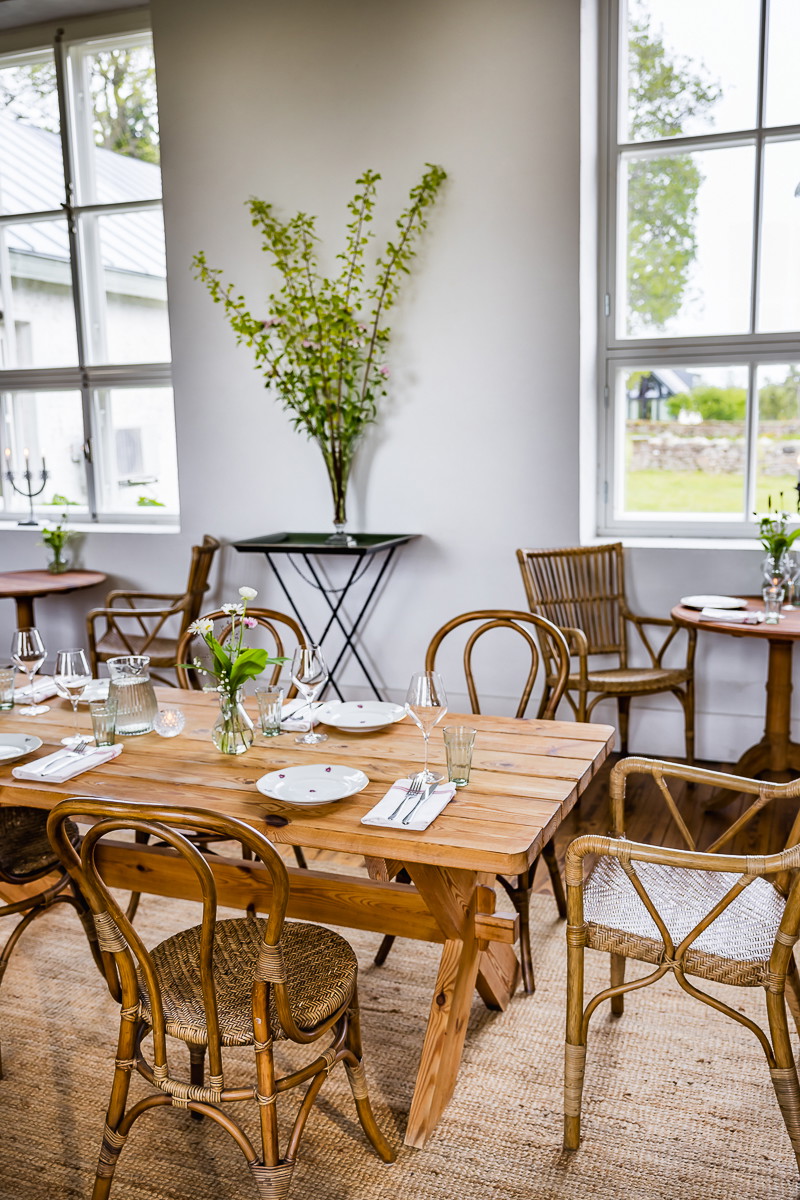
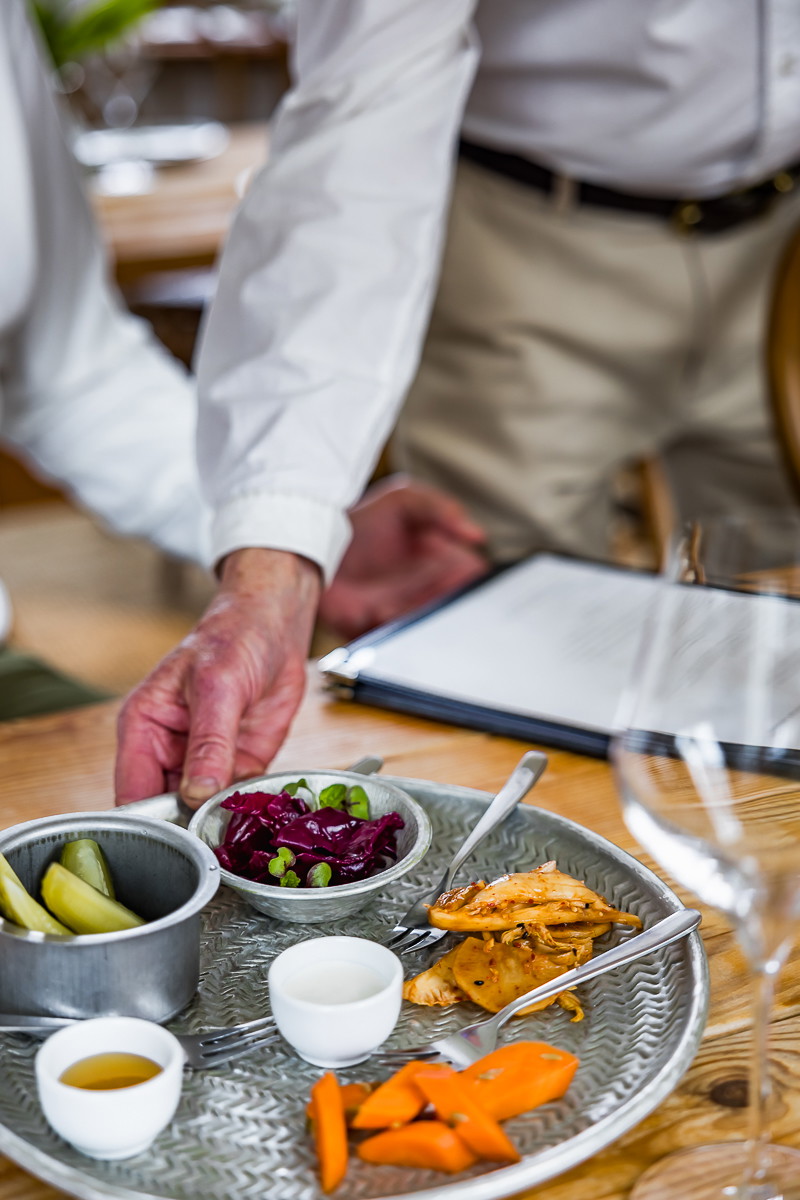
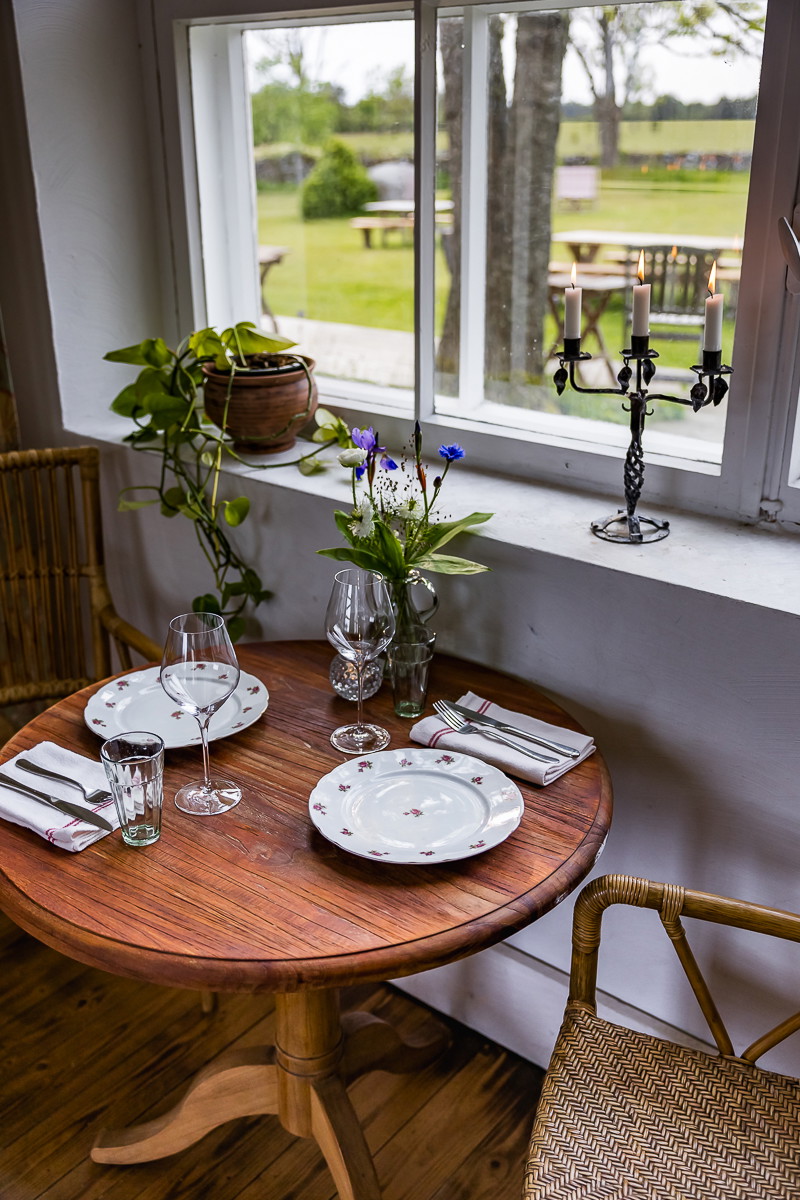
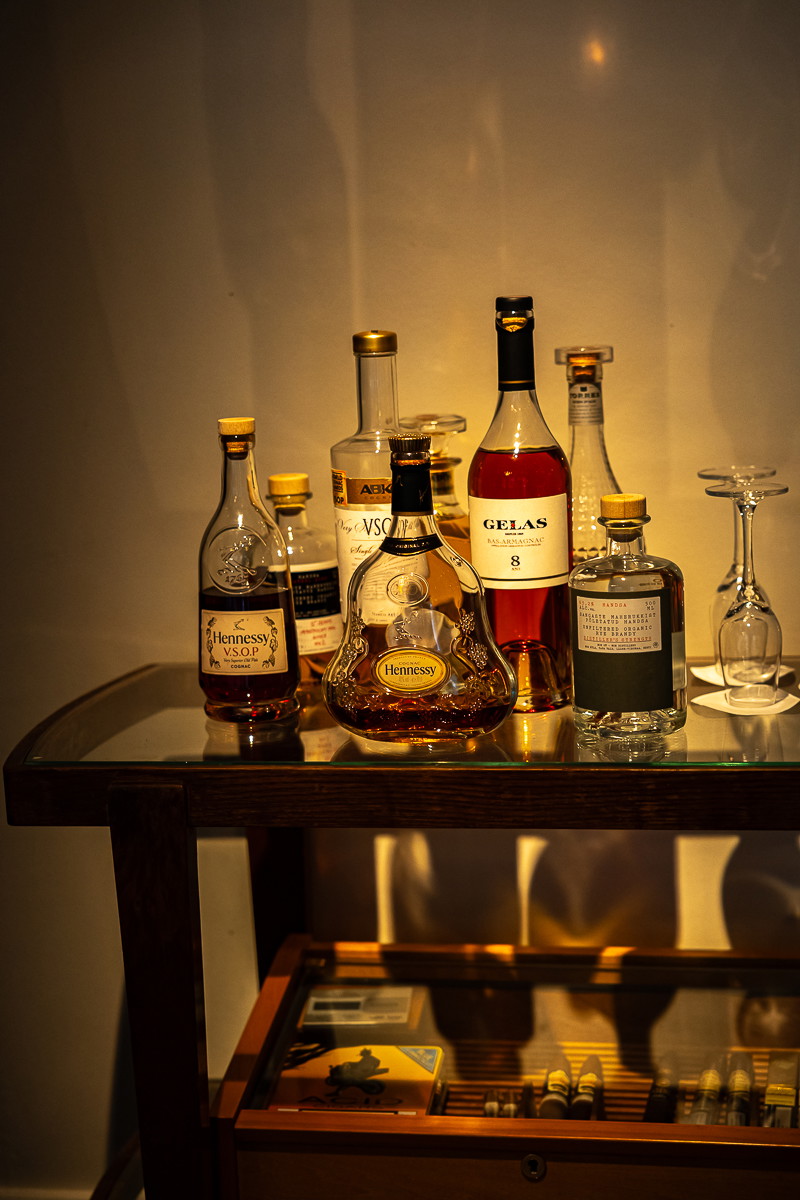
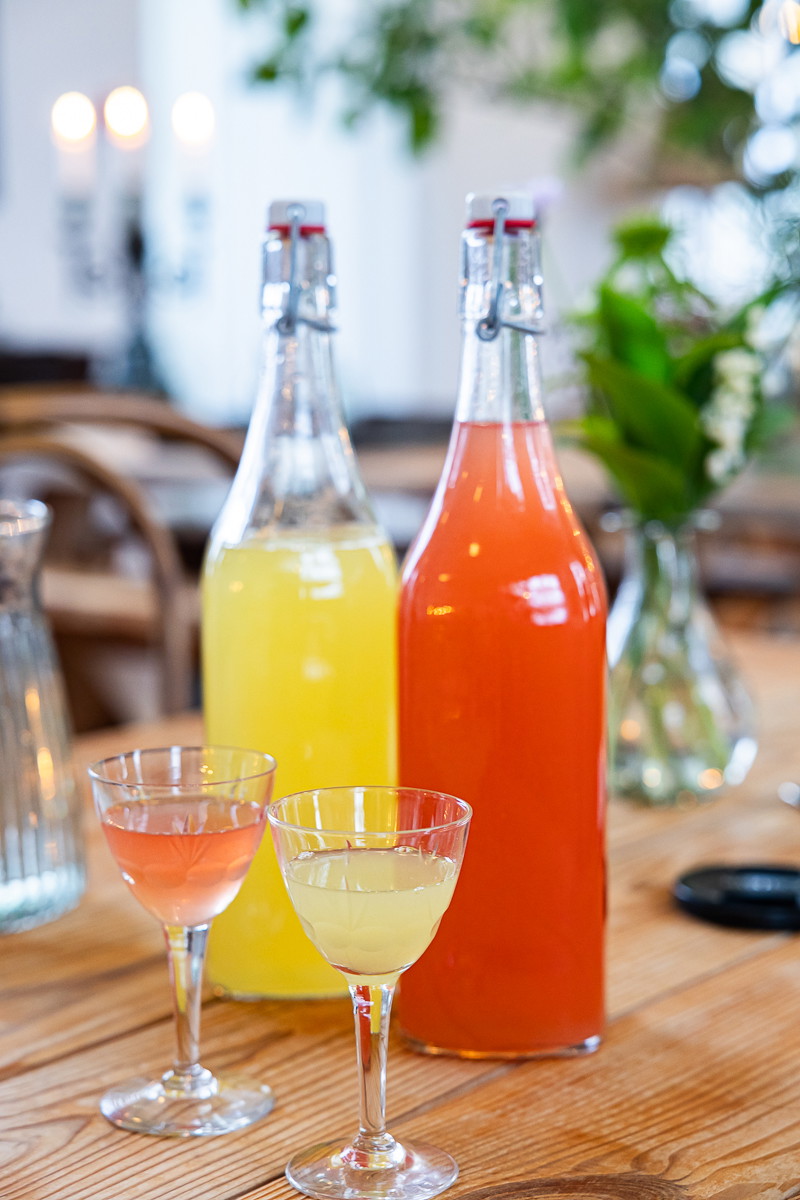
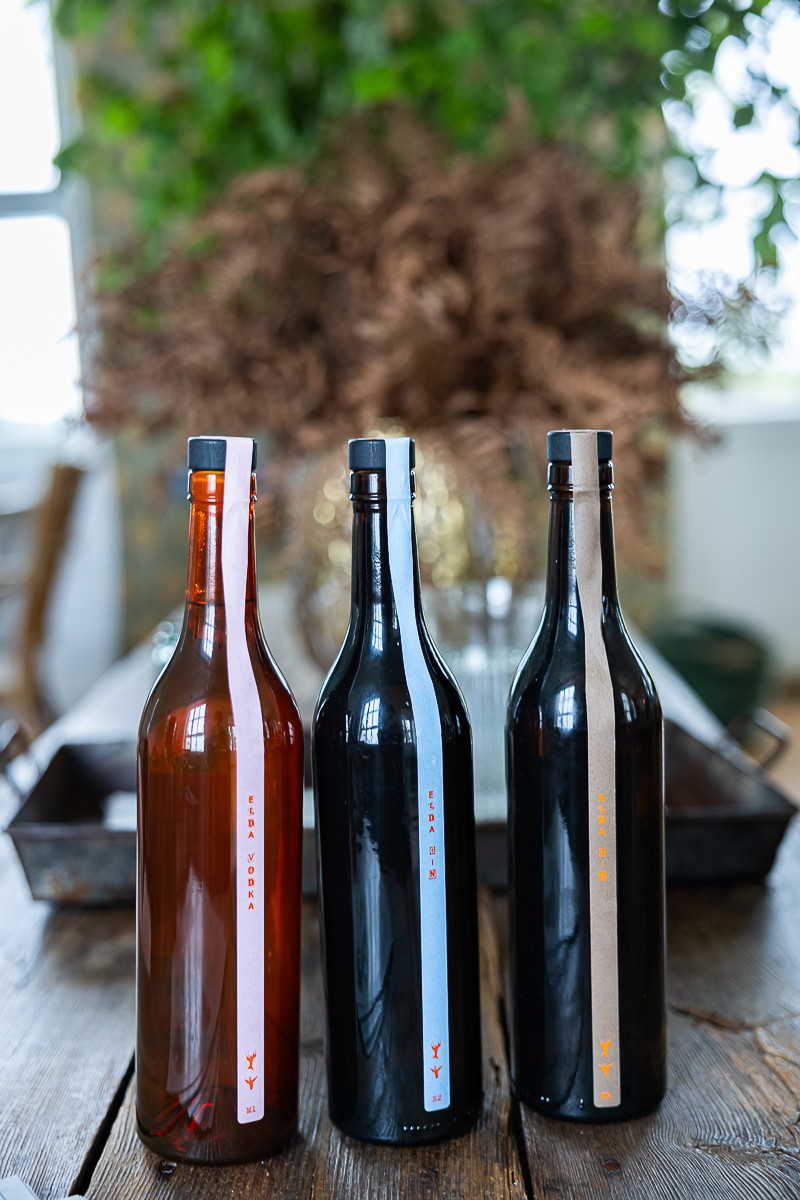
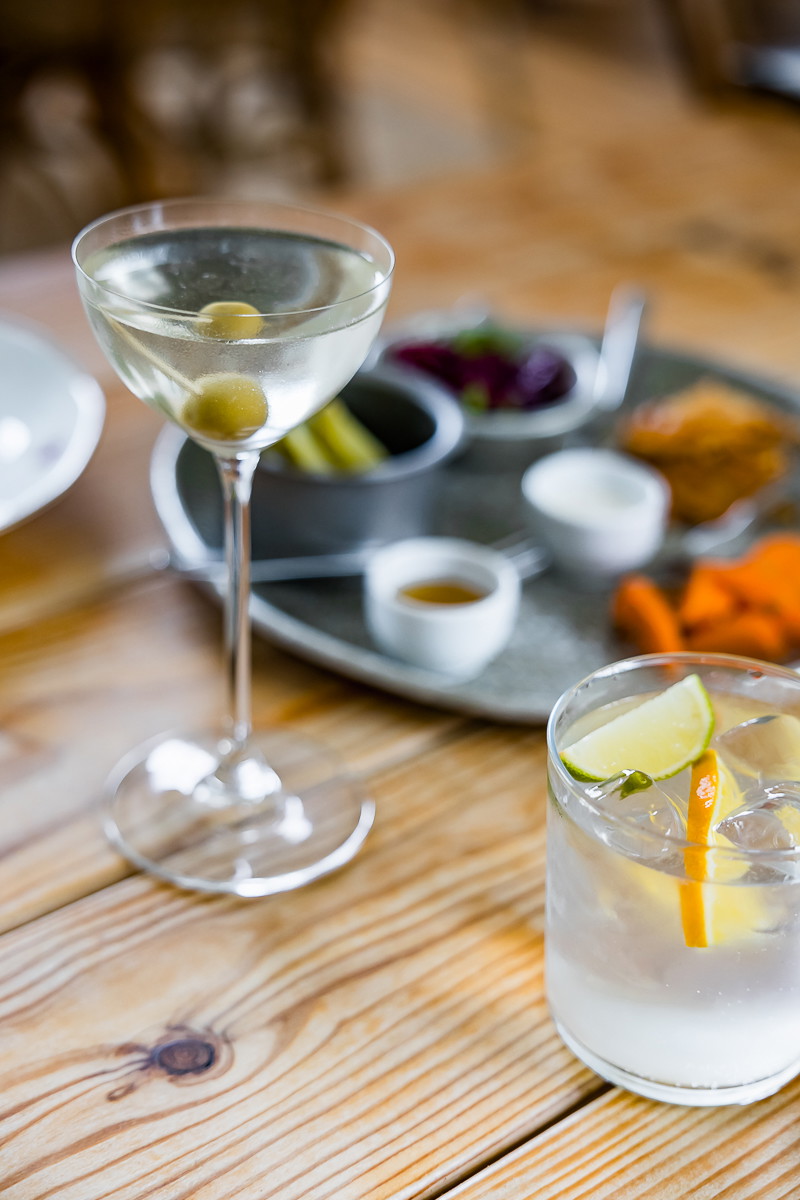
Although the list of drinks is short, it is quite different from what is usually served in Estonia. It's definitely worth starting with one of the house cocktails: Their spirits (two gins and a vodka) are produced in their own distillery, using seaweed from the local beach as a flavor enhancer. The more interesting wines are the restaurant's own exclusive imports and cannot be found elsewhere. When it comes to digestifs, don't just go for one of the two house specialities, limoncello and rhubarbarello – try them both.
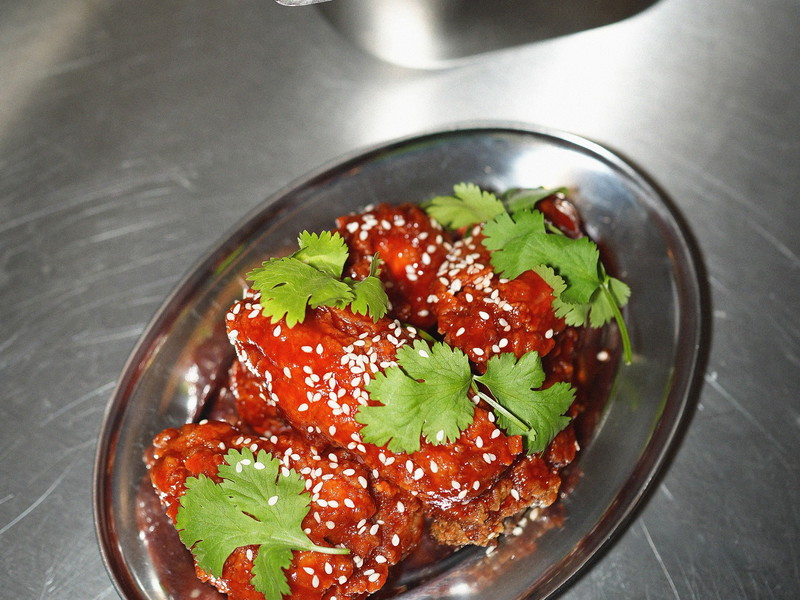
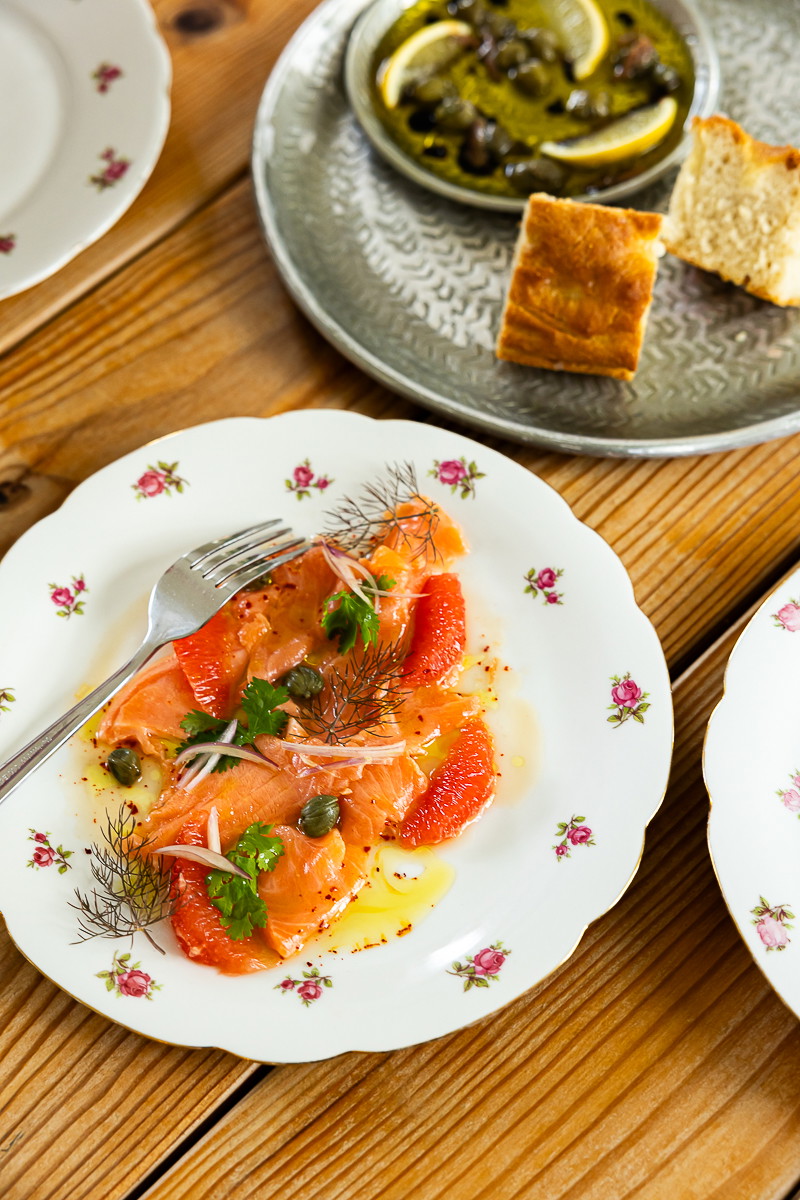
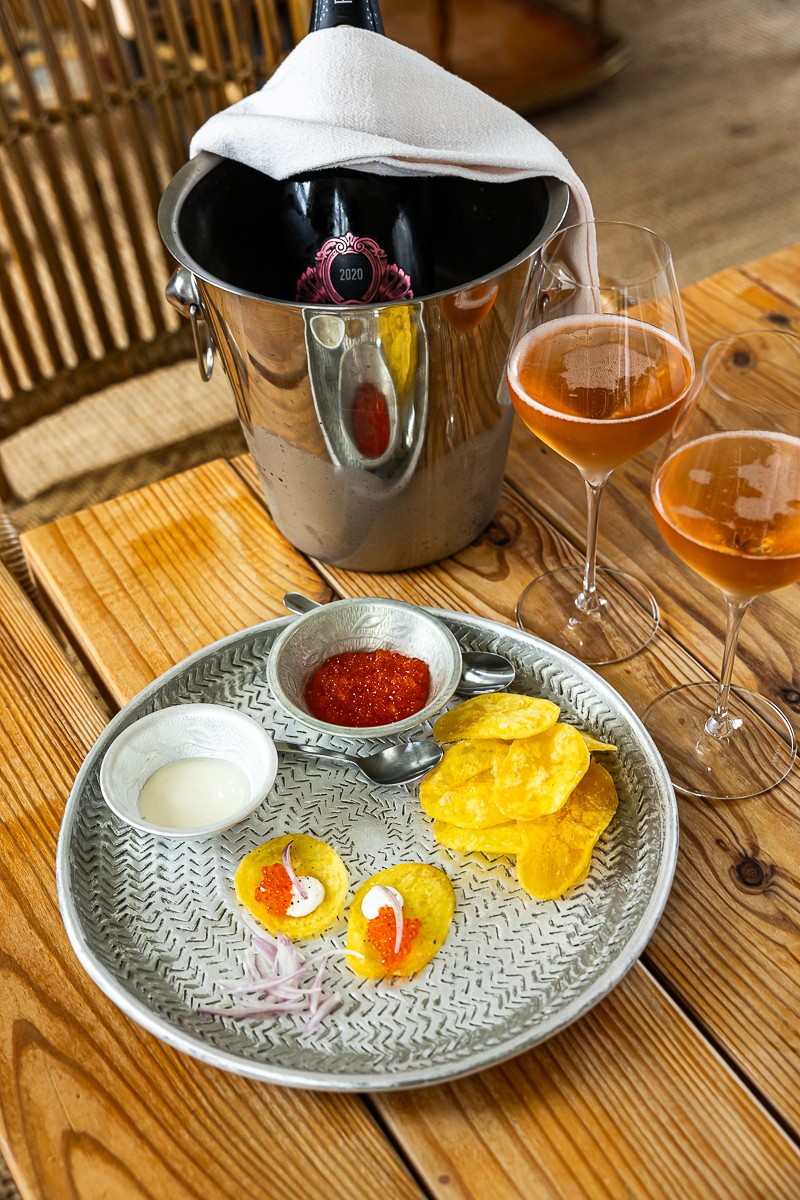
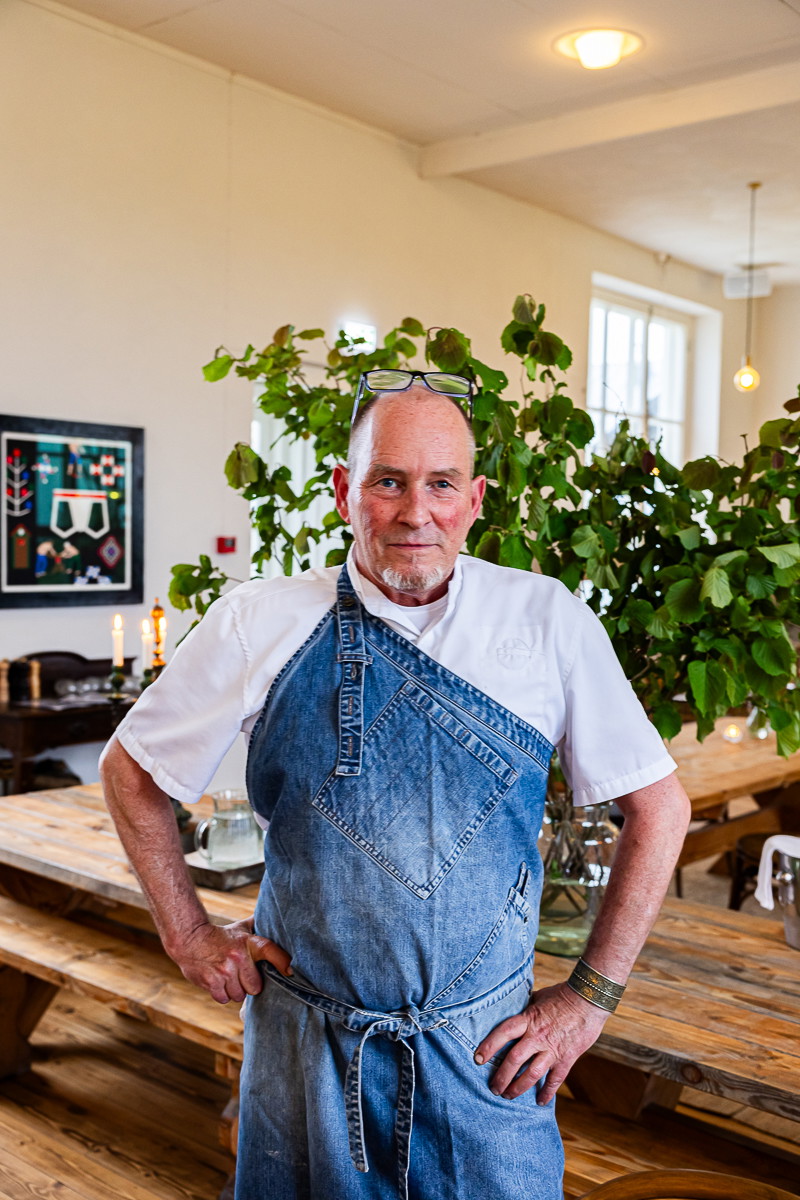
The chef, Albert Veerendaal, a Dutch expat who has lived in Saaremaa for years, is not afraid of simplicity. He serves trout caviar from the local fish farm with homemade potato chips and onions. This very simple dish is so good that words cannot describe it — the flavors speak for themselves. Other dishes include trout with grapefruit and onion and flank steak. As previously mentioned, the hallmark of Pilguse's cuisine is its unpretentiousness and rustic charm, featuring unadulterated flavors that are hard to resist.
Pilguse and Pädaste offer two very different experiences. Getting to know them demonstrates that each Estonian island has its own unique character. Summer is the best time to discover them.