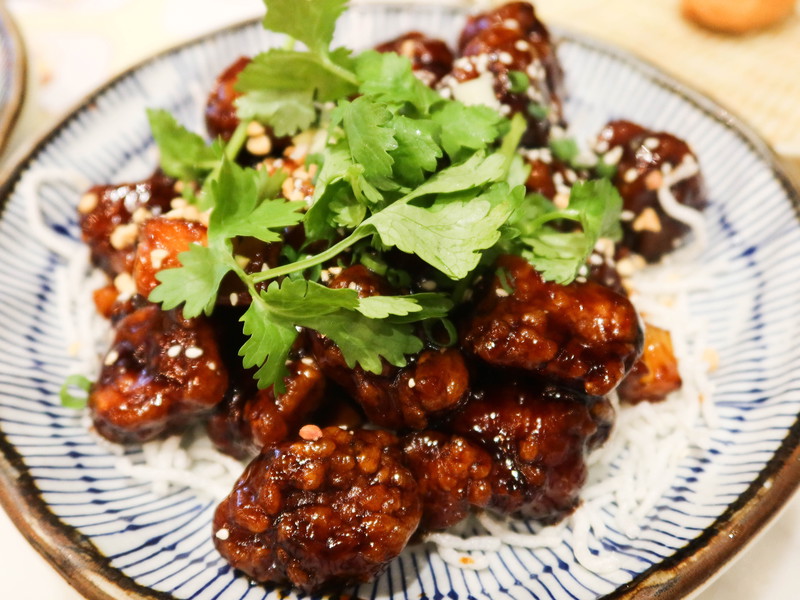
It is impossible to imagine many dishes around the world without coriander. The fresh leaves and dried seeds are used in numerous cuisines — from Asian curries and Vietnamese pho soups to Mexican salsas, Middle Eastern stews and chutneys. Coriander is also appearing more frequently in Mediterranean cooking, for example in salads or marinades.
Despite its widespread use, coriander divides tastes like hardly any other herb. For some of the world's population, it tastes — to put it bluntly — like soap. Skepticism about its intense aroma was long dismissed with phrases such as “You’ll get used to it” or “I didn’t like it at first either.” But can you really learn to love its flavor — the way some people eventually warm up to pineapple on pizza?
Blame it on your genes
It is however not a personal preference that plays a decisive role here, but genetics. As in many other cases, they highly impact how 0ne perceives the taste of coriander. Certain people exhibit a variant of the OR6A2 gene that is particularly sensitive to aldehydes. This includes fragrances and flavors, which are found in soap and perfume, for example. For this reason, coriander does not taste fresh and lemony to them, but rather tart and unpleasantly soapy. This raises the question of whether you can - or even want to - get used to something if your genes clearly reject it from the outset. Which raises the question: can — or should — anyone try to “get used to” something when their genes have already cast a firm vote of rejection?