Skip to content

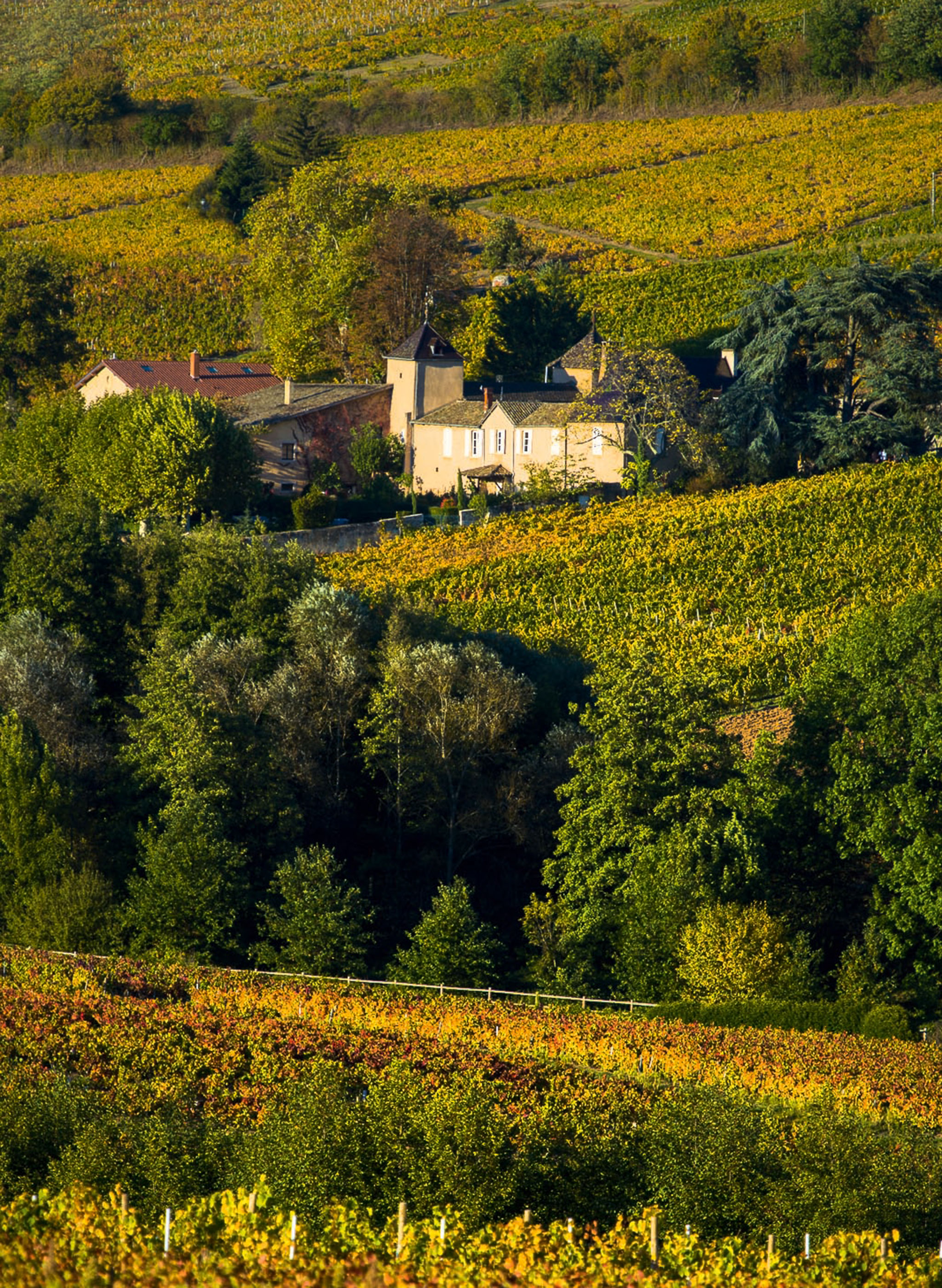
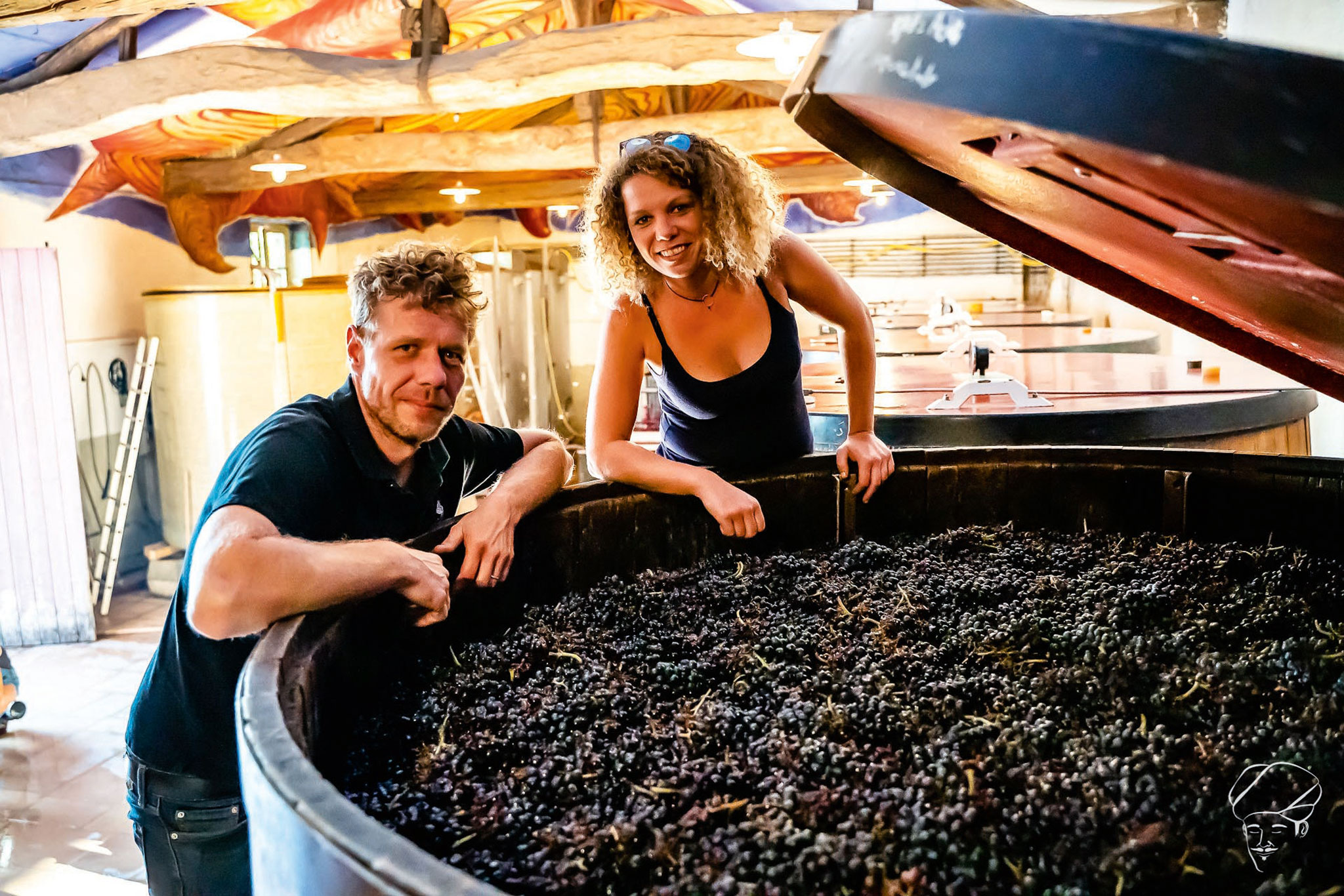
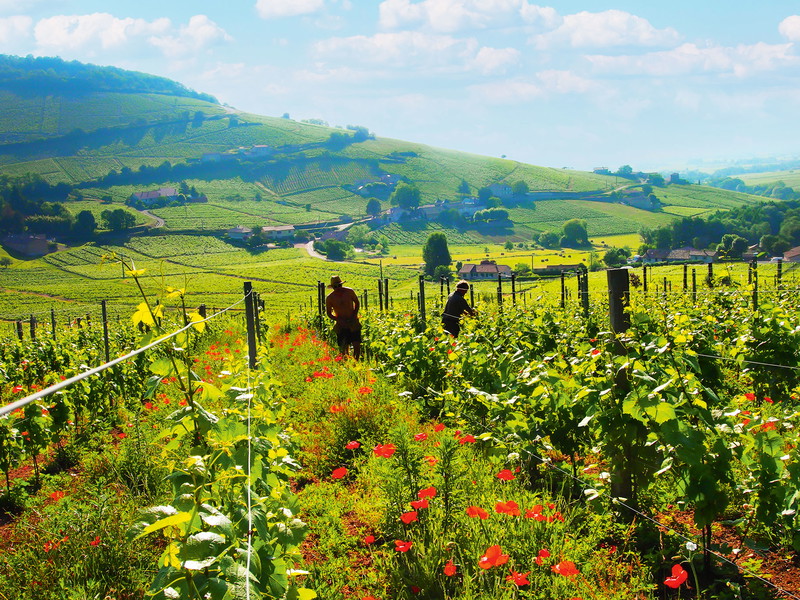
As here at Château Thivin in Brouilly, everything is done by hand in the best vineyards of Beaujolais.

As here at Château Thivin in Brouilly, everything is done by hand in the best vineyards of Beaujolais.
Photo provided

Fleurie & Co: the best wines of the Beaujolais

Wine Inspiration

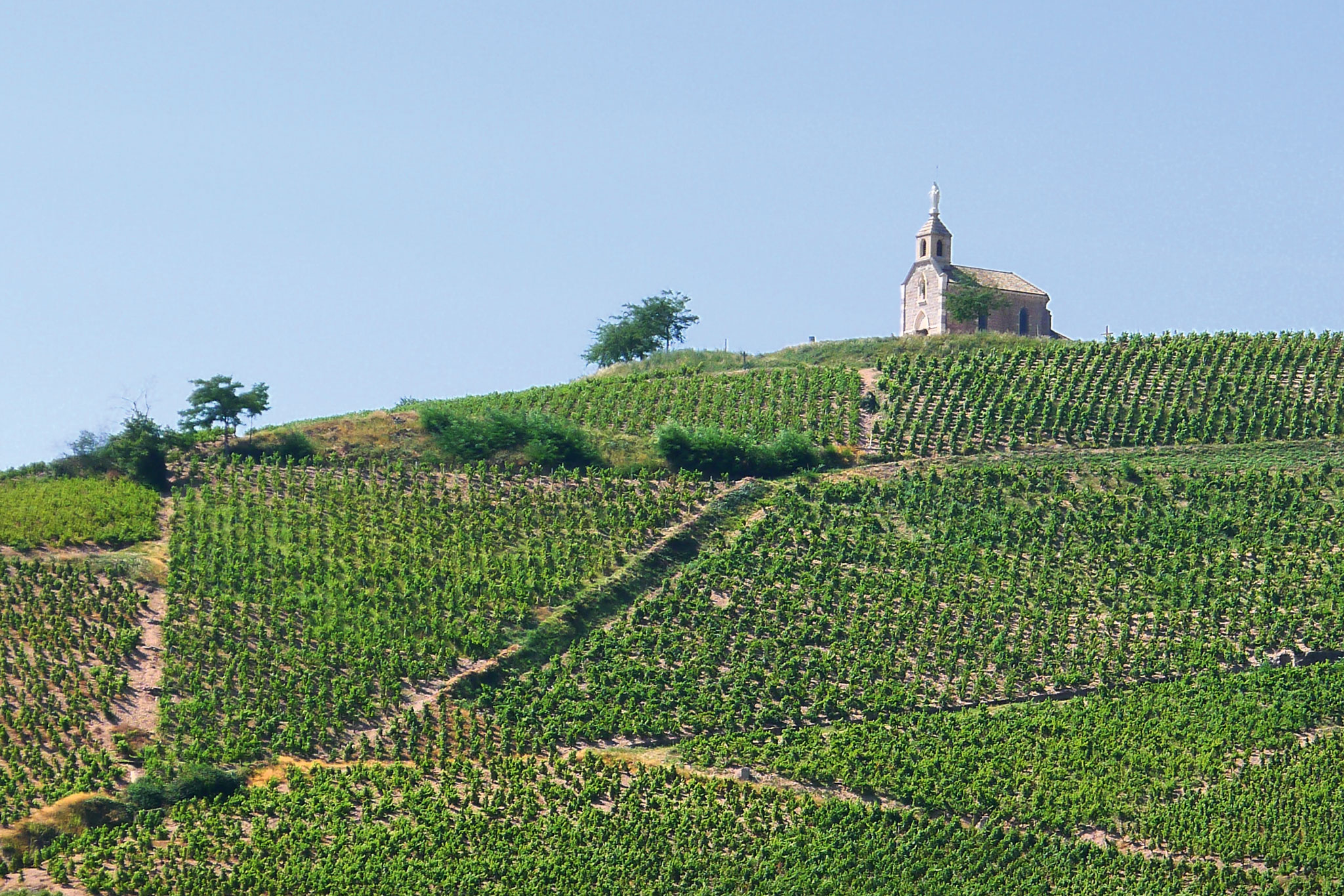
Moulin-à-Vent, Fleurie, Brouilly, Morgon: as in Burgundy or Bordeaux, the best wines in Beaujolais are not named after the region, but after a commune, a mountain (as in the case of Brouilly) or an emblematic landmark (Moulin-à-Vent = windmill).

Antoine Budker was a road and bridge engineer by profession, but his passion must have been for wine: in 1869, he published a "Carte des Vignobles des Côtes Beaujolaise, Mâconnaise & Chalonnaise", i.e. a Location map which showed the vineyards of the Beaujolais together with the northern Burgundy neighbours from Mâcon and the Côte Chalonnaise.

The best sites are highlighted in colour on the map and divided into five quality classes. In Beaujolais, first-class vineyards include, for example, "le Pis" in Villié (now known as "Côte de Py" in the AOC Morgon) or "Les Thorins" in Romanèche (i.e. Moulin-à-Vent), while second-class vineyards include Les Bachelards in Fleurie or Château Thivin in Odenas (on Mont Brouilly). As with any classification, the details are debatable. What is important and meaningful is that it was carried out at all.

The misfortune of Beaujolais was that Budker's classification coincided exactly with the phylloxera crisis - this was probably the reason why it became much less well known than the 1855 classification of the Médoc, for example. Nevertheless, before the Second World War, the best Beaujolais crus were traded at similar prices to very good Bordeaux châteaux or top wines from the Côte d'Or. However, the advent of agrochemicals and the marketing idea of "Beaujolais Primeur" led the region astray. But now a new generation of winemakers is bringing the wines back to their former glory - and to maturity!
Beaujolais Crus

A very Burgundian nose with notes of bay leaf, chocolate truffle, pepper and floral undertones as well as the familiar note of worn car tires in some Pinots as well as a pure...
Beaujolais, France
Initially very closed on the nose, slightly smoky notes, a hint of black cherry and some slightly balsamic tones. The palate is powerfully full-bodied and intense, almost fleshy,...
Beaujolais, France
Lots of slate and subtle sweet cherry on the nose. The palate initially opens softly, but is then flanked by voluptuously juicy fruit with ultra-fine tannins and an elegant thread...
Beaujolais, France

Variety profile


Gamay

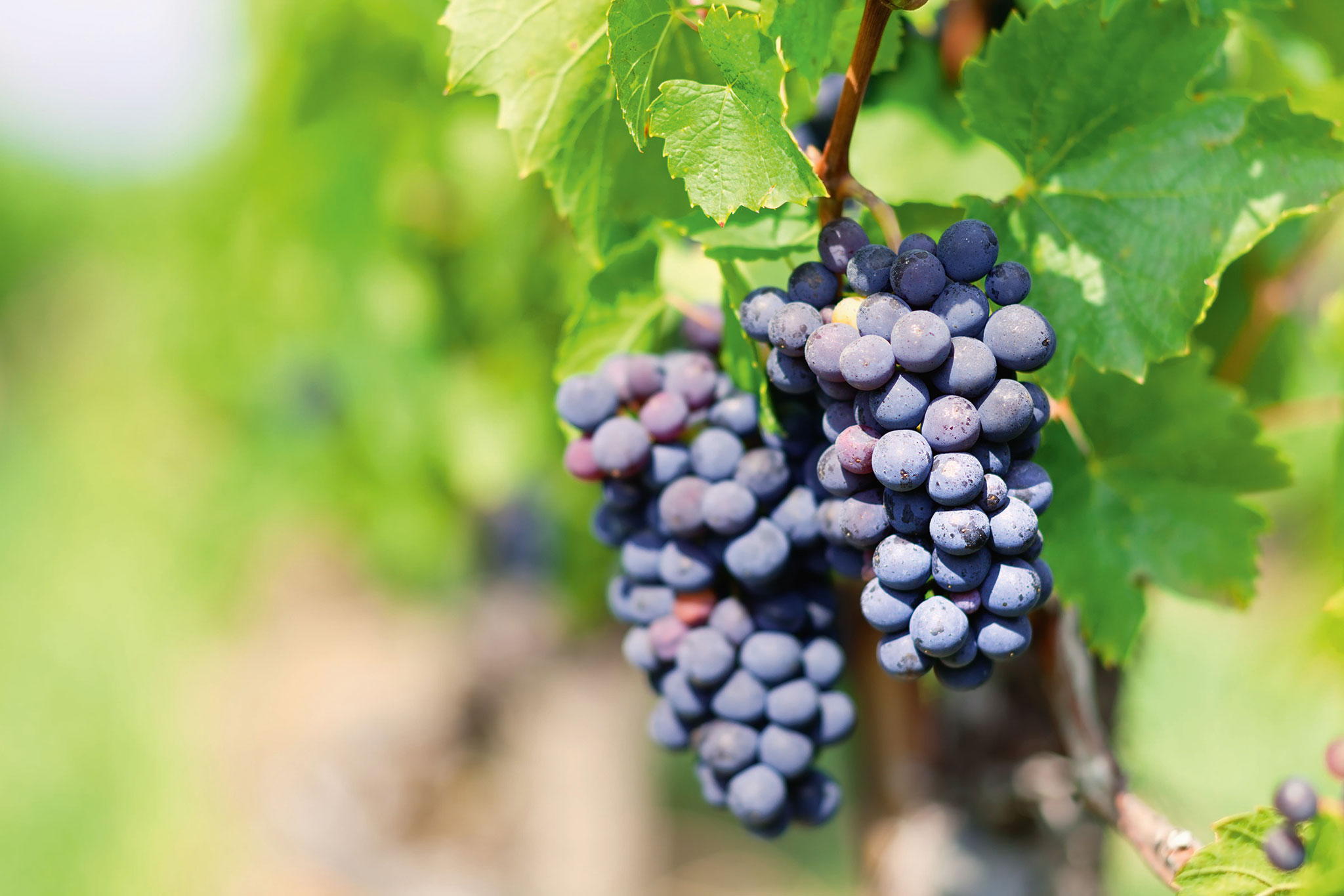
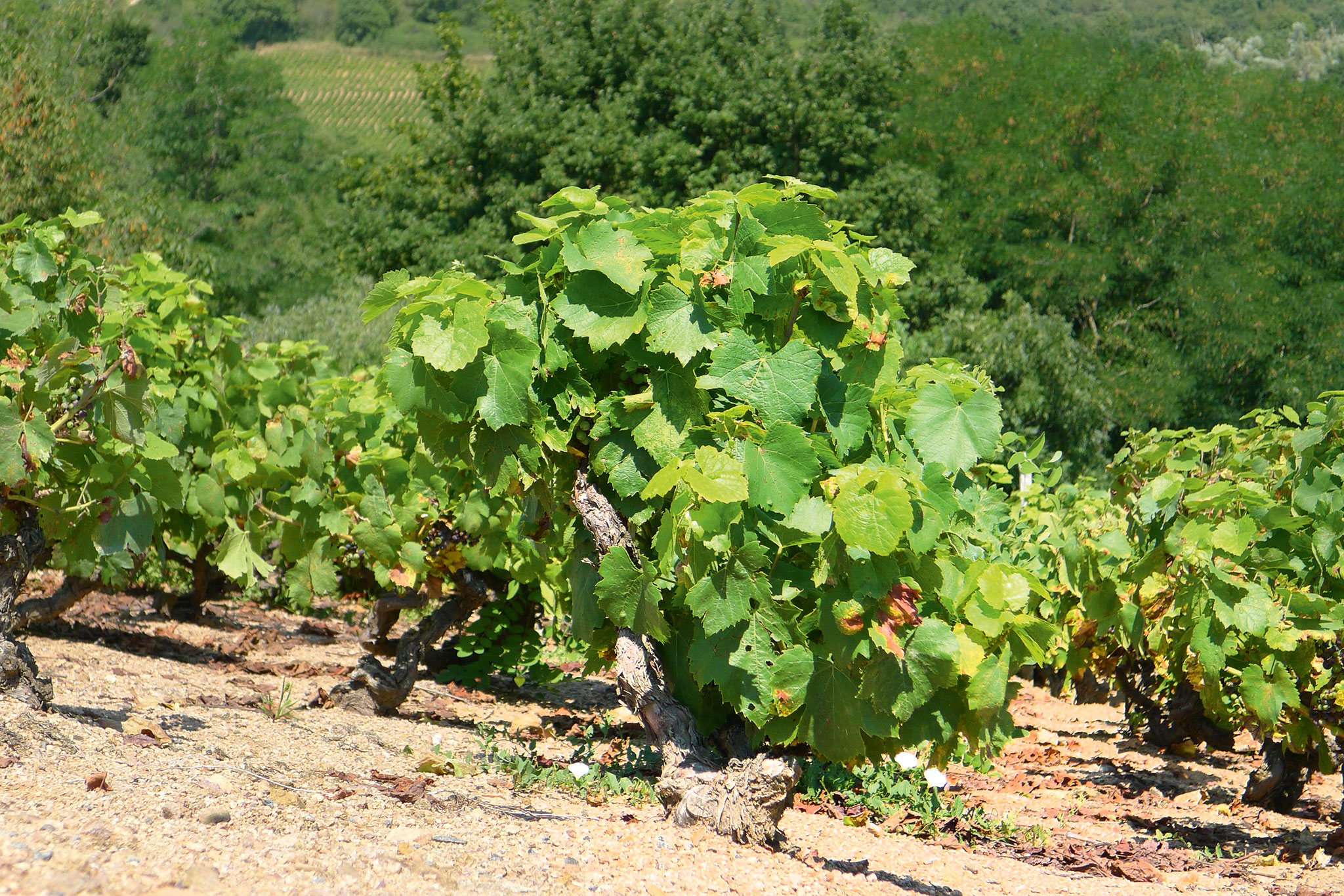
In Saint-Aubin on the Côte de Beaune, there is a hamlet called Gamay - this could be the place of origin of the variety which, according to genetic analyses, has Pinot Noir and Gouais as parents. In the Middle Ages, Gamay was also widespread on the Côte d'Or before an edict by Philip the Bold banned it from there in the 14th century. Gamay is considered to have a high yield, but the viticultural statistics of the 19th century show yields of around 30 hl/ha - similar to Pinot Noir. Even today, the yield on the top domains is not much higher. Gamay always has a lush fruitiness, but it also absorbs the minerality of the soil very well. 

Best Buys

Floral and mineral on the nose, with black cherry – richly nuanced and expressive all in one. In the mouth, the wine has a mineral foundation, on which fine-grained, grippy...
Beaujolais, France
Blackberry, elderberry and plum, almost zinfandel-like in the intensity of the berries. The palate begins as supple and then leads into a striking tactile minerality. A hint of...
Beaujolais, France
Spicy slate and intense cherry fruit, an archetypal plump aroma. In the mouth, the wine out the intensely juicy fruit with fleshy tannins. Despite the intensity and drive, the...
Beaujolais, France
Aromas of Rum Pot fruit desert, blackberry confit, even red-hot iron. In the mouth, the wine is compact and young, with a high amount of fine-grained tannin accompanied by intense...
Beaujolais, France
Plum, chocolate and very ripe fruit – hinting at the Rhône. Supple for a moment, but then also pithy, clearly salty, with grainy, firm tannins. Has drive and structure and very...
Beaujolais, France

Don't miss out!

Sign up now for our newsletter.

Ulrich Sautter
Ulrich Sautter
Wein-Chefredakteur Deutschland
Find out more
1 / 12