Skip to content

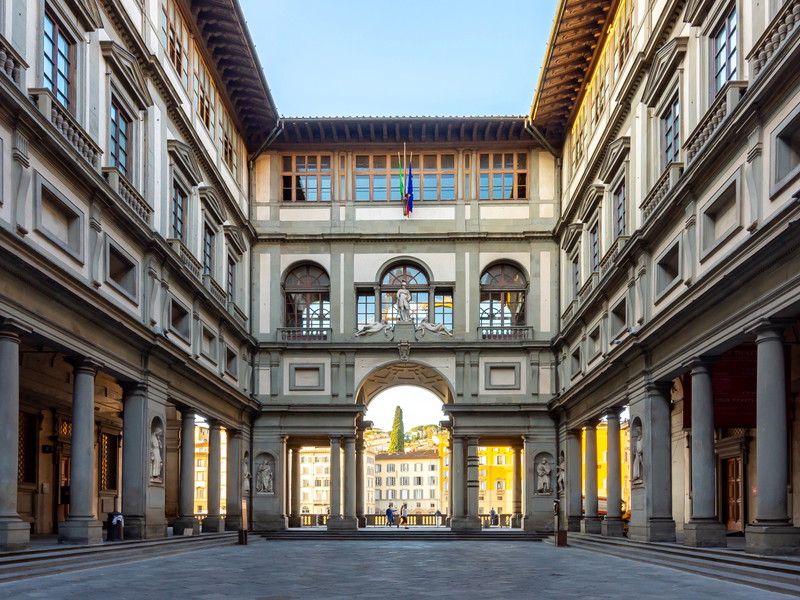
The Uffizi Gallery is home to masterpieces by Botticelli, da Vinci and Michelangelo - and represents the artistic wealth of the Renaissance city like no other place.

The Uffizi Gallery is home to masterpieces by Botticelli, da Vinci and Michelangelo - and represents the artistic wealth of the Renaissance city like no other place.
© Shutterstock

Florence goes modern

Italy
Art
Travel
Travel News

Florence was long a stronghold of the unshakable—in art, architecture, and cuisine. But even what was considered immutable for decades is suddenly shifting. A visit to what may be Europe’s most dynamic historic city.

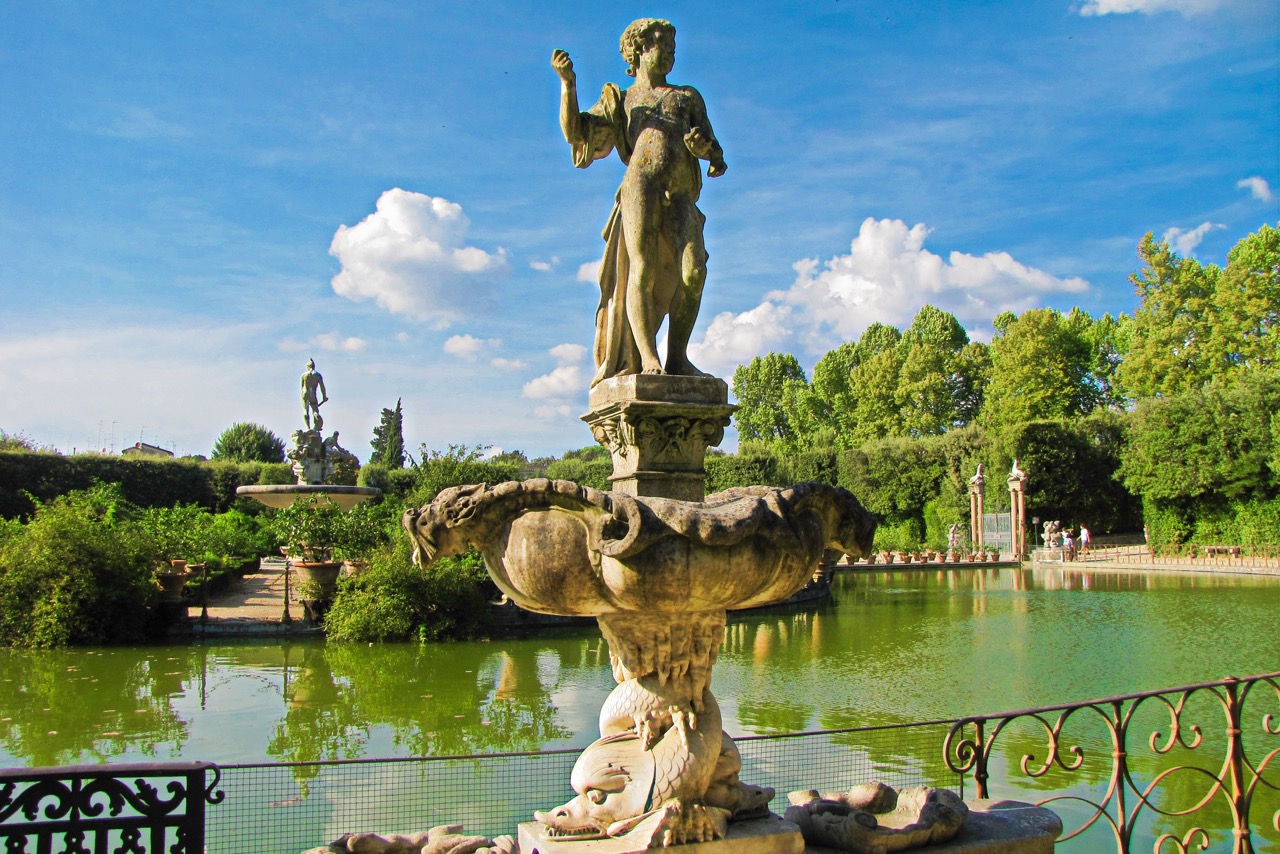
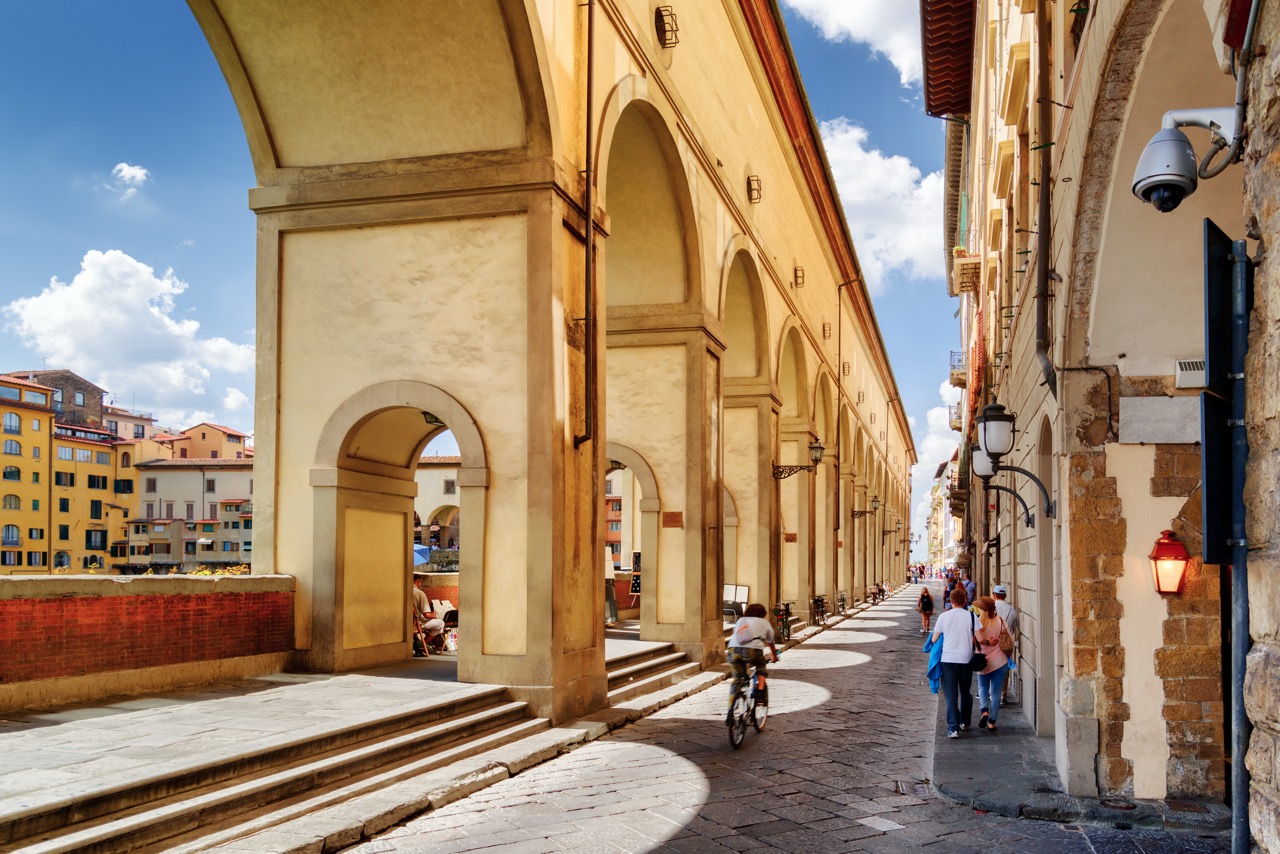
A secret passageway runs through the heart of Florence - hidden from the public eye. The so-called Vasari Corridor connects Palazzo Vecchio, the Medici's former center of power, with the Palazzo Pitti, their later residence on the other bank of the Arno. It crosses several streets, runs above the Uffizi, crosses the Ponte Vecchio, opens up in the church of Santa Felicita to a small gallery with a view into the nave - and ends after almost a kilometer in the Palazzo Pitti. Not far away, you'll find the Boboli Gardens with its artistically designed Grotta Grande, hidden in the lush green of Mediterranean citrus trees.

The Medici had the Vasari Corridor - named after their star architect Giorgio Vasari - built as a private highway between their centers of power on the north and south sides of the Arno. The piece was finished in 1565. After years of restoration, the corridor is now open to the public - something the powerful and influential Medici family would certainly not have liked. From the cloth trade to banking transactions and papal politics: the Medici were involved everywhere - and at the very top. Skilfully married into Europe's royal houses, they lived demonstratively isolated from the common people. Her patronage supported artists and still shapes the cityscape of Florence today.

Design between heaven and hell

Recently, there has been a quiet but unmistakable awakening in the air. The city, once cast in marble, is beginning to move - carried by a zeitgeist that doesn't shy away from tradition, but has the courage to change.

Modern design, young thinking and a touch of irony are moving into the stone heart of Tuscany. The Florentine architect Claudio Nardi is a pioneer of this new design approach. Years ago, he transformed an industrial ensemble on the banks of the Arno into one of the city's first design hotels"Riva Lofts". Now, he has taken on an old town house - once owned by a Florentine family. The result is an architectural labyrinth of unconventionally designed rooms of different sizes that merge charmingly into one another. Today, the ensemble houses a restaurant, café, bar, bookshop and flower store under one roof - and has become one of the city's most popular meeting places as "La Ménagère". A place that magically draws passers-by into its mysterious interior.

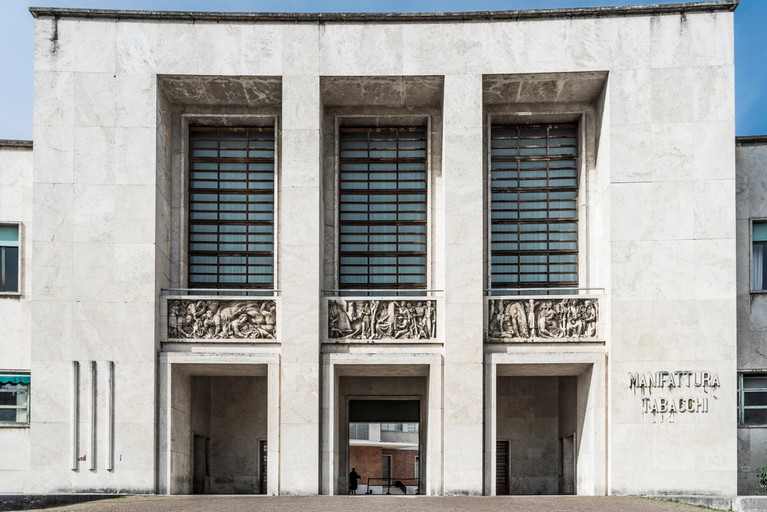
Even beyond the medieval city center, which attracts around eleven million visitors a year, something new is stirring: the once abandoned tobacco factory from the 1930s - an industrial building by Pier Luigi Nervi and an icon of Italian rationalism - has been awakened from its slumber. Spread over 100,000 square meters and 16 buildings, the Manifattura Tabacchi is an urban laboratory of the future: with apartments, an open-air cinema, design stores, bars, studios and spacious exhibition areas. Today, the area is considered one of the most exciting places in the city.

Spread across 16 buildings, Manifattura Tabacchi has become an urban laboratory for the future.
© Shutterstock
Spread across 16 buildings, Manifattura Tabacchi has become an urban laboratory for the future.

Traditional and cosmopolitan

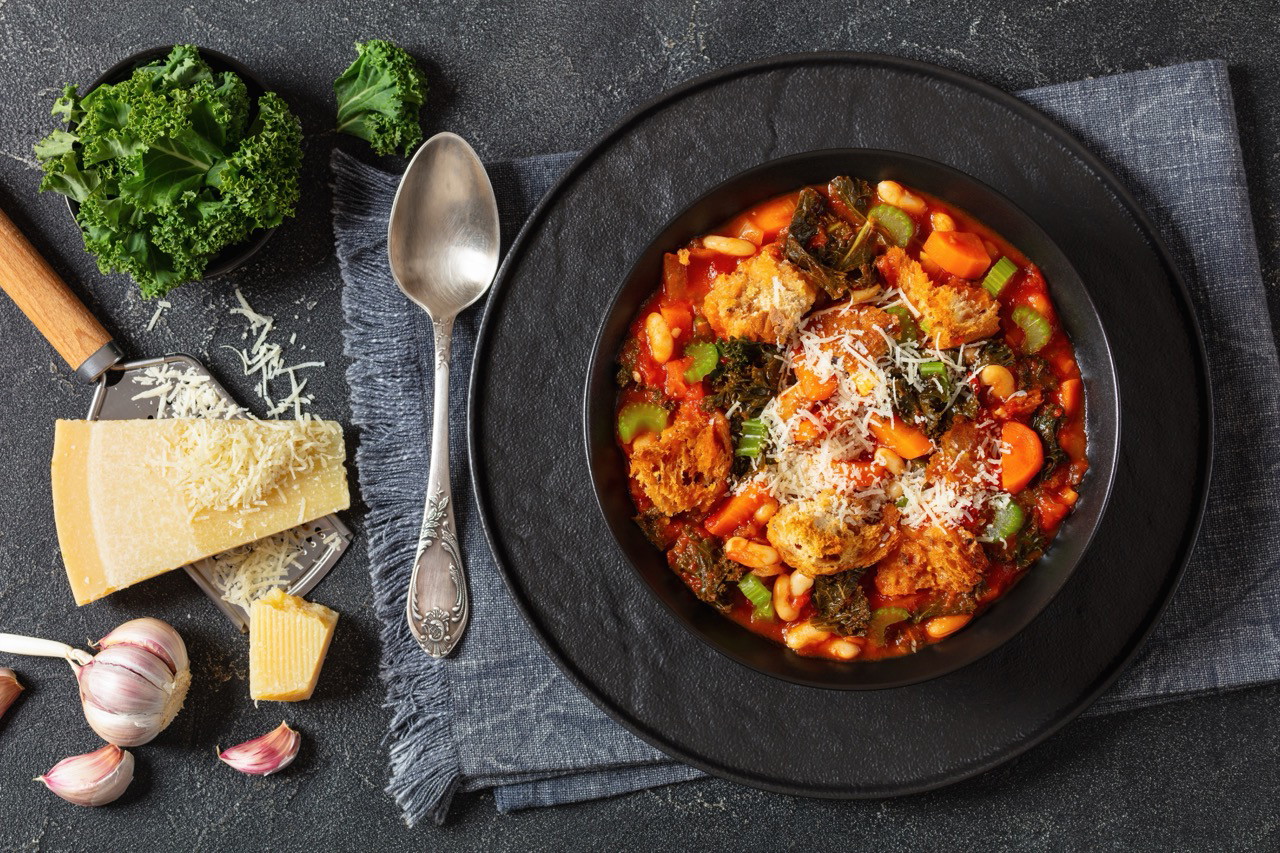
Florence's kitchens are also turning over a new leaf. Traditional Tuscan dishes such as wild boar ragout, tripe in tomato sauce or the rich ribollita bean soup are still on almost every menu, but you'll also find the classics beginning to flirt with modernity. Some are reinterpreted, others even enter into a liaison with Asian flavors.

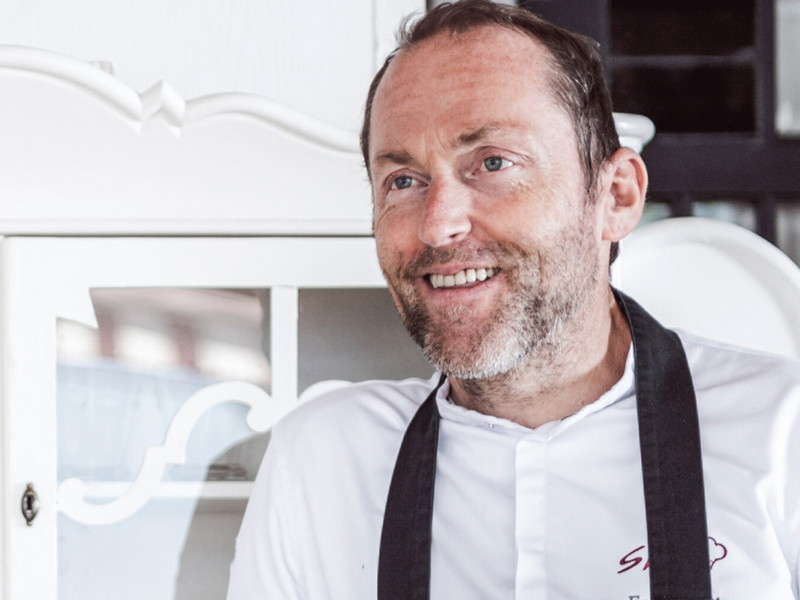
At Il Vezzo, for example. Chef Marco, originally a natural scientist, loves to play with local products - and knows how to give them new forms of expression with a delicate hand. Giovanni, a Florentine through and through and a passionate sommelier, accompanies these aromatic excursions with an exciting selection of classics, natural wines and personal discoveries. The result is a culinary work of art that is as much about craftsmanship as it is about attitude.

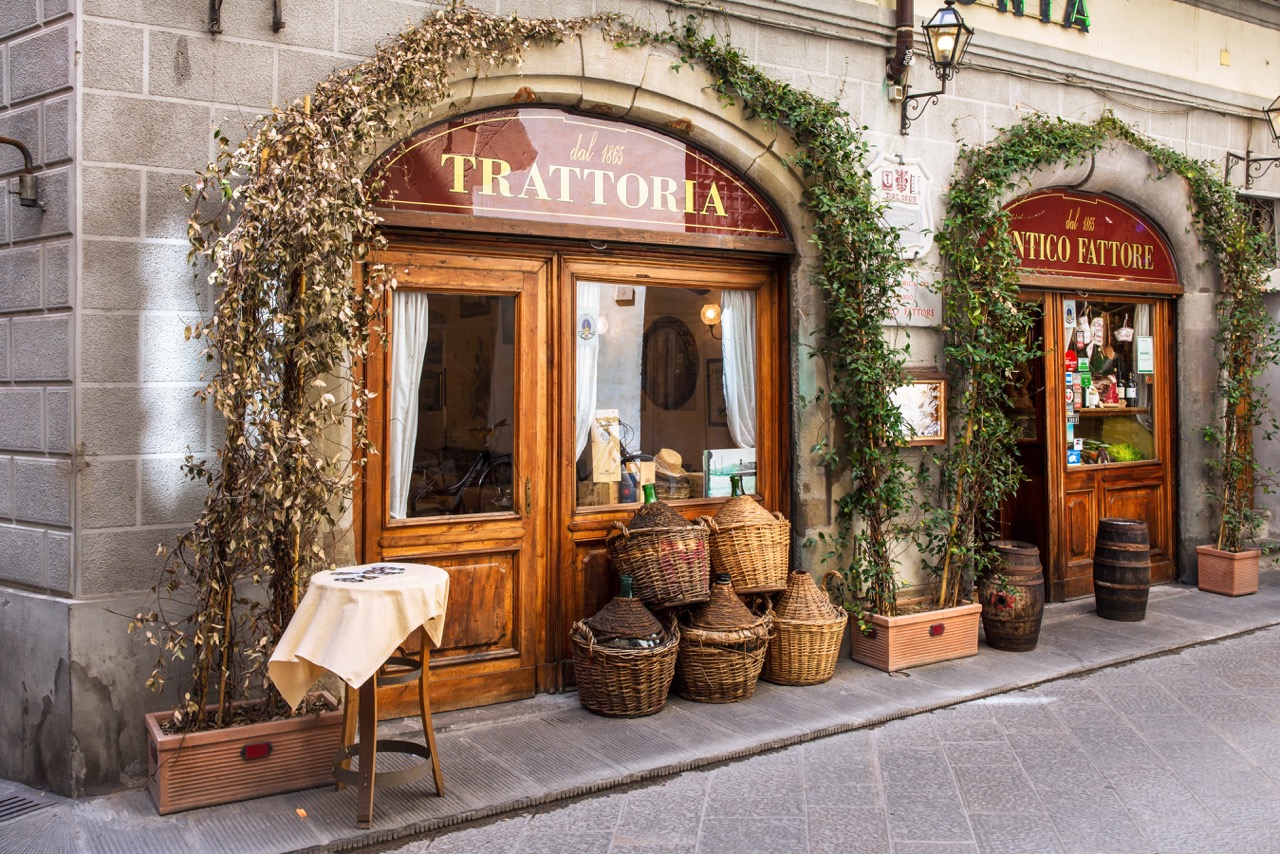
Even in traditional trattorias, a different wind is now blowing. At Da Garibardi - opposite the Mercato Centrale in the San Lorenzo district - Sabrina Risaliti and her team have adapted to new times. "We now also serve gluten-free dishes - the demand is high," says the warm-hearted hostess, who has been delighting guests with her homemade cuisine since 1989.

Other addresses follow this course, such as TÅG Bistro in the new HZERO museum, which is entirely dedicated to "senza glutine". Original: the kitchen uses steam as a culinary principle - a subtle but clever reference to the theme of the hotel: an imaginative world based around model trains. The rooms themselves, designed by architect Luigi Fragola, make reference to the aesthetics of travel. Trains, landscapes, transitions - all this is reflected in lines, light and atmosphere. The museum itself is a place for young and old and a place of longing for all those who are enthusiastic about detail: One of the most impressive model railway worlds in Europe unfolds over 280 square meters. Once a theater, the building is now a stage for trains, signals and scenes from a parallel universe on a scale of 1:87.

Sensual transformations

Florence would not be Florence if the transformation did not take place quietly and with great style. The Farmacia di Santa Maria Novella, for example - founded by Dominican monks in 1221 and the oldest pharmacy in Europe - has long since become a fragrant icon. In its magnificent historic rooms, the smell of perfumes, ointments and soaps mingles with the aura of past centuries. And although everything here is deeply rooted in history, the product line moves with the times: new recipes, new designs, always on the threshold between tradition and zeitgeist.

Less well known, but no less impressive, is the metamorphosis of the former Odeon movie theater in the Palazzo dello Strozzino, built in 1475. It stood empty for many years - now it's back as a cultural center. During the day a bookshop with over 25,000 international titles, by nightfall the hall is transformed into a movie theater of emotions: plush golden seats, international films in the original language, big screen - a tribute to the magic of cinema, carefully translated into the present.

Much of what is currently taking place behind the time-honored walls of this city still bears the title of insider tip. But one thing is certain: modernity has arrived in Florence.

The best of Florence

Hotel tips

25hours Hotel Florence

In a former bank building in Piazza San Paolino, a "crazy" hotel has been created that is bursting with creative energy and is divided into a "heaven" and a "hell" area. Conveniently, it's only a five-minute walk from the train station.
25hours-hotels.com

Hotel Bernini Palace

The oldest hotel in the city, which once served as the private residence of a 15th century family, shines with marble, antiques and its unique location close to the Palazzo Vecchio and the Uffizi.
hotelbernini.duetorrihotels.com

Ruby Bea Hotel

Situated on the edge of the city center, the historic architecture blends modern design in rich colors with influences from Italian Renaissance artists. The rooms are kept minimalist in white. Local delicacies are served for breakfast. The roof terrace bar serves cool drinks.
ruby-hotels.com

The Westin Excelsior Florence

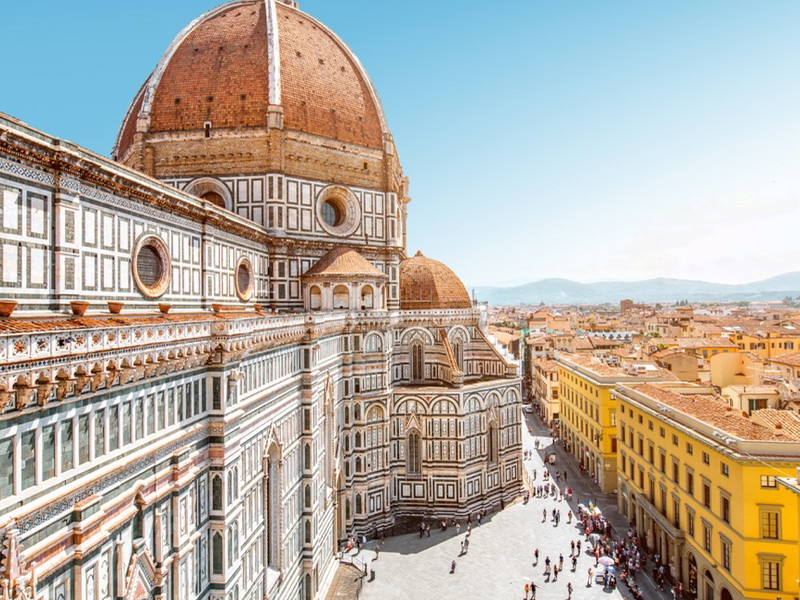
A classically elegant five-star hotel in a centuries-old palace right on the river, which opens up one of Florence's most beautiful roof terraces to its guests - with sweeping views over the Arno and the cathedral.
marriott.com

Gourmet tips

Trattoria da Garibardi

Tripe in tomato sauce, ravioli filled with pears and pecorino - Tuscan cuisine at its best. Sabrina Risaliti and her family have been looking after the physical well-being of their guests - including those with gluten intolerance - since 1989.
garibardi.it

Il Vezzo

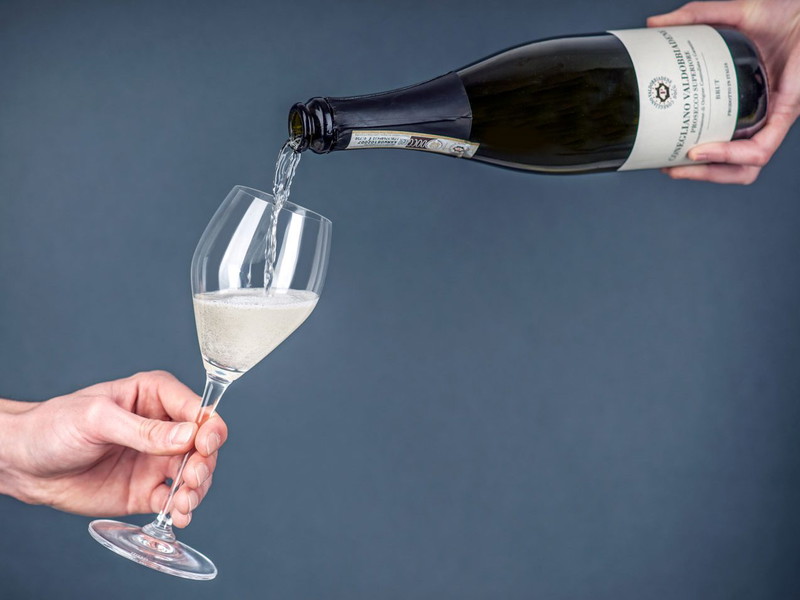
Chef Marco, once a natural scientist, loves to research products and presents them in a sophisticated way. Giovanni, a Florentine with heart and soul and sommelier, has 100 labels on the wine list, all made in Tuscany.
ilvezzofirenze.it

La Ménagère

Restaurant, bistro, café and bar; flower store, a store with beautiful things and a library with titles on the subject of botany - all this is La Ménagère, which the architect Claudio Nardi has designed in an enchanting and always surprising way.
lamenagere.it

Innocenti

In the cellar, you'll discover evidence from Roman times, on the upper floor you can dine under frescoes from the Middle Ages, including the oldest depiction of Dante. The curated wine selection and the cuisine, which combines tradition and innovation, are sure to delight.
innocentiwines.it

Cultural tips

Vasari Corridor

The almost one kilometer long covered secret passage connects the Palazzo Vecchio on the Piazza della Signoria with the Palazzo Pitti on the other bank of the Arno and ends in the Boboli Gardens.
uffizi.it

Manifattura Tabacchi

The 100,000 square meters of a former industrial area have become a new attraction for contemporary art, fashion, design, gastronomy and much more.
manifatturatabacchi.com

Fondazione Palazzo Strozzi

The once magnificent private residence of the Strozzi family is now home to highly acclaimed historical overview exhibitions of old masters and leading contemporary artists.
palazzostrozzi.org

Giunti Odeon Libreria e Cinema

The Odeon movie theater from 1922 is a fantastic bookstore during the day and mutates into a cinema with international films in the evening.
giuntiodeon.com

Brigitte Jurczyk
Author
Find out more
1 / 12