Skip to content

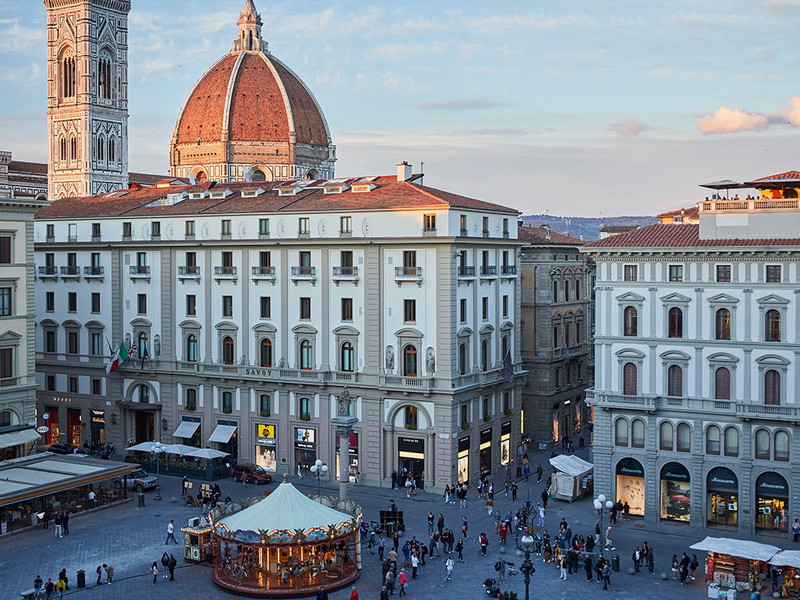
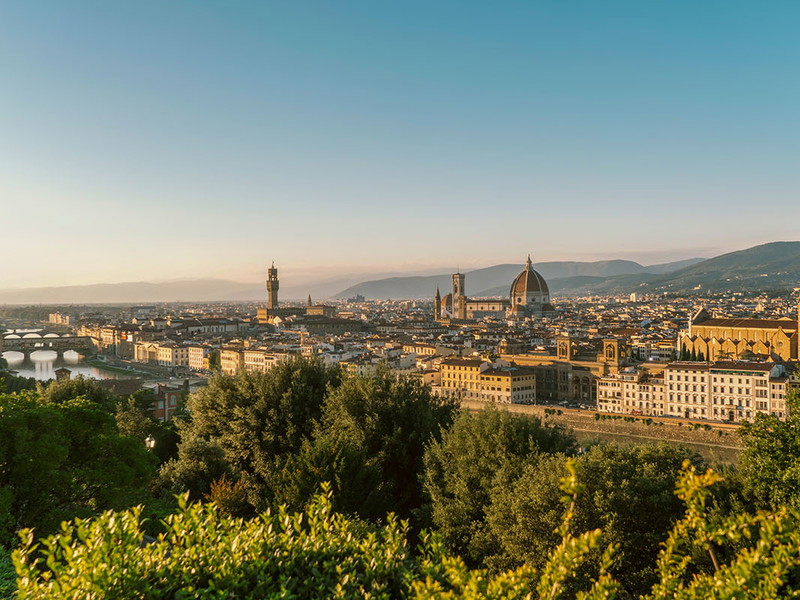
While other cities can be explored in a day visit, Florence is packed with palaces, museums, works of art and churches.

While other cities can be explored in a day visit, Florence is packed with palaces, museums, works of art and churches.
© Shutterstock

Florence takes center stage: enjoy a Tuscany trip of pleasure

Italy
Art & Cuisine
Food for the soul

In no other region of Italy is food quality taken so seriously. To this day, the markets in Florence and its surroundings bear witness to the high standards of the Tuscans.

Florence bears many honorary titles: Cradle of the Renaissance, world capital of culture. It's home to one of the greatest geniuses in the history of mankind: Leonardo da Vinci. He, Donatello and Botticelli created breathtaking works of art there, while the Medici ensured seemingly unlimited economic and cultural wealth. The Uffizi Gallery, one of the most important art collections in the world, is also at home in the Tuscan capital.

However, the most successful of all Florentine achievements is all too often overlooked: More than 1000 years ago, the concept of the food market was introduced in Florence, which made our current way of eating possible in the first place. The farmers from Tuscany commuted to the city center to sell their goods to craftsmen, rich merchants and bankers. Even then, Florentines had access to everything their hearts desired at their markets, including newly imported vegetables from America such as white beans, corn, tomatoes and potatoes. This tradition has survived to this day.

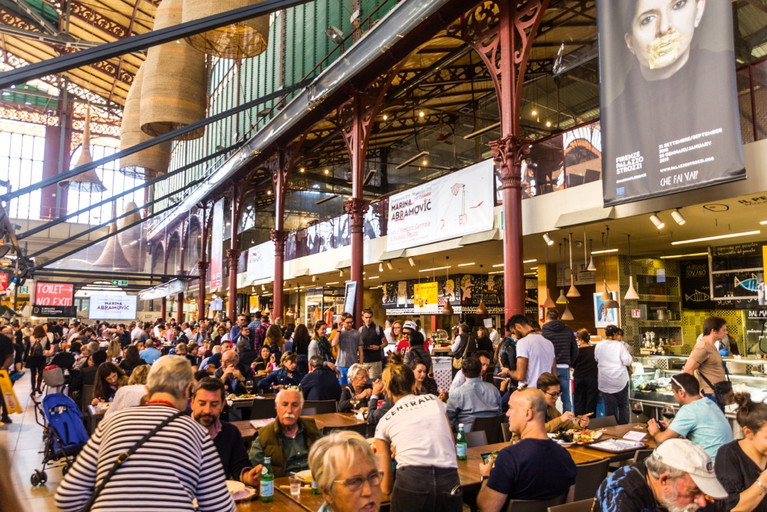
The Mercanto Centrale, the largest market hall in Florence, has existed on the same site since 1876. Spread over two floors, this unique glass and cast iron construction houses an almost limitless range of food, delicacies and gastronomic services.

The two-story Mercato Centrale is without a doubt one of the most beautiful food markets in the world.
©
The two-story Mercato Centrale is without a doubt one of the most beautiful food markets in the world.

Worthy of a king

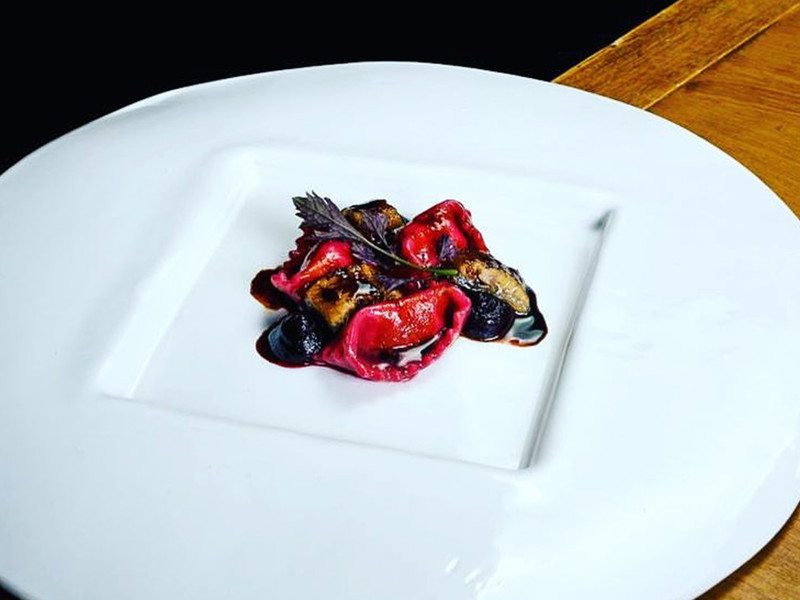
There's a reason for this wealth: probably no other region in Italy places as much emphasis on product quality and the unique taste of food as Tuscany. It's often referred to as the "cuisine of a farmer worthy of a king" and is completely without frills: no larding, no fillings, no sauces, no spices, just the occasional pinch of black pepper. Tuscan bread is salt-free, only a little olive oil is added. Nevertheless, it tastes so good that the Tuscans eat it without toppings or side dishes with a glass of wine.

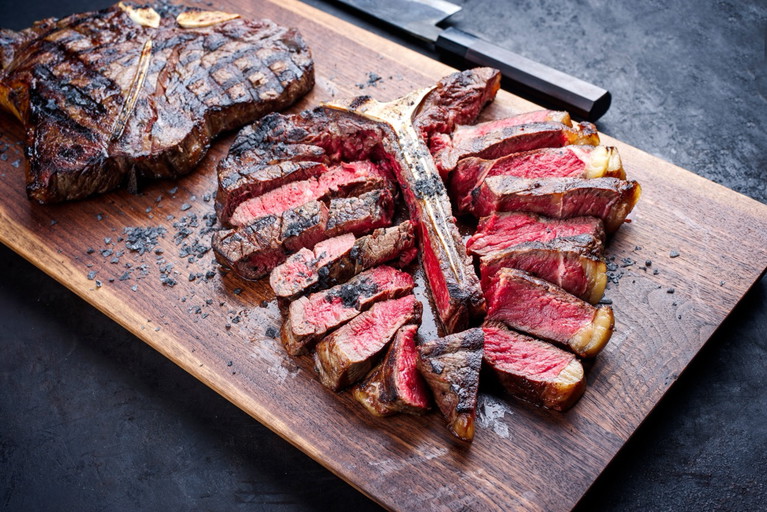
No less focused on the essentials is the most popular dish in Tuscan cuisine: bistecca alla fiorentina, roughly translated as Florentine T-bone steak. It's made solely from the loin of Chianina cattle, each portion weighs at least seven hundred grams and is placed on the grill as it comes from the butcher, without spices or salt - the only important thing is that the charcoal embers are hot but without flames and that the heat is applied to each side of the bistecca for no longer than five minutes. It goes without saying that the quality of the meat must be first-class.

Pulses

Pasta is also comparatively rare in Florence, but the Tuscans love their white beans, especially cooked in sage. There's no other province in Italy where legumes are so popular. The variety on offer is bewildering and demand is so high that Tuscan home-growing can no longer come close to meeting it: Toscanelli come from the USA, elongated cannellini from Argentina and South America, lentils from Israel and broad broad beans from Sicily.

Bistecca alla fiorentina
© Shutterstock
Bistecca alla fiorentina

Journey to wine

But a trip to the Florence region should also be all about the wine, which is inextricably linked to good Italian food. And you don't have to travel far, because between Florence and Siena lies Chianti, one of the most charming and important wine-growing regions in Italy. The wine of the same name from Chianti is a symbol of Italian wine culture worldwide. Chianti is characterized by picturesque villages with the typical stone houses of Tuscany, world-famous wineries and countless trattorias that tempt visitors with hearty dishes.

The first stage takes us to San Casciano in Val di Pesa, a pretty medieval village on a hill and the first municipality in the Chianti region. The area around San Casciano is rich in typical local products and opportunities to take part in tastings and guided tours. In the impressive Villa Le Corti with its impressive cellars, Principe Duccio Corsini not only produces fine wine, but also delicious olive oil. This is still produced in the traditional way in the Corsini family's old mill. The blend of Frantoio's different Tuscan olive varieties smells and tastes wonderful.

After a worthwhile turn through the vineyards of Antinori, the route continues along a short stretch of unpaved road towards Panzano. Here, you'll find a whole range of first-class wine producers: Fontodi, Castello dei Rampolla and, of course, Tenuta La Massa in the best location of Panzano in the Chianti-Clasico region. This is the realm of Giampaolo Motta. You can taste the terroir of Panzano with its freshness and spicy notes in the wines of this native Neapolitan. A visit to his futuristic wine cellar, which, like the wine, bears the signature of Giampaolo Motta.

When in Panzano, you should visit the Dario Cecchini Duty. The charismatic butcher is one of Tuscany's cult figures. In the sales room of his famous butcher's shop, meat lovers will find their land of milk and honey, because everything here revolves around beef. Cecchini and his wife now also run three restaurants. In the Officina della Bistecca, the traditional flagship, you sit at a large table with strangers who quickly become friends.

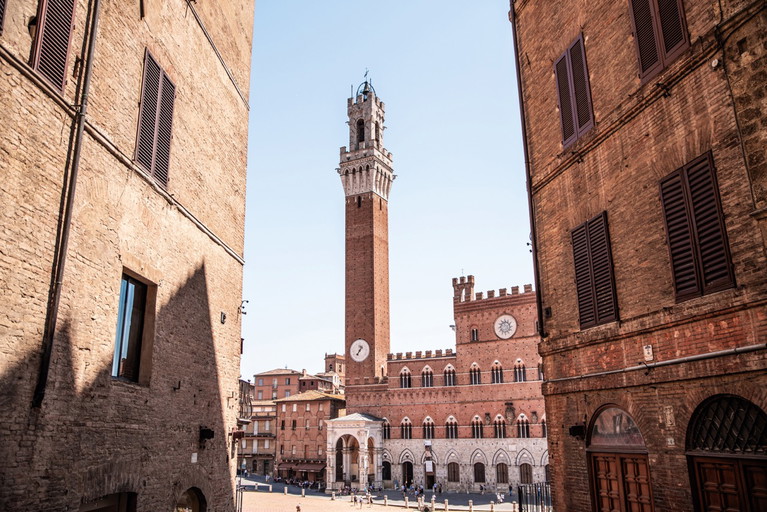
The route continues via Castellina and Fonterutoli to Siena with its impressive main square, the Piazza del Campo. A trip to Siena is only complete when you try the local specialties. Among the many great products is the Pecorino di Pienza - Siena's most famous cheese, which is made from sheep's milk and has an incredible flavor when combined with honey.

On the way back north, past Borgo San Felice, you'll encounter the mighty Castello di Brolio, where Barone Bettino Ricasoli once laid down the formula for Chianti Classico. The wine store at the foot of the castle is a worthwhile destination for buying wine. The route continues through dense forest and narrow valleys to Gaiole. The local butcher's shop Chini is known for its salamis.

Olive oil

The gold of the south

Tuscan olive oil is praised all over the world for its high quality.

Olives in Tuscany are usually harvested at the end of October or beginning of November - often by hand, as this causes the least damage to the fruit. The olives must be washed and processed in a mill no later than 48 hours after harvesting: With skin and pits, they end up in a traditional stone press or a centrifugal press.

The best oil comes from the province of Lucca, where the hills combine sea and land air, making the olives particularly tasty. On average, 100 kilos of olives yield no more than twelve to 13 liters of oil, which is one reason why olive oil from Tuscany is not exactly one of the cheapest edible oils.

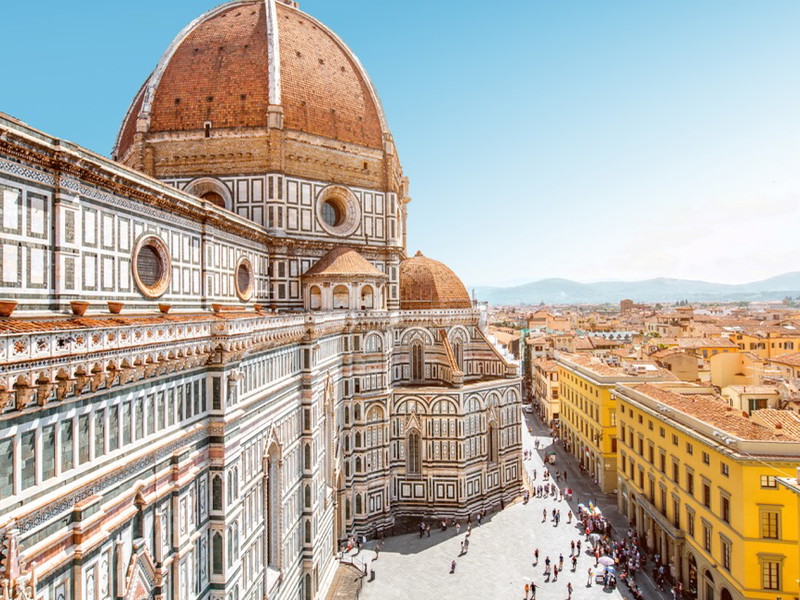
Florence takes centre stage
©
Florence takes centre stage

Redaktion
Find out more
1 / 12