Skip to content
© Julien Bouvier

France wins the Bocuse d’Or 2025 – Nordic countries dominate the podium

France
denmark
Sweden

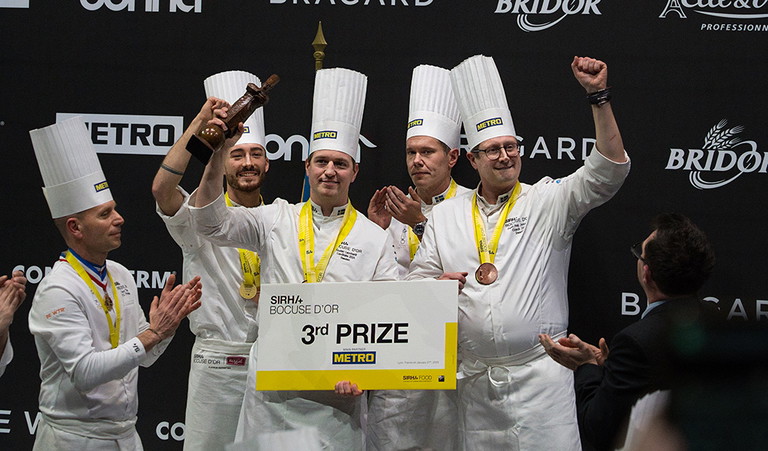
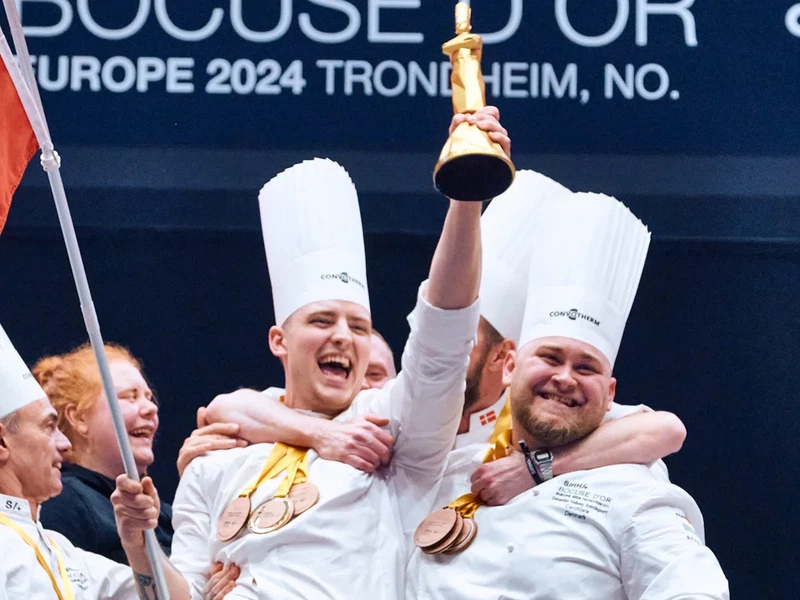
The Bocuse d’Or 2025 in Lyon ended in a thrilling showdown, with France emerging as the winner. The Nordic countries, which have dominated the competition in recent years, secured the remaining top spots, with Denmark the runner-up and Sweden finishing third.

Often referred to as the World Culinary Championship, the 20th edition of the prestigious Bocuse d’Or competition saw 24 candidates from across the globe face off in Lyon. Over an intense 5 hours and 30 minutes, the chefs were tasked with presenting two themes: one as a platter and the other as a plated dish.

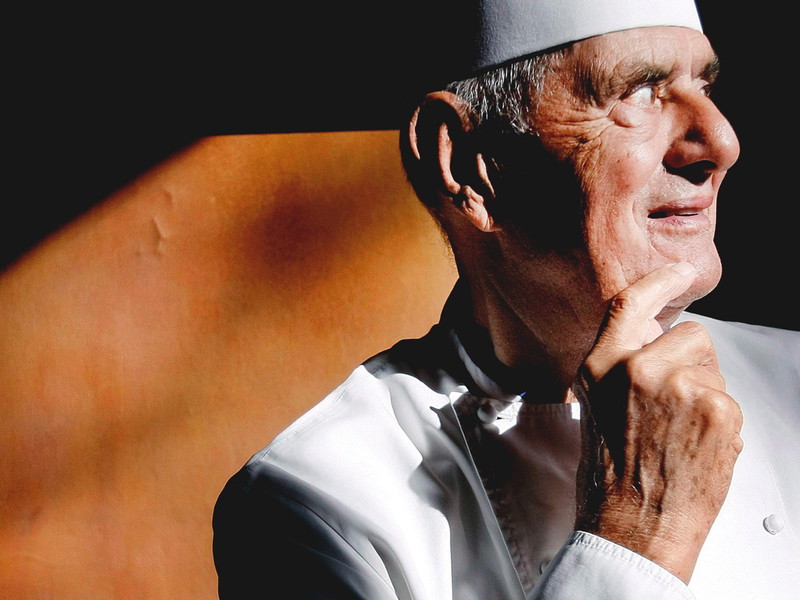
This year’s competition had a special focus on local ingredients. For the platter, chefs were required to use roe deer, which had to be presented in three cuts and accompanied by two garnishes, with a third served on the side. The first was to be a hot pie filled with foie gras, while the second had to be vegetable-based and highlight produce native to each candidate’s home country. For the final side dish, the chefs crafted two-tone ravioli served alongside a clarified roe deer consommé infused with tea. These themes were devised as a tribute to competition's founder, Paul Bocuse, a luminary in French gastronomy renowned for his love of venison and fine ingredients. For the plated theme, the challenge was to elevate celeriac root (including the stalks and leaves), along with meagre (also known as stone bass), and lobster.

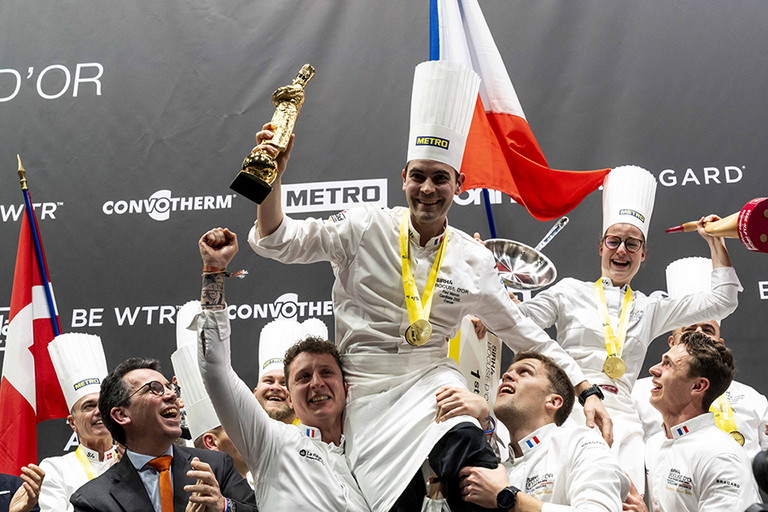
The winners were finally decided on Monday, January 27th on the last day of the finals at the Sirha Lyon: France, represented by Paul Marcon and his commis Camille Pigot managed to bring the coveted trophy back home. Denmark, represented by Sebastian Holberg, secured second place, while Sweden, represented by Gustav Leonhardt, completed the podium.

©Nicolas Reynaud

Paul Marcon’s victory carries special significance, as he clinched the golden statuette 30 years after his father, Régis Marcon, achieved the same honor. The young French chef, a seasoned competitor, impressed the jury by showcasing the culinary heritage of his region. His plate, which combined green apple and Chartreuse with the compulsory celeriac, meagre, and lobster, stood out for its innovation and finesse. For the platter, Marcon paid homage to his roots by incorporating mushrooms from his home region. Camille Pigot also received the prestigious Best Commis Award, granting France an additional triumph.

© Julien Bouvier

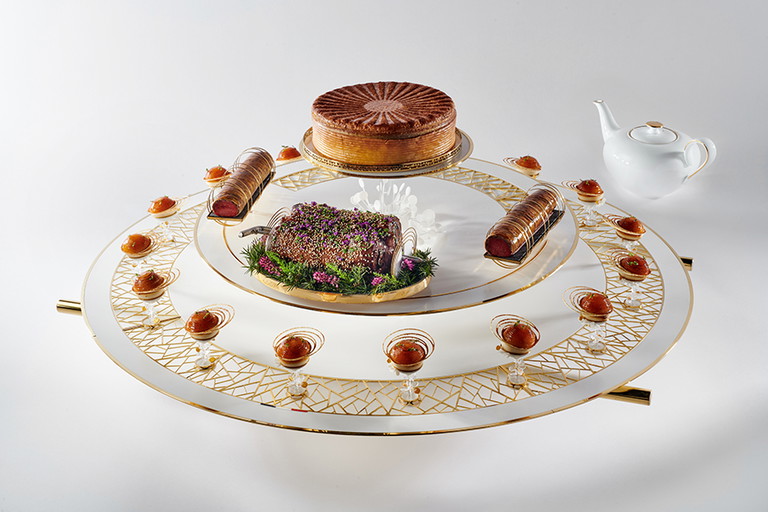
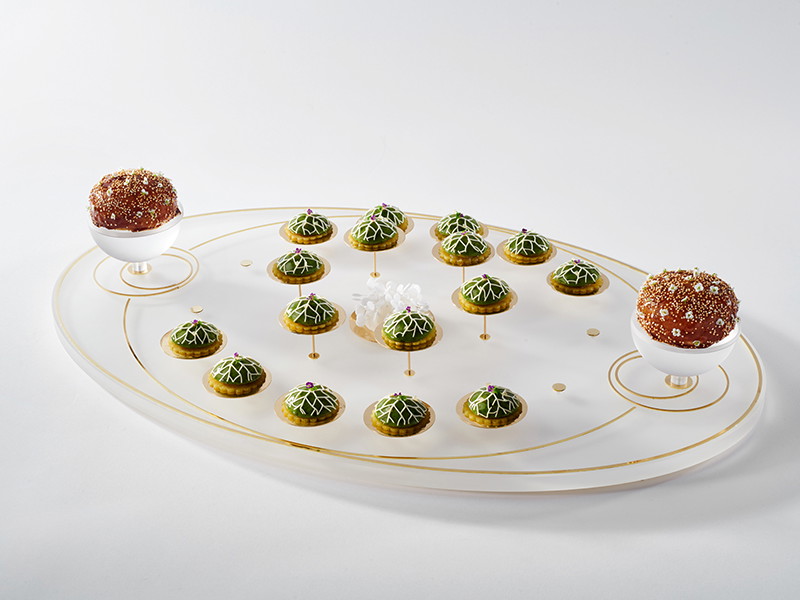
The Platter from France boasted a fruit garnish inspired by the famous "Tarte Tatin", resplendent in gold and using apples and quinces from the Rhône Valley, with a touch of citrus from the south of France. The venison saddle was roasted "à la broche" and glazed, with mushroom scales painstakingly crafted by hand. For the pie, Marcon's team used French red wine to braise the shoulder and foie gras from Périgord, paired with crisp puff pastry.

@ Julien Bouvier

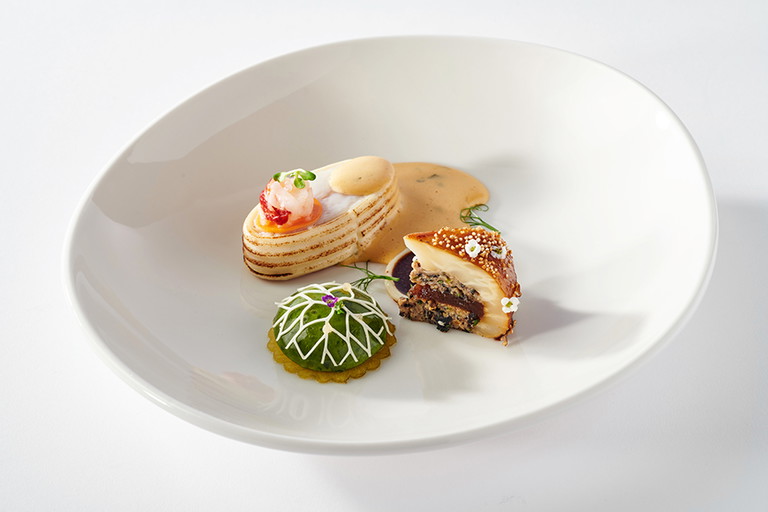
The Plated dish from France saw the meagre baked in butter infused with fish bones and stuffed with spicy lobster claws alongside a lobster "médaillon." It was served with celeriac "tourné" with mushrooms and celeriac jelly, celery flavored with lovage, Chartreuse, lemon, and green apple. A lobster sabayon was made with champagne, roti, and fermented celeriac jus, and finished with "Cazette" oil.

@ Peter Husted Sylvest

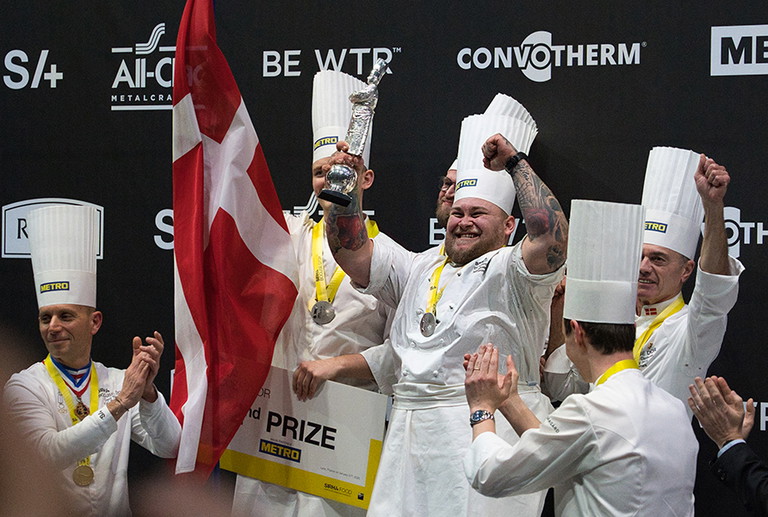
The Nordic countries once again delivered outstanding performances, continuing their tradition of excellence at the Bocuse d’Or. Denmark's Sebastian Holbom claimed the silver medal with candidate Sebastian Holberg, commis Philip Nilsen, coach Ronni Mortensen and president Francis Cardenau, while Sweden's Gustav Leonhardt secured bronze alongside commis Noel Moglia, coach Peter Ask Jelksäter and president Tommy Myllymäki, solidifying their place among the world’s culinary elite.

© Peter Husted Sylvest

Don't miss out!

Sign up now for our newsletter.

Tove Oskarsson Henckel
Find out more
1 / 12