Skip to content
@ Mikkel Bækgaard

Norway’s sparkling secret: How apple cider became the champagne of the fjords

Norway
Apple
Cider

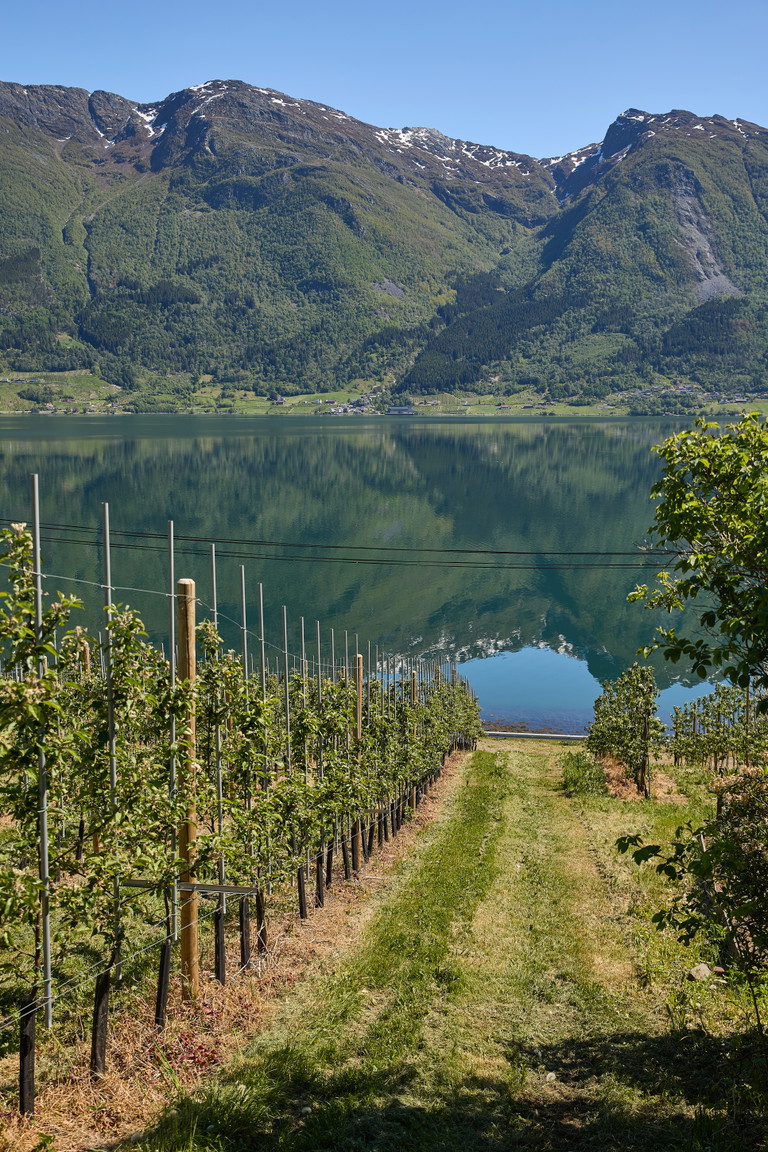
Deep in Norway’s dramatic landscape, something effervescent is happening. Here, in orchards nestled between towering mountains and deep crystal-clear fjords, traditional dessert apples are being transformed into ciders that rival fine wines and crisp champagnes in both elegance and complexity.

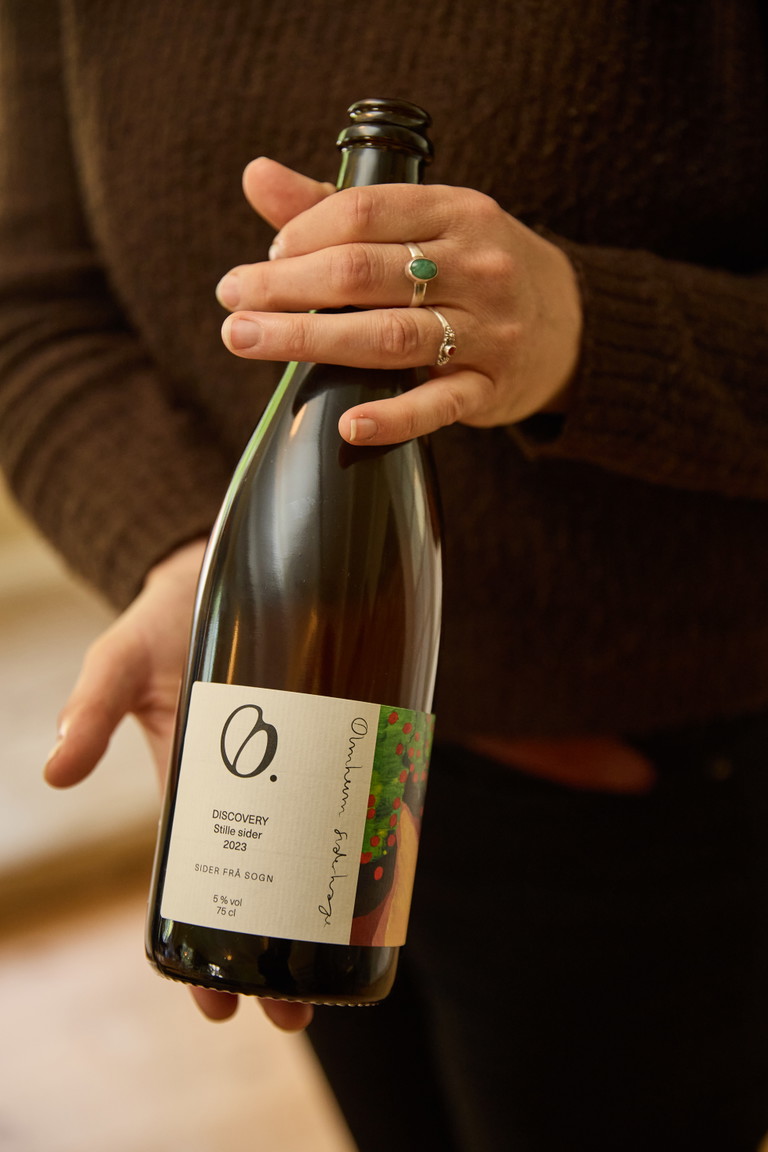
When you hear names like Gravenstein or Discovery, you might think of sweet apples enjoyed fresh from the tree. Structured, vinous sparkling drinks with bright acidity might not be the first thing to come to mind. Yet these very apples form the backbone of Norway’s modern cider revolution. Over the past 25 years, Norwegian cider has grown from a rural tradition to a sophisticated product served in renowned top restaurants and sold at premium prices.

From pie to bubbles

@ Mikkel Bækgaard

Unlike France or England, where cider makers often rely on bitter, tannic apple varieties, Norway’s climate allows for something special: The long, cool growing season concentrates acidity and encourages balance in fruit that would be far too sweet elsewhere. “As the temperatures drop, the apples develop this beautiful acidity,” Asbjørn Børsheim of Ulvik Frukt & Cideri, one of the country’s cider pioneers explains.  “Take the Gravenstein apple. In Denmark, you couldn’t make cider from it. Here, in our fjords, it works beautifully. We don’t need special cider apples — and that has shaped our entire movement.”

This distinctive Nordic approach results in ciders that are clean and refreshingly crisp — more reminiscent of wine than the rustic farmhouse styles found in many other places. Most producers intentionally lean into this elegant character, refining their techniques to create truly expressive beverages.

Taking cues from Champagne

@ Mikkel Bækgaard

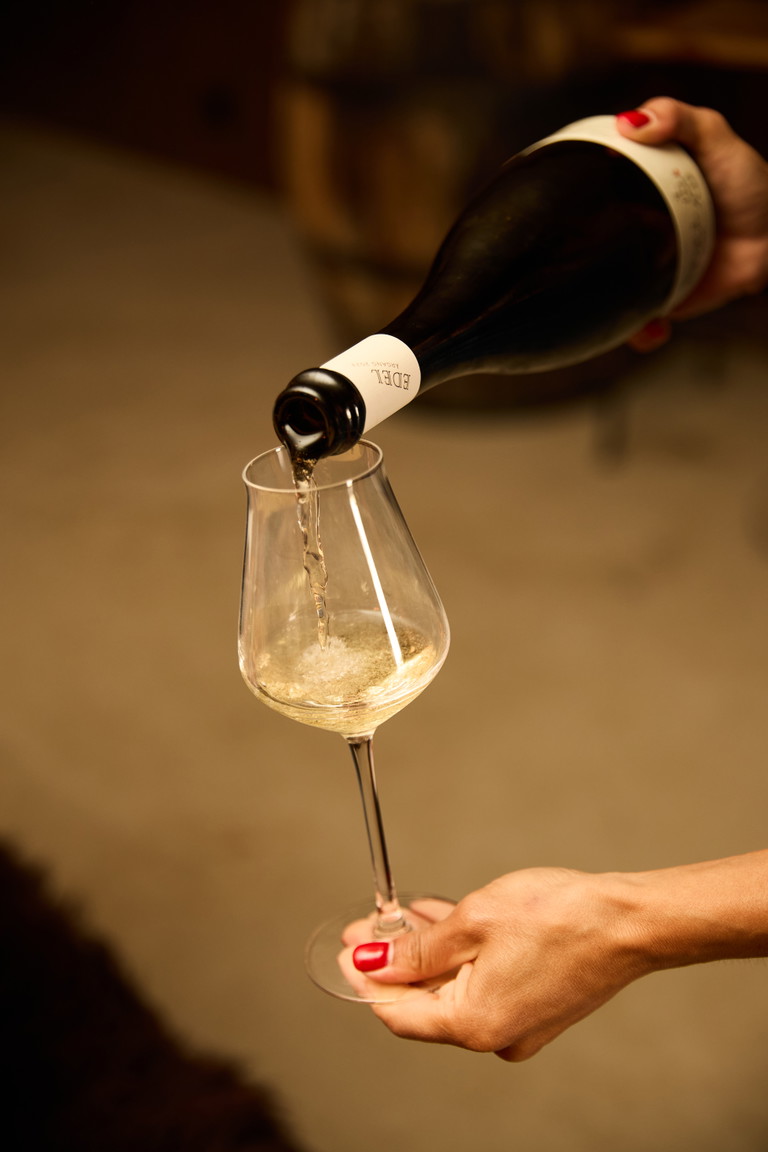
Arita and Gjermund Åkre of Edel Sider are among those raisng cider to new heights. “Our taste is closer to wine. We wanted our bottles to reflect that,” Arita Åkre says. At first, Edel Sider worked with simple carbonation — fermenting, filtering, bottling and then adding CO₂ — a common and approachable method. But soon they started experimenting with more ambitious techniques: charmat (tank fermentation), pét-nat (bottled with live yeast), and, most dramatically, the traditional Champagne method. Their ambition bore fruit: Their flagship cuvée, made from Bramley apples, undergoes secondary fermentation in the bottle and ages on the lees for four years. “People said you couldn’t do that with apples. But you can. It gives layers of flavor and a truly complex profile. It’s expensive and risky — but it’s also the future,” Arita Åkre explains.

Metamorphoses

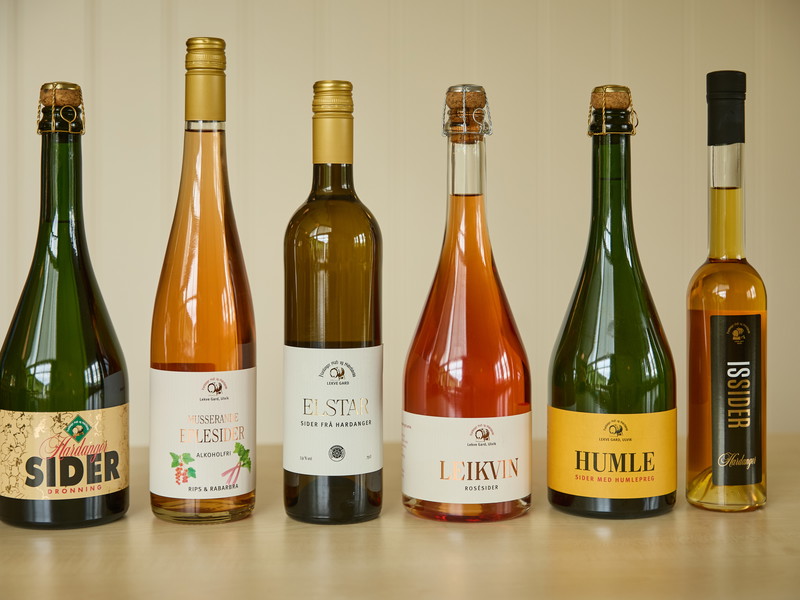
While some cider makers focus on traditional flavors, others experiment: Rosé ciders, made by adding raspberries, have become popular for their bright color and fruity flavor. A few producers even add hops to bring a subtle bitterness and edge.

At Hardanger Saft og Siderfabrikk in Ulvik, one standout  even combines raspberries and hops. The result is a fresh, floral, gentle rosé that feels like a sparkling summer wine with an intriguing bitter finish.

A tradition reborn

Even though cider production is on the rise, Hardangerfjord, often called Norway’s fruit basket, and other areas have a long history of small-scale cider making. For centuries, farmers pressed and fermented their own apples for private consumption. But strict alcohol laws meant no one could sell their ciders commercially. That changed only in the past 25 years, first with limited sales through the state monopoly and later, from 2016, direct farm sales of beverages under 22%.

Asbjørn Børsheim and other early producers travelled to Normandy to learn traditional techniques and brought that knowledge back home. Today, Norway boasts a vibrant cider culture with a growing number of independent producers, many located in the spectacular fjord landscapes.

Producers are also trying to team up, making a more collective brand effort by getting recognition as unique geographical products among other things. Since 2011, Cider fra Hardanger has been a protected geographical indication, similar to Champagne. Only ciders made from Hardanger apples and without added ingredients can carry the name. And the Sognefjord area is working on a similar indication.
Pairing up

@ Mikkel Bækgaard

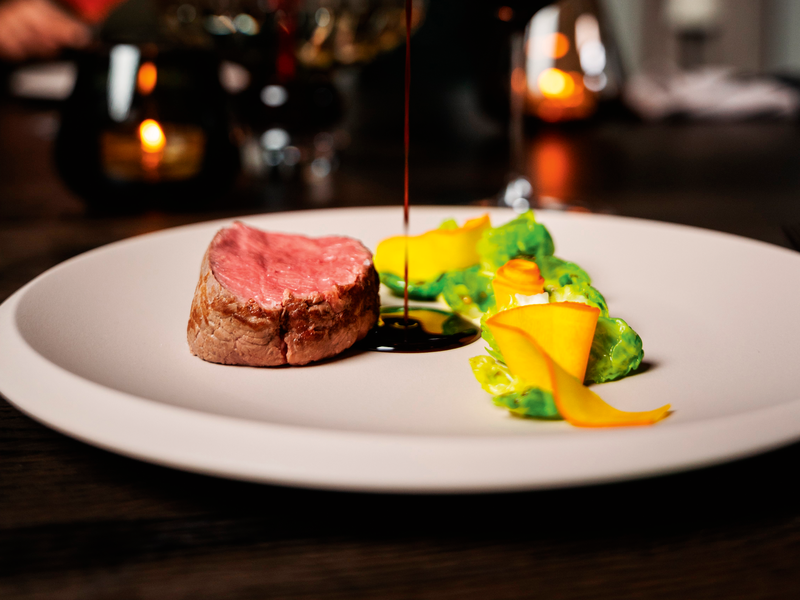
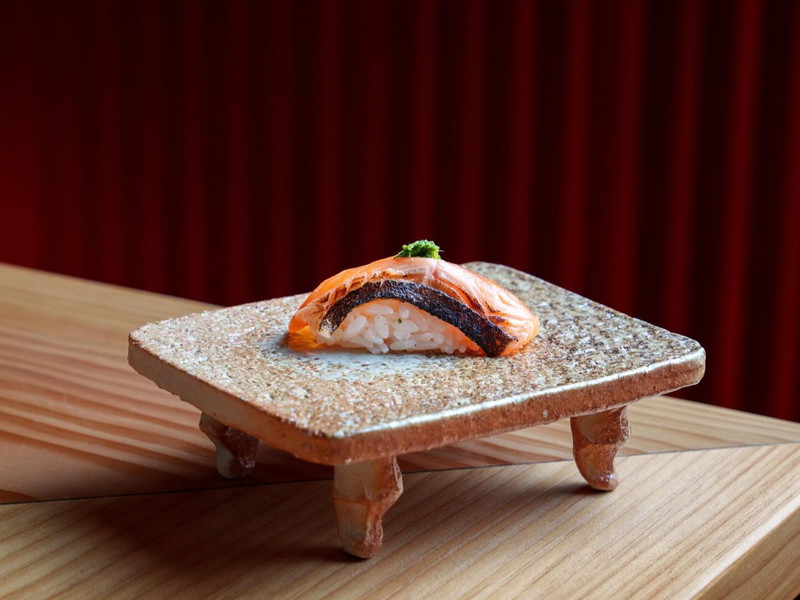
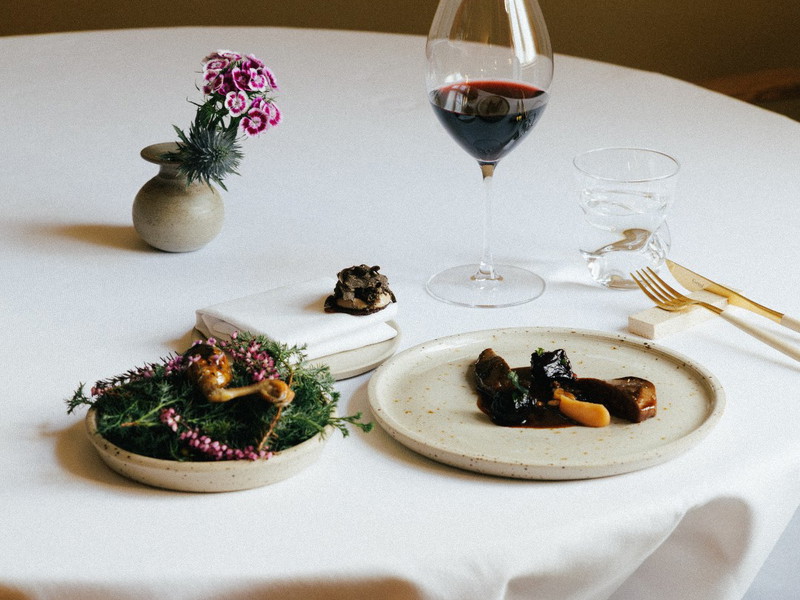
The more playful cider styles – including the aforementioned raspberries or hops – can’t be sold under the protected Cider fra Hardanger label, which requires only apples, yeast and nothing else. But their popularity shows how dynamic the Norwegian cider scene has become. Also when it comes to choosing the best ciders to pair with food, numerous efforts are underway. Norway has launched its own pommelier training program, a cider counterpart to the sommelier, underlining how seriously Norway now takes its sparkling apple wines. Pairings with seafood, Nordic cuisine and cheeses are a particular focus.

So even though the professional side of Norwegian cider production may be young, it’s already carving out a distinct identity. Elegant, clean, and made from humble dessert apples, these bottles carry both the taste of the fjords and the ambition of a new generation.

Mikkel Bækgaard
Author
Find out more
1 / 12