
Skip to content

Remarkable Architectural Landmarks in Mexico City

Mexico

Unapologetic and vibrant, Mexico City is an ideal place to spend a weekend. While the cultural mecca draws an international crowd eager to experience the unique array of restaurants, the city has an architectural side that must be highlighted. These are the remarkable structures that have left an impressive and indelible mark in the city’s architectural legacy.

Casa Gilardi

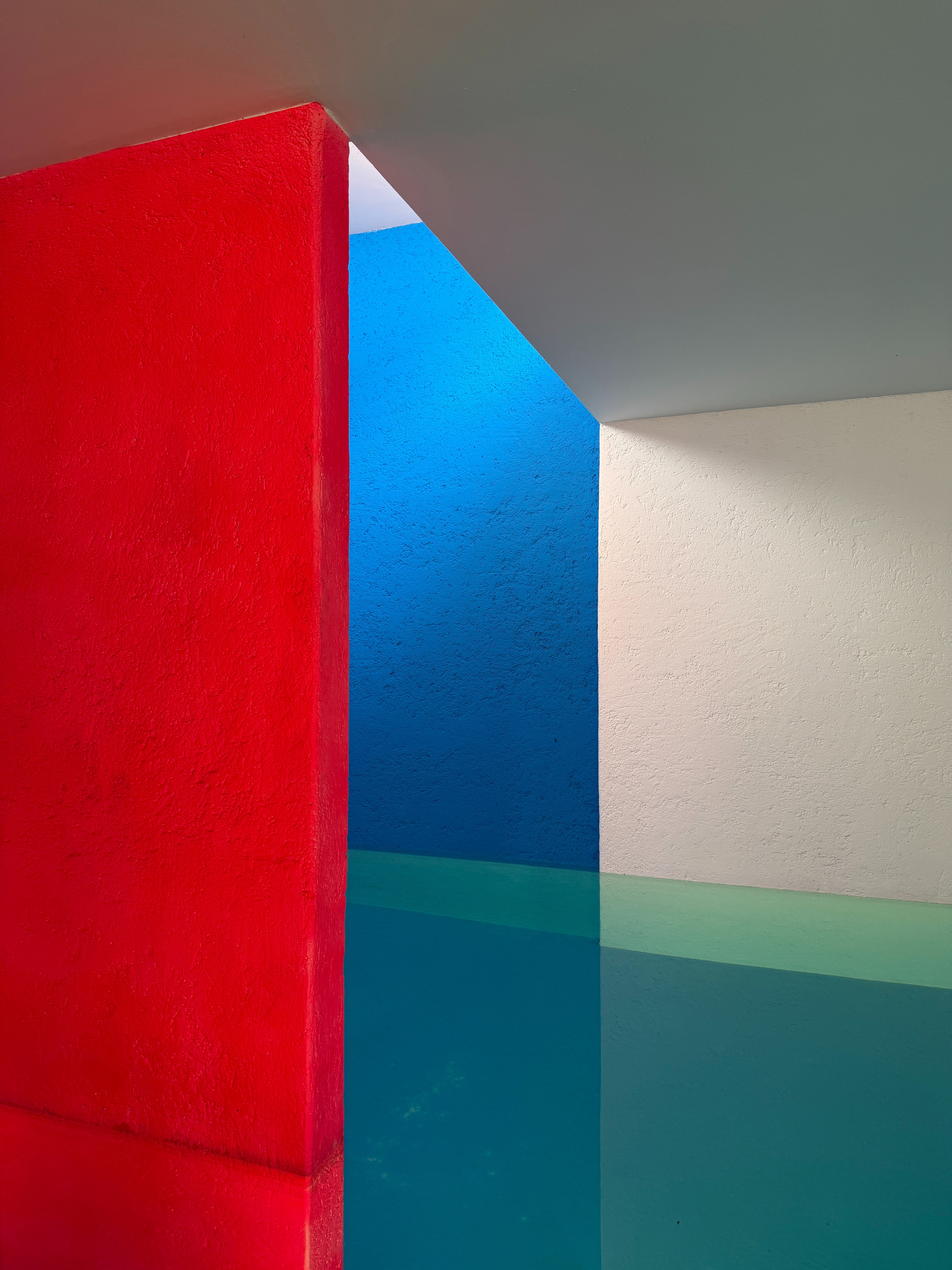
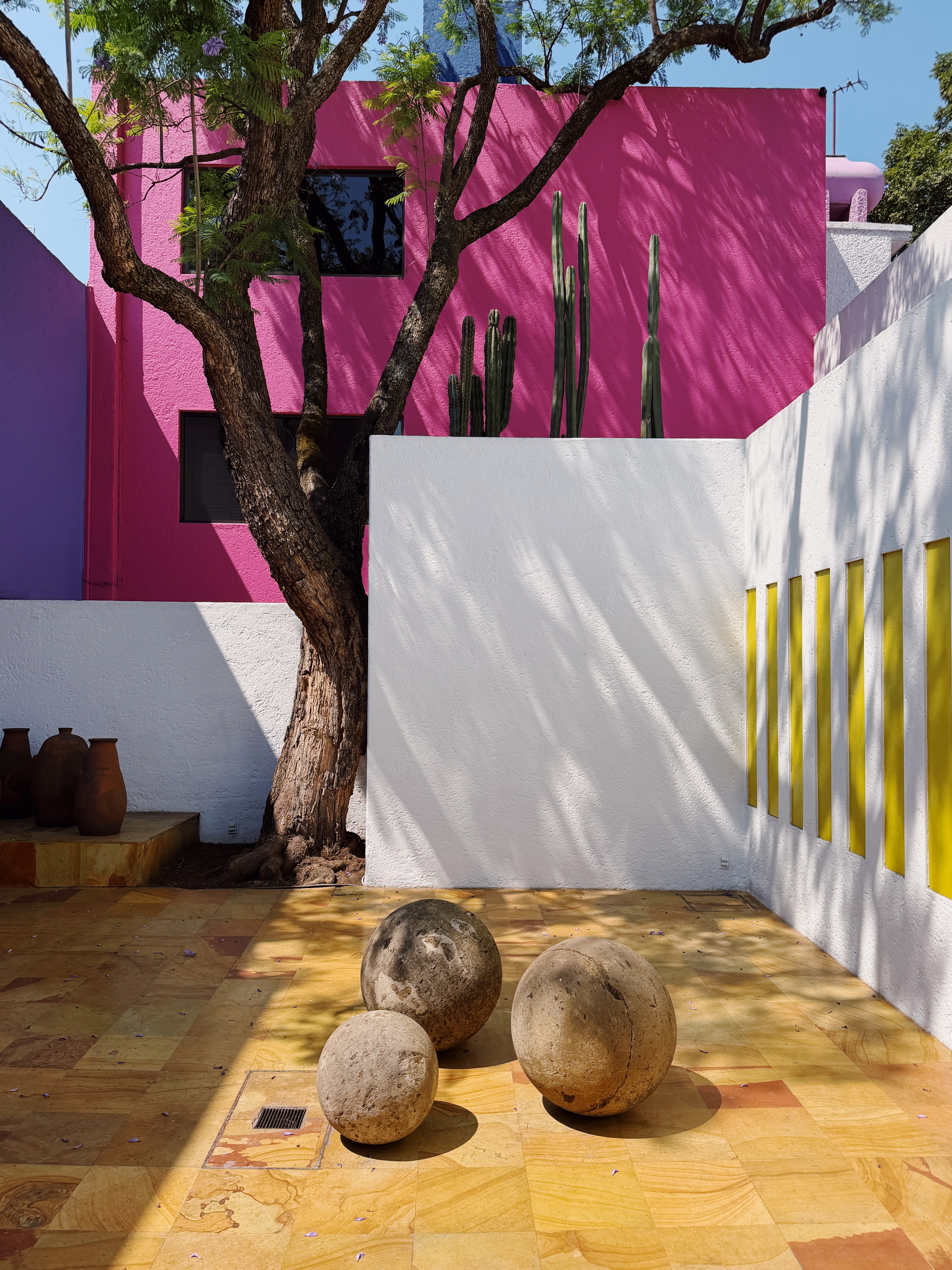
A colorful architectural gem can be found in the quiet streets of San Miguel Chapultepec neighborhood. Casa Gilardi was the project that brought architect Luis Barragan out of retirement. The house was designed with Barragan’s signature style and characteristics: bright colors, Mexican design, and geometric play. Barragan fell in love with the jacaranda tree that he designed to build the structure around it to preserve it. The tree now stands gracefully in the courtyard. A house built for an entertaining purpose, it has inviting living spaces, and an airy yellow hallway leading to an incomparable pool.

Soumaya Museum

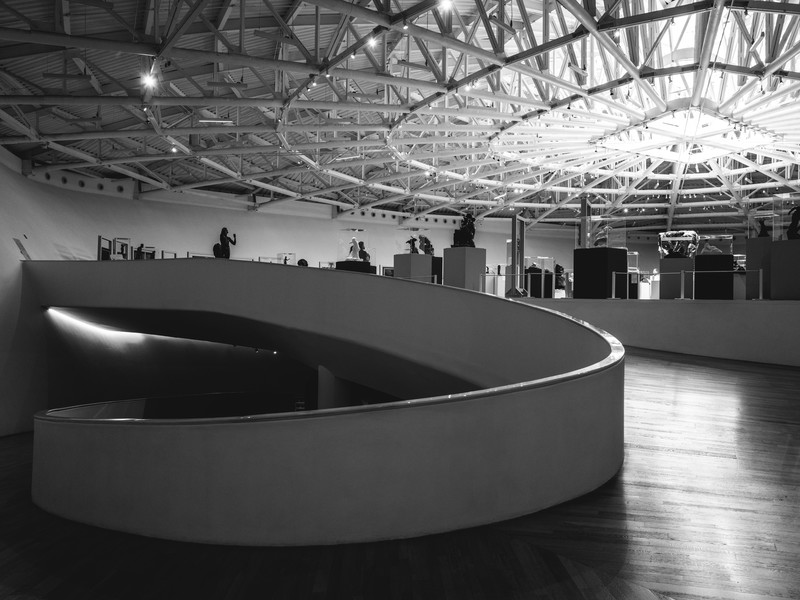
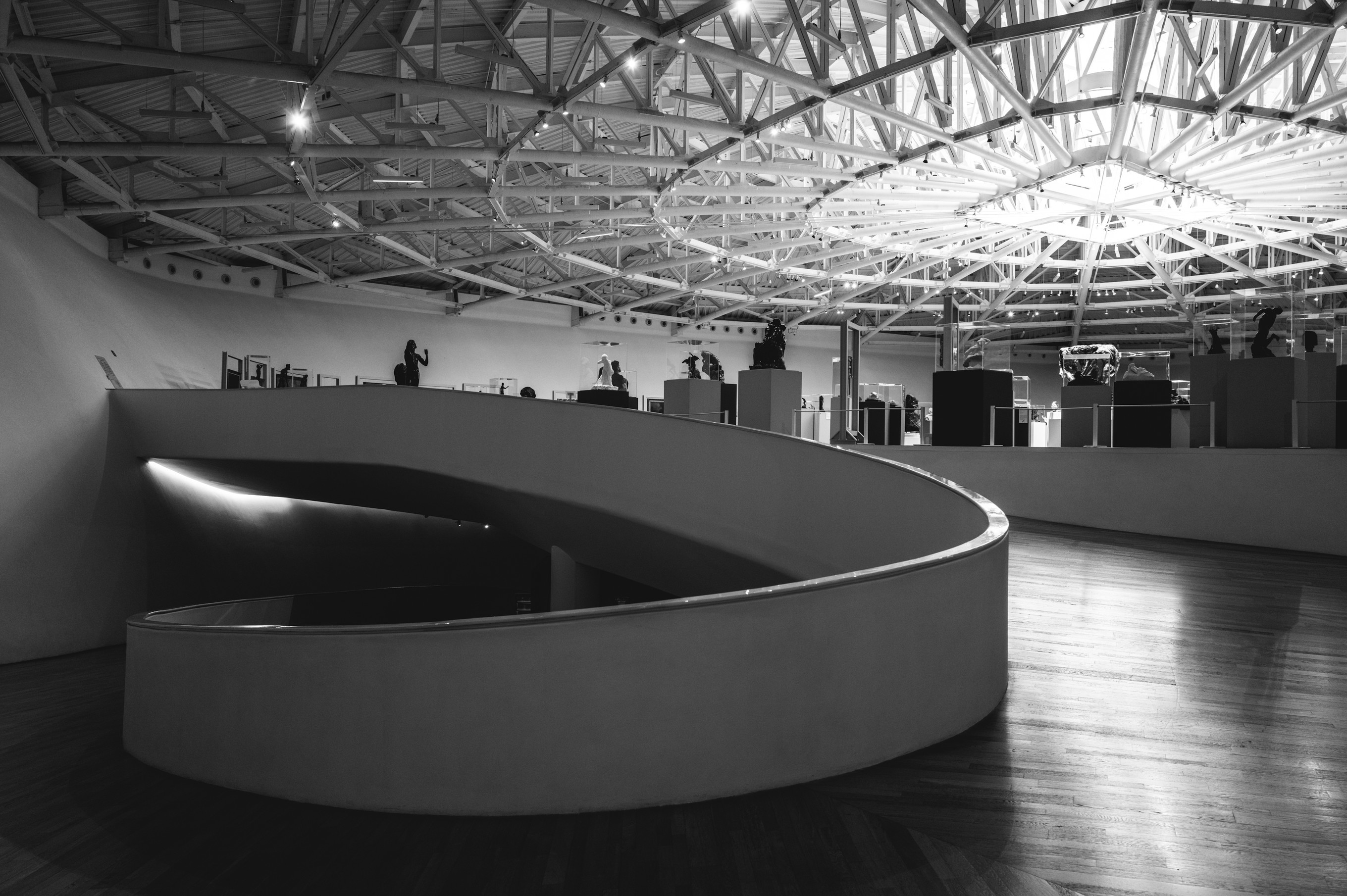
Named after the love of his life, Carlos Slim built the Soumaya Museum in honor of his wife, Soumaya. The museum hosts a large portion of their private art collection, ranging from religious art, European masters, and one the largest collection of Rodin sculptures can be seen in the last floor. While the art inside can be vast, the structure itself is a work of art. The facade is covered with more than 15,000 shimmering hexagonal aluminum tiles, reflecting the sunlight throughout the day. The organic and asymmetrical shape of the building makes it a distinctive architectural highlight when walking through the affluent neighborhood of Polanco.

Torre Reforma

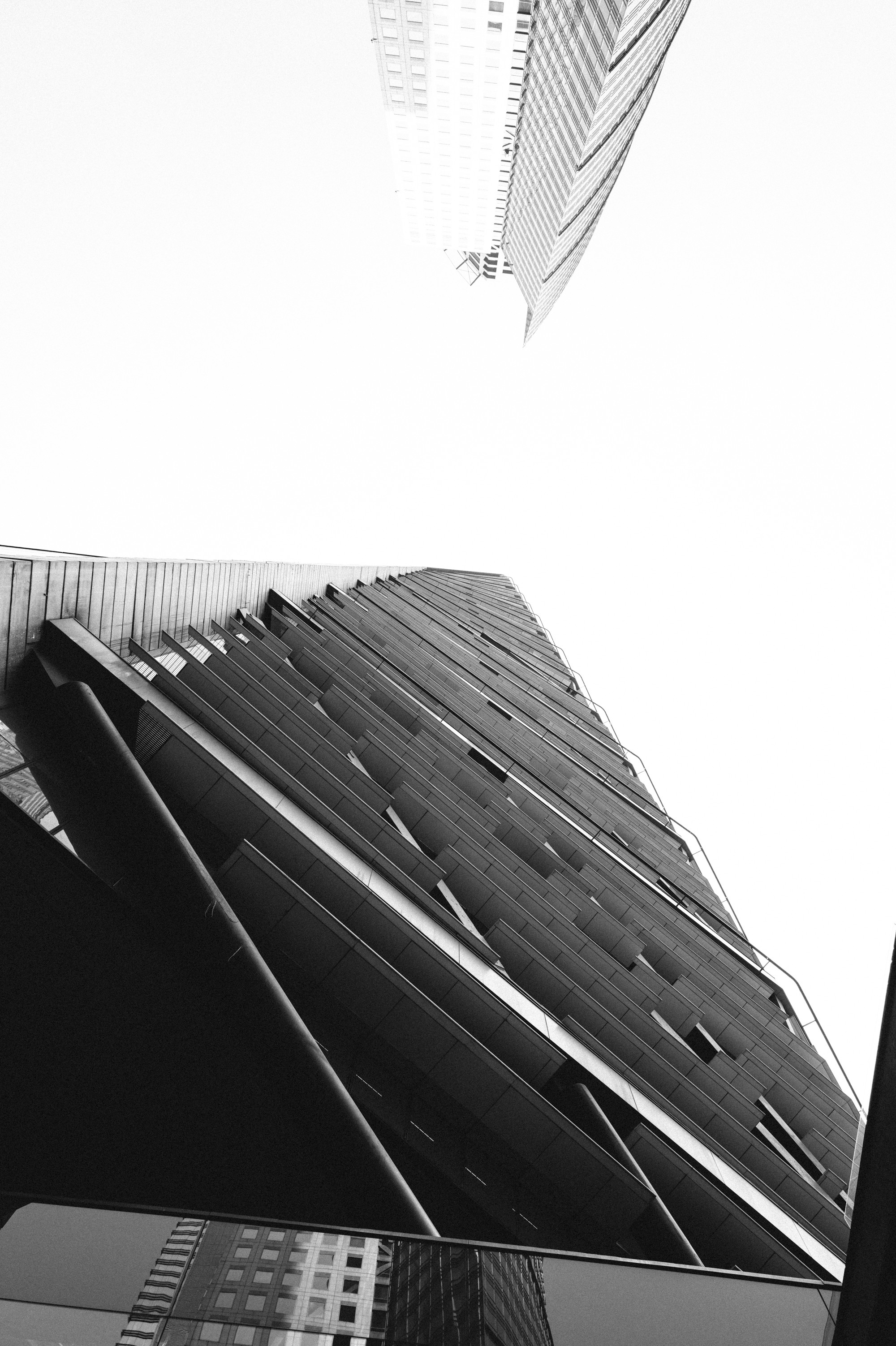
Avenida Reforma, one of the capital’s most vital traffic streams, cuts right through the city and passes along many key structures. It is the optimal route to take in the sight of old and new structures. At 246 meters tall, the triangular concrete and steel marvel sits along the avenue. Designed with a slight twist and sliced at the top, Torre Reforma was brilliantly engineered to resist Mexico’s seismically active environment.

Museo Nacional de Antropologia

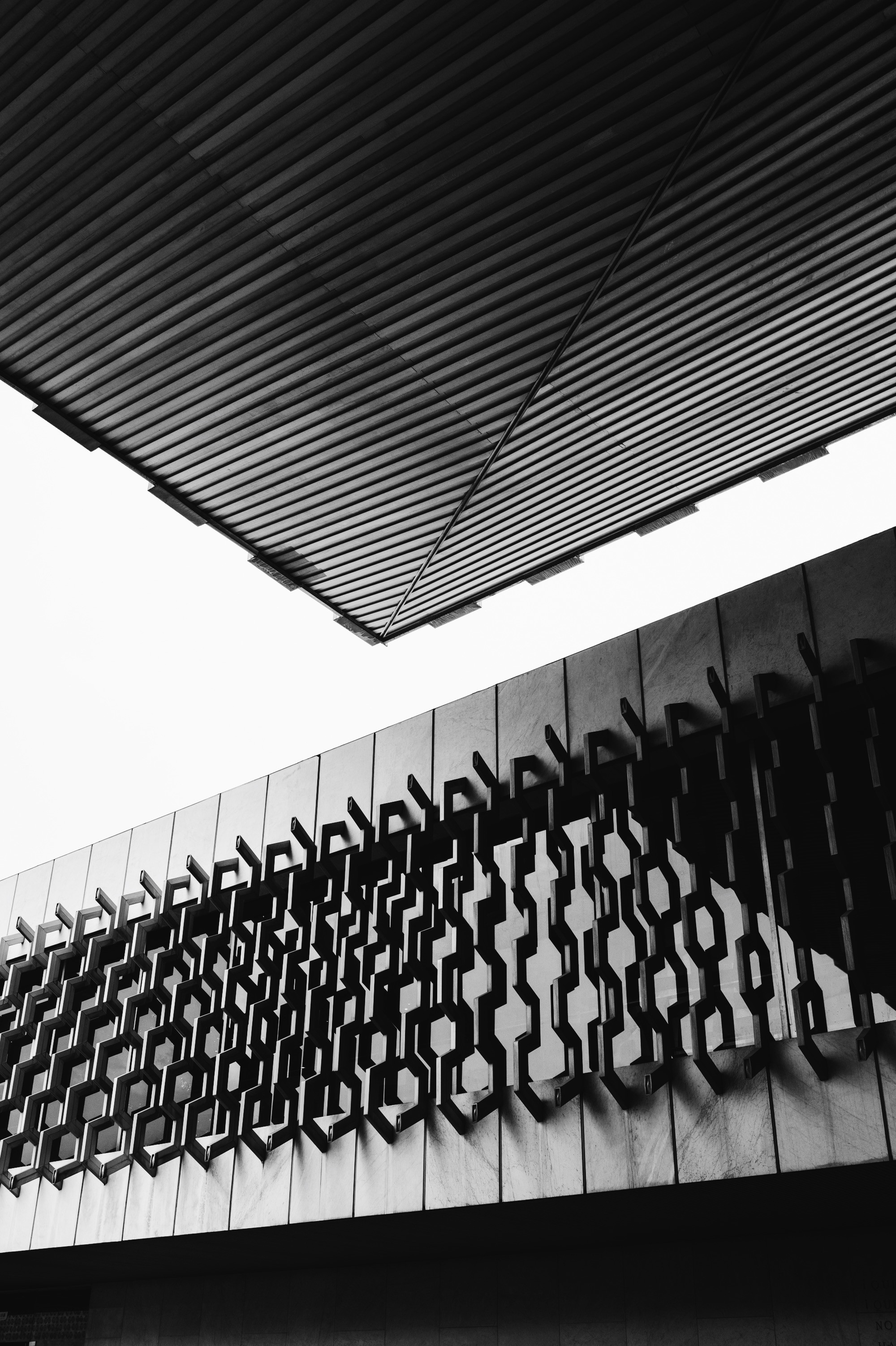
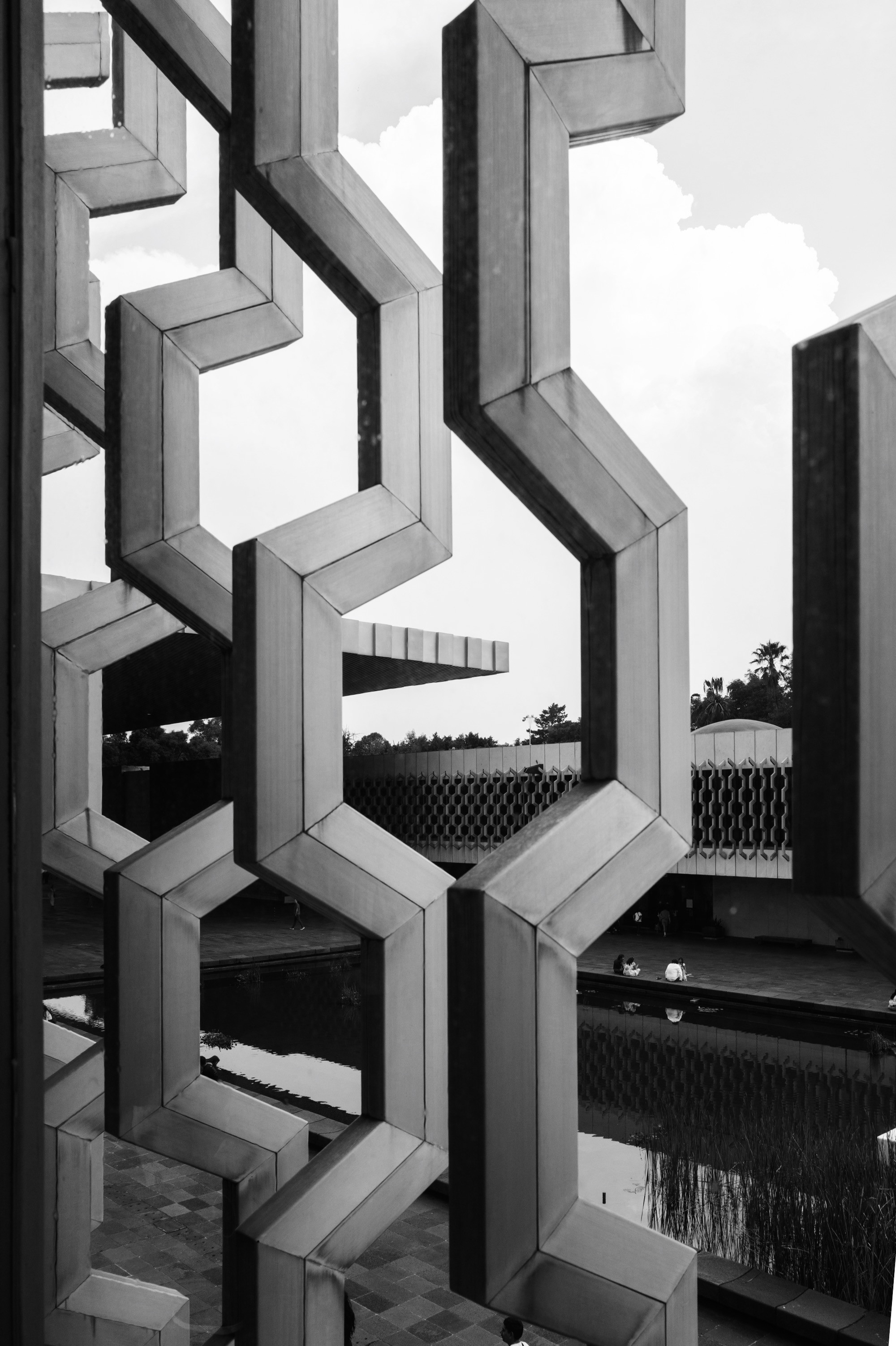
Mexico City is one of the cities with the most museums around the world. Chapultepec Park is a key area to this collection of art. Between the Museo de Arte Moderno and Museo Tamayo Arte Contemporaneo, the grand Museo Nacional de Antropologia is situated. Considered one of the most important institutions that keeps the indigenous legacy alive through its archaeological collection. Designed by one of Mexico’s most prolific architects, Pedro Ramirez Vazquez, the museum of anthropology is an architectural gem. Geometry and light set the tone to the spatial design while the courtyard has a massive central column with a heavy downfall stream of water.

Chapultepec Castle

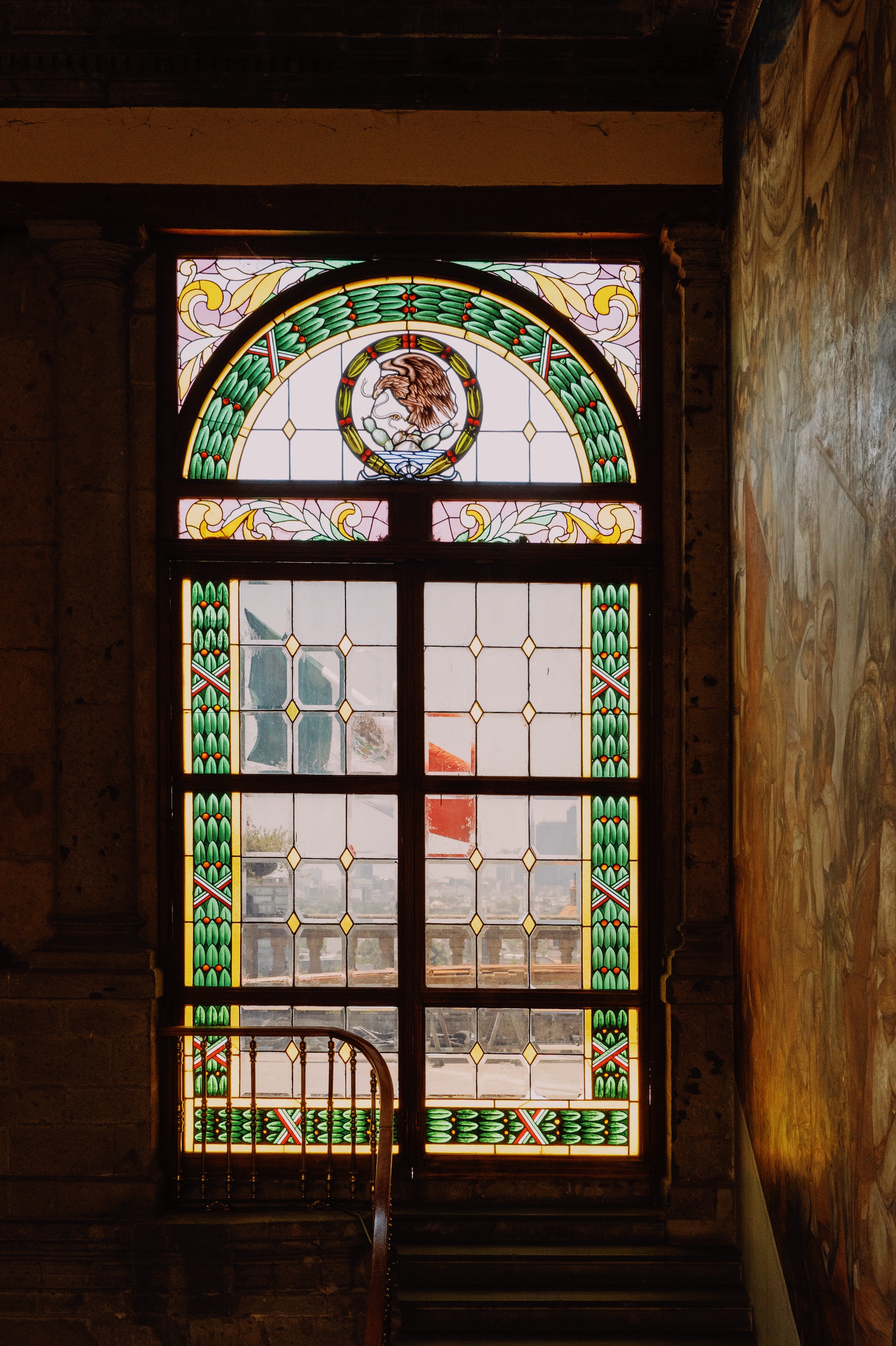
Originally built as a retreat residence for Spanish Viceroy Bernardo de Galvez and then the royal residence of Emperor Maximilian I almost 100 years later, Chapultepec Castle sits on a hill at the heart of Chapultepec Park. With beautifully crafted stained glass windows and balconies overlooking the city’s skyline, the castle is a symbol of thecountry’s imperial past and is now a museum displaying original furniture and jewels from Maximilian’s empire, historical artifacts, and painted murals on some of the ceilings.


Max Balderas
Author
Find out more
1 / 12