Smith Brasserie at Rox Resort: How Head Chef Gabriel Hedlund is creating a resort restaurant that becomes a destination on its own
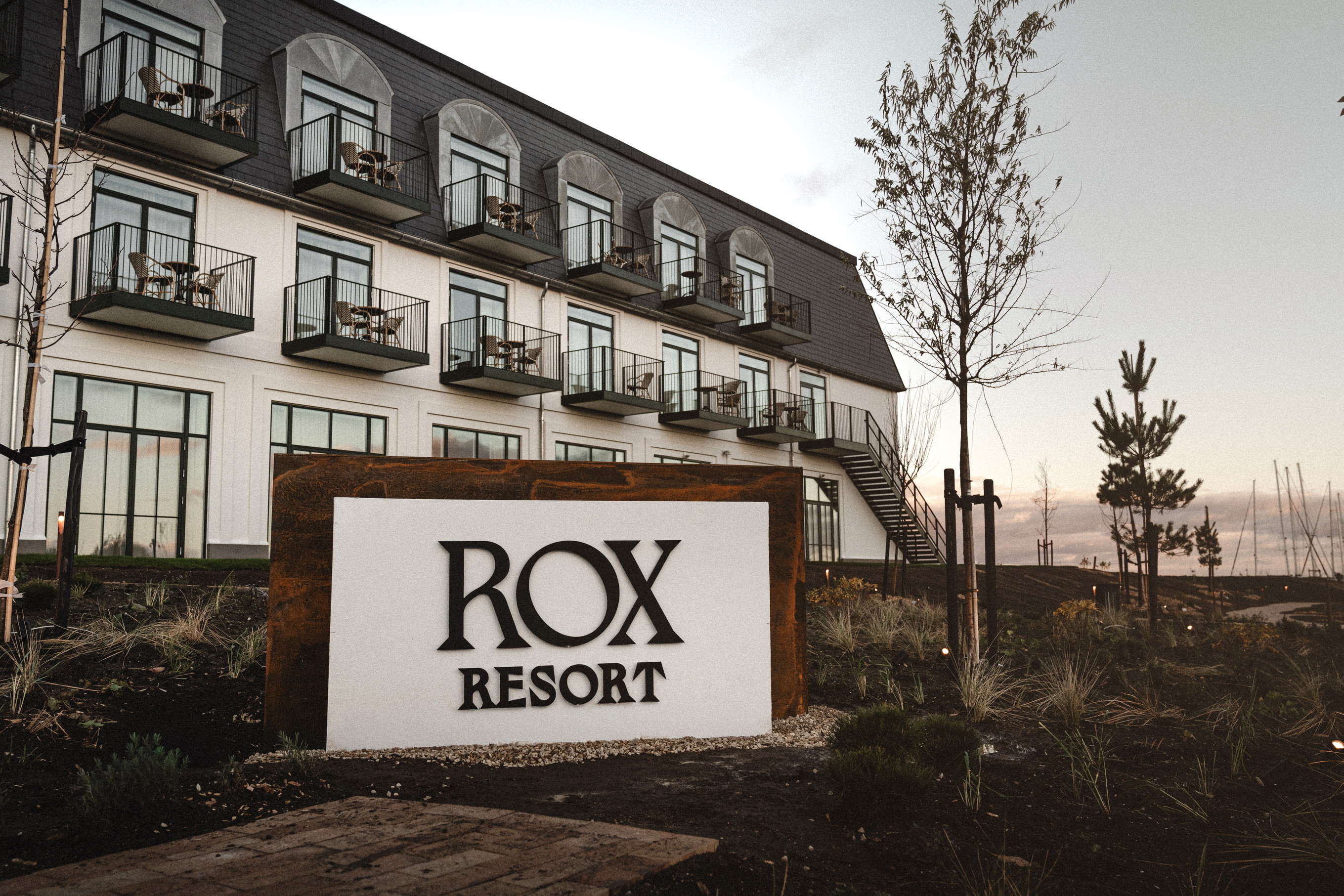
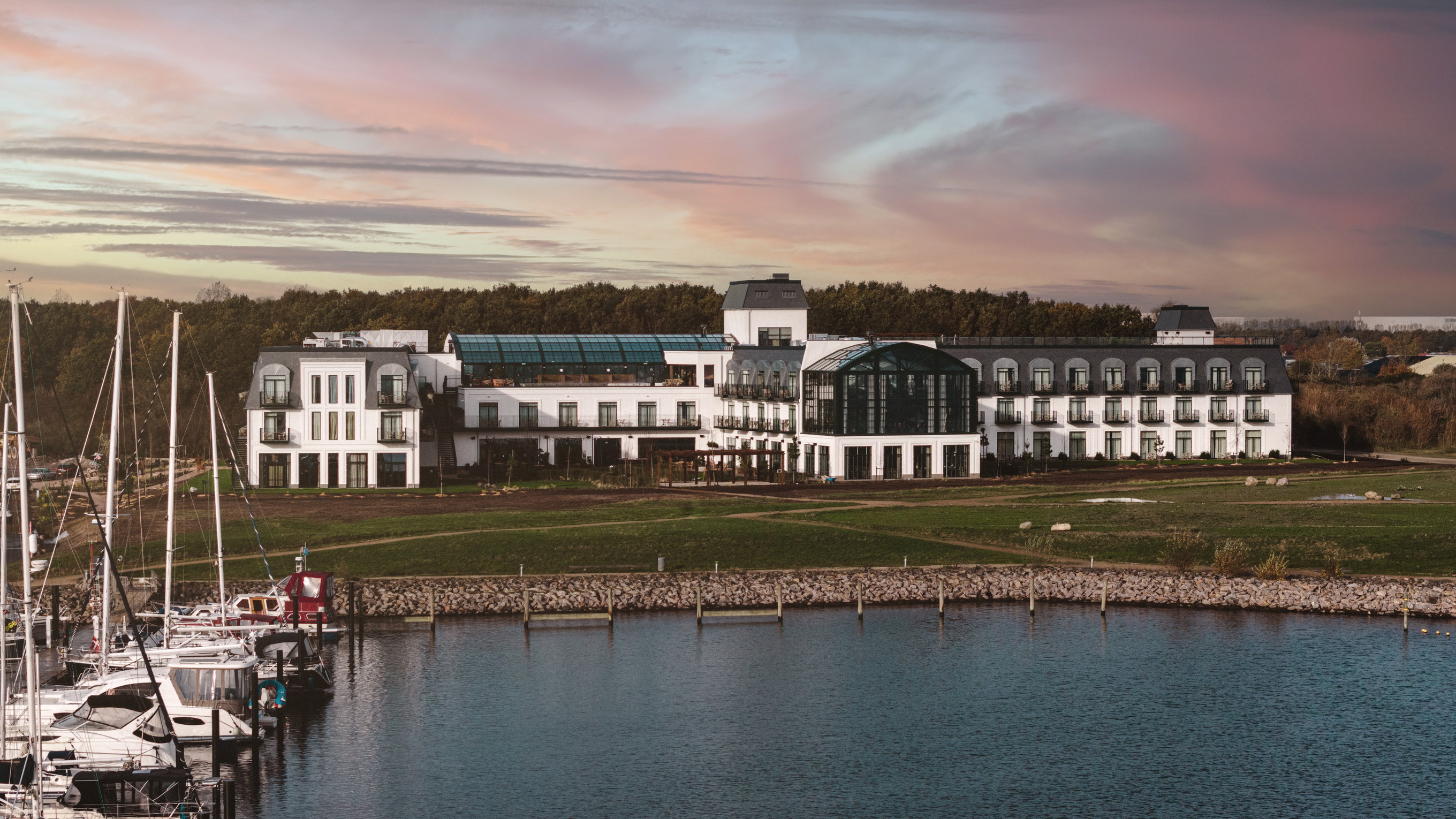
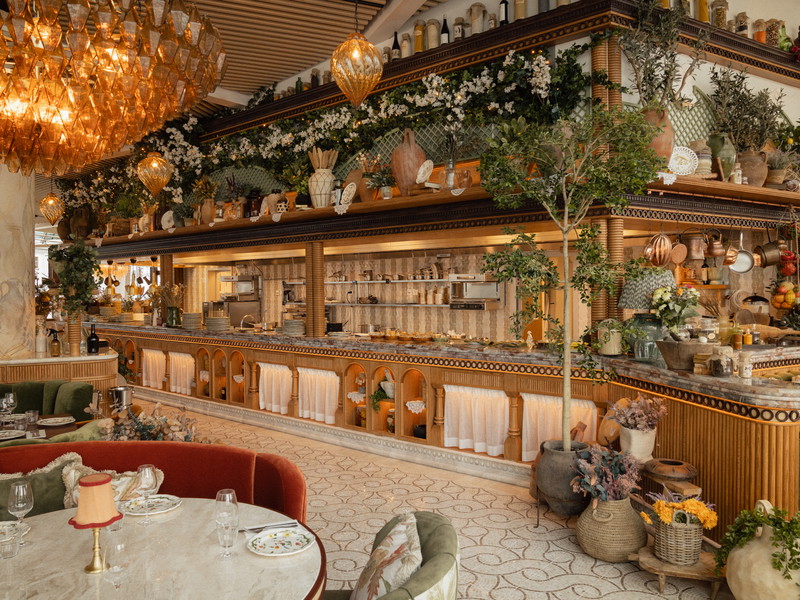
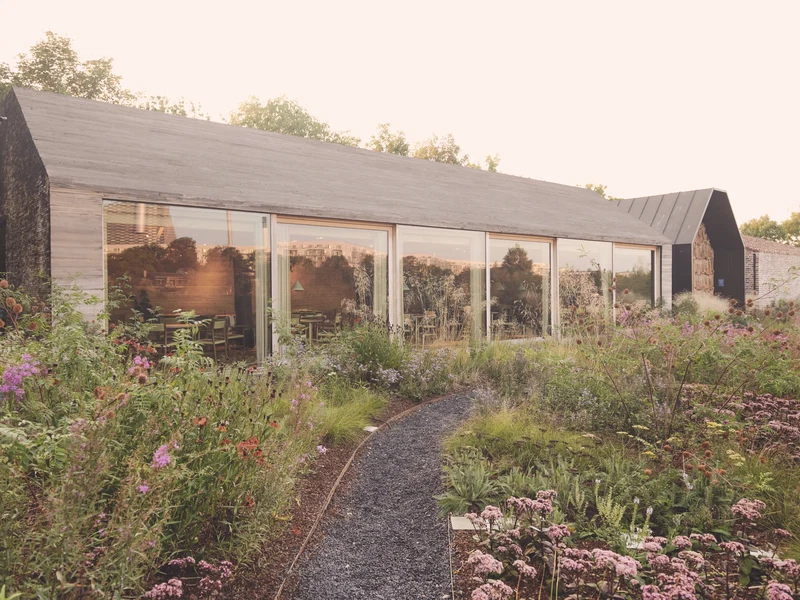
In 2025, Rox Resort in Køge, just south of Copenhagen, opened its doors to an ambitious spa hotel with international standards, including Smith Brasserie, the resort’s own restaurant. Set within a design-forward destination where spa, relaxation, and gastronomy converge, the restaurant is conceived as more than an amenity—it is intended as a destination in its own right
Text by Caroline Sølver
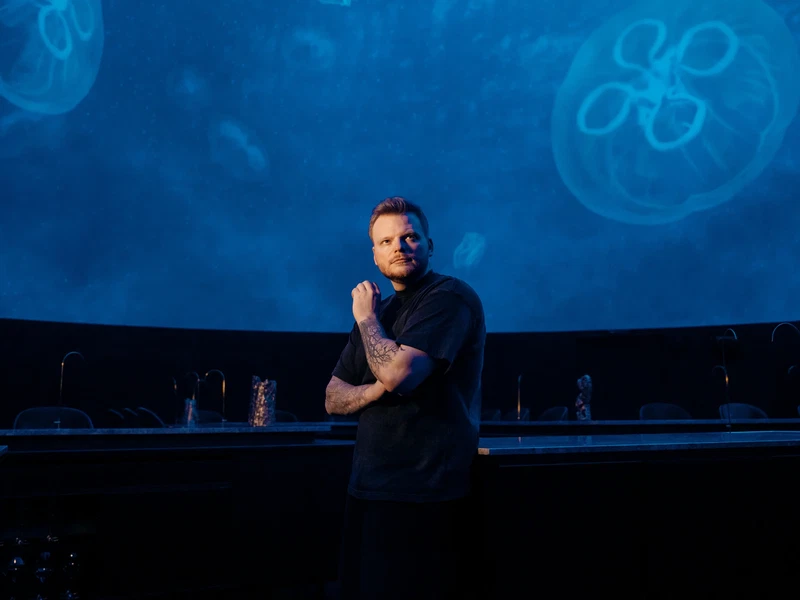
Here, Head Chef Gabriel Hedlund is building something far more demanding: a cuisine where restraint, precision, and clarity take center stage while underlining a spa hotel restaurant as its own reason to visit.
With a career shaped in some of Europe’s best and most exacting fine dining kitchens, Hedlund is no stranger to intensity. Yet at Rox and Smith Brasserie, his focus has shifted. The pursuit is no longer solely technical perfection or personal acclaim, but something more nuanced—creating an experience that feels both elevated and instinctively familiar, bringing a great dining experience to guests from all paths, bridging Scandinavia and an internationality on the menu.
From fine dining rigor to refined simplicity
Hedlund’s trajectory reads like a map of modern Nordic gastronomy. Trained in Sweden, he found his professional turning point in Copenhagen, where the city’s culinary momentum—and its Michelin-driven ecosystem—redefined his ambitions. Kitchens such as Noma and Restaurant Herman introduced a level of dedication that, in his own words, “opened a whole new world.”
That environment, marked by discipline and collective drive, left a lasting imprint. “Everyone wanted to be there, no matter what,” he recalls. “That kind of energy changes how you see the craft.”
Subsequent years took him across continents—from opening restaurants in Bangkok and Yangon to launching a Nordic concept in New York. Each chapter added perspective and experience, but also hard lessons along the way. Particularly in the United States, the cultural distance from Scandinavia’s trust-based systems proved challenging, ultimately prompting his return to Europe.
Back in the Nordics, Hedlund stepped into a leading role at Vollmers in Malmö, contributing to its two-star Michelin acclaim.
The simpler it is, the more perfect it needs to be”
At Rox Resort, those experiences converge into a philosophy that feels both grounded and deliberate. The setting—a destination resort rather than an urban fine dining room—demands a different kind of thinking.
“This is not a place where guests stumble in,” Hedlund explains. “They come here for a reason.”
That intention shapes how the restaurant must stand on its own, capable of drawing guests independently of the hotel, while simultaneously matching the resort’s polished aesthetic and high expectations, underlining the restaurant’s function as its own separate destination.
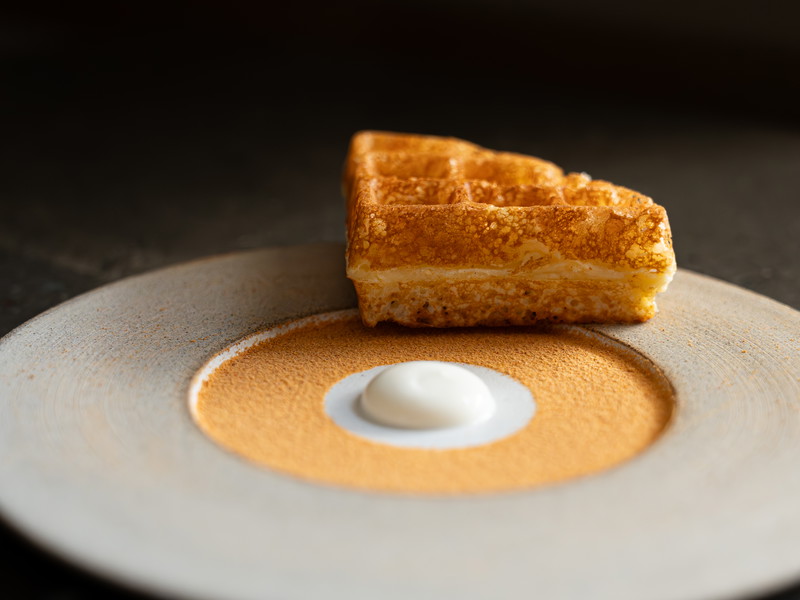
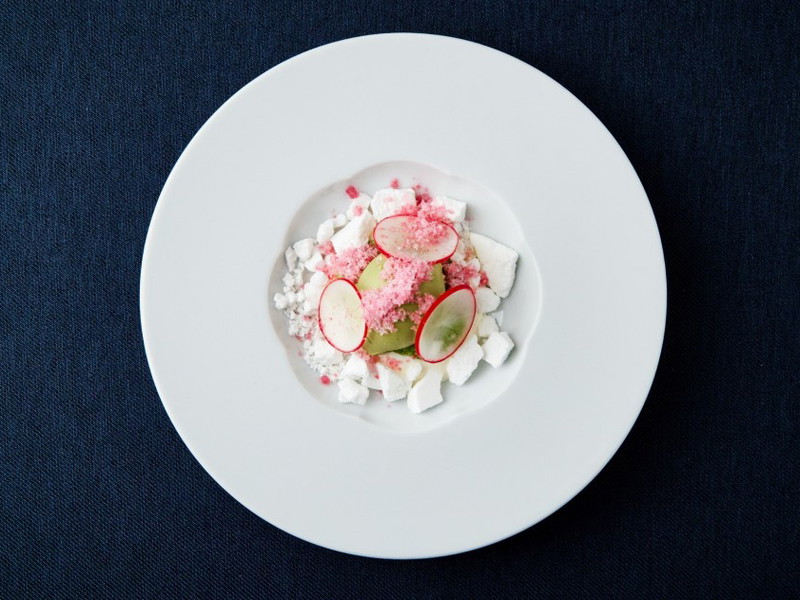
The answer is a menu built on simplicity. Dishes are stripped back to their essentials with inspiration drawn from French fine dining restaurants—often no more than four or five components—placing full emphasis on the quality of the primary ingredient. A trout dish exemplifies the approach: visually minimal, yet precise to the point where every element must perform.
“The simpler it is, the more perfect it needs to be,” Hedlund notes. “You can’t hide behind technique or decoration.”
Between bistro and fine dining
The culinary direction at Rox is deliberately positioned between worlds to cater to guests from different paths. Moving away from an earlier, more complex concept, Hedlund is steering the kitchen toward what he describes as a “New York–Italian bistro” sensibility—interpreted through a Nordic lens.
It is a shift that prioritizes accessibility without sacrificing ambition. Classic formats and crowd pleasers—garlic bread, tartare, carefully executed fish and meat dishes—serve as familiar entry points. Yet within that familiarity lies a meticulous attention to detail, from sourcing to execution through simplicity in components.
The simpler it is, the more perfect it needs to be. You can’t hide behind technique or decoration.
Between bistro and fine dining
The culinary direction at Rox is deliberately positioned between worlds to cater to guests from different paths. Moving away from an earlier, more complex concept, Hedlund is steering the kitchen toward what he describes as a “New York–Italian bistro” sensibility—interpreted through a Nordic lens.
It is a shift that prioritizes accessibility without sacrificing ambition. Classic formats and crowd pleasers—garlic bread, tartare, carefully executed fish and meat dishes—serve as familiar entry points. Yet within that familiarity lies a meticulous attention to detail, from sourcing to execution through simplicity in components.
There are things you don’t touch. If you order a chocolate mousse, it should be a chocolate moussee.
Gabriel Hedlund
Head Chef
Gabriel Hedlund
Head Chef
At the same time, the ambition remains high. Ingredients such as turbot and premium cuts of meat underline a commitment to quality, while the long-term vision includes a stronger integration of local produce.
The resort as a culinary ecosystem
Working within a resort introduces both constraints and opportunities. Unlike a city restaurant, Rox must cater to a broader rhythm: guests arriving for a full experience, not just a meal.
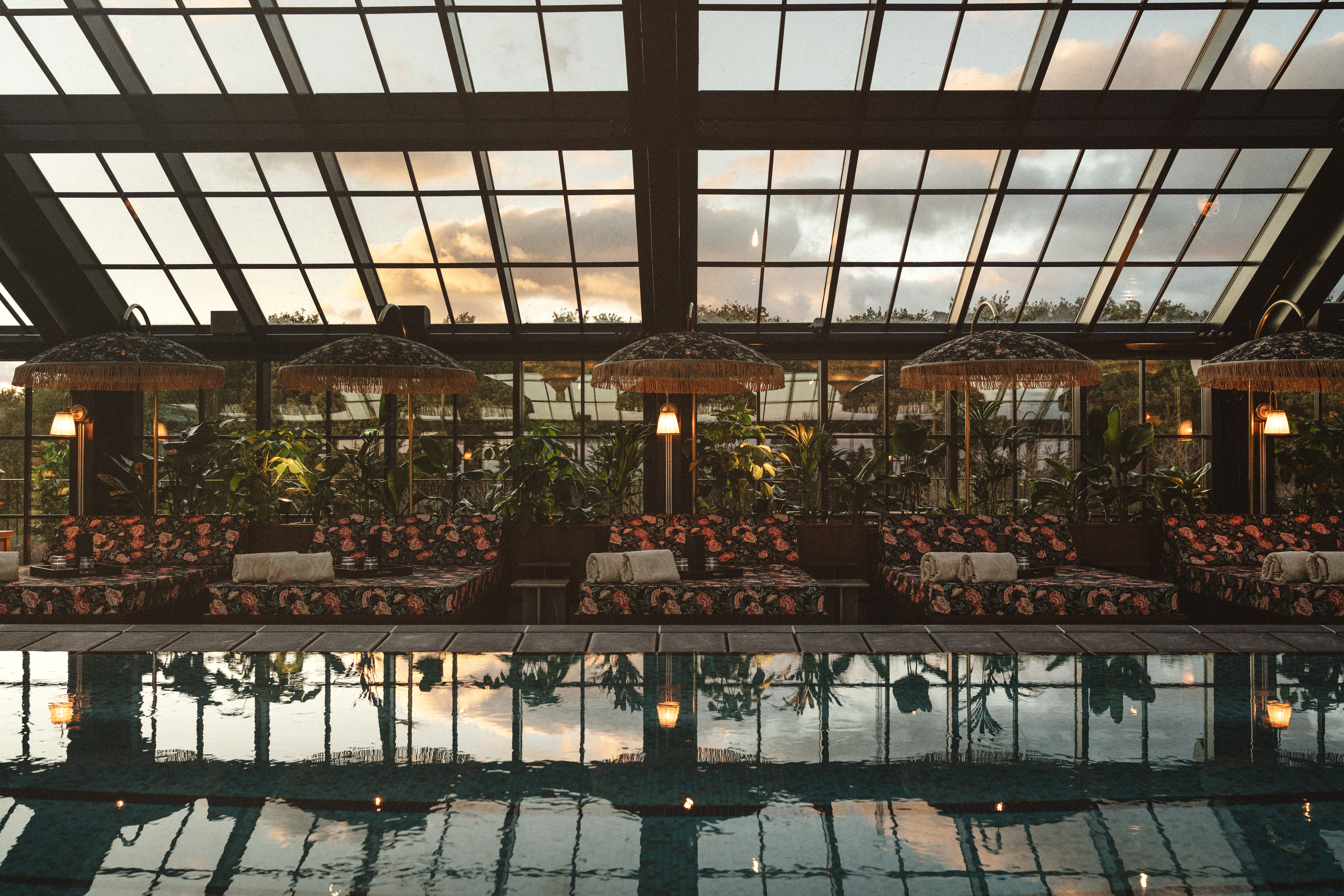
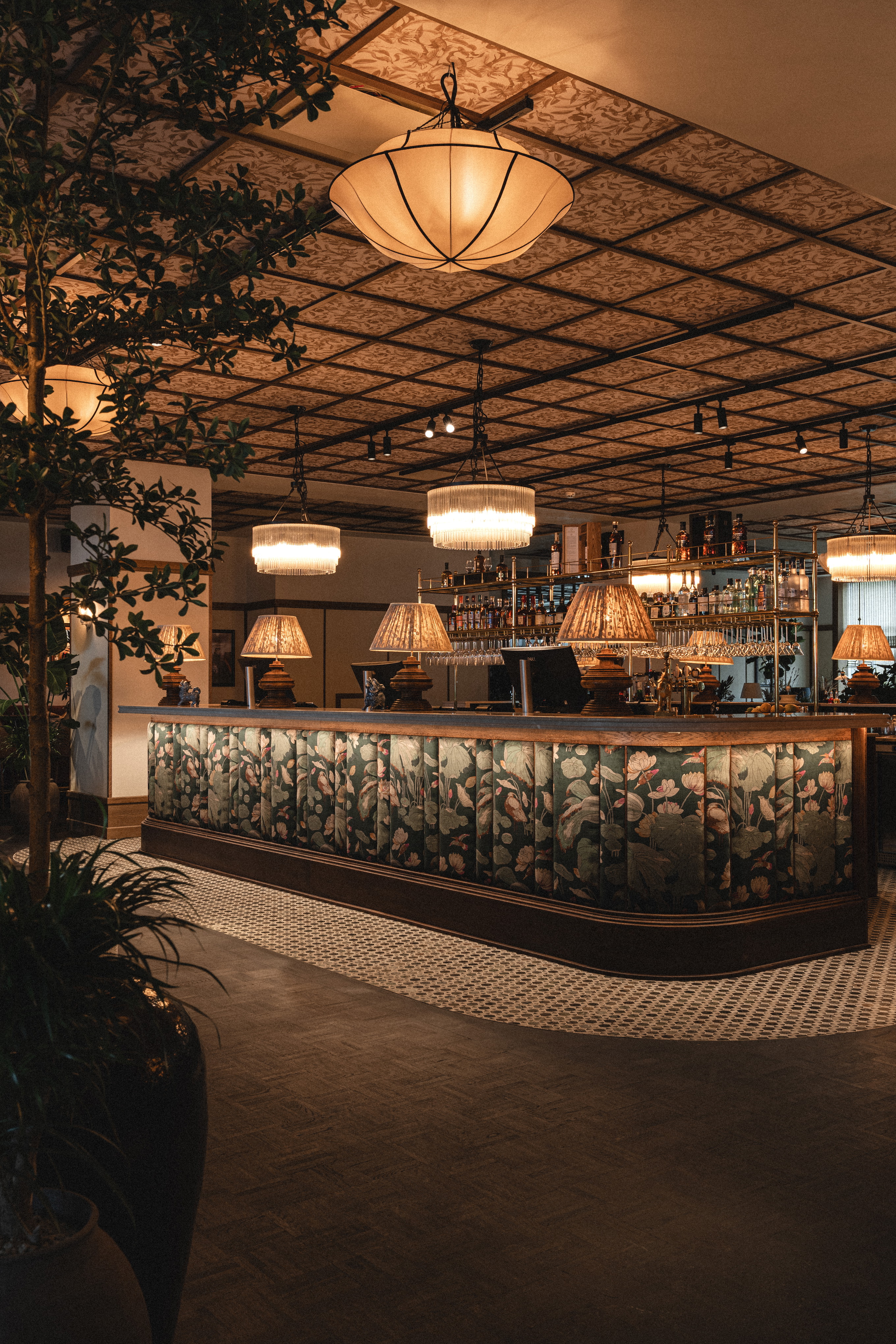
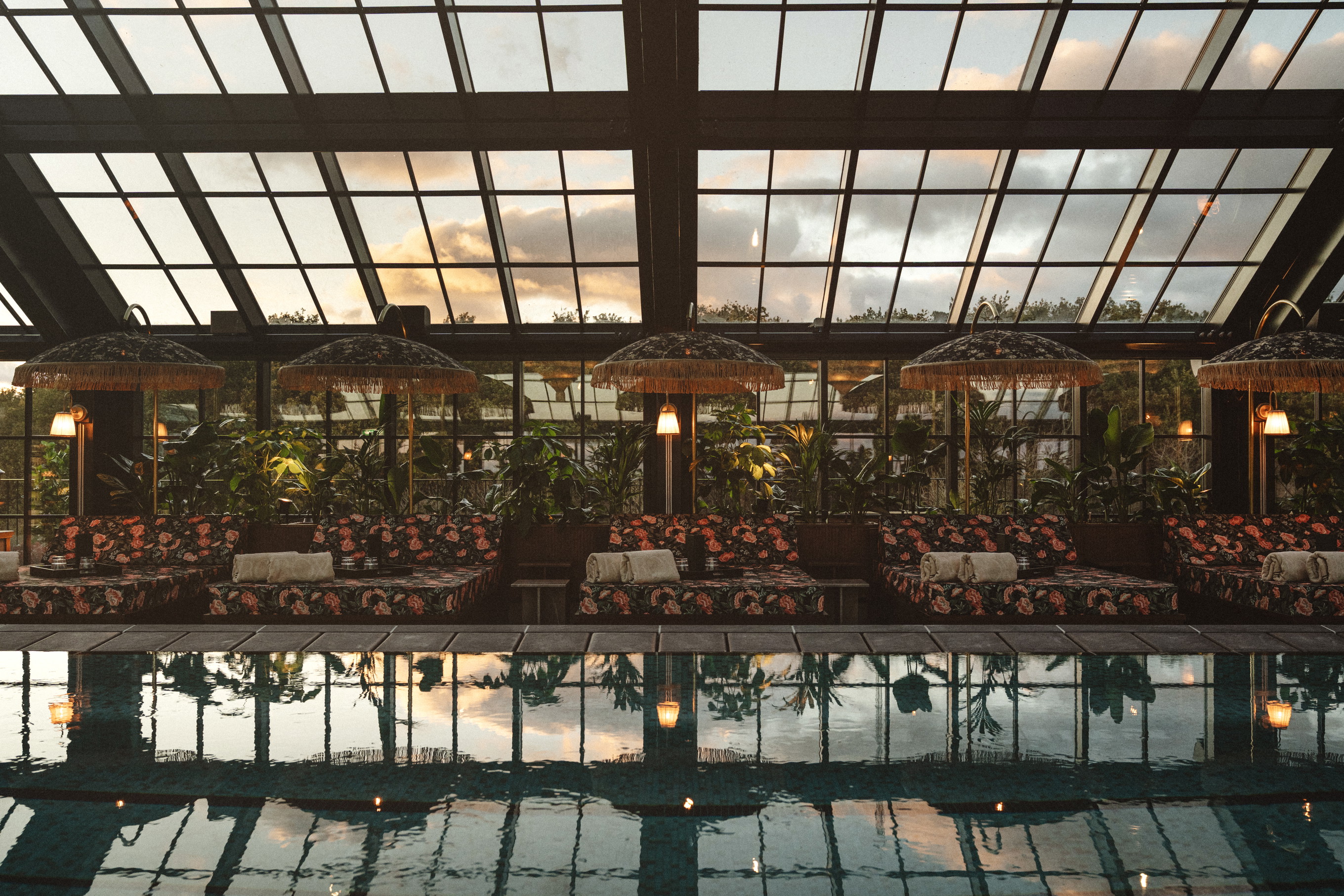
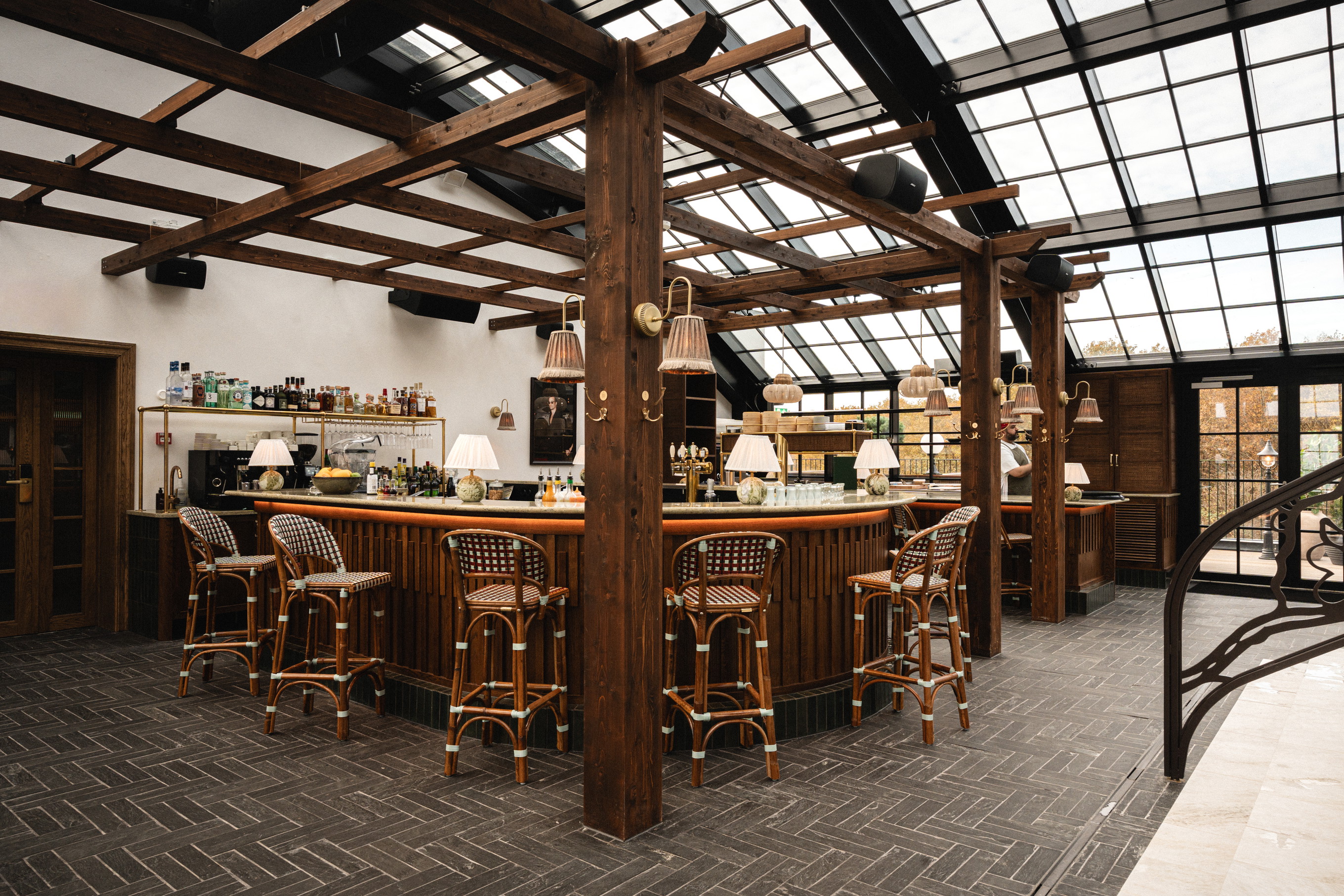
This translates into a layered offering. Alongside the main restaurant, more casual concepts—ranging from the daily breakfast buffet to Asian-inspired small plates by the pool to a reimagined high tea and lounge food—create variety and offer several experiences without diluting the overall identity.
For Hedlund, however, the restaurant remains the emotional core. “This is the heart of the resort,” he says. “It’s what guests should not miss.”
The challenge lies in balancing scale with consistency. On busy evenings, the kitchen serves up to 200 guests with a relatively small team. Efficiency, therefore, is not a compromise but a necessity—one that informs the very structure of the menu.
The human element
If the food defines the framework, the guest experience defines the ambition. Hedlund speaks less about accolades and more about feedback, shifting the traditional markers of success toward something more immediate and human.
I used to focus on personal achievement. Now it’s about how guests feel when they leave.
Gabriel Hedlund
Head Chef
Gabriel Hedlund
Head Chef
This philosophy manifests in small, almost invisible gestures—the kind that rarely appear on a menu. Internally, the team refers to them as “hot dog moments”: spontaneous acts of attentiveness that anticipate a guest’s needs before they are voiced. That is an example of how the fine dining mentality lives on in the Smith Brasserie.
It is a mindset rooted in observation and empathy, and one that Hedlund acknowledges takes time to cultivate. Not every team member arrives with it instinctively. But within the Rox framework, it is becoming as essential as culinary skill.
Elegant, familiar—with the intention of shaping a memorable experience for all guests
Asked to distill the vision for Rox into a single sentence, Hedlund offers a concise answer: “Elegant, familiar.”
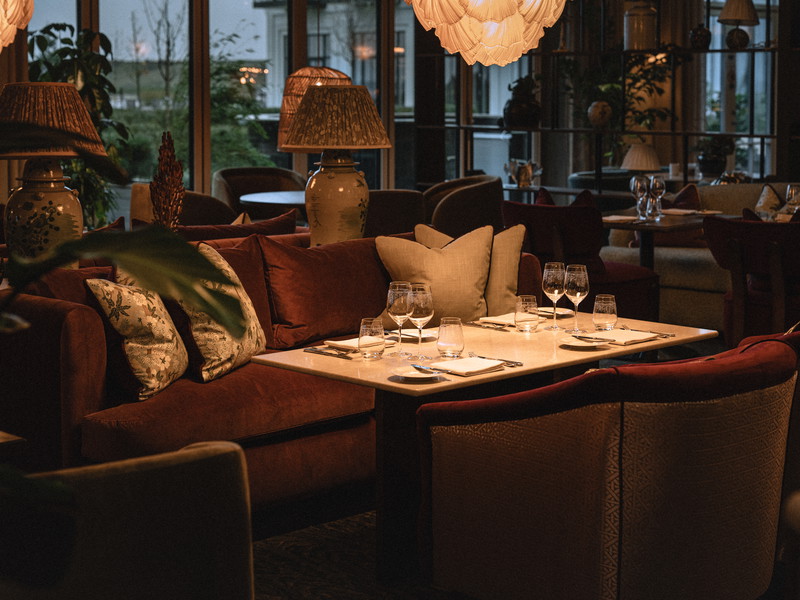
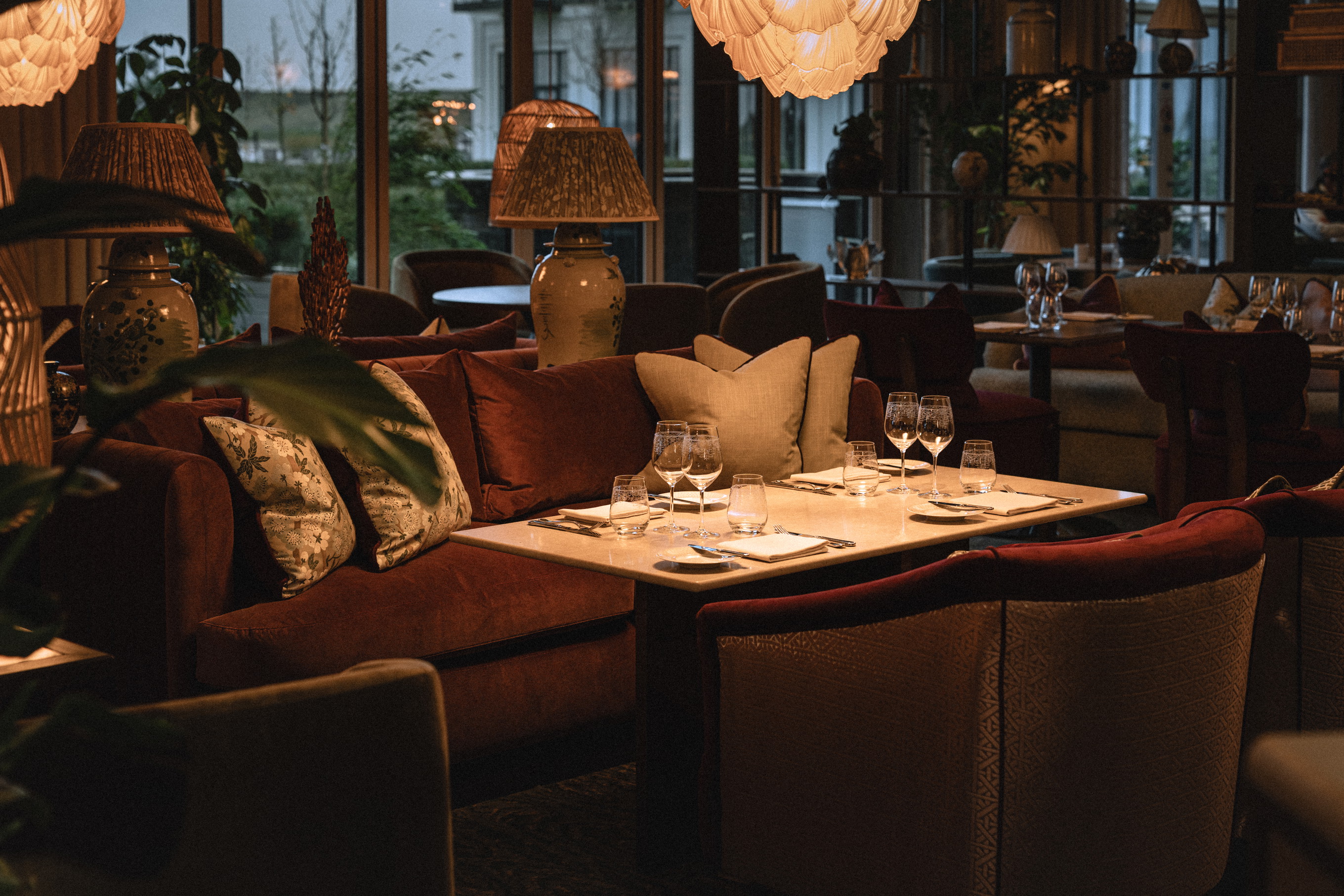
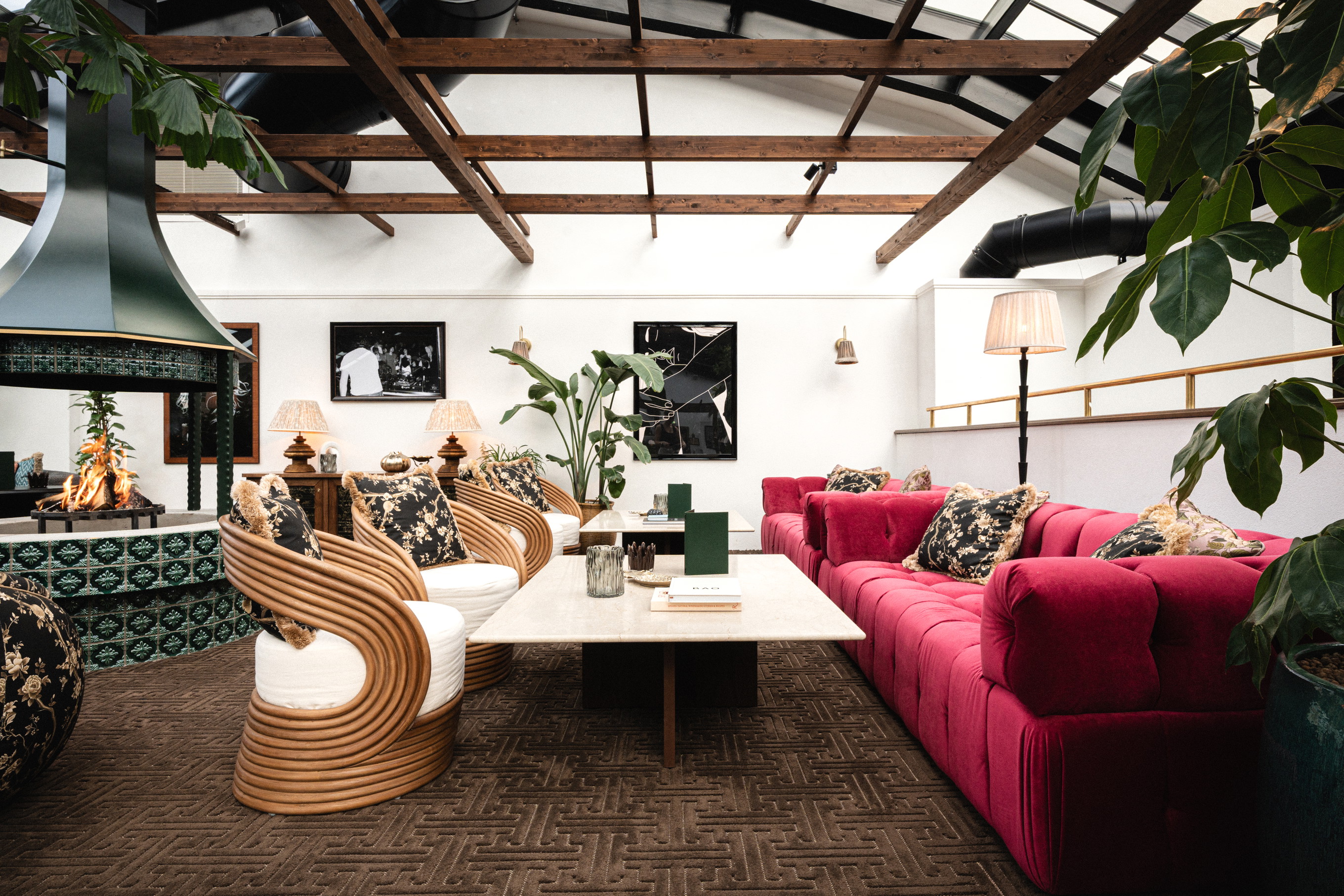
The phrasing captures the duality at the heart of the project. There is refinement, certainly—but also an ease that resists the stiffness often associated with luxury dining. Guests are meant to feel at home, even as every detail is considered, and there is an ambition to serve beautifully curated meals cooked by talented chefs.
Success, for now, is measured not in stars, but in resonance: a restaurant that guests remember, return to, and recommend—not because it overwhelms, but because it offered a memorable, elegant yet familiar experience.