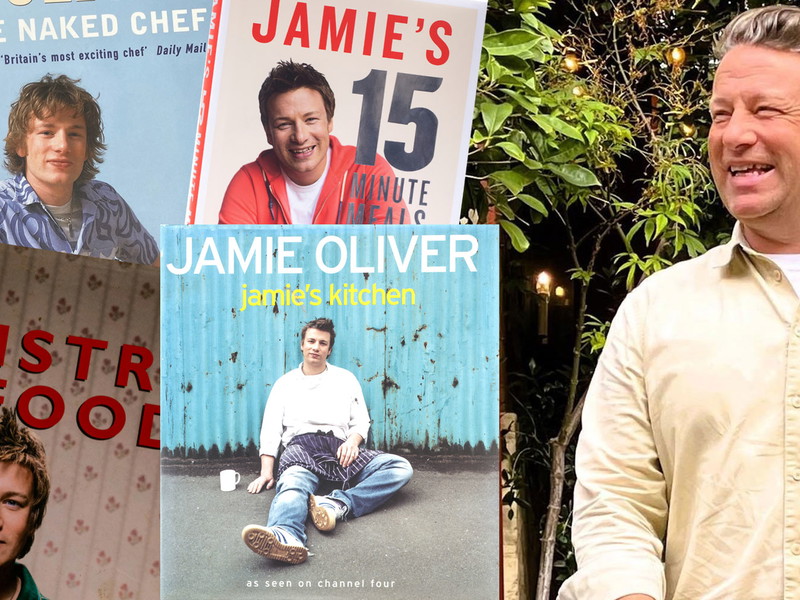
The Naked Chef at 50: A look back at Jamie Oliver's career
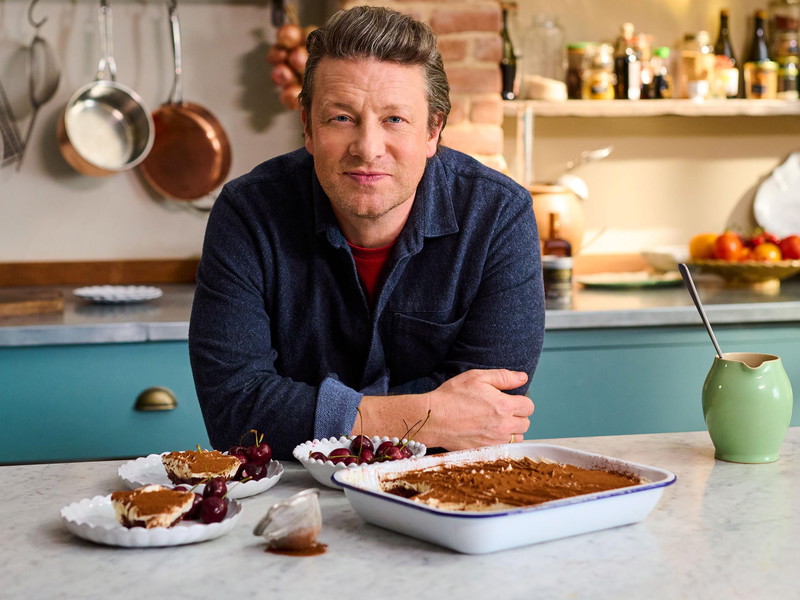
On the occasion of Jamie Oliver's 50th birthday, Falstaff takes a look at the celebrity chef's legacy from simple pasta recipes, food activism, runaway success and failed restaurant empires.
The man who once revolutionized British cooking shows with his casual charm and quick pasta dishes is 50 years old. Jamie Oliver – TV star, bestselling author, activist and entrepreneur – is no longer just the personable boy next door who cooks simple, delicious dishes. His career is characterized by fame and activism, but also by failure, ridicule and controversy.
From the kitchen to the studio
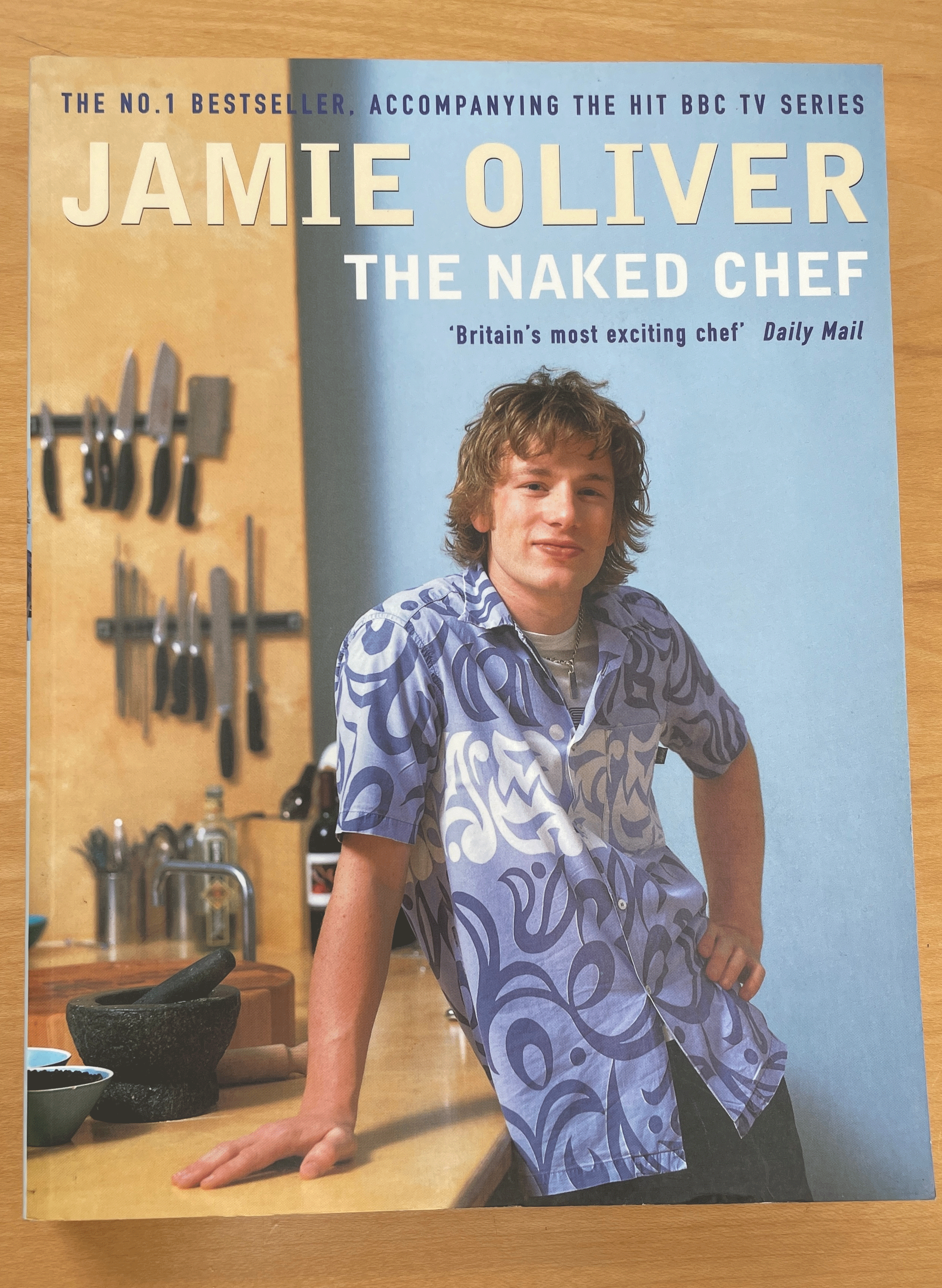
Growing up in Clavering, a small town in Essex, not many would have predicted the rise of Jamie Oliver. His parents' pub, The Cricketers, was certainly far from glamorous, but that is where his story begins. Choosing the culinary arts from a young age, he attended Westminster Catering College, and worked under Antonio Carluccio and later at London's River Café. In 1997, a BBC film crew discovered him there by chance during a shoot: Jamie was actually just filling in for a sick colleague. But his relaxed manner in front of the camera won over the producers. Two years later, he had his first show: The Naked Chef.
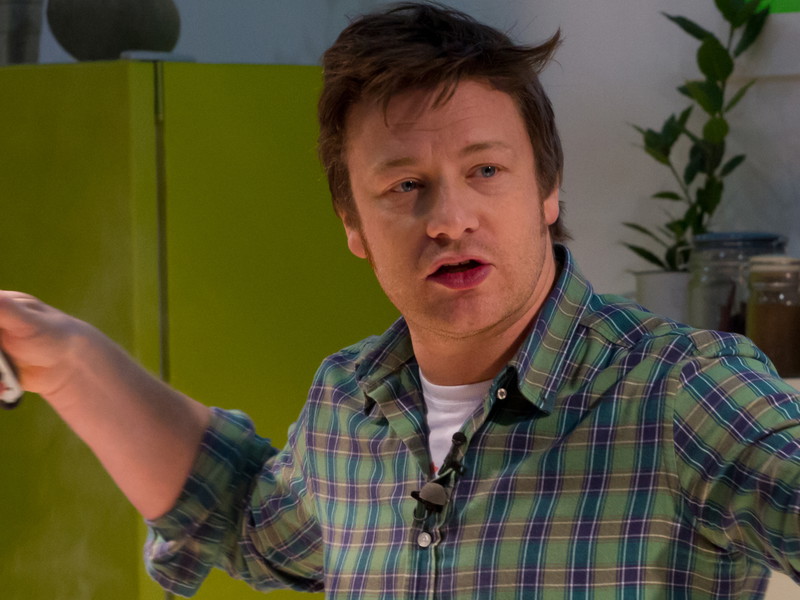
Of course, he never cooked naked – the title referred to his style. No frills, fresh ingredients, and his easygoing, “just chuck it in” charm, which no chef on television had done before. Jamie reduced recipes to the essentials, and created a show that reflected him, inviting friends to drop by for a nosh. It was a novel, casual approach to cooking, far removed from French haute cuisine and pretentious studio kitchens. But not everyone was enthusiastic: it was particularly badly received by male viewers at first. “Men hated me,” he said, looking back. Why? Because he proved an age-old adage wrong by showing that cooking doesn't have to be a woman's job.
Man with a mission
But with fame came ambition: Oliver wanted to do more than just cook. From the mid-2000s, he became a high-profile voice for healthy eating. His TV show, Jamie's School Dinners, saw him taking a stand against substandard school meals in British schools – including the now-infamous “Turkey Twizzlers”. The zeal was there, but so was the pushback: while Oliver garnered considerable support, a fair number of canteen staff, parents and children opposed his mission. Nevertheless, the campaign raised awareness, and eventually made a real difference: after a meeting with then Prime Minister Tony Blair, the British government invested millions in healthier school meals. But the criticism never quite died down, with Oliver seen as a wealthy TV star judging the eating habits of low-income families from the comfort of his mansion by his detractors.
The criticism got a little louder with Jamie's next project. For Jamie's Ministry of Food (2008), he traveled to Rotherham – then one of the UK's unhealthiest and economically depressed towns – to introduce simple recipes to people who rarely cooked for themselves. His approach was well-intentioned, but the results were mixed. Critics decried Oliver as patronizing and badly out of touch with the realities of ordinary people's lives. The fact that a millionaire TV chef would lecture disadvantaged families on how they should eat better did not sit well with everyone.

Success, setbacks and busts
Parallel to his television projects, Jamie also built up a restaurant empire, starting chains like Jamie's Italian, Fifteen, and Barbecoa. Promising honest, good food at fair prices, business boomed initially, with locations across the globe. But it also collapsed nearly as quickly: By 2019, most of his restaurant businesses filed for bankruptcy, with over 1000 employees losing their jobs. The headlines overlapped with pictures of his newly purchased mansion in Essex, further fueling his detractors.
It wasn't the last time Oliver would be in the headlines. His pasta sauces came under fire for their high salt content, with one study showing that a single jar had more sodium than ten bags of salted potato chips. In 2018, his Jerk Rice recipe came under fire for cultural appropriation. In response, he hired sensitivity consultants – which promptly earned him the accusation of being “woke”. A sandwich collaboration with Shell petrol stations was also slammed as hypocritical considering his commitment to environmentalism. And when he protested against “buy one, get one free” junk food promotions in 2022, he was ridiculed as “out of touch” in the midst of a cost of living crisis.
Zucchini and Ambivalence
His cooking style was significantly influenced by Gennaro Contaldo – the man who inducted both Oliver and German TV chef Tim Mälzer into the secrets of “cucina amalfitana”. Contaldo took both young men under his wing at Antonio Carluccio's Neal Street Restaurant in London in the late 1990s: "I have seven children. Five of my own, and numbers six and seven are Tim and Jamie," Contaldo once said. Contaldo's influence can be seen throughout Jamie Oliver's cuisine – from lemon zest and olive tapenade to simple dishes with sole.
But this is also where the line between authenticity and Oliver's public persona can be seen. Some of his recipes can contain ingredients that are only available if you live next to an organic food market. And when he whispers “beautiful” over a zucchini with his mouth half open, half of the world rolls its eyes – and the other swoons all the way to the kitchen. What is charming for some may seem disingenous to others. There has always been a certain tension between Oliver's joy of cooking and his carefully calibrated sense of self-promotion.
Love or hate him, Jamie Oliver remains a major force in modern food culture and one of the most influential chefs of his generation. He put healthy eating on the political agenda and made cooking more accessible – while never quite shaking off his image as class clown and boy next door. For a long time, his unique selling point was that he combined everyday cooking with a missionary zeal. This has also made him a projection screen for hope, mockery, and sometimes anger.
His greatest achievement? Perhaps the fact that healthy school meals, sugar taxes and local ingredients are now firmly entrenched in the public mind. That's a legacy anyone can be proud of.